





Georgian Tabletop Silver
Georgian tabletop silver brings domestic elegance to the surface, offering refined metalwork that collectors prize for utility and historic design.
Georgian Tabletop Silver
When you search for georgian tabletop silver, you encounter functional items designed for refined interiors, ranging from lighting to storage. The selection spans candlesticks, candelabras, coffee pots, and specialised boxes.
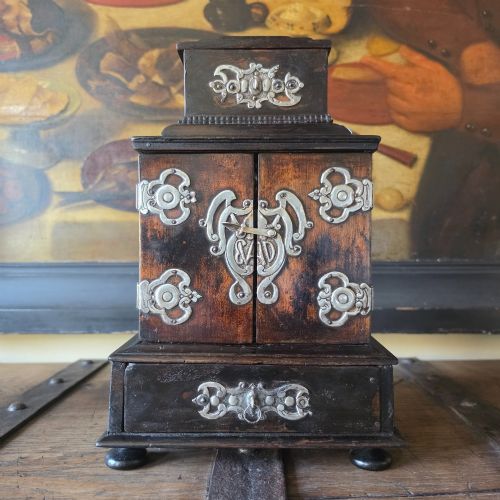
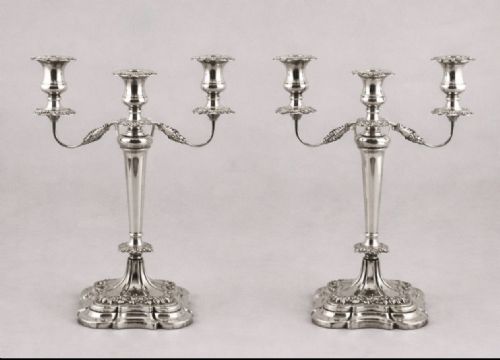
Candlesticks and candelabras appear frequently in silver plate and sterling silver, alongside mahogany or walnut jewellery cabinets and tortoiseshell boxes. These objects reflect the domestic habits and decorative tastes of past centuries.
The objects carry designations from the eighteenth century, the regency era, and neoclassical styles, occasionally accompanied by later nineteenth and twentieth-century interpretations.
Materials and construction
Makers utilised sterling silver and Old Sheffield Plate alongside structural hardwoods such as mahogany and walnut. Brass, copper, and silvered metal also supported the construction of clocks and decorative boxes.
Silversmiths employed techniques like casting, hammering, and plating to shape metal components, while cabinetmakers constructed wooden frames with tortoiseshell veneers and brass mounts.
Georgian Tabletop Silver Retail Price Guide 2026
Typical asking prices for georgian tabletop silver among the pieces listed under this phrase on Sellingantiques today, from the lower quarter to the upper quarter. They describe what is for sale here now, not the wider market.
Tortoiseshell ladies' boxes reveal that past generations stored their most precious secrets in materials that now require strict conservation.
Judging the quality
Quality rests upon the crispness of chased or cast ornamentation on metalwork and the precision of joinery in wooden boxes. Superior examples retain their original structural integrity and surface patination.
Makers such as Paul Storr and John Mackfarlan demonstrate exceptional craftsmanship through balanced proportions and detailed execution, distinguishing their pieces from standard production.
John Mackfarlan·Paul Storr
The Georgian Tabletop Silver Glossary
- Sterling silver
- A silver alloy containing 92.5 percent pure silver and 7.5 percent other metals, usually copper. This standard ensures durability while maintaining a bright metallic lustre.
- Old Sheffield plate
- A composite material formed by fusing a thin sheet of sterling silver to a thicker copper base. It represents an early method of producing silver-appearance items without solid silver cost.
- Candelabra
- A branched candlestick holding multiple lights. These decorative lighting fixtures stood on dining tables or sideboards during formal meals.
- Tortoiseshell
- The shell of certain turtle species used as a decorative veneer on boxes and small cabinets. It provides a mottled amber and brown finish.
- Coffee biggin
- A tall coffee pot fitted with an internal fabric or metal strainer. It sat on a stand, often equipped with a spirit lamp to keep the contents warm.
Georgian Tabletop Silver: Frequently Asked Questions
What is georgian tabletop silver?
Georgian tabletop silver encompasses small decorative and functional metal items used in households during the eighteenth and early nineteenth centuries. These pieces include lighting devices, coffee vessels, and desk accessories.
Collectors prize them for their craftsmanship and the historical context they bring to domestic interiors.
How do I clean old silver?
Cleaning antique silver requires mild soap, warm water, and a soft cloth to remove dust and tarnish without abrading the surface. Avoid harsh chemical dips that strip away the desirable patination.
Professional silver polish should be used sparingly and only on solid silver elements.
What is Old Sheffield Plate?
Old Sheffield Plate is a fused metal technique where a layer of silver is bonded to a copper core under heat and pressure. This creates a durable material that behaves like solid silver.
Examining the edges often reveals a thin line of copper where the sheets meet.
How were these items used?
These items served practical functions in upper-class homes, providing illumination for dining rooms and brewing coffee for guests. Jewellery boxes and cabinets secured valuables and personal trinkets.
Their placement on tables highlighted the wealth and social standing of the household.