



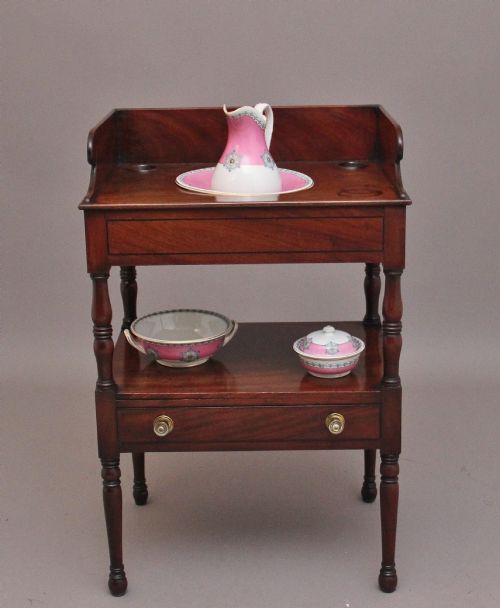

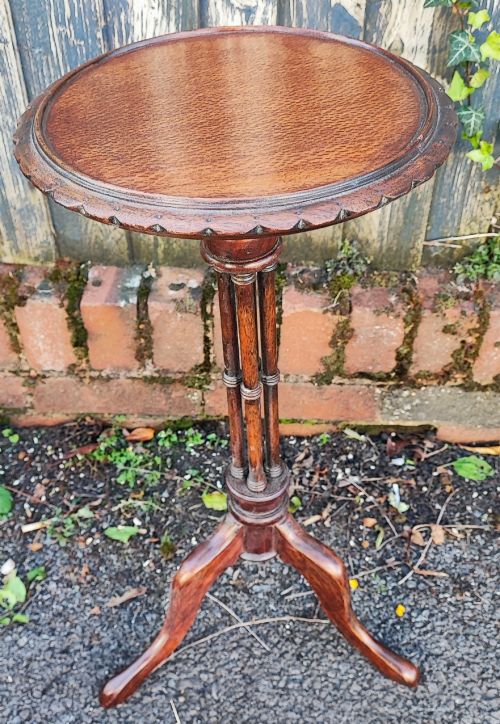
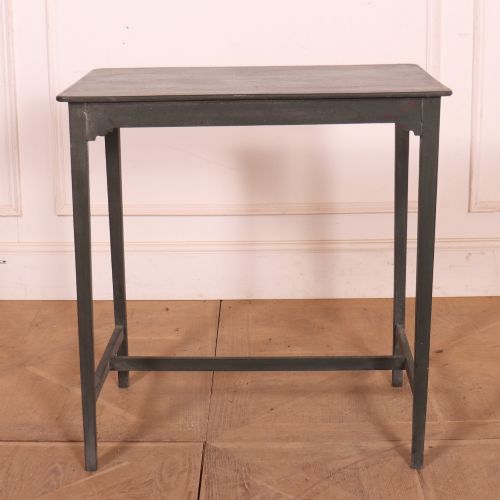

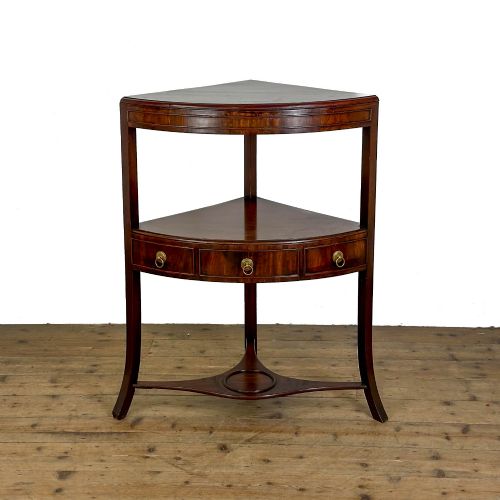
Georgian Style Plant Stands
Georgian style plant stands bring raised elegance to a room, holding green foliage and urns upon slender timber shafts.
Georgian Style Plant Stands
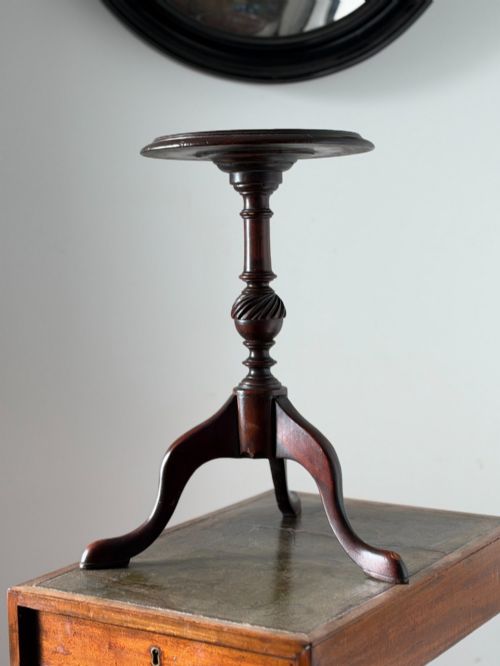
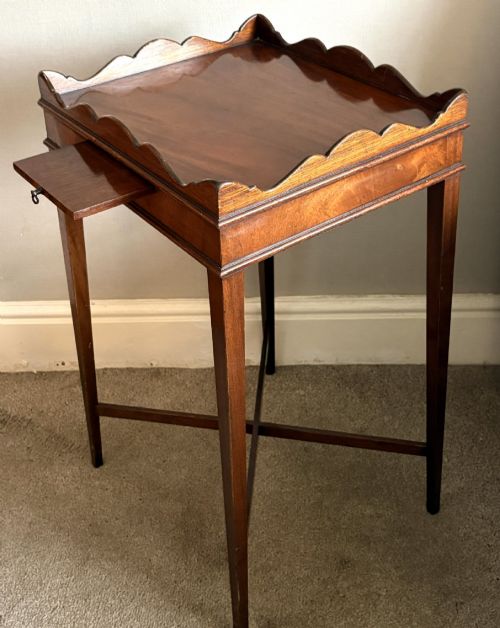
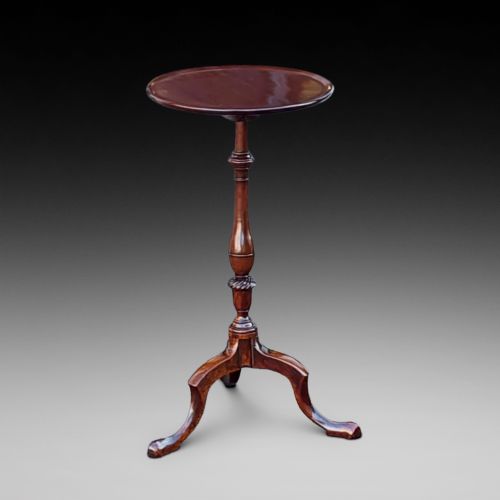
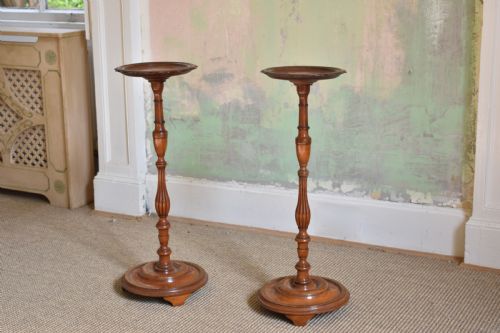
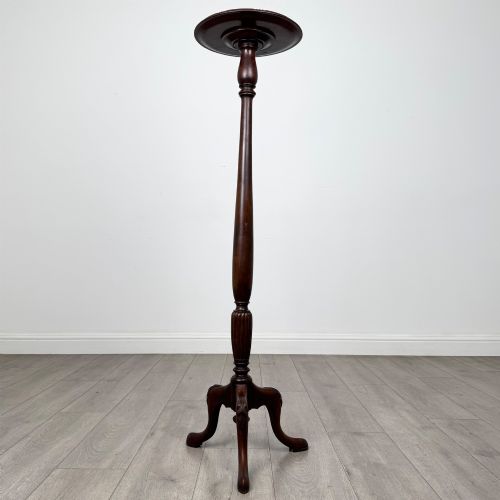
Georgian style plant stands elevate greenery and display pieces using tall, slender forms designed for corners and perimeters. The pieces gathered under this phrase include torcheres, urn stands, occasional tables, and pedestals.
Most examples found here date from the nineteenth century onwards, drawing on Georgian, Victorian, and Edwardian revivals rather than originating entirely in the eighteenth century. Makers utilised mahogany, walnut, oak, and painted wood to construct tripod bases and pillar supports.
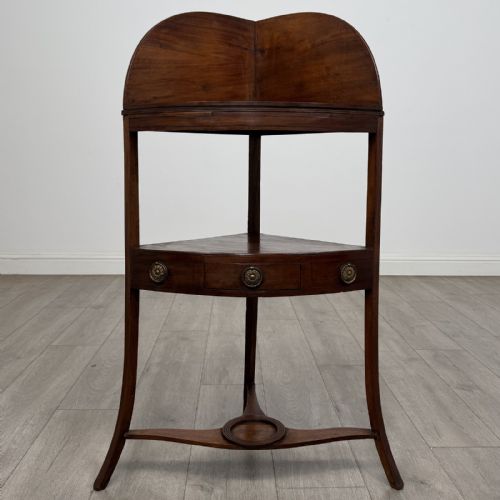
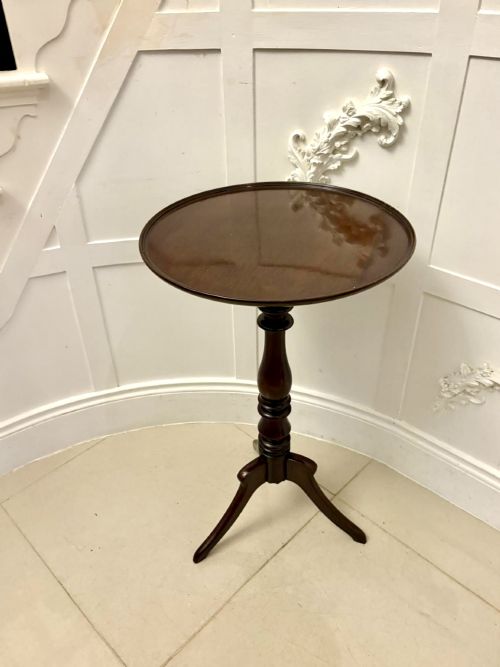
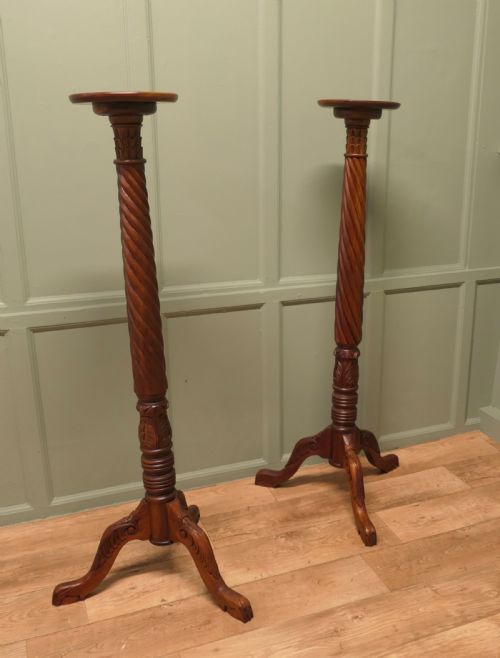
The forms range from simple round tops and corner washstands to carved columns and multi-tiered stands. Buyers encounter tripod wine tables and tall torchere stands frequently among these listings.
How they were made
Timber selection centres on mahogany, walnut, and oak, often turned into slender columns or shaped into tripod legs with carved knees. Cabinetmakers joined tops to pedestals using sturdy internal framing and pegs.
Surface ornamentation involves satinwood inlay, floral marquetry, raised galleries, and painted finishes alongside cast iron elements. Carved details adorn the knees and shafts of Victorian and Edwardian revivals.
Georgian Style Plant Stands Retail Price Guide 2026
Typical asking prices for georgian style plant stands among the pieces listed under this phrase on Sellingantiques today, from the lower quarter to the upper quarter. They describe what is for sale here now, not the wider market.
Some nineteenth-century makers built stands with hidden star-shaped tops, adding secret geometry beneath the plant pot.
What varies in quality
The crispness of the carved knees and the turning of the timber shaft distinguish finer work from simpler production. Superior examples display precise joinery at the tripod junction and well-figured grain across the tabletop.
Inlaid decoration and painted surfaces show varying degrees of hand skill, with tighter marquetry and cleaner lines marking the better specimens.
The Georgian Style Plant Stands Glossary
- Torchere
- A tall, slender stand designed to hold a light or a plant. These pieces feature a small top supported by a single pillar and tripod base.
- Tripod base
- A three-legged support system providing stability for small circular tables and plant stands. This configuration prevents rocking on uneven floors.
- Urn stand
- A small, elevated table originally made to support a tea urn or warming vessel. Their compact tops suit modern placement for small pots.
- Marquetry
- Decorative veneer work arranged in pictorial or floral patterns using contrasting woods. Craftsmen cut pieces precisely to form intricate surface designs.
- Gallery
- A raised wooden border running around the edge of a tabletop to prevent items from sliding off. These range from pierced fretwork to simple turned spindles.
Georgian Style Plant Stands: Frequently Asked Questions
Where should I place a plant stand?
These tall stands suit empty corners, narrow hallways, or beside seating where vertical height adds interest. Their small footprints allow them to fit into spaces unsuited for bulky furniture.
Ensure the floor is level so the narrow tripod base remains stable under heavy ceramic pots or urns.
Can these hold heavy plants?
Most antique stands suit moderate pot sizes, but stability depends on the base width and timber weight. Tripod designs distribute weight well if the legs are firmly joined.
Check the diameter of the top against your pot base to ensure secure footing without overhanging edges.
How do I identify a revival piece?
Revival pieces from the Victorian and Edwardian eras often show nineteenth or early twentieth-century construction methods beneath Georgian styling. Machine-cut elements and secondary woods help distinguish later interpretations from eighteenth-century originals.
Examine the timber shrinkage, screw types, and general wear patterns to gauge the true age of the stand.
What is the difference between a torchere and a wine table?
Torcheres are typically taller and narrower, designed originally to elevate lighting or display objects at eye level. Wine tables feature slightly broader, lower tops meant for holding glasses or cups beside a chair.
Both forms appear frequently in mahogany and walnut across the Victorian and Edwardian periods.