

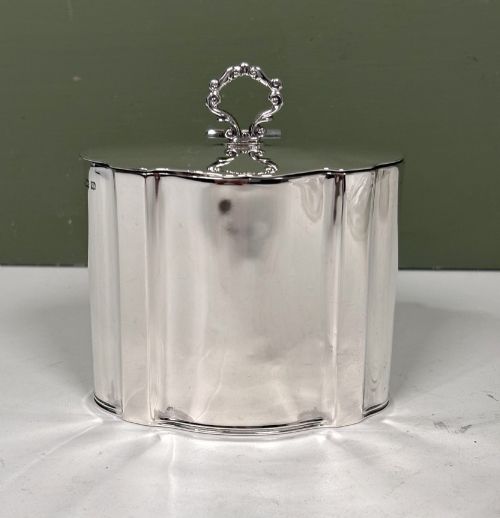
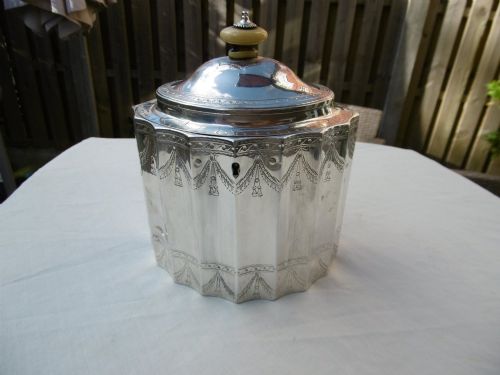
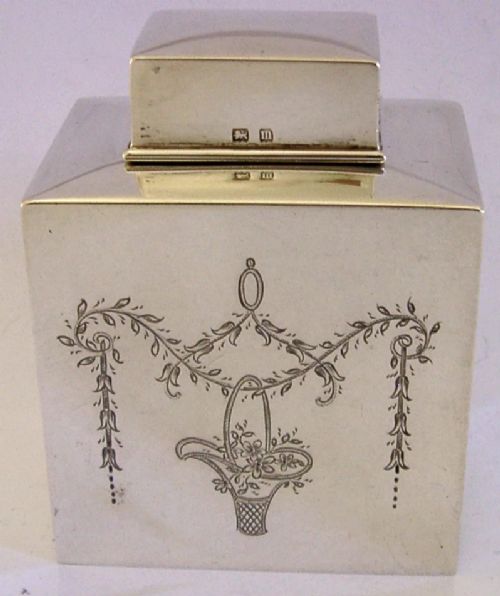
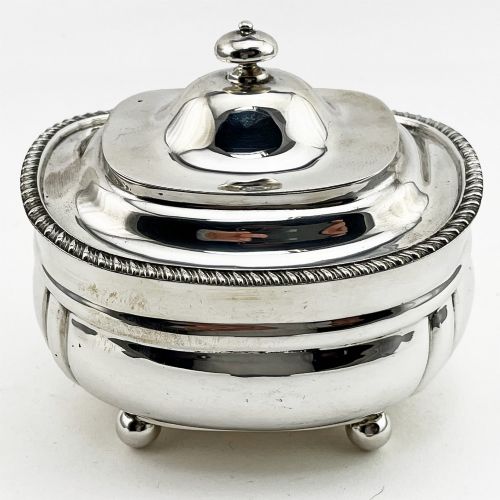


Georgian Sterling Tea Box
A georgian sterling tea box secures precious leaf behind silver walls, bringing tactile weight and period character to any interior.
Georgian Sterling Tea Box
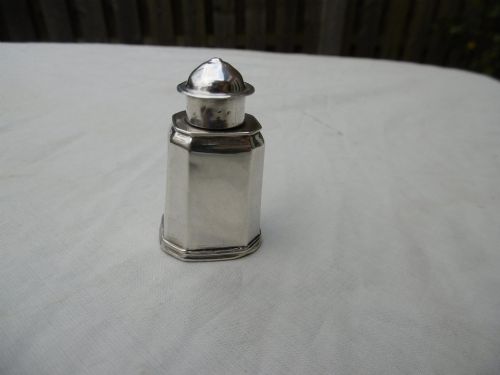
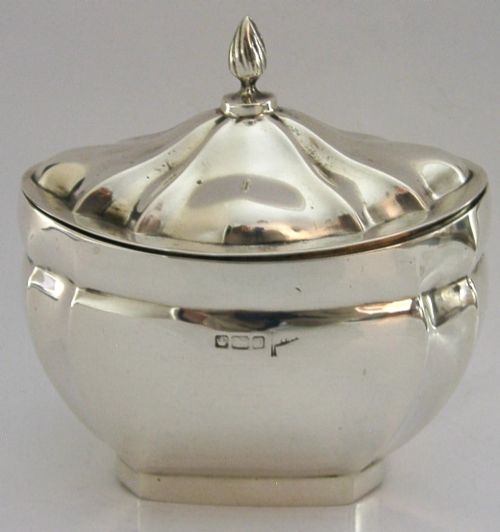
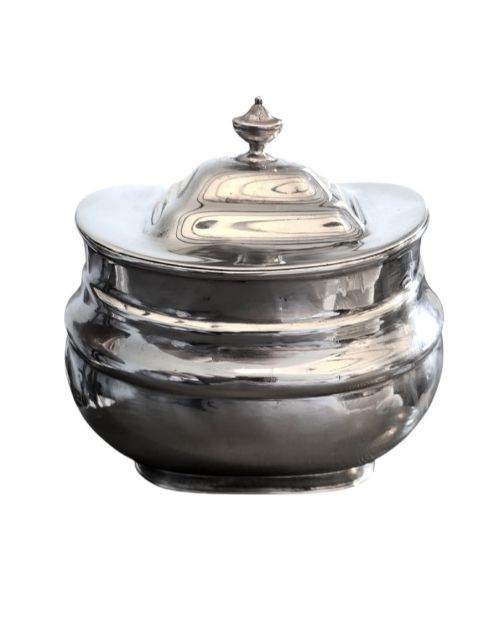
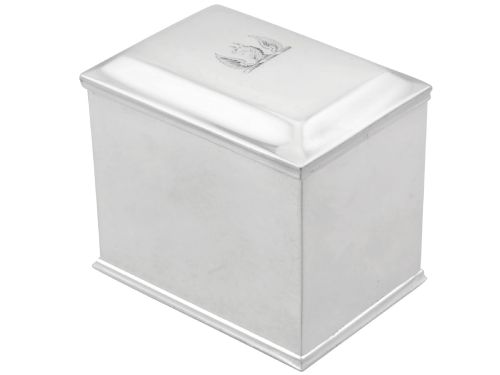
When searching for a georgian sterling tea box, collectors encounter refined receptacles designed to store and preserve dry tea leaves during the eighteenth and early nineteenth centuries. These items encompass distinct forms such as tea caddies and related boxes alongside associated teaspoons.
The selections span authentic eighteenth-century examples alongside later stylistic revivals from the Edwardian and George V eras. Pieces originate from periods including the Georgian era, 1750, 1800, 1910, 1920, and 1930, reflecting diverse manufacturing milestones.
Caddies and boxes form the core of the listings, occasionally accompanied by silver teaspoons and biscuit boxes. Most items present solid sterling silver construction, sometimes paired with interior or decorative elements of velvet, bone, ebonised wood, and satin.
How they were made
Makers shaped sterling silver and solid silver using traditional silversmithing techniques, often producing fluted bodies and structural forms characteristic of George III Rococo and Georgian Revival aesthetics. Surface decoration relied on hammering, raising, and chasing to achieve distinct profiles.
Interiors and supporting components frequently integrated contrasting materials such as velvet, bone, ebonised wood, and satin. These linings and accents provided both structural support and refined textural contrast to the exterior silver work.
Georgian Sterling Tea Box Retail Price Guide 2026
Typical asking prices for georgian sterling tea box among the pieces listed under this phrase on Sellingantiques today, from the lower quarter to the upper quarter. They describe what is for sale here now, not the wider market.
Tea was once so valuable that keys to these boxes remained strictly in the pocket of the mistress of the house.
What varies in quality
Distinctions in quality rest upon the crispness of silversmithing execution, particularly in the definition of fluting and decorative chasing across George III and later revival pieces. Weight and structural heft also differentiate standard utility items from more substantial vessels.
The integrity of secondary materials, including interior velvet, bone details, ebonised wood, and satin elements, influences the overall preservation of a piece. Hallmarks providing clear maker marks and dates add definitive documentary value to individual examples.
Robert Hennell·Zimmermann·P A W Bateman
The Georgian Sterling Tea Box Glossary
- Sterling Silver
- An alloy containing 92.5 percent silver by mass, representing the primary metallic standard for these boxes and caddies.
- Tea Caddy
- A vessel specifically constructed to store loose tea leaves, serving as the direct precursor to modern tea canisters.
- George III
- The historical period spanning the reign of King George III, noted here for exceptional silver caddies and rococo styling.
- Fluted
- Having parallel shallow grooves or channels carved or raised into the silver body for decorative effect.
- Hallmark
- An official stamp applied to silver items to guarantee purity, place of origin, and year of manufacture.
Georgian Sterling Tea Box: Frequently Asked Questions
What is a georgian sterling tea box used for?
These vessels originally served to store expensive tea leaves under lock and key during a period when tea was a highly prized commodity.
Today, they function as decorative objects on sideboards or mantelpieces, maintaining their historical charm in domestic settings.
How do I identify a George III piece?
Authentification relies primarily on examining the hallmarks stamped into the silver, which reveal the assay office, date letter, and maker's mark.
Stylistic indicators such as rococo detailing and fluted body construction also point toward the eighteenth-century manufacturing period.
What materials are found inside the boxes?
Interiors frequently feature linings of velvet or satin to protect the delicate contents and wooden frameworks.
Some examples incorporate bone or ebonised wood details for handles, escutcheons, or structural reinforcement.
Are Edwardian caddies considered authentic antiques?
Edwardian and George V items represent later stylistic revivals and early twentieth-century manufacturing rather than eighteenth-century production.
These pieces reflect historical revivals of earlier Georgian aesthetics while remaining collectible items in their own right.