



Georgian Sketch
A georgian sketch brings home the immediate hand of the past through intimate portraits, landscapes, and architectural studies.
Georgian Sketch
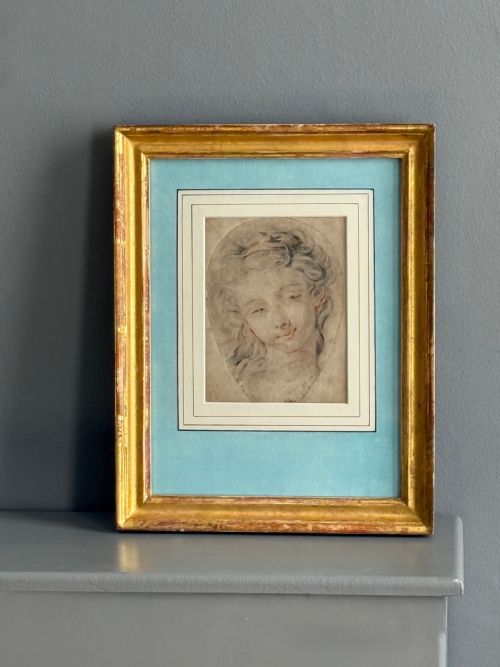
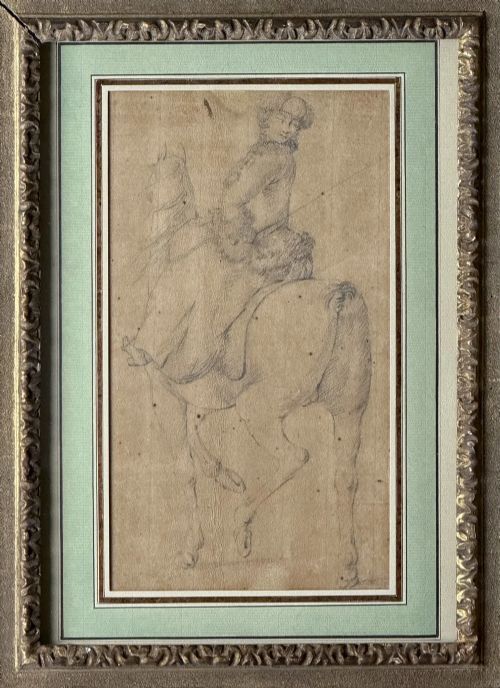
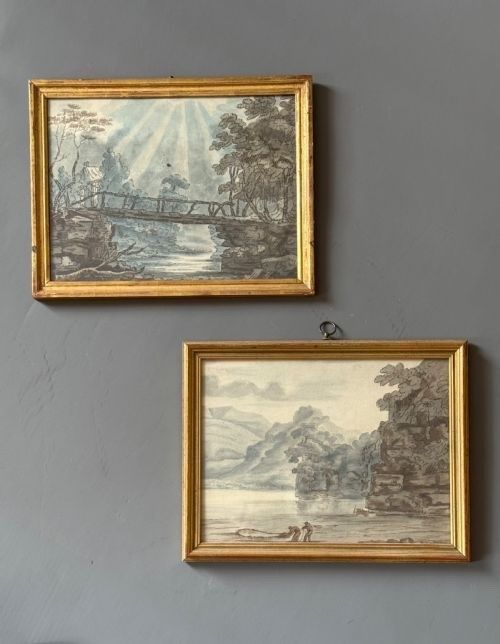
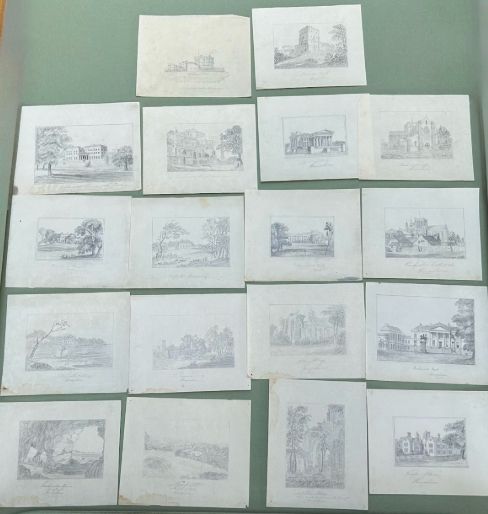
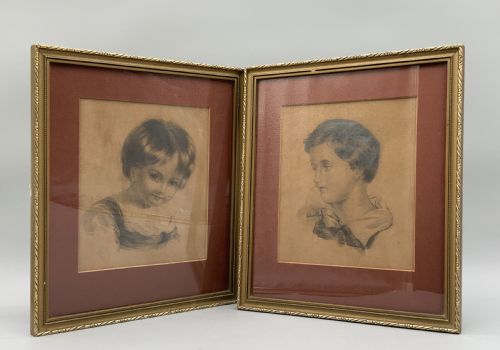
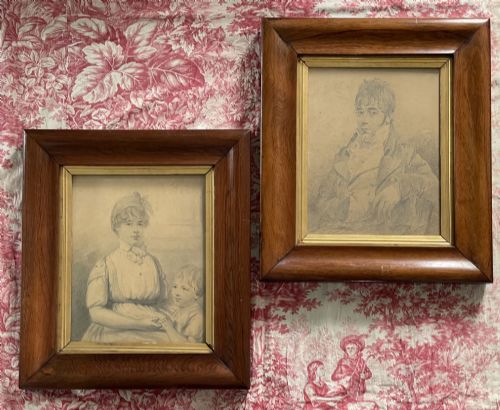
A georgian sketch captures immediate observations on paper through hand-drawn lines, washes, and watercolours. These works record landscapes, equestrian studies, and character portraits spanning the eighteenth century and the regency period.
Buyers encounter framed artworks, original drawings, and oil studies on paper that range from detailed architectural renderings to swift ink compositions. Many pieces retain their original frames, including giltwood and maple formats.
Materials and execution
Artists worked primarily with graphite, charcoal, pen and ink, and wash upon paper surfaces, sometimes applying watercolour highlights. Support materials include paper sheets, card, panels, and occasionally canvas or prepared grounds.
Framing often utilised carved wooden mouldings, gilt scroll mounts, and glazed enclosures designed to protect delicate media from light and atmospheric moisture.
Georgian Sketch Retail Price Guide 2026
Typical asking prices for georgian sketch among the pieces listed under this phrase on Sellingantiques today, from the lower quarter to the upper quarter. They describe what is for sale here now, not the wider market.
One portrait captures a mischievous George IV mistress alongside numerous stern lords and family friends.
Factors of distinction
Quality rests upon the sureness of the draughtsmanship, the clarity of line, and the artist's ability to capture expression or topography with economy. Skilled handling of ink wash and watercolour adds depth and atmospheric tone.
The preservation of the paper sheet and the survival of an original period frame contribute significantly to the standing of an individual work.
William Marshall Craig·Edward Dayes·James Ferguson·Richard Leech·Thomas Rowlandson·Sir Francis Leggatt Chantrey·Ozias Humphry·Peter Tillemans·George Richmond·Sir Nathaniel Dance-Holland·Henry Edridge·Sir William Charles Ross·Thomas Monro
The Georgian Sketch Glossary
- Plumbago
- A drawing executed in graphite or lead pencil, taking its name from the Latin word for lead ore. These detailed monochrome works were especially popular for portrait miniatures.
- Wash
- A diluted layer of ink or watercolour applied with a brush to create tonal shadow and depth behind pen lines. It provides volume and atmosphere in topographical and landscape drawings.
- Giltwood
- Wood carved and coated with gold leaf, frequently utilised for decorative antique frames during the eighteenth and nineteenth centuries.
- Regency
- The period from 1811 to 1820, defined by distinctive neoclassical aesthetics in British art, architecture, and portraiture. Sketches from this era often feature refined linear precision.
Georgian Sketch: Frequently Asked Questions
What defines a georgian sketch?
These works are original drawings and watercolours created during the eighteenth and early nineteenth centuries. They record landscapes, portraits, and studies made directly on paper.
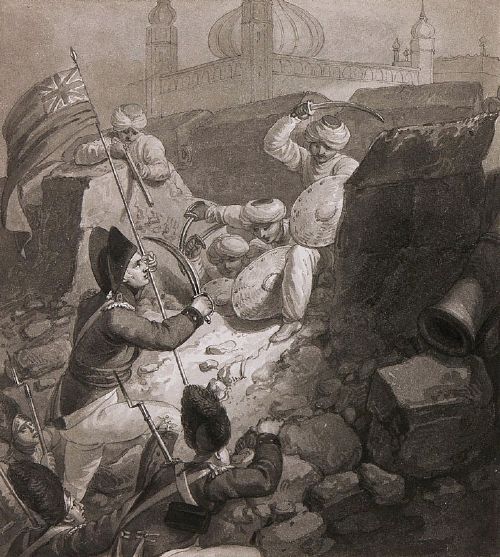
Subjects range from family portraits and architectural studies to sweeping countryside views and military scenes executed in ink, pencil, and wash.
How were these drawings displayed originally?
Drawings were often kept within bound albums or portfolio collections rather than hung permanently on walls. Wealthy owners stored them for private study and polite entertainment.
Framed examples usually date to the period of creation or later Victorian re-framing, utilising carved wood or gilt scroll mounts to protect the paper.
How do I care for antique paper art?
Protect works on paper from direct sunlight and high humidity to prevent fading and foxing spots. Acid-free backing materials ensure long-term preservation inside the frame.
Keep pieces in stable indoor environments away from direct heat sources to maintain the integrity of both the paper and the original frame.
How can I tell the period of a drawing?
Stylistic clues include costume details, hairstyles, framing materials, and handwriting on the reverse or mount. Portrait sitters often wear clothing typical of the late eighteenth or regency eras.
Paper characteristics, watermarks, and framing methods provide further physical evidence for dating an unsigned study.