





Georgian Silver Pedestal
A Georgian silver pedestal holds the eye with its disciplined proportions and gleaming metal, bringing the refined taste of the eighteenth century straight to the table.
Georgian Silver Pedestal
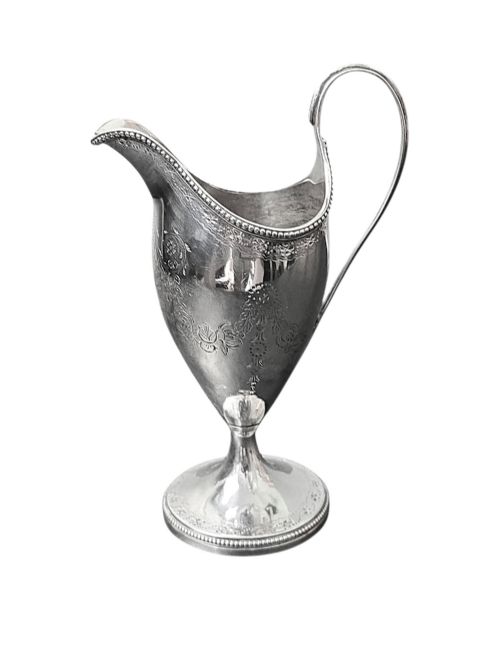
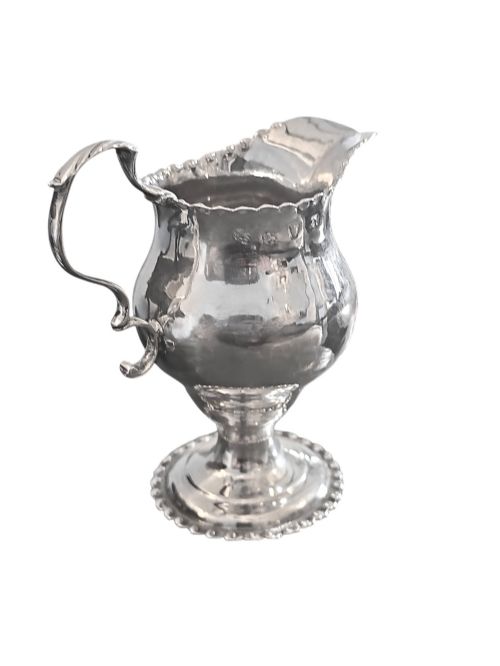
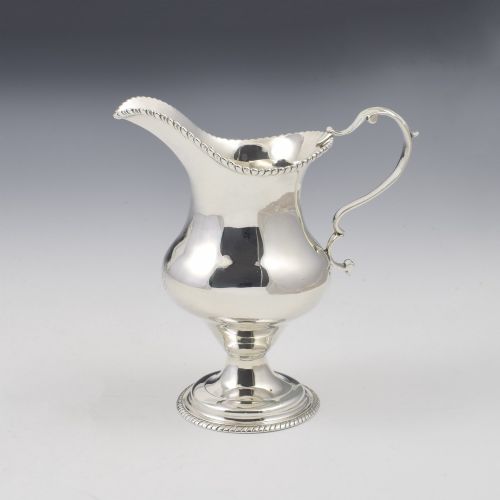
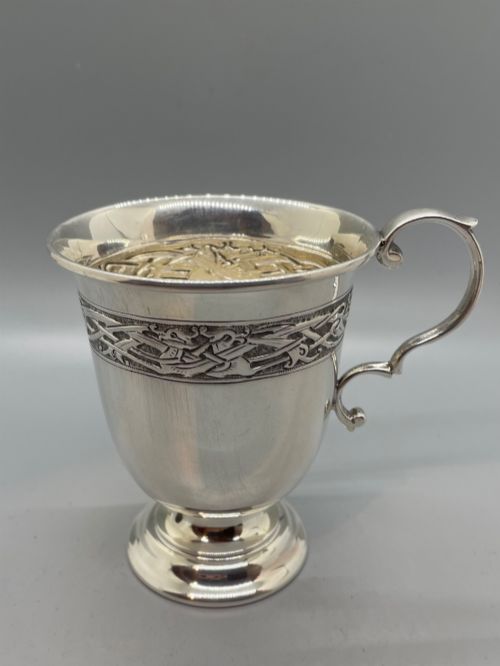
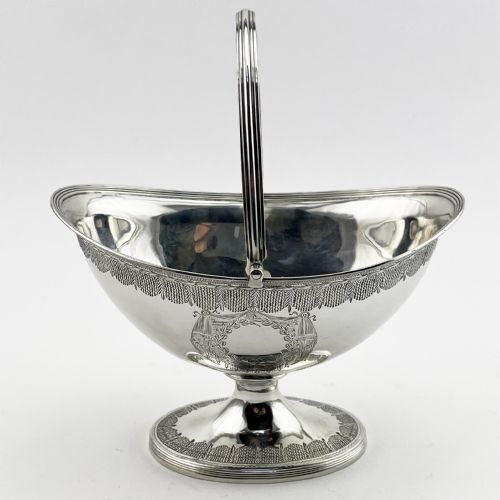
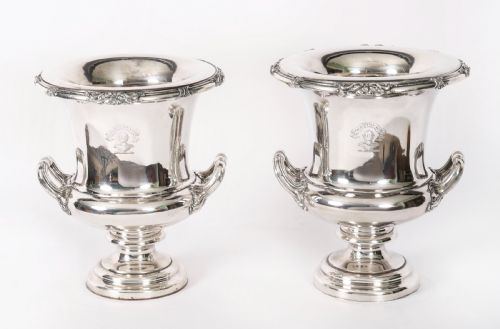
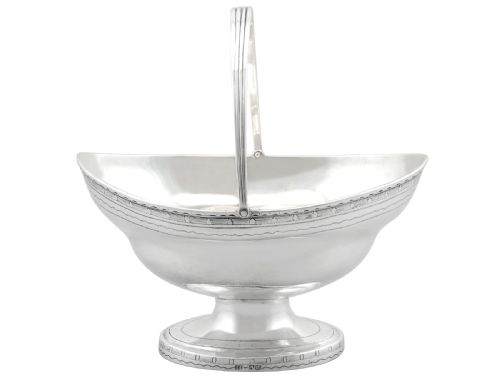
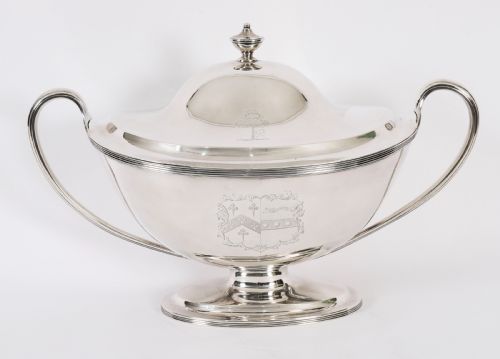
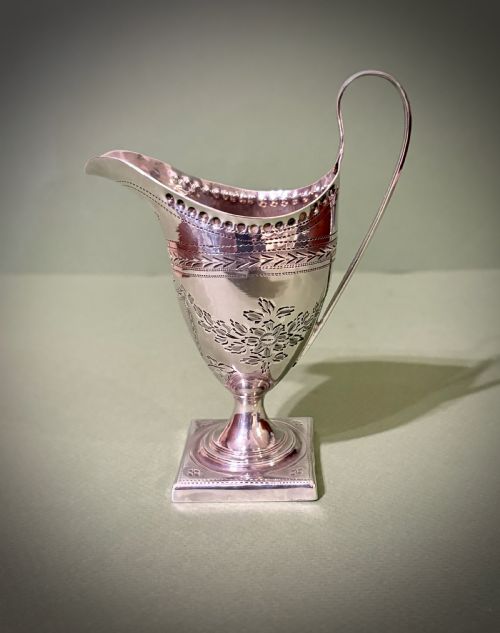
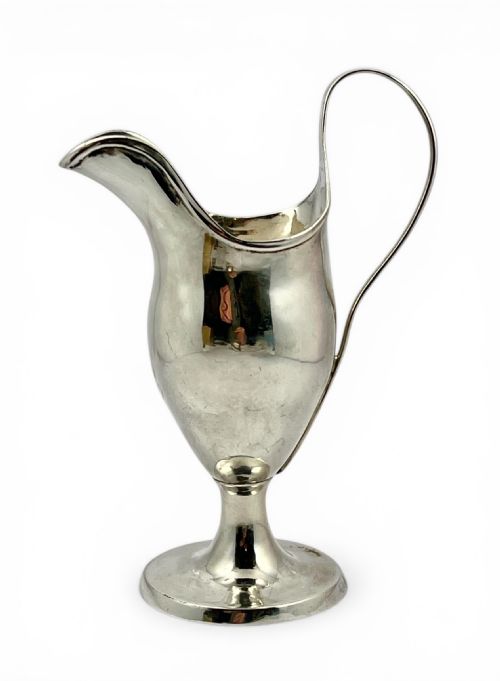
A georgian silver pedestal takes many distinct shapes across the listings, appearing most frequently as cream jugs, sugar baskets, wine coolers, and tureens. These vessels span the eighteenth and nineteenth centuries, alongside later revivals from the Edwardian era and the reign of George V.
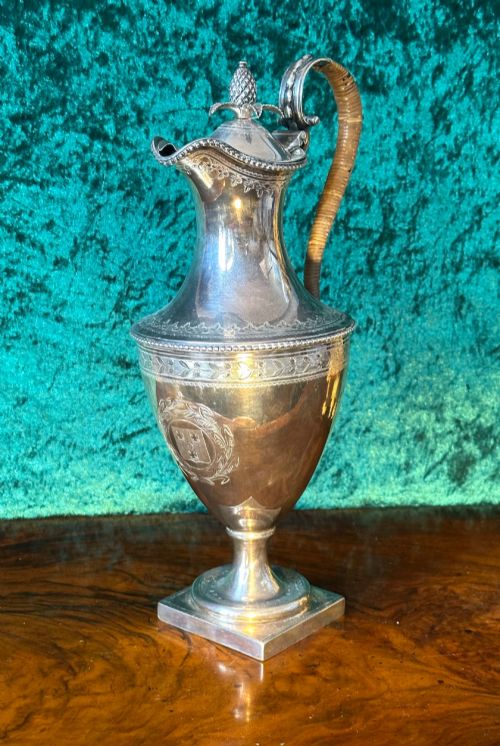
Makers fashioned these raised forms for dining and hospitality, utilising pedestal bases to elevate ewers, salt cellars, sauce boats, and tea urns. Pieces often display specific regional characteristics, originating from London, Newcastle, Scotland, and Ireland.
Buyers encounter both solid sterling silver and Old Sheffield plate variations. The selection encompasses matching pairs of salt boats and wine coolers alongside singular display pieces and goblets.
Materials and Construction
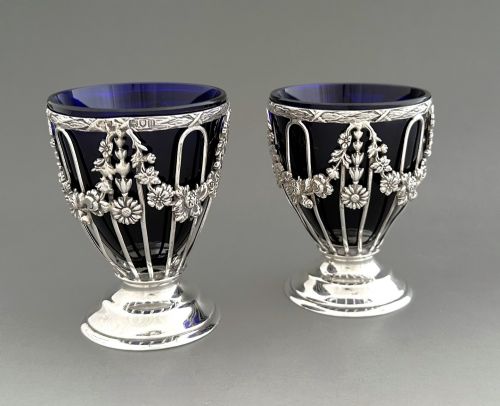
Silversmiths constructed these items primarily from solid sterling silver or Old Sheffield plate, occasionally incorporating copper beneath plated surfaces. Interior elements sometimes feature gilt washing or fitted cobalt glass liners.
Craftsmen shaped the metal through hammering, casting, and wirework techniques. Details such as bright cut engraving and handles were soldered or applied by hand.
Georgian Silver Pedestal Retail Price Guide 2026
Typical asking prices for georgian silver pedestal among the pieces listed under this phrase on Sellingantiques today, from the lower quarter to the upper quarter. They describe what is for sale here now, not the wider market.
Several sugar baskets come equipped with bright cobalt glass liners, adding a flash of vivid blue beneath pierced silver wirework.
Assessing Quality
The standard of a piece rests upon the crispness of its chased or engraved decoration and the integrity of the pedestal foot. Sharpness in bright cut work and balanced proportions distinguish finer examples from simpler output.
Makers' marks and town hallmarks provide clear evidence of origin and accountability. The preservation of original gilding on interior surfaces and the weight of the metal further determine the grade of the object.
Stalker & Mitchison·Henry Chawner·James Gordon·James Welch·John Scofield·Robert Pringle & Sons·William Bennett
The Georgian Silver Pedestal Glossary
- Sterling silver
- A silver alloy containing 92.5 percent pure silver by mass, with the remainder composed of copper or other metals. This standard has served as the baseline for British plate for centuries.
- Old Sheffield plate
- An early fused plating technique where a thin sheet of sterling silver is fused to a thicker copper base. Pieces made this way show a thin sliver of copper at exposed edges.
- Bright cut engraving
- A surface decoration technique utilising faceted cuts made with a sharp graving tool to catch the light. It creates a sparkling geometric or floral pattern across the silver.
- Gilt interior
- A thin layer of gold applied to the inside of a silver vessel, such as a cream jug or pedestal dish. This protected the silver from the corrosive effects of acidic foods.
- Pedestal base
- A raised foot or stem that elevates the main body of a vessel above the surface. It provides vertical emphasis and architectural balance to hollowware.
Georgian Silver Pedestal: Frequently Asked Questions
What was a silver pedestal used for?
These elevated vessels served functional roles in formal dining and tea service. They held sugar, cream, wine, or sauces, raising the contents above the table for easier serving.
The raised design added a distinct decorative presence to the dining room, reflecting the neoclassical tastes of the period.
How do I care for antique silver?
Regular, gentle dusting and occasional cleaning with a specialist silver polish preserve the surface without wearing away the metal or hallmarks. Avoid harsh abrasive cloths that scratch the antique finish.
Storing pieces in a dry environment away from direct sunlight prevents rapid tarnishing and protects any original glass liners.
Are these pieces made of solid silver?
The listings include both solid sterling silver items bearing full hallmarks and silver plated examples, notably Old Sheffield plate over copper. Descriptions specify the exact material used for each individual piece.
Plate and sterling silver require similar visual care, though plated items demand attention to ensure the base metal does not show through from heavy polishing.
How can I tell the period?
Hallmarks stamped directly onto the metal reveal the assay office, the year of manufacture, and the maker's mark. These tiny stamped symbols provide the most reliable dating evidence.
Stylistic cues, such as neoclassical urn shapes or bright cut engraving, also point toward specific decades within the Georgian and later eras.