

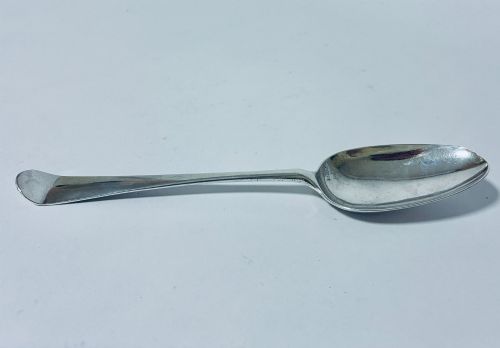
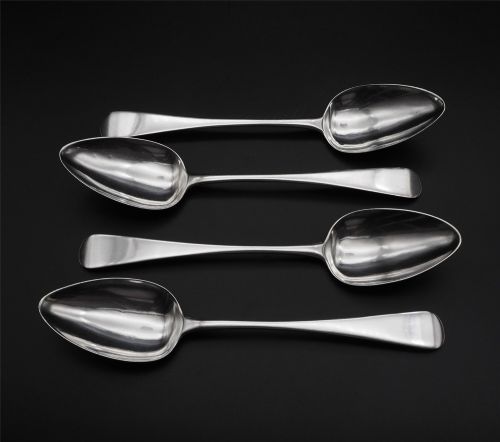
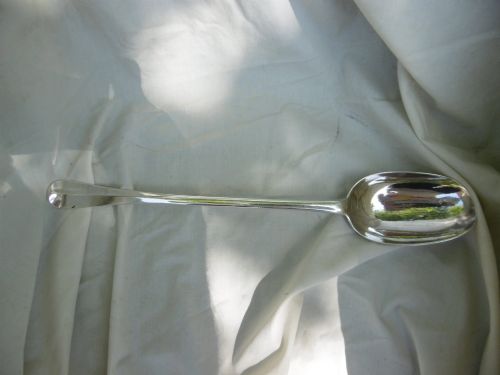
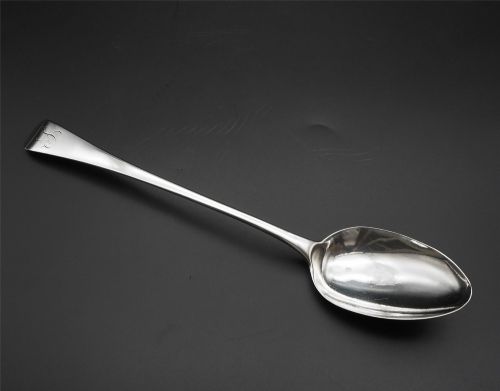





Georgian Serving Utensil
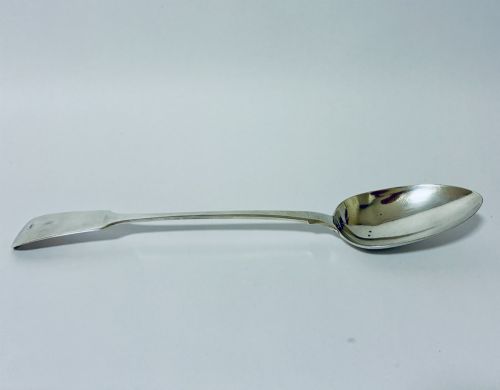
A georgian serving utensil brings silver, pewter, horn and beechwood to the table with the solid weight and generous scale of the eighteenth and nineteenth centuries.
Georgian Serving Utensil
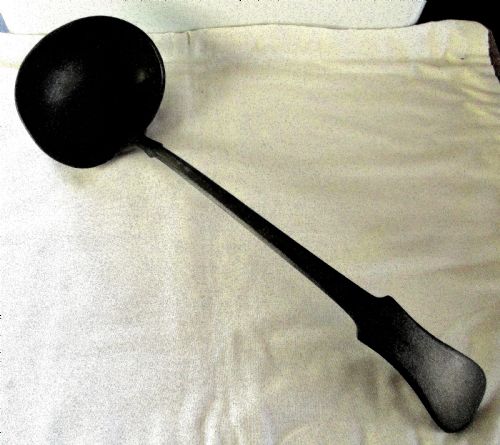
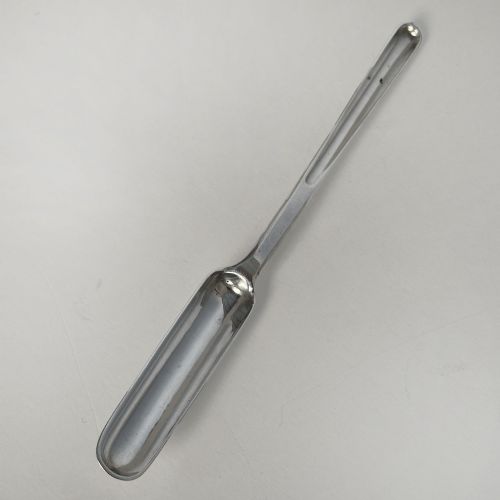
A georgian serving utensil encompasses large spoons, basting spoons, hash spoons, ladles, fish slices, cheese and stilton scoops, sugar tongs, salad servers and strainer spoons. These pieces meet specific culinary tasks at the table, running from deep soup bowls to cheese courses.
The selections span the eighteenth century and the reigns of George I, George II, George III, George IV and William IV, alongside later Edwardian matches. Most examples encountered here are sterling silver, though pewter, beechwood and horn appear in domestic forms.
Makers stamp their work with regional British hallmarks, showing origins from London, Ireland, Wales and Scotland. These implements were made to serve food directly from communal dishes to individual plates during large dinners.
Materials and Construction
Sterling silver dominates the selection, shaped into forms like Old English and Fiddle patterns, sometimes featuring parcel gilt finishes or engraved crests. Pewter and horn offer alternative domestic textures for ladles and large spoons.
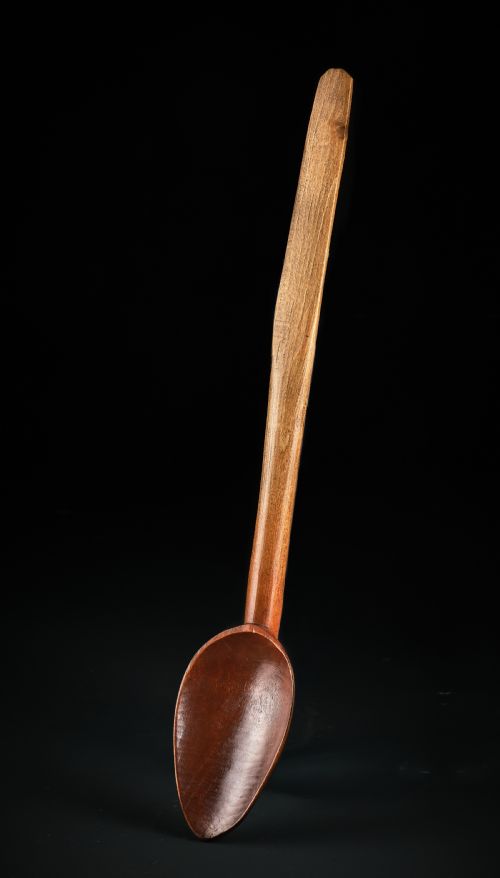
Woodworking appears in turned beechwood basting spoons, showing domestic craft alongside urban silversmithing. Hallmarks hammered into the metal record the assay office, date letter and maker's mark.
Georgian Serving Utensil Retail Price Guide 2026
Typical asking prices for georgian serving utensil among the pieces listed under this phrase on Sellingantiques today, from the lower quarter to the upper quarter. They describe what is for sale here now, not the wider market.
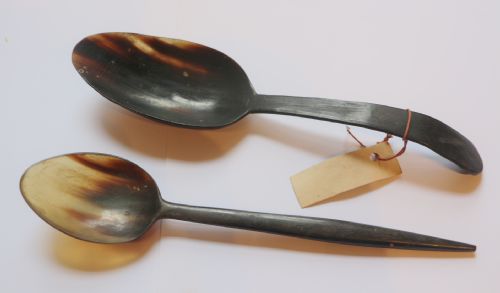
A pair of Welsh horn spoons brings late Georgian rustic texture straight to the silver-heavy table.
Assessing the Pieces
Quality rests on the crispness of the hallmarks, the retention of original bowl shape without excessive thinning from polishing, and the clarity of any engraved crests or berry chasing. Heavy gauge silver provides a substantial hand feel in basting and hash spoons.
The integrity of the material, whether smooth horn, unwarped beechwood, or heavy sterling silver, separates everyday domestic wares from master silversmith output by named makers.
Andrew Archer·Dixon & Son·Jonathan Hayne·Hester Bateman·Wilkes Booth
The Georgian Serving Utensil Glossary
- Basting spoon
- A large spoon designed for pouring pan juices over meat during roasting or serving large portions at the table. These often measure well over thirty centimetres in length.
- Fish slice
- A flat, pierced or engraved blade with a handle, used for serving fish portions cleanly from a platter. They appear in sterling silver with varied piercing designs.
- Hash spoon
- An exceptionally large spoon intended for serving thick meat stews and hashes from a central bowl. Examples date back to the early eighteenth century.
- Stilton scoop
- A specialised utensil with a semi-cylindrical blade designed for cutting and serving hard cheeses like Stilton. They feature long handles of sterling silver.
- Berry spoon
- A serving spoon chased or embossed with fruit and foliage, often decorated during a later period upon earlier blanks. They are typically found in pairs.
Georgian Serving Utensil: Frequently Asked Questions
How do I identify a basting spoon?
A basting spoon measures significantly longer than a standard tablespoon, usually exceeding thirty centimetres to reach deep roasting pans.
They carry heavy gauge metal to withstand kitchen heat and frequent use at the dining table.
What is a fish slice used for?
A fish slice lifts delicate fish portions from a serving platter without breaking the flesh.
The broad, often pierced blade allows juices to drain away as the food is transferred.
How should I clean silver serving pieces?
Wash silver utensils gently in warm, soapy water and dry them immediately with a soft cloth to protect the surface.
Avoid abrasive dips that strip away the fine patination accumulated over centuries of use.
Can I use these utensils for dining?
These utensils function well for modern dinner parties, bringing historic weight and tactile presence to table service.
Hand washing preserves the integrity of antique silver, horn, and beechwood.