


Georgian Serving Stand
A georgian serving stand brings practical elegance to dining rooms, offering tiered mahogany surfaces or folding trays designed for effortless hospitality.
Georgian Serving Stand
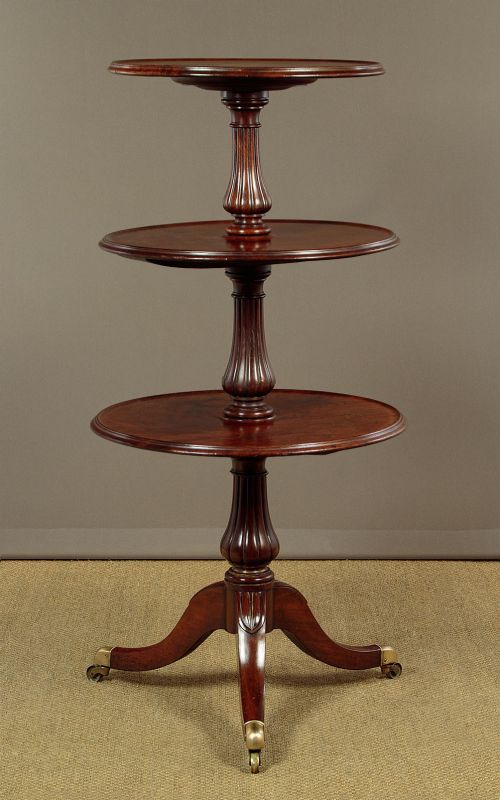
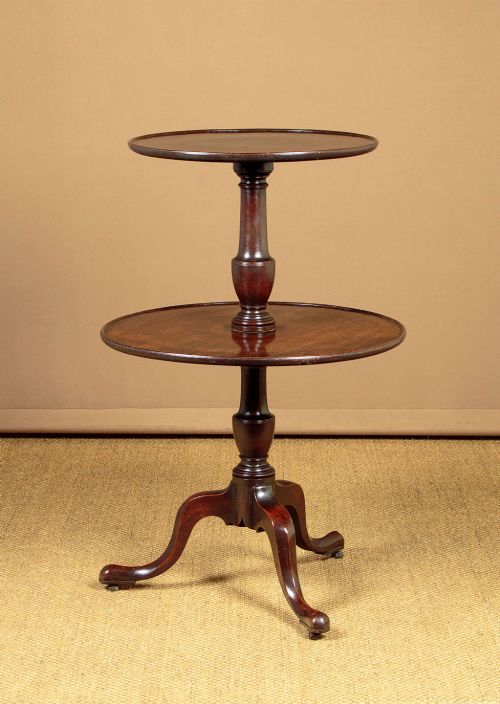
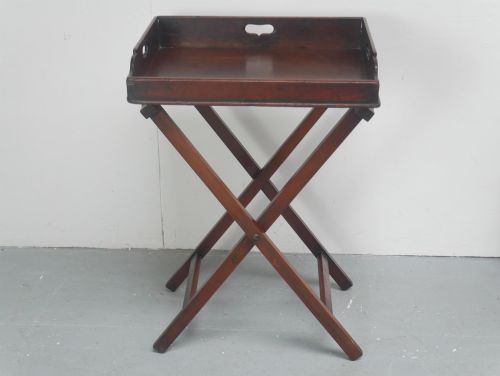
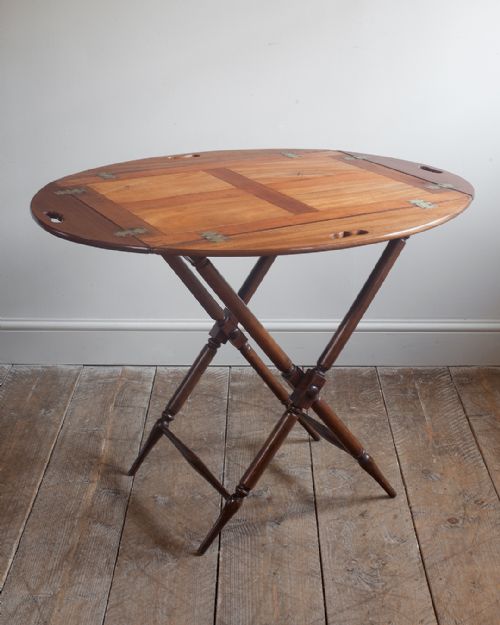
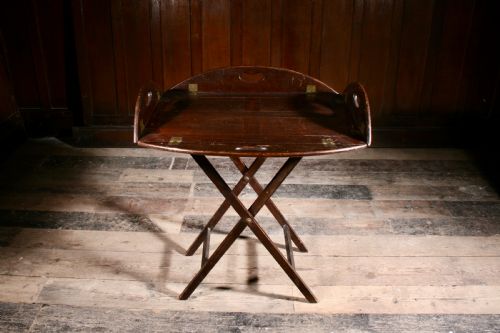
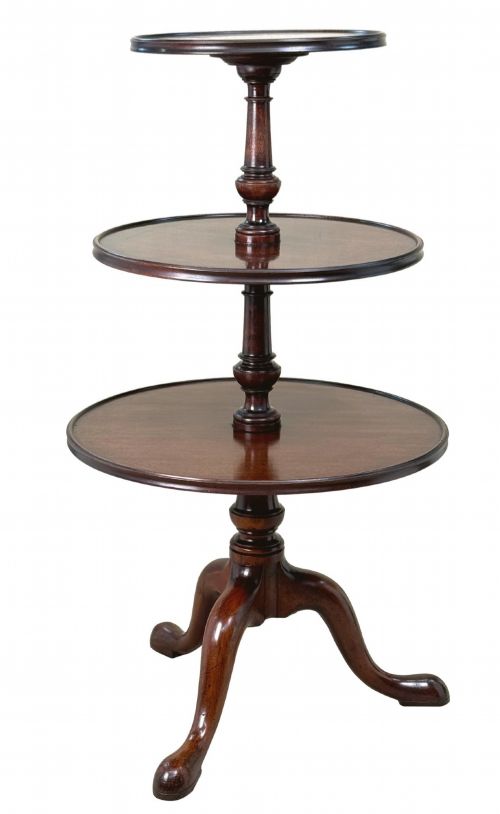
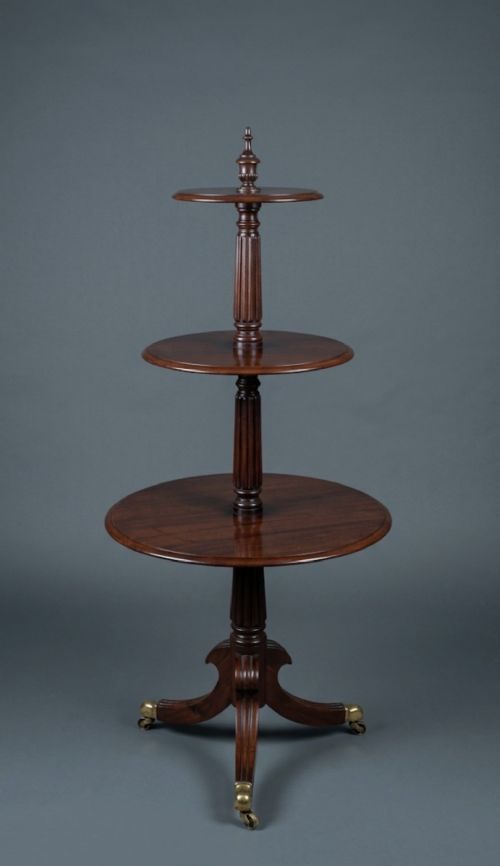
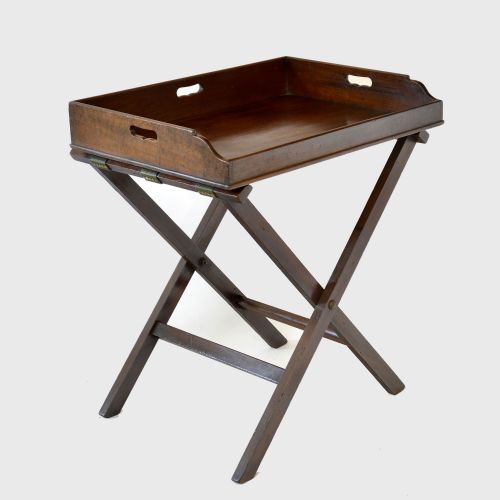
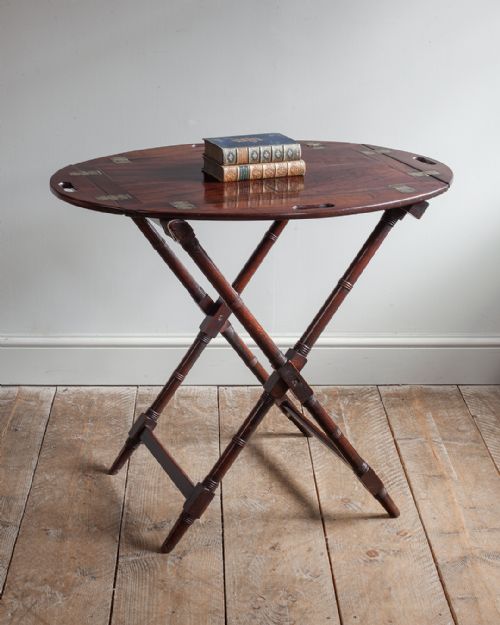
A georgian serving stand encompasses multi-tiered dumb waiters, revolving tier tables, and folding butler trays raised on dedicated stands. These items served dining and entertaining functions in period homes, allowing food and drink to be managed without constant servant attendance.
The dominant forms on this page include two and three-tier dumb waiters alongside butler trays on folding or fixed stands, spanning the 18th century, Georgian era, and Regency period. Occasional tables and side tables also appear, constructed primarily from mahogany.
Originating largely from English workshops, these serving pieces reflect the changing domestic habits of the Georgian period through thoughtful joinery and adaptable designs. Many pieces demonstrate modular qualities, such as drop-leaf tiers or removable trays.
Materials and Construction
Makers relied heavily on solid and veneered mahogany, alongside subsidiary timbers like oak, to build robust frames capable of holding heavy porcelain and silver. Brass castors, hinges, and pivoting mechanisms frequently support the movement of revolving tiers and folding frames.
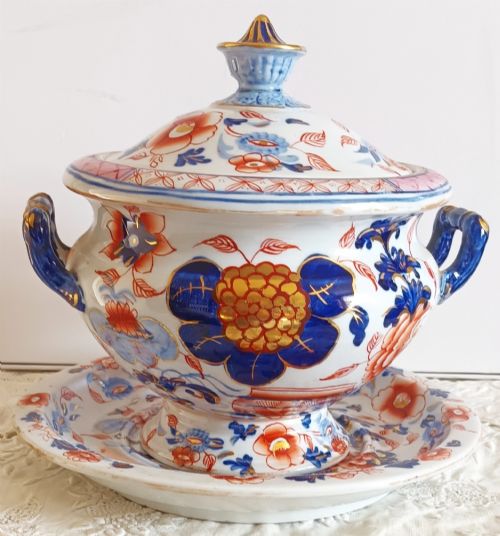
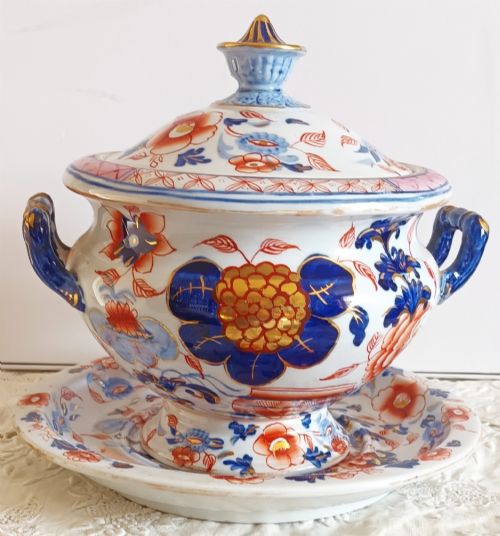
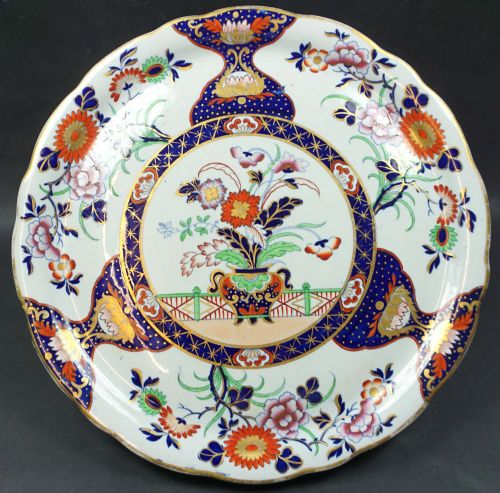
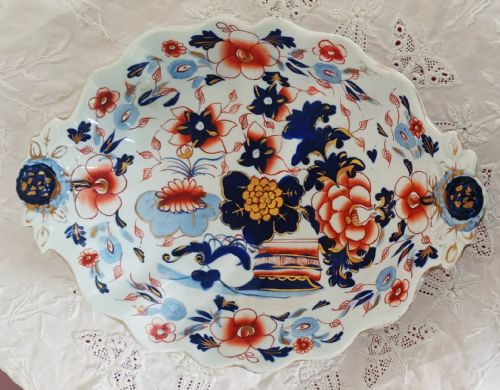
Ceramic and earthenware elements, including ironstone china and pearlware, appear in related serving dishes and cheese plates featuring hand-coloured glazes. Joinery methods prioritise stability in multi-tiered structures, utilising turned central columns and tripod or pillar bases.
Georgian Serving Stand Retail Price Guide 2026
Typical asking prices for georgian serving stand among the pieces listed under this phrase on Sellingantiques today, from the lower quarter to the upper quarter. They describe what is for sale here now, not the wider market.
Listings feature mahogany, oak, brass, earthenware, and pearlware across pieces spanning the 18th century to the 1920s.
Judgements of Quality
Quality rests upon the selection of timber figures, such as Cuban mahogany or pollard oak, and the crispness of turned wood components. Well-executed pivot mechanisms and finely fitted drop-leaf hinges distinguish superior pieces from standard utility items.
Proportion and balance dictate the architectural success of tiered dumb waiters and butler trays, where slender columns must support heavy loaded tiers without listing. The refinement of edge mouldings and the retention of original brass hardware elevate the standing of any given example.
Hicks and Meigh·Gillows
The Georgian Serving Stand Glossary
- Dumb Waiter
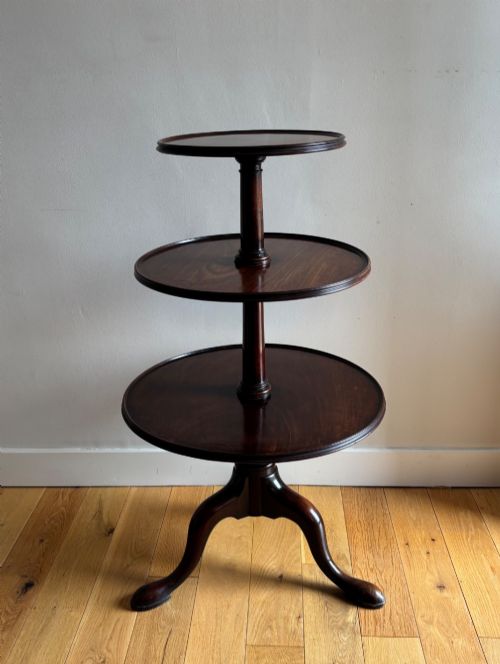
- A tiered stand used in dining rooms for holding dishes and utensils without domestic staff present. These typically feature two or three graduating circular tiers on a central pillar.
- Butler Tray
- A shallow wooden tray with handles, often featuring hinged sides, designed to rest upon a folding X-frame stand. They facilitated the transport of tea or wine.
- Pearlware
- A fine earthenware developed in the late 18th century featuring a pale blueish glaze pooled in crevices. It provides a bright white ground for painted or printed blue and white designs.
- Ironstone China
- A durable type of heavy ceramic patented in the early 19th century to resist chipping during daily service. It frequently displays bold japan patterns or transfer-printed motifs.
- Lazy Susan
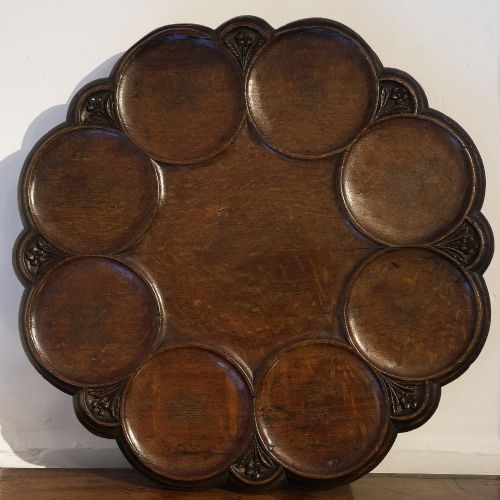
- A revolving tray placed on a table to assist in moving food easily between diners. Early 19th-century examples are constructed from oak or mahogany.
Georgian Serving Stand: Frequently Asked Questions
What is a dumb waiter?
A dumb waiter is a multi-tiered freestanding wooden table used during meals to hold serving dishes, decanters, and glassware. The tiers often revolve around a central turned column to allow easy access from all sides.
These pieces were positioned beside dining tables so diners could help themselves without servants present. They reflect the shifting domestic routines of Georgian dining.
How do butler trays attach to stands?
Butler trays feature a flat rectangular base with raised sides and carrying handles that simply lift off their supporting frame. The stands are usually folding X-frames made of wood, allowing the entire unit to be stored away when not in use.
This portable design allowed servants to carry prepared trays from the kitchen directly to the dining room or parlour before mounting them on the stand.
What woods were used for serving stands?
Mahogany is the primary timber found in these serving stands, valued for its rich grain, strength, and deep warm colour. Cuban mahogany and pollard oak also appear in specific Regency and 19th-century examples.
Secondary timbers such as oak or pine were occasionally utilised for internal framing or drawer linings where hidden from view. Timber choice directly reflects the date and status of the piece.
How do I date a serving stand?
Dating relies on stylistic clues, timber characteristics, and construction methods such as dovetailing and turning styles. Pieces attributed to the George III period often showcase clean classical proportions and tripod cabriole or peg-foot bases.
Regency and 19th-century iterations introduce bolder turned columns, pollard oak veneers, and more robust brass fittings. Comparing the mechanism of revolving tiers or folding stands helps narrow the decade of manufacture.