



Georgian Seated Portrait
A georgian seated portrait captures an individual at rest, offering a direct window into past lives through oil, pastel, or silhouette.
Georgian Seated Portrait
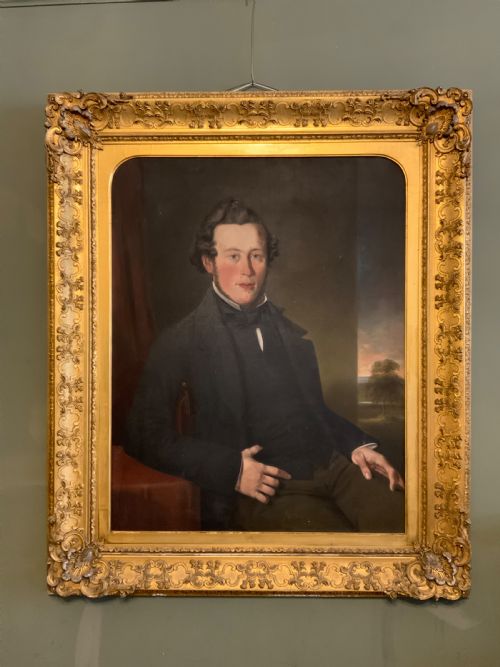
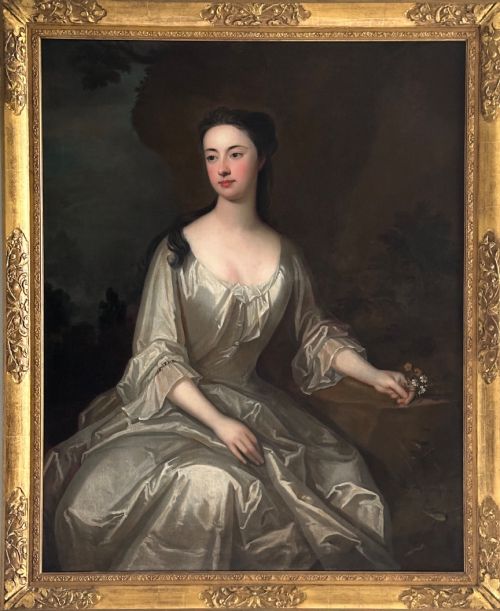
A georgian seated portrait depicts subjects captured in interior spaces or natural landscapes, often posed at desks, spinets, or tables. These works capture figures from gentlefolk to known historical figures seated quietly in domestic settings.
The selections span the eighteenth and nineteenth centuries, encompassing Regency and Victorian interpretations alongside Georgian originals. Most examples appear as oil paintings on canvas, accompanied by pastel works and silhouettes.
Subjects range from individual gentlemen and ladies to family groups with children. Artists record specific details such as coral necklaces, blue bonnets, and maps to anchor the sitters in their contemporary world.
Assessing Quality and Execution
Skill in handling the sitter's expression and anatomy distinguishes finer works from simpler studio output. The convincing rendering of hands, fabrics, and surrounding domestic objects reveals the hand of a more accomplished artist.
Condition of the canvas, pigment stability, and the originality of the frame influence the overall integrity of the piece. Works retaining their untouched surfaces and period framing carry greater historical presence.
Georgian Seated Portrait Retail Price Guide 2026
Typical asking prices for georgian seated portrait among the pieces listed under this phrase on Sellingantiques today, from the lower quarter to the upper quarter. They describe what is for sale here now, not the wider market.
Listings feature oil paintings, pastels, and silhouettes framed in gilded wood, spanning the eighteenth and nineteenth centuries.
Adriana Verelst·Smith of London·John Raphael Smith·William Owen·Ramsay Richard Reinagle·Francis Alleyne·Stephen Taylor·John Russell·Joseph Clover
The Georgian Seated Portrait Glossary
- Oil on Canvas
- A traditional painting medium using pigments bound in a drying oil, applied to a woven fabric support stretched across a wooden frame.
- Pastel
- A dry painting medium consisting of powdered pigment and a binder, worked onto paper to create soft, velvety colour transitions.
- Silhouette
- A portrait profile cut from dark paper or painted, often highlighted with gold leaf and displayed behind glass.
- Giltwood
- Wood carved and coated with a thin layer of gold leaf or metallic powder, used extensively for framing period artworks.
- Portrait Miniature
- A small, highly detailed painting, frequently created during the Georgian and Victorian eras on materials such as ivory or paper.
Georgian Seated Portrait: Frequently Asked Questions
What is a georgian seated portrait?
A georgian seated portrait is an artwork depicting a person sitting down, painted or drawn during the eighteenth or early nineteenth century. These pieces record the likenesses of individuals in formal attire, often surrounded by personal items.
Such works serve as historical records of dress, posture, and interior decor from the period. They range from large oil paintings to intimate pastel studies.
Where were these portraits hung?
Historically, these portraits hung in the reception rooms, parlours, and libraries of country houses and town residences. They projected family lineage and social standing to visitors.
In modern homes, they function well in living rooms or studies against neutral walls. Their subdued tones complement both traditional and contemporary interiors.
How do I identify the period?
Period identification relies on stylistic clues such as the sitter's clothing, hairstyle, and framing techniques. Regency pieces often show specific tailoring styles, while eighteenth-century works display distinct Rococo or early neoclassical framing.
Artists' signatures and biographical dates of the sitters provide additional chronological markers. Comparing the canvas preparation and stretcher construction helps confirm the era.
How should I care for an antique painting?
Antique oil paintings and pastels require stable indoor environments away from direct sunlight and excessive humidity. Consistent temperatures prevent the canvas and wooden frames from warping or cracking.
Dusting should be done gently with a soft, dry brush, avoiding any chemical cleaners or moisture. Professional conservators should handle any structural repairs or surface cleaning.