



Georgian Relief Panel
A georgian relief panel brings classical depth and carved texture to an interior, offering centuries of historic craftsmanship for the modern collector.
Georgian Relief Panel
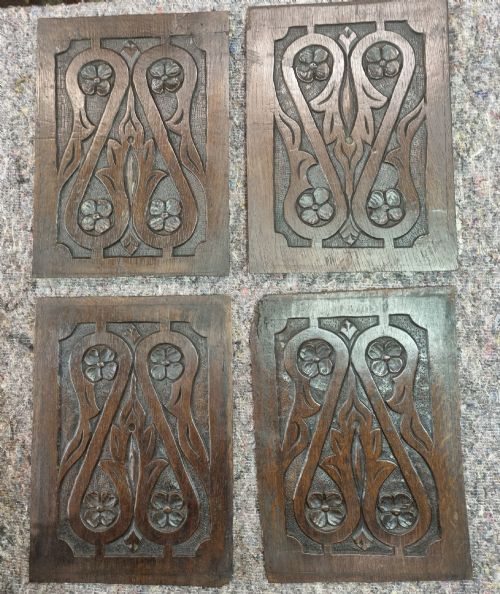
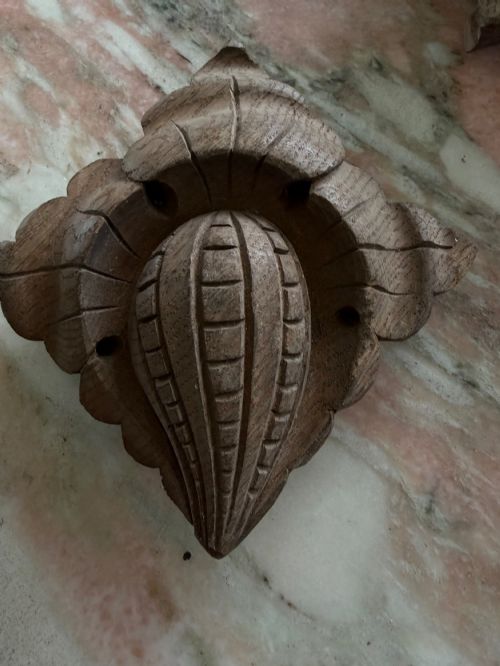
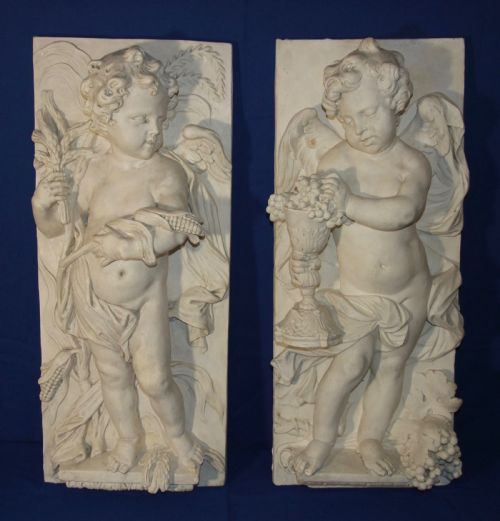
When you search for a georgian relief panel, you encounter an array of architectural elements, wall carvings, and decorative plaques originating from the eighteenth and nineteenth centuries. These pieces encompass architectural salvage, ceiling bosses, carved wooden plaques, and sculptural friezes reflecting the aesthetic tastes of the period.
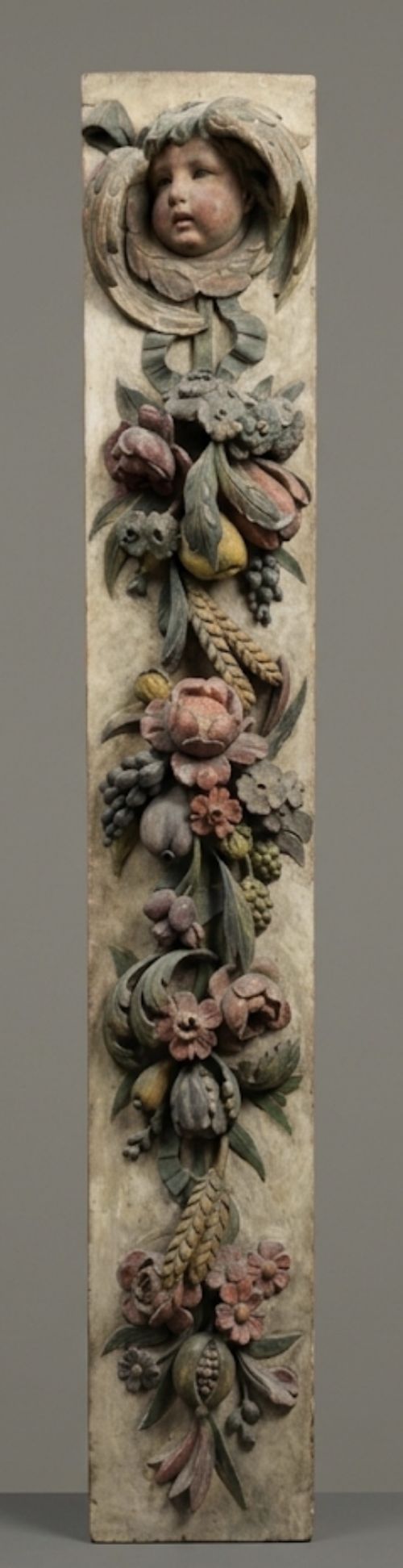
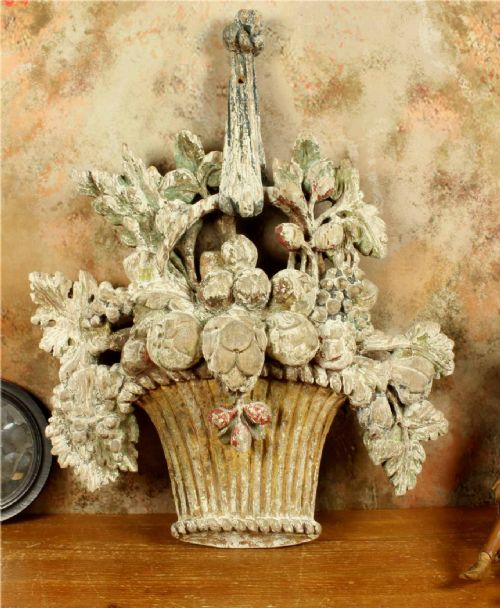
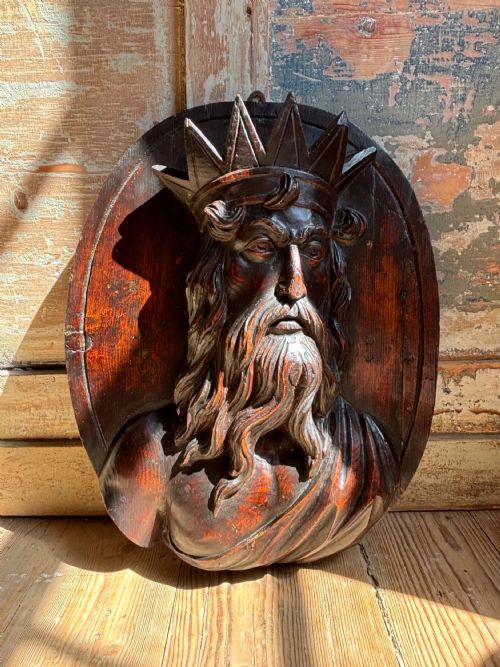
The selection on this page leans heavily towards eighteenth-century craftsmanship, alongside examples from the Regency period and around eighteen hundred. Forms range from classical scenes and marine subjects to floral baskets and mythological figures like Neptune.
Buyers frequently find architectural panels alongside related wall sculptures, plaster cast friezes, and pier mirrors incorporating similar decorative reliefs. Each object serves as a direct link to the interior decoration and architectural detailing of the Georgian era.
Materials and methods of construction
Carved timber forms the foundation of many pieces, utilising woods such as oak, limewood, and general carved wood. Artisans shaped these materials into intricate designs, sometimes applying polychrome paint or giltwood finishes to enhance the visual impact.
Other works employ alternative media, including gesso, plaster casts, lead, and bronze. These varied materials allowed makers to produce everything from ceiling rose panels and fireplace centre friezes to detailed wall sculptures.
Georgian Relief Panel Retail Price Guide 2026
Typical asking prices for georgian relief panel among the pieces listed under this phrase on Sellingantiques today, from the lower quarter to the upper quarter. They describe what is for sale here now, not the wider market.
Listings feature materials spanning oak, limewood, gesso, giltwood, bronze, and lead across the eighteenth and nineteenth centuries.
Distinctions in quality and execution
The depth and crispness of the carving distinguish finer pieces from simpler work, particularly in the rendering of facial expressions, drapery, and botanical details. Pieces executed in limewood or oak display the carver's precision in handling the grain.
Original surface treatments, such as surviving polychrome paint or historic gilding, elevate an example compared to those stripped or heavily restored over the intervening centuries.
The Georgian Relief Panel Glossary
- Architectural Salvage
- Building components rescued from older structures for reuse or display. These items retain historical fabric from demolished or altered buildings.
- Ceiling Boss
- A decorative projecting block placed at the intersection of ribs in a ceiling. They often feature carved foliage, floral motifs, or figurative subjects.
- Polychrome
- Decorated in multiple colours. This technique brings painted realism to carved wood and plaster surfaces.
- Frieze
- A broad horizontal band sculpted, painted, or decorated with reliefs. It typically appears on walls, fireplaces, or architectural entablatures.
- Giltwood
- Wood that has been coated with gold leaf or gold paint. This finish creates a luminous, reflective surface common in period mirrors and frames.
Georgian Relief Panel: Frequently Asked Questions
Where were these panels originally placed?
Many of these pieces originated as interior architectural details, mounted above mantelpieces, set into wall panelling, or positioned on ceilings as decorative bosses.
Others served as freestanding wall plaques, fireplace friezes, or architectural salvage rescued from period properties during later renovations.
How do I hang a heavy wooden panel?
Heavy carved wood and metal panels require secure fixing directly into wall studs or masonry using appropriate brackets or French cleats.
Consult a professional installer to ensure the weight of timber, bronze, or plaster pieces is safely supported on your wall.
Can I tell the difference between periods?
Stylistic clues help distinguish eighteenth-century work from Regency or nineteenth-century pieces, looking closely at neoclassical motifs versus later revivals.
Material choices, such as specific woods and the use of gesso or bronze, also align with the prevailing decorative fashions of each decade.
How do I care for historic carved wood?
Keep wooden panels away from direct sunlight and sudden temperature fluctuations to prevent the timber from drying out or splitting.
Dust gently with a dry, soft brush and avoid applying modern polishes or cleaning agents to historic surfaces.