


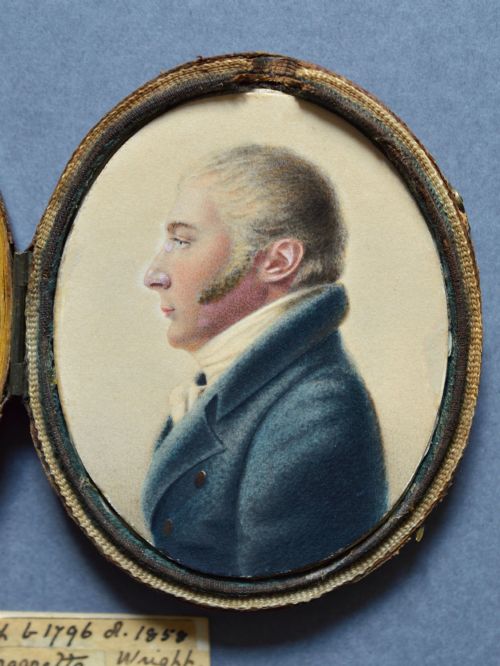
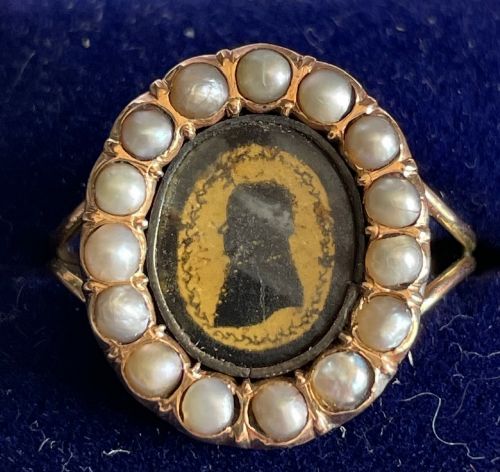
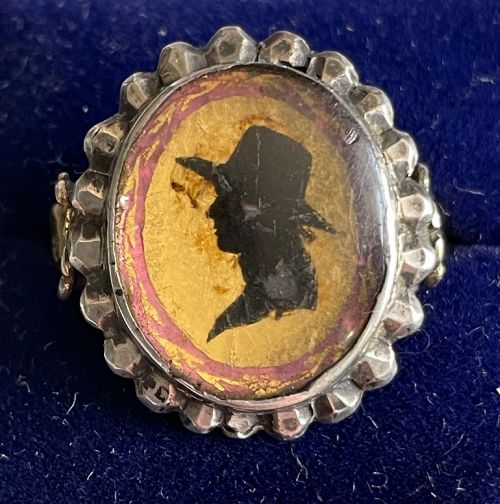
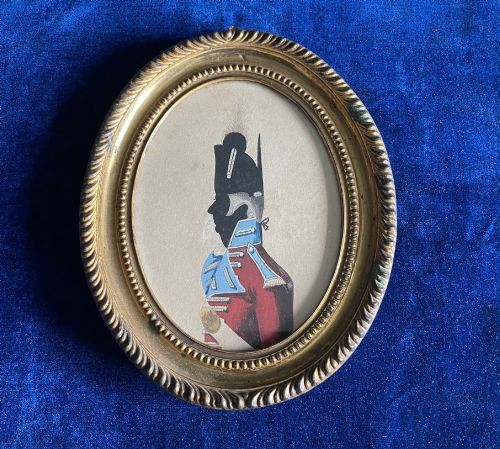
Georgian Profile Miniature Portrait
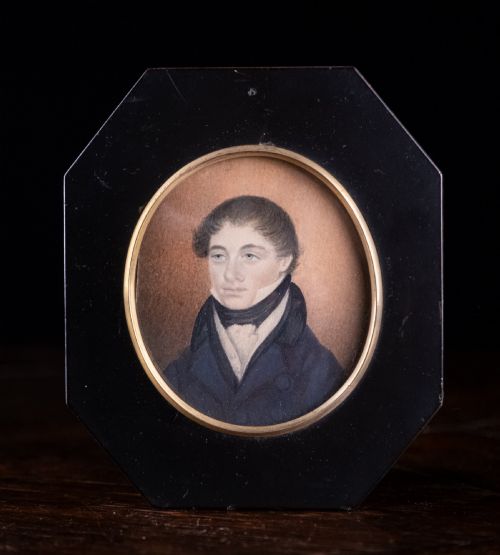
A georgian profile miniature portrait captures a sitter's likeness in sharp, intimate detail, offering a direct window into historical personal identity.
Georgian Profile Miniature Portrait
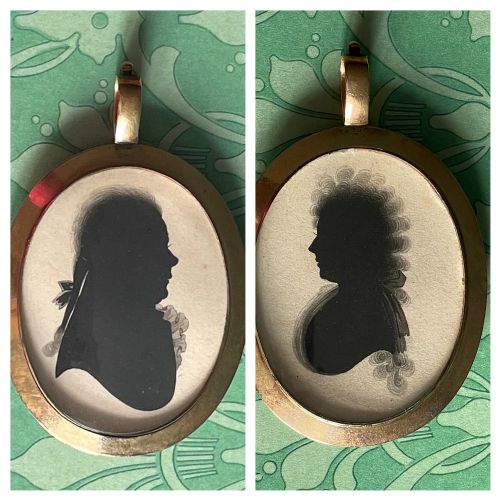
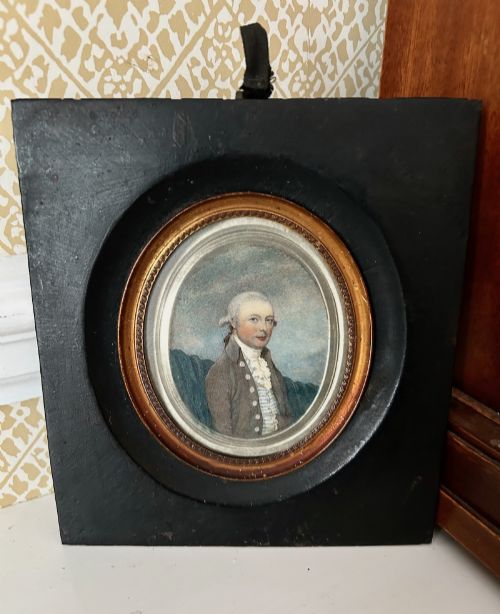
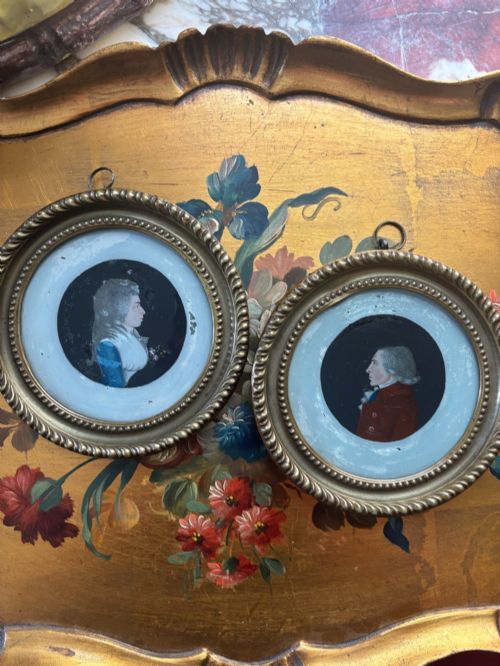
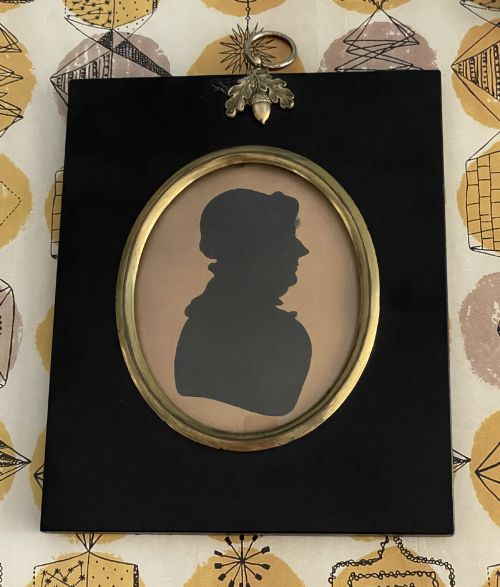
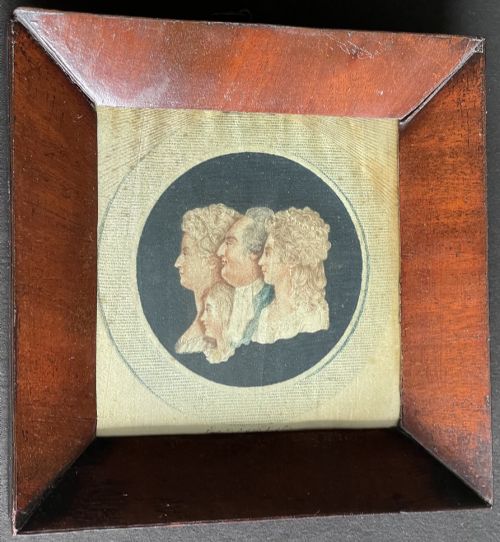
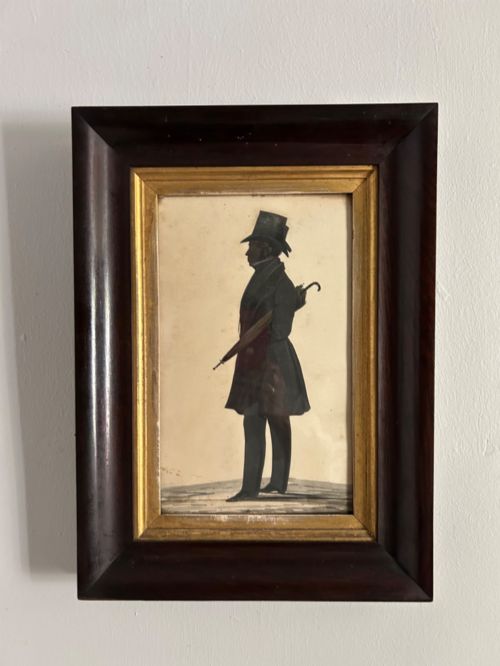
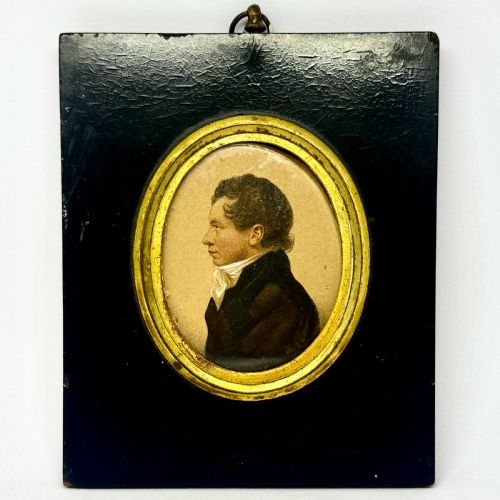
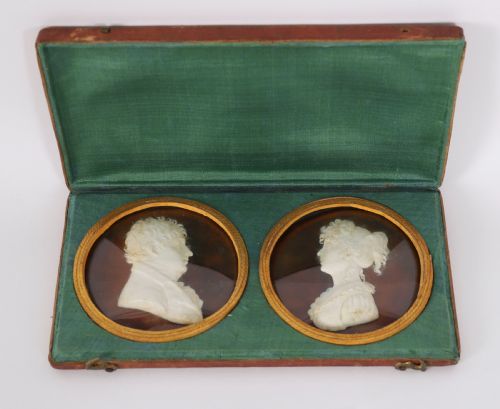
A georgian profile miniature portrait takes several distinct forms across the 18th century, Regency, and 19th century periods. Buyers encounter cut-paper silhouettes, delicate watercolours, reverse glass paintings, and pressed wax reliefs.
Most examples originate from British makers working within Georgian and Regency styles, occasionally extending into Victorian revivals. Subjects appear as framed wall art or worn as rings, pendants, and brooches.
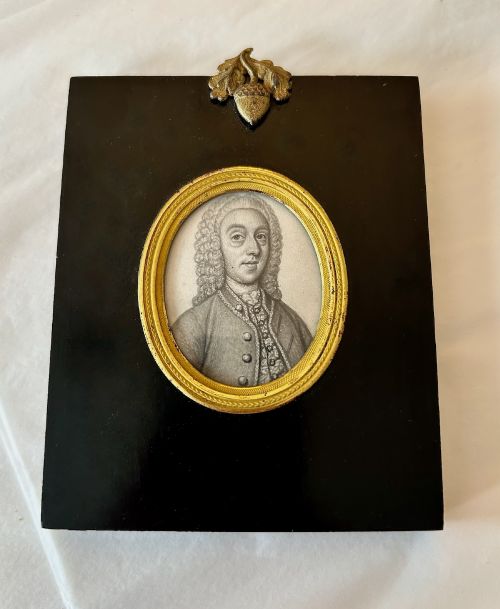
The selection ranges from full-length cut-paper figures to detailed plumbago drawings and glass miniatures. Each piece records individual sitters, from named dignitaries to unidentified gentlemen and ladies.
Materials and construction
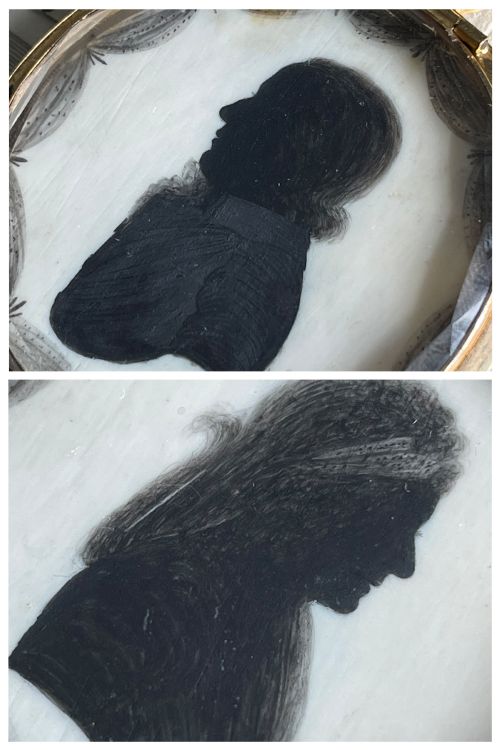
Makers utilised paper, card, and plaster as a base for ink, watercolour, and plumbago drawings. Cut-paper silhouettes often incorporate fine hand-cut details enhanced with gold leaf highlights.
Georgian Profile Miniature Portrait Retail Price Guide 2026
Typical asking prices for georgian profile miniature portrait among the pieces listed under this phrase on Sellingantiques today, from the lower quarter to the upper quarter. They describe what is for sale here now, not the wider market.
The documented periods span the eighteenth century, the nineteenth century, the Regency era, and the year eighteen ninety.
Distinguishing quality
The refinement of the artist's hand dictates the standard of a georgian profile miniature portrait. Crisp, precise cutting in paper works or delicate brushwork in watercolour reveals the practitioner's skill.
Original framing and mounting elevate a piece, particularly when combined with signed artist stamps or contemporary provenance. The preservation of fragile glass, wax, and silk grounds maintains historical integrity.
Bateman·Frith·James Sharples·George Atkinson·Thomas John Horsley·James Gillespie·Augustin Edouart·Hubard Gallery·John Miers·Thomas London·J. Deacon·James Ferguson·Archibald Skirving·John Smith of Edinburgh
The Georgian Profile Miniature Portrait Glossary
- Silhouette
- A solid black profile likeness, typically cut from paper or painted against a contrasting background. This method captured a sitter's facial contours quickly before the advent of photography.
- Plumbago
- A drawing executed in black lead or graphite, named after the Latin term for lead ore. Artists used this medium for highly detailed miniature portrait drawings.
- Reverse painting on glass
- A technique where the artist applies pigment to the rear side of a glass panel so the finished image is viewed through the transparent front. This method gives the portrait a glossy, preserved finish.
- Wax relief
- A three-dimensional portrait modelled in pigmented wax, often mounted against a dark background. These pieces frequently record sitters during Grand Tour travels or domestic commissions.
- Paste
- A type of brilliant cut glass used to imitate gemstones in jewellery settings. Georgian jewellers mounted paste alongside miniature portraits in rings and brooches.
Georgian Profile Miniature Portrait: Frequently Asked Questions
How were these miniatures displayed?
Makers housed these small portraits in ebonised wood or rosewood frames designed for wall hanging. Many others served as personal ornaments set inside gold or brass pendants, brooches, and rings.
Owners kept them close to the body as tokens of affection or remembrance. Their compact scale allowed individuals to carry likenesses of family members during travel.
How do I identify a signed piece?
Artists often inscribed their names directly onto the paper background, the reverse of the frame, or the trade label attached to the backboard. Practitioners like John Miers included specific trade stamps that verify their studio origin.
Examining the handwriting and trade labels under magnification helps confirm the maker. Unsigned pieces rely on stylistic execution, materials, and framing conventions for attribution.
How should I care for a framed silhouette?
Keep these works away from direct sunlight to prevent fading in the paper, ink, and watercolour grounds. Maintain stable indoor humidity to protect fragile organic materials like paper, wax, and wood.
Avoid hanging them on exterior walls subject to dampness or temperature swings. Professional framers should handle any necessary sealing or glass replacement.