




Georgian Profile Art
Georgian profile art captures the direct likeness of a sitter through silhouettes, reverse glass painting, and delicate miniatures.
Georgian Profile Art
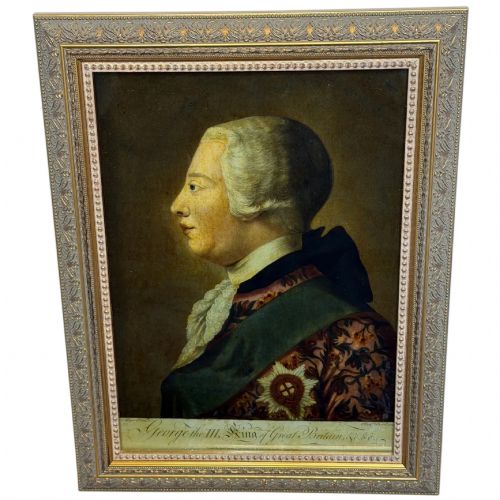
When you search for georgian profile art, you enter a field dominated by portrait miniatures, silhouette portraits, and framed wall art spanning the eighteenth and nineteenth centuries. These works record the exact facial contours of sitters before the widespread adoption of photography, capturing likenesses through shadow and line.
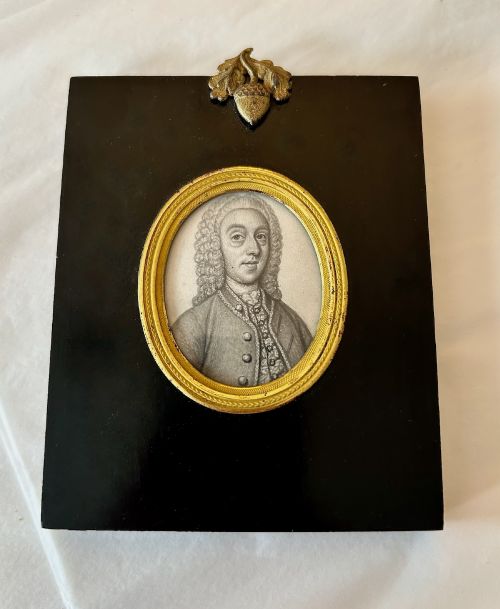
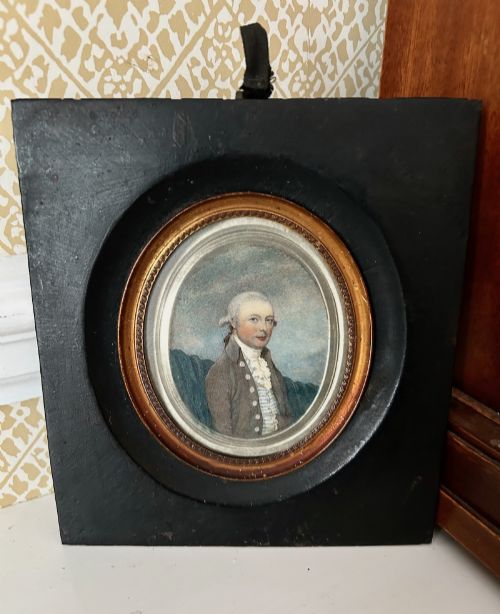
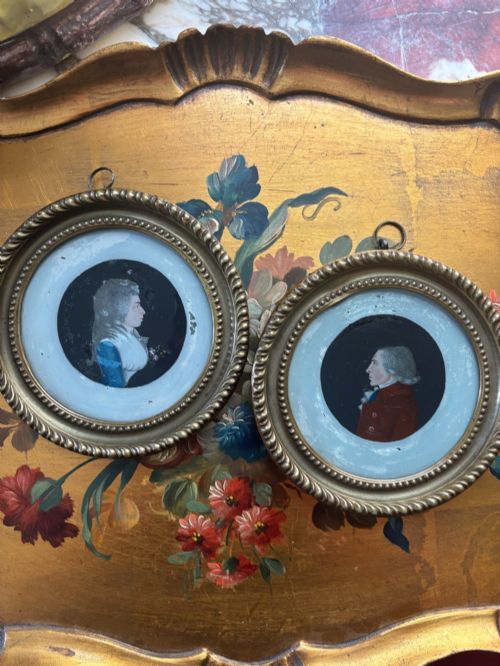
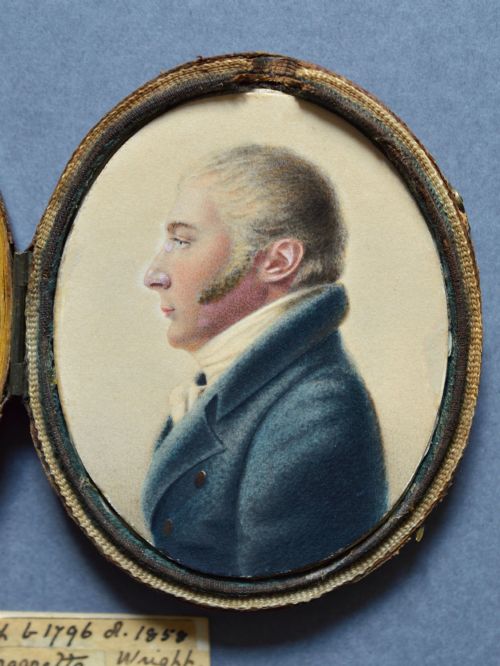
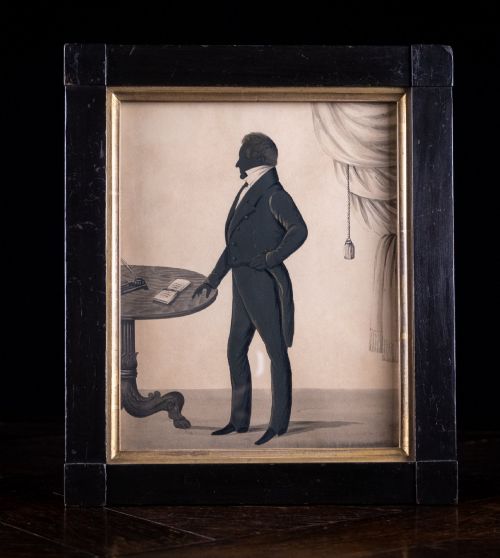
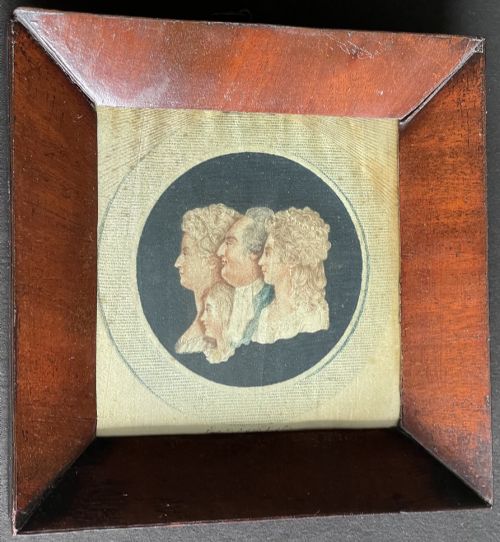
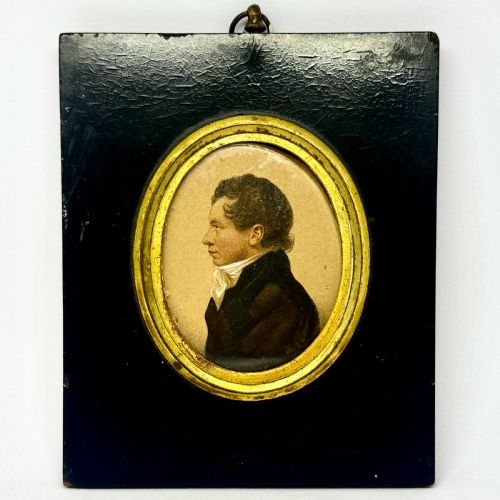
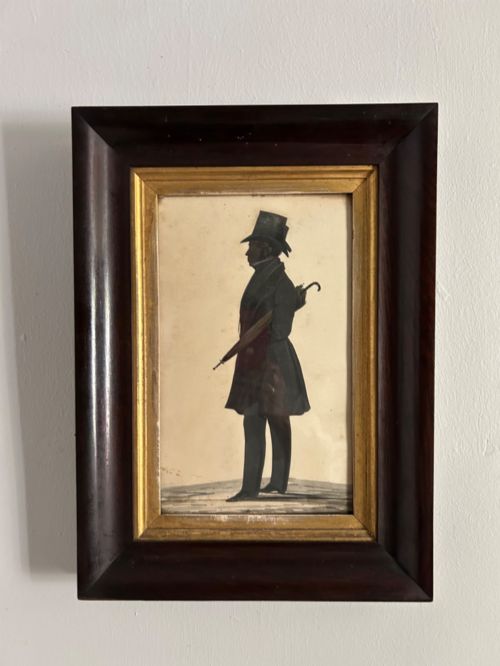
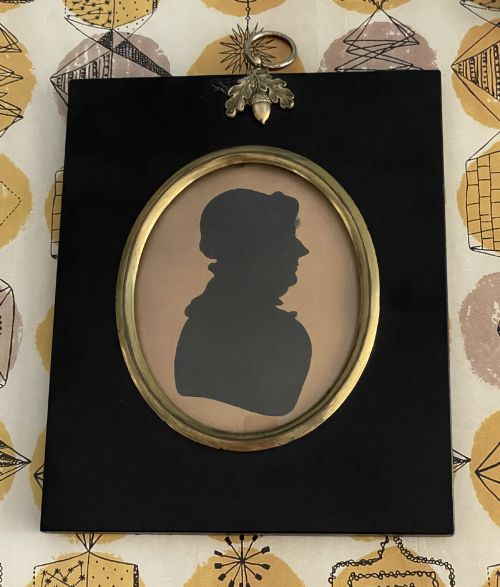
The pieces on this page appear in various formats, from simple cut-paper designs to elaborate painted works. You encounter full-length standing figures, pairs of marriage portraits, and intimate bust-length depictions framed in ebonised wood or rosewood.
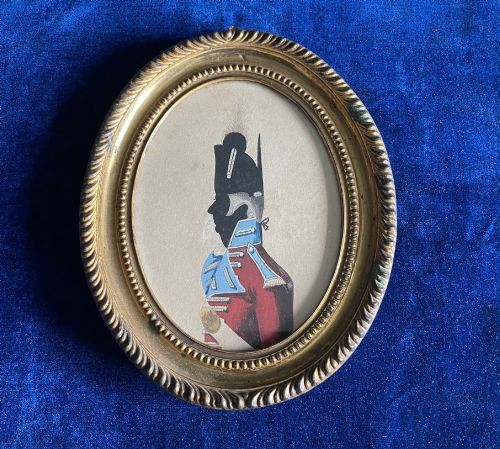
The origins stretch across Georgian, Regency, and early Victorian periods, encompassing both skilled professional studio output and charming folk art traditions. Certain examples incorporate gilt highlights or delicate watercolour details alongside the dark profile.
Materials and Technique
Makers produced georgian profile art using paper, glass, and plaster as primary supports. Artists cut black paper with scissors, applied ink and watercolour directly, or painted details in reverse on the underside of glass panels.
Makers employed gold leaf to add fine border lines, costume details, and jewellery highlights to the dark silhouettes. Ebonised wood and rosewood frames protect these delicate works, often backed by card or plaster.
Georgian Profile Art Retail Price Guide 2026
Typical asking prices for georgian profile art among the pieces listed under this phrase on Sellingantiques today, from the lower quarter to the upper quarter. They describe what is for sale here now, not the wider market.
Silhouettists captured the likenesses of entire families, elite officers, and even household pets.
Distinctions in Quality
The precision of the cutting or brushwork separates standard workshop output from exceptional studio production. Superior silhouettes capture distinct facial expressions and intricate costume details rather than a generic outline.
The application of bronze and gold leaf ornamentation creates depth and contrast on better examples. Contemporary framing and the preservation of original backing materials and maker labels elevate specific pieces above anonymous works.
Bateman·Thomas John Horsley·James McArdell·Jeremiah Meyer·Augustin Edouart·James Ferguson·George Atkinson·John Miers·John Smith of Edinburgh
The Georgian Profile Art Glossary
- Silhouette
- A portrait profile filled in with a solid dark colour, typically black. This form relies entirely on the outline of the sitter to convey recognition.
- Reverse painted on glass
- A technique where the artist paints the image on the rear side of a glass panel so the viewer looks through the glass to see the finished work. This method protects the pigment from atmospheric damage.
- Plumbago
- A fine drawing executed in graphite or black lead. Artists used this material for highly detailed miniature portrait sketches.
- Gilded silhouette
- A profile enhanced with applied gold leaf or bronze paint to delineate hair, clothing, and accessories. This decorative addition catches the light within dark frames.
- Conversation piece
- A painted or silhouetted group portrait depicting family members or associates in an interactive domestic setting. These scenes record social relationships and interior details of the period.
Georgian Profile Art: Frequently Asked Questions
How were silhouettes created?
Artists cut black paper freehand with small scissors or painted directly onto card, plaster, or the reverse side of glass. Some practitioners used mechanical pantograph devices to trace the shadow cast by a sitter onto a surface.
Skilled hands then refined the edges and added highlights in gold leaf or watercolour. The finished piece was mounted within a protective wood or papier-mâché frame.
Who collected these portraits?
Families commissioned profile portraits to record relatives, commemorate marriages, or remember travelling members. They displayed these framed works on drawing room walls or kept them in portable cases.
Sitting for a silhouette offered an affordable and rapid alternative to oil painting. Collectors today value them for their direct connection to historical individuals.
How do I care for these pieces?
Keep framed profiles away from direct sunlight to prevent the fading of watercolour pigments and black inks. Stable indoor humidity protects paper supports and fragile glass panels from deterioration.
Avoid hanging pieces on damp exterior walls. Professional framing with acid-free materials ensures long-term preservation of antique paper and backing cards.