


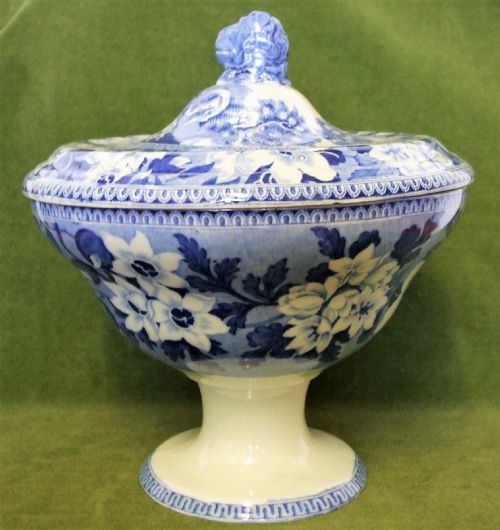


Georgian Pottery Bowl
These robust earthenware vessels are what people mean by a georgian pottery bowl, offering tactile utility and historic character for modern interiors.
Georgian Pottery Bowl
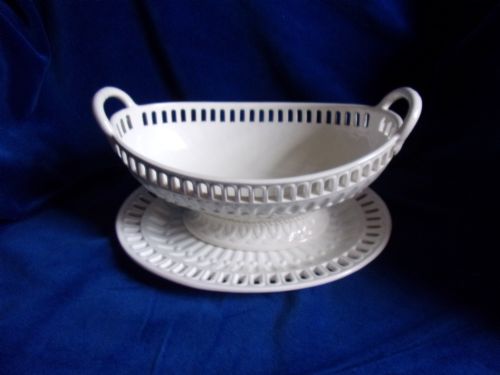
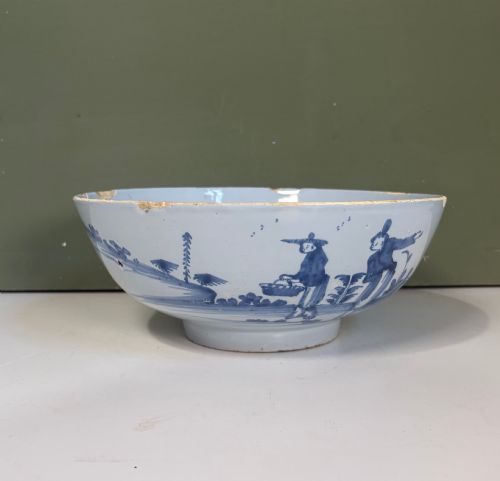
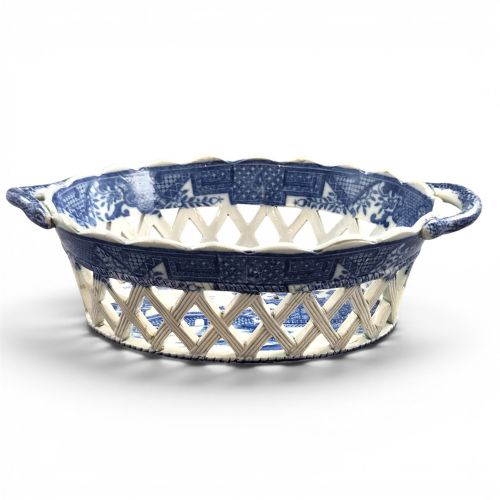
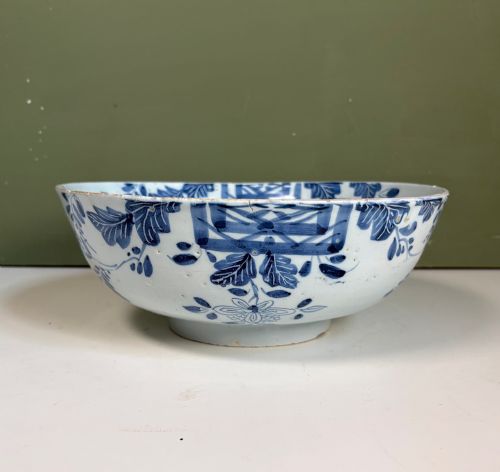
A georgian pottery bowl encompasses utilitarian earthenware and creamware vessels produced across the eighteenth and early nineteenth centuries. The pieces on this page span deep bowls, footed serving vessels, and reticulated baskets intended for table service.
Most examples originate from English potteries or Dutch workshops of the period. Forms range from simple blue and white transfer-printed bowls to intricate creamware and pearlware baskets designed for fruit or chestnuts.
How they were made
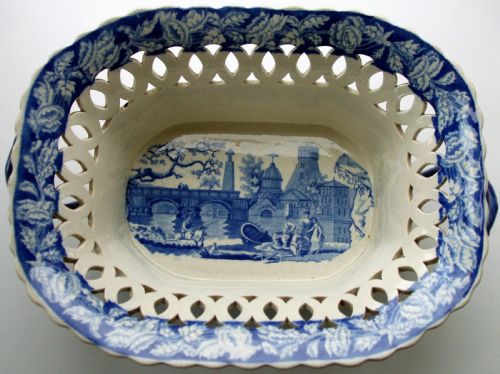
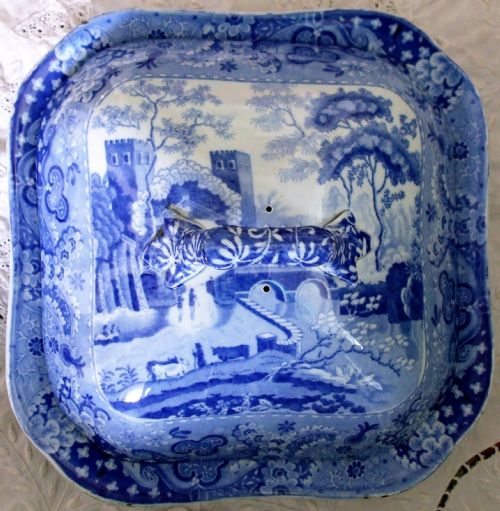
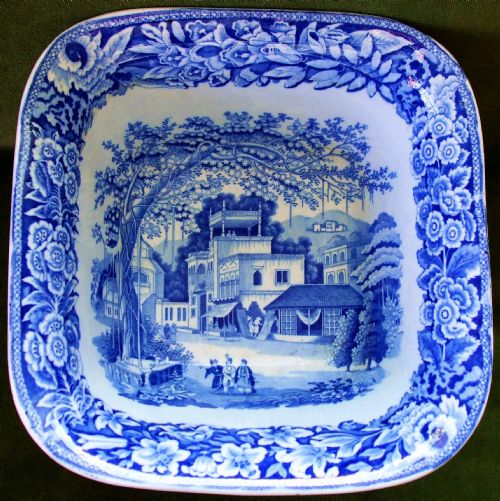
Potters shaped these objects from earthenware bodies, coating them in tin glaze, lead glaze, or cream-coloured clay slips. Many surfaces display early transfer-printed decoration in blue, depicting architectural scenes, animals, and landscapes.
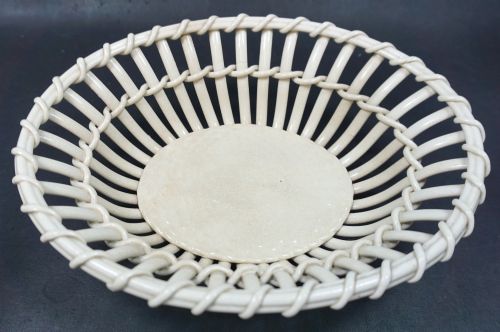
Basket forms and reticulated dishes required skilled manual piercing while the clay was leather-hard. Kiln firing methods of the period often left characteristic stilt marks and minor surface imperfections on the ceramic bodies.
Georgian Pottery Bowl Retail Price Guide 2026
Typical asking prices for georgian pottery bowl among the pieces listed under this phrase on Sellingantiques today, from the lower quarter to the upper quarter. They describe what is for sale here now, not the wider market.
The selection includes functional vegetable tureens, reticulated chestnut baskets, and deep footed mess bowls.
What varies in quality
Quality rests in the crispness of the transfer-printing and the precision of the pierced openwork on baskets and comports. Sharply rendered patterns and even glazes distinguish finer works from standard utilitarian production.
The sophistication of the form and the reputation of the maker's workshop elevate certain bowls and tureens above ordinary domestic wares. Well-balanced proportions and intact handles or stands indicate superior original manufacture.
J. & R. Clews·J. & R. Riley·John Rogers and Son·Spode·Wedgwood·Ridgway
The Georgian Pottery Bowl Glossary
- Creamware
- A refined earthenware with a pale yellowish-buff lead glaze developed in Staffordshire during the eighteenth century. It replaced heavier salt-glazed stonewares on the dining table.
- Pearlware
- An improved earthenware body containing a small amount of cobalt in the glaze to create a bluish-white tint that imitated Chinese porcelain. It gained widespread popularity around the turn of the nineteenth century.
- Tin-Glazed Earthenware
- Pottery covered with an opaque white glaze containing tin oxide, providing a smooth canvas for painted decoration. It is commonly associated with Delftware production.
- Reticulated
- Describes ceramic work featuring an openwork lattice or pierced pattern cut into the clay before firing. It is frequently seen on chestnut baskets and dessert service pieces.
- Transfer Printing
- A method of applying detailed monochrome designs to pottery from a copperplate engraving via tissue paper. This technique revolutionised British ceramic decoration during the Georgian era.
Georgian Pottery Bowl: Frequently Asked Questions
What is a georgian pottery bowl used for?
These vessels originally served various dining and pantry functions, from holding fruit and vegetables to containing dishes at the table. Many acted as centrepieces or formed part of larger supper sets.
Today, they suit everyday display on sideboards or open shelving, bringing historical texture to a room. Their durable earthenware bodies allow them to hold dried arrangements or small household items.
Are these bowls safe for food use?
Most of these historic pieces feature porous earthenware bodies and lead-bearing glazes applied centuries ago. Chemical changes over time make them unsuitable for modern food consumption.
Displaying them dry preserves the fragile glaze and prevents moisture from penetrating old hairline fractures. They are best appreciated as decorative objects rather than active tableware.
How do I clean an old pottery bowl?
Gentle dusting with a dry, soft cloth removes ambient dirt without risking the brittle ceramic surface. Avoid soaking or submerging pieces with old repairs or absorbent earthenware bodies.
Harsh detergents and modern dishwashers can strip fragile glazes and discolour historical pastes. Professional conservation cleaning is recommended for heavily soiled or delicate items.