




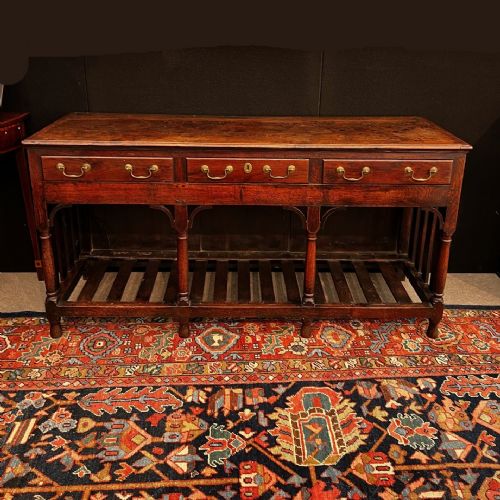
Georgian Potboard Base
A georgian potboard base is a sturdy kitchen or dining timber table featuring a useful lower shelf for storing heavy dishes.
Georgian Potboard Base
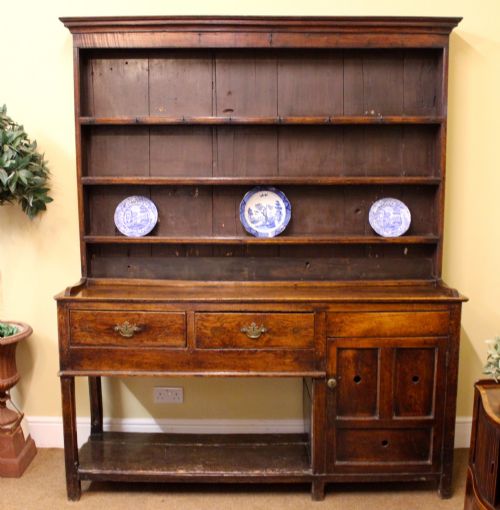
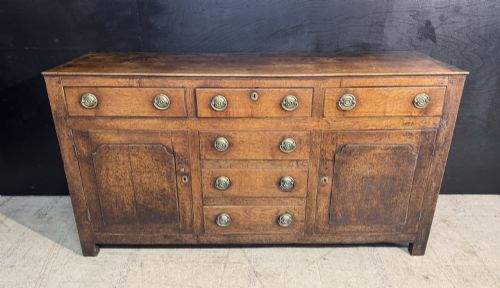
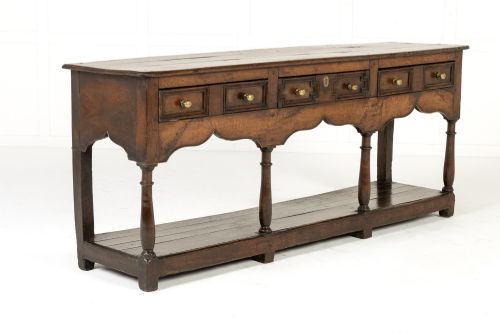
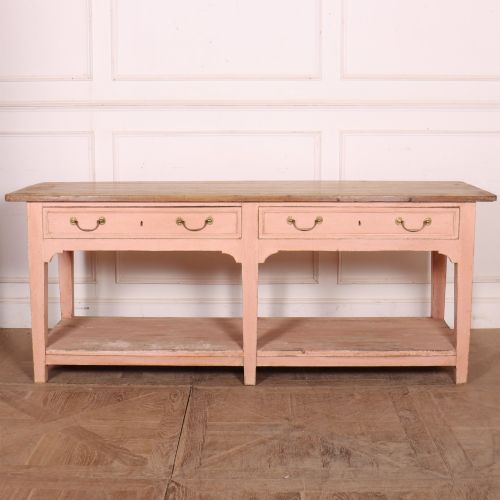
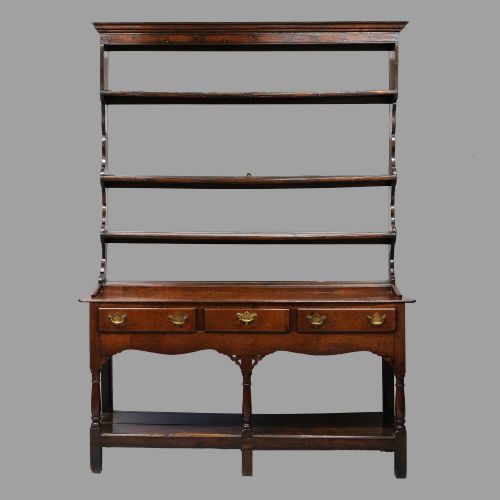
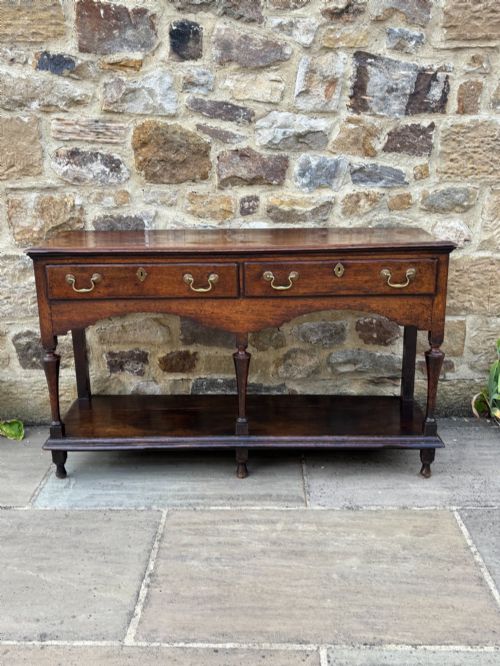
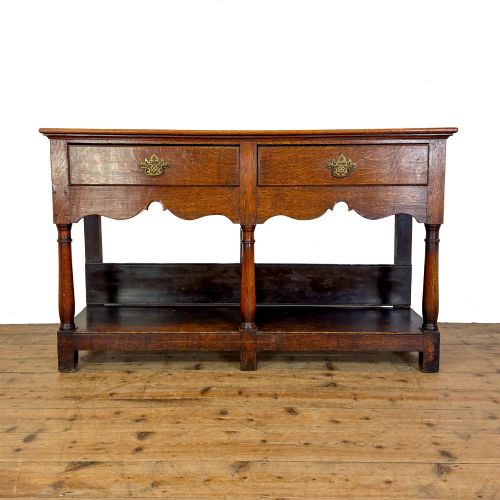
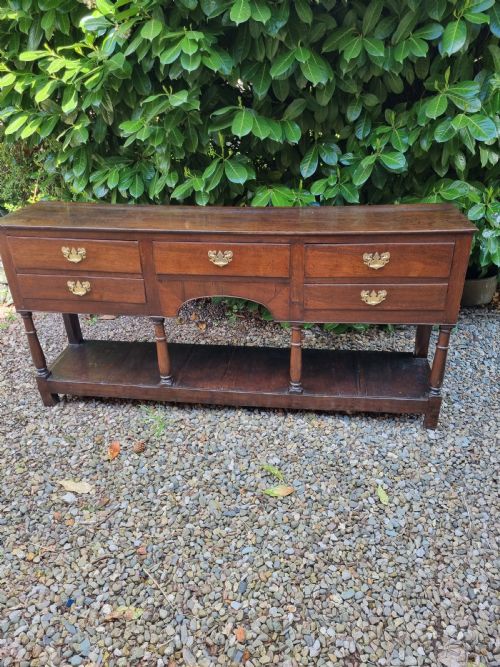
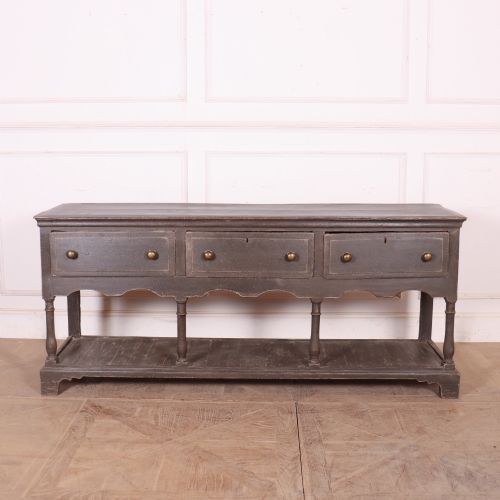
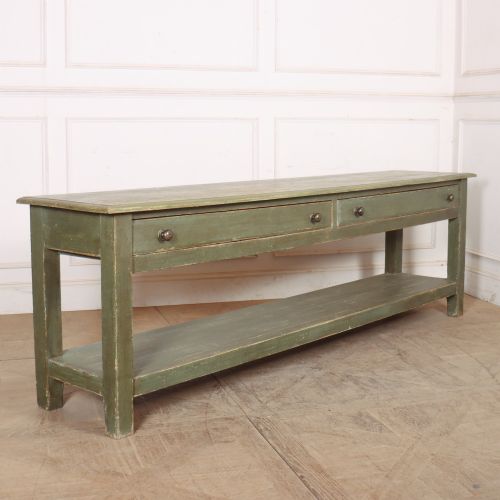
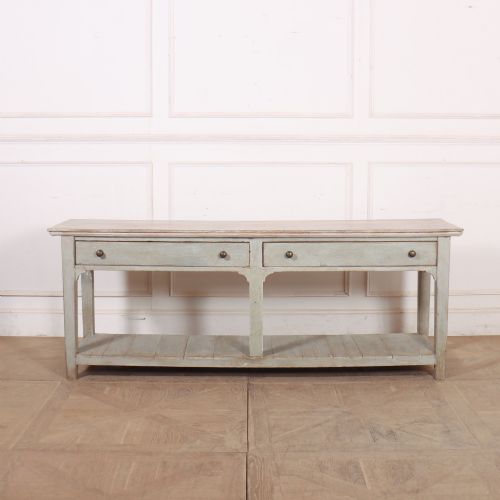
When you examine a georgian potboard base, you are looking at a substantial timber serving table or dresser lower section designed for practical domestic work. The form typically incorporates a bank of drawers above a low open platform shelf known as the potboard, which sits just above the floor.
You will most commonly meet pieces originating from Welsh and English rural traditions, spanning the eighteenth and nineteenth centuries. These items range from compact cottage side tables to large country house serving boards, reflecting the varied regional needs of earlier kitchens.
The style remains rooted in country utility rather than formal parlour display, showing honest construction through timber shrinkage and surface wear. Collectors value this honest practicality just as much as the warm character developed by centuries of daily use.
How they were made
Makers relied primarily on native timbers, predominantly oak for the structural frames and tabletops, sometimes paired with elm for specific components or pine for secondary parts. These woods were worked by hand using traditional joinery methods that accommodated the natural movement of unseasoned timber over time.
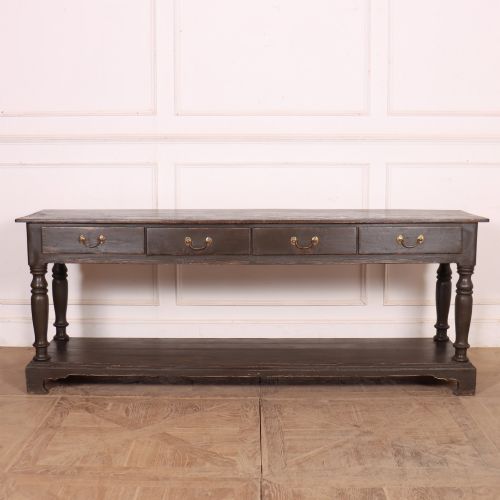
Surfaces frequently reveal early painted finishes, ranging from historic layers of paint to clean timber patination achieved through generations of scrubbing and wax polish. Metal fittings, where present on drawers, are typically brass or iron and secured by hand.
Georgian Potboard Base Retail Price Guide 2026
Typical asking prices for georgian potboard base among the pieces listed under this phrase on Sellingantiques today, from the lower quarter to the upper quarter. They describe what is for sale here now, not the wider market.
Current listings demonstrate a strong presence of 18th and 19th century oak and elm pieces, alongside painted wood variations.
What varies in quality
The distinction between an ordinary piece and a finer example rests in the proportions, timber selection, and the degree of original surface preservation. Better pieces display more harmonious drawer arrangements, such as five or six drawer configurations, alongside well-balanced legs and sturdy potboards.
The Georgian Potboard Base Glossary
- Potboard
- The low open shelf positioned near the floor between the legs of a dresser base. It was originally used for storing heavy pots, pans and earthenware utensils.
- Dresser base
- The lower portion of a kitchen dresser, featuring a flat top surface for food preparation and drawers below. Many survive independently without their original upper plate racks.
- Patina
- The deep sheen and surface character acquired by timber through decades of handling, cleaning and exposure to light. It is a key indicator of age and authenticity.
- Vernacular furniture
- Domestic items made by local rural joiners for everyday use rather than following strict high-style London fashions. These pieces often incorporate distinct regional characteristics.
Georgian Potboard Base: Frequently Asked Questions
What is a potboard base used for?
These pieces served as heavy-duty work surfaces for food preparation and serving in large country kitchens and dining rooms. The lower shelf kept bulky earthenware vessels and metal pots off the stone floor.
Today, they function brilliantly as kitchen sideboards, serving tables, or hallway consoles. Their sturdy construction handles modern daily use with ease.
How do I tell an 18th century base from a 19th century one?
Earlier eighteenth-century pieces often display hand-cut joinery, pegged tenons, and deeper native oak patination shaped by simple hand tools. Drawer linings and board widths also offer clues to the age of the timber.
Nineteenth-century examples tend to show more uniformity in sawn timber and sometimes incorporate secondary woods like pine. Regional styles persisted across both periods, making timber wear your best guide.
Are painted finishes original?
Many country pieces received coats of paint during their working lives to freshen up kitchen furniture or match changing interior schemes. Historic painted surfaces now form part of the character and history of the item.
When evaluating painted timber, look for signs of age beneath the pigment rather than modern decorative applications. Genuine early paint shows appropriate wear around the frequent touch points.
How do I care for a historic timber base?
Keep these items away from direct heat sources such as radiators and fireplaces to prevent the oak and elm from splitting. Maintaining a stable room temperature protects the historic joinery.
Feed the timber occasionally with a traditional beeswax polish rather than modern silicone sprays. Gentle dusting and natural wax keep the surface patina rich and protected.