

Georgian Portrait Canvas Art
Georgian portrait canvas art brings elite sitters and quiet figures from past centuries into modern rooms through historic oil painting.
Georgian Portrait Canvas Art
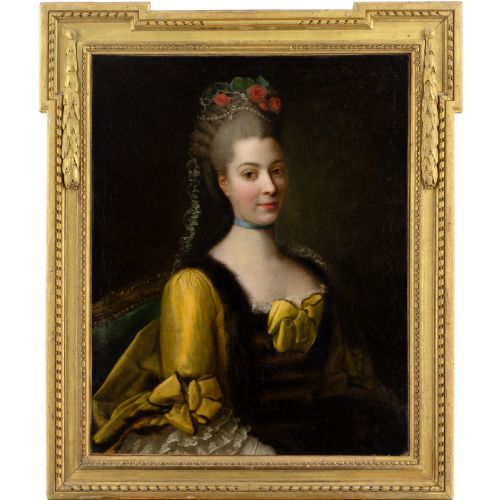
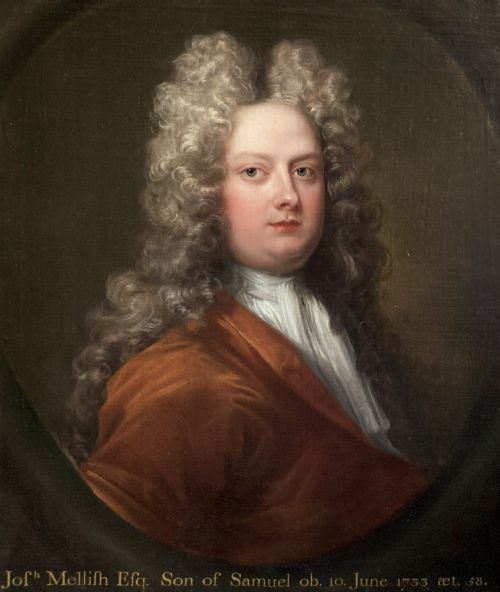
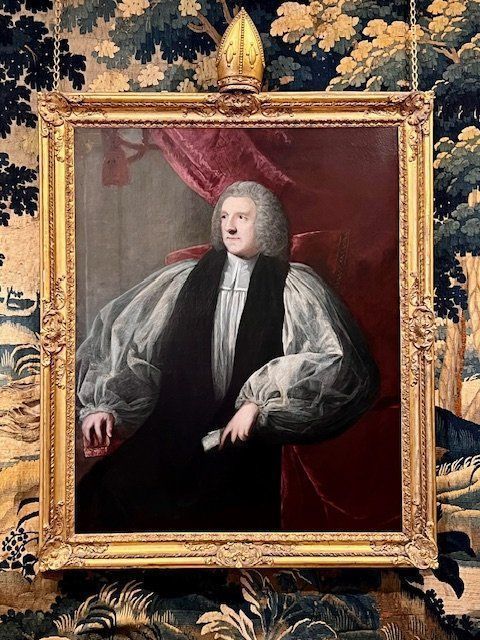
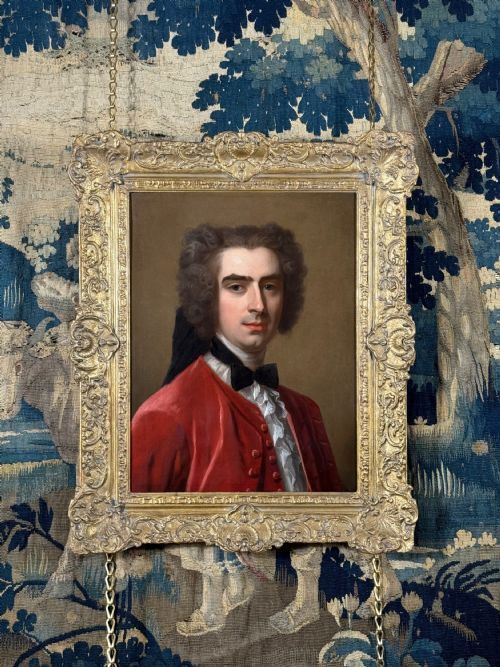
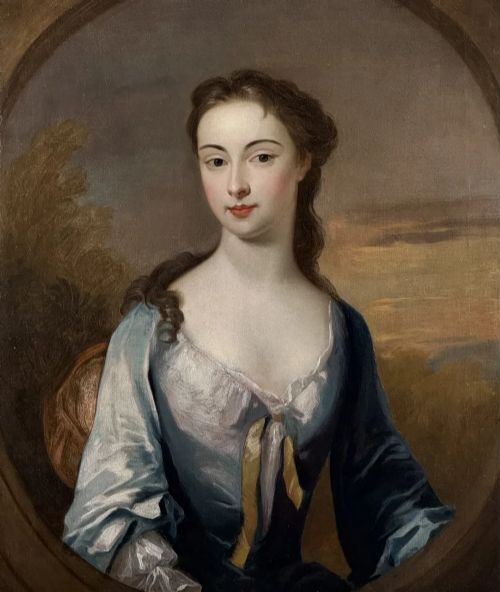
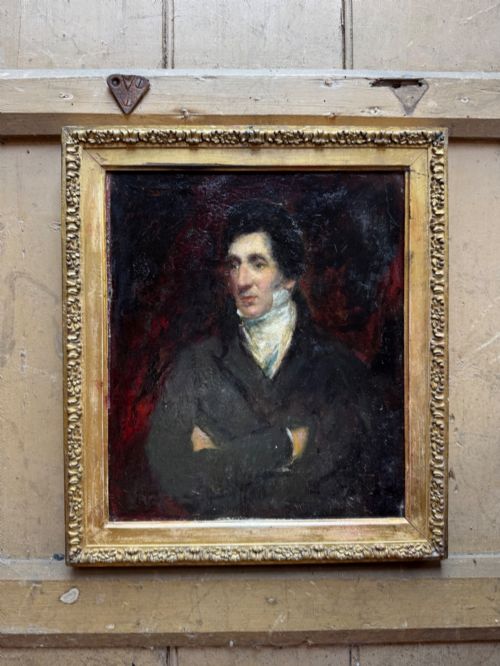
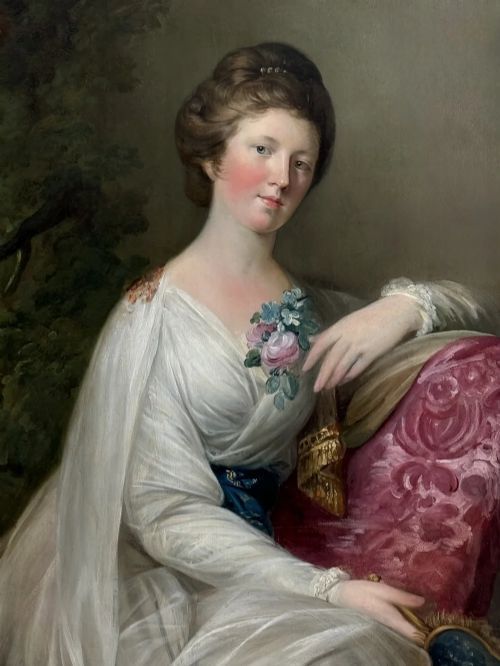
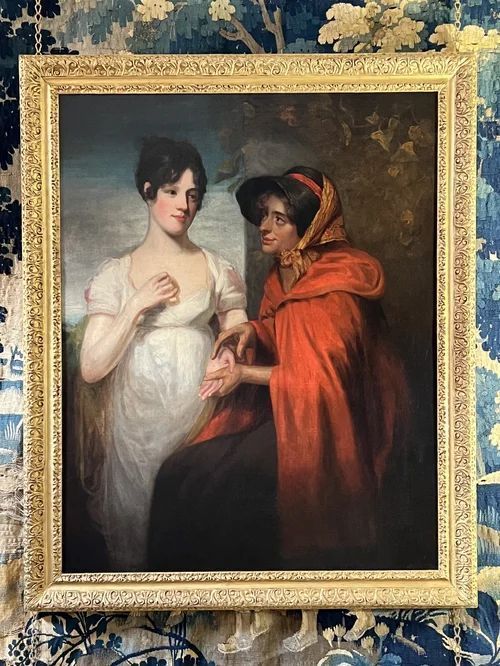
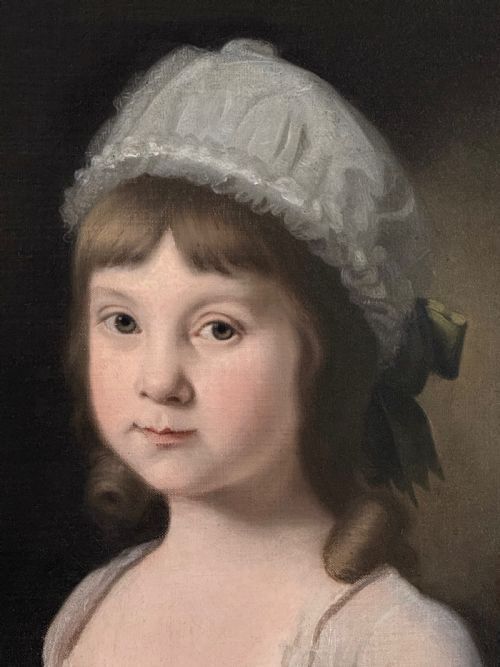
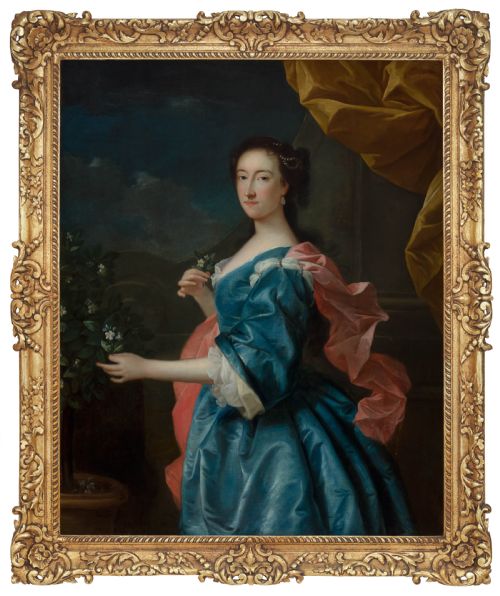
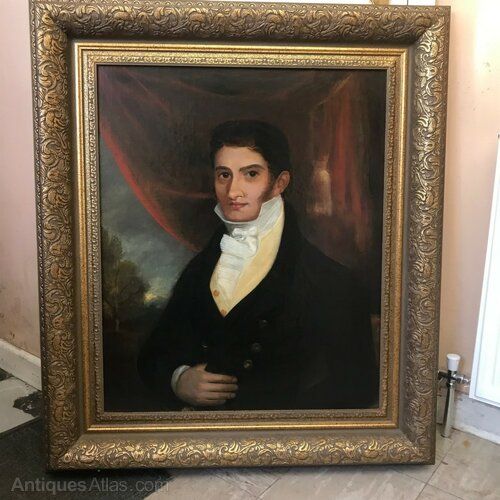
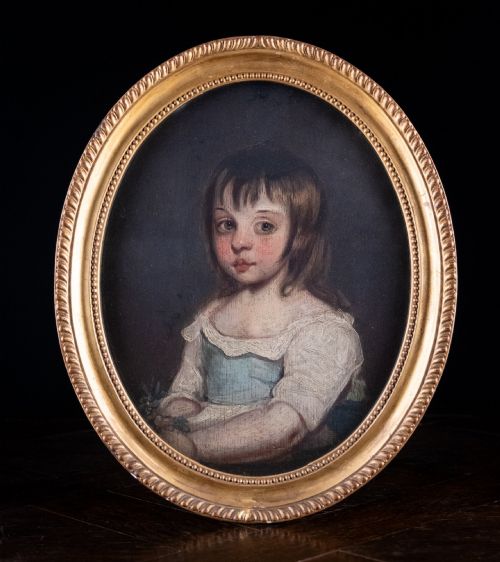
Georgian portrait canvas art encompasses oil paintings on canvas depicting gentlemen, officers, ladies, and children from the seventeenth through the nineteenth centuries. These works record sitters in formal attire, sometimes accompanied by symbolic elements like orange trees or historical uniforms.
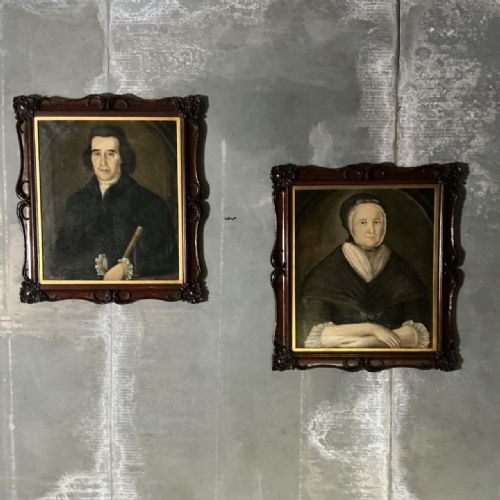
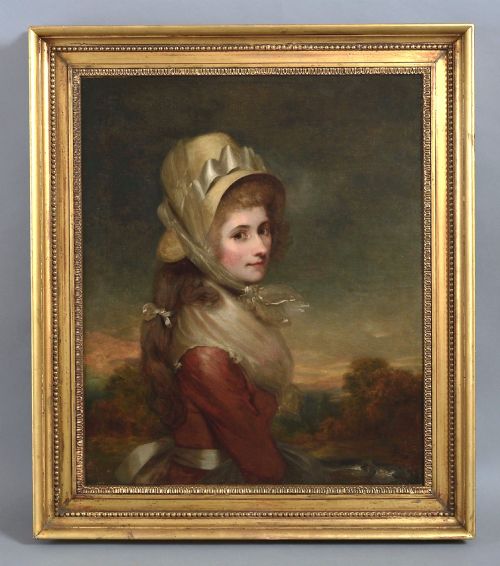
Buyers frequently encounter pieces originating from British and European schools, spanning the Baroque, Rococo, and Regency styles. The subjects range from named historical figures and nobility to anonymous country girls and actors in character.
How they were made
These works rely on oil paint applied to woven canvas supports, stretched over wooden frames and frequently housed within giltwood or gold leaf frames. Artists utilised layered oil pigments to build depth in clothing, skin tones, and background shadows.
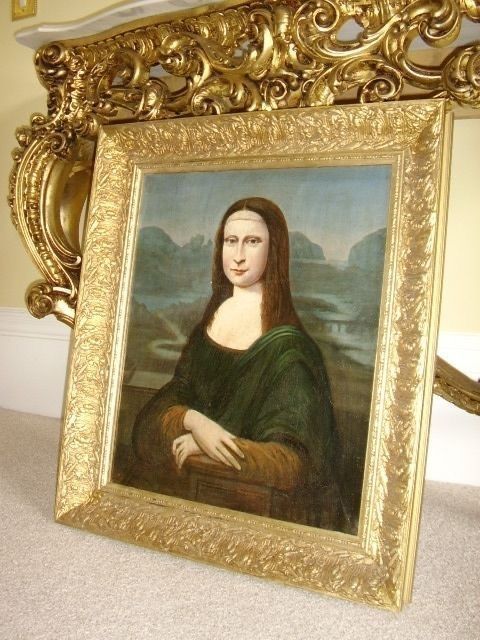
Studio practice often involved master painters overseeing assistants who helped complete large canvases, while certain pieces are later copies or studio samples after major artists.
Several portraits capture sitters posing alongside unexpected companions, including an orange tree and orange blossom.
What varies in quality
The survival of the original canvas support and the condition of the pigment layers dictate the overall integrity of the piece. Frames matching the period of the painting also influence the unity of the work.
Charles Jervas·Sir Joshua Reynolds·Jean Baptiste Van Loo·John Opie·Sir Thomas Lawrence
The Georgian Portrait Canvas Art Glossary
- Oil on Canvas
- Pigment mixed with drying oil applied to a woven fabric support. This combination allowed artists to blend tones smoothly and achieve rich luminosity.
- Giltwood
- Wood carved and coated with gold leaf or gold paint. These frames surround historic portraits and reflect period framing tastes.
- Regency
- The stylistic period spanning the early nineteenth century. Works from this era show distinct costume changes and softer portrait lighting.
- Studio of
- A term indicating a work produced by assistants under the direct supervision of a master artist. Such pieces reflect the workshop standards of the primary painter.
Georgian Portrait Canvas Art: Frequently Asked Questions
How do I identify a Georgian portrait?
Look closely at the sitter's costume, hair styling, and painting technique to align with eighteenth-century fashions. Documentary inscriptions on the canvas or stretcher often name the sitter and date the piece.
Compare the handling of oil paint and background elements with known examples from British and European schools of the period.
What is the difference between an original and a studio copy?
An original portrait was painted directly from life by the named artist, capturing unique personal likeness and primary brushwork. Studio copies were executed by assistants or followers to replicate popular compositions.
Both forms utilise oil on canvas, but autograph works carry the direct hand of the master.
How should I hang historic oil paintings?
Position canvases away from direct sunlight and steady heat sources to protect the oil paint and canvas fibres. Ensure the wall brackets securely support the weight of the canvas and its heavy giltwood frame.
Maintain stable room humidity to prevent the canvas from slackening or the wooden stretcher from warping over time.
Why do some portraits feature unknown sitters?
Many canvas portraits lost their documented provenance over centuries of inheritance and relocation. Sitters were often recorded only by family descent rather than public exhibition labels.
Researching costume details and uniform styles sometimes helps narrow down the decade in which the sitter lived.