


Georgian Pocket Snuff
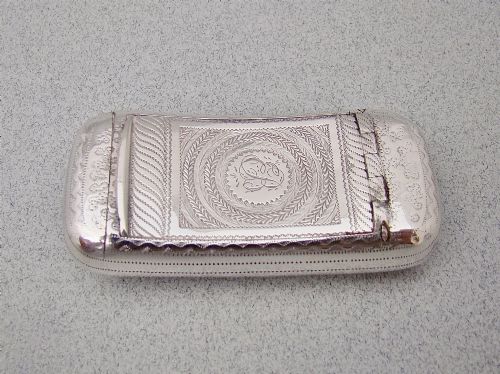
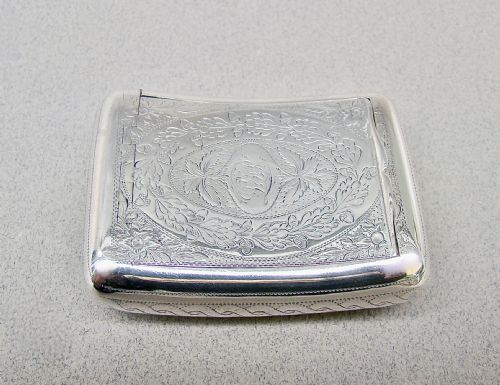
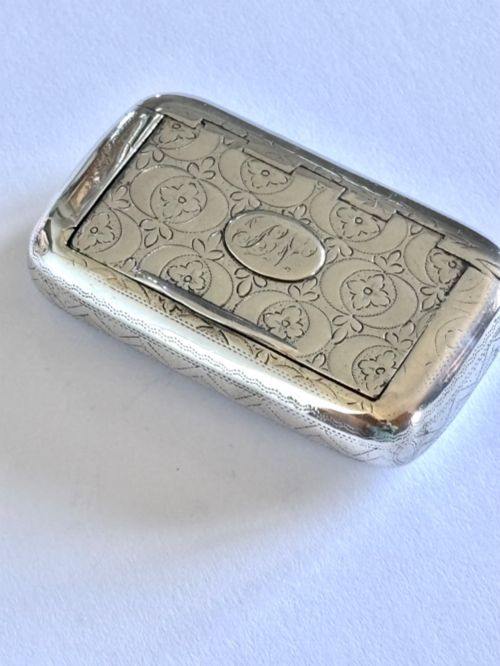
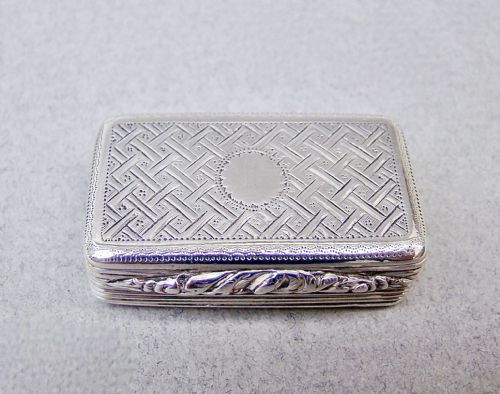
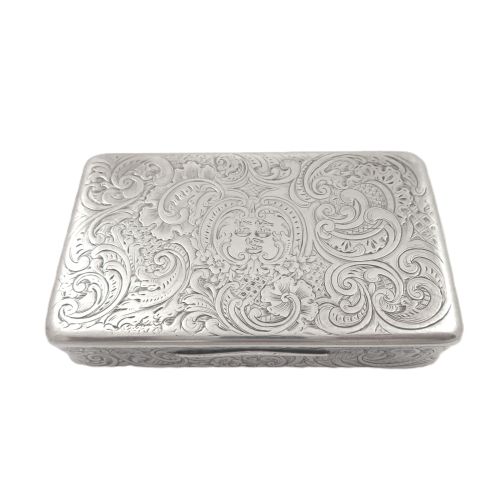
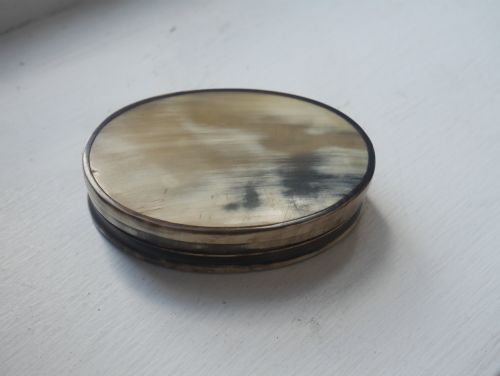
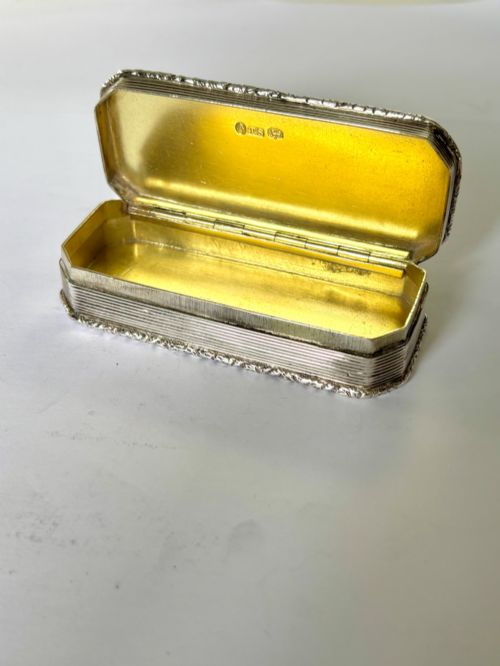
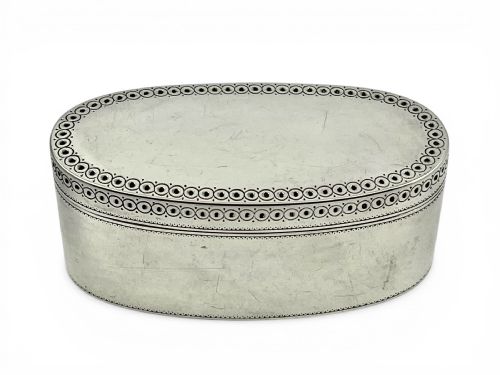
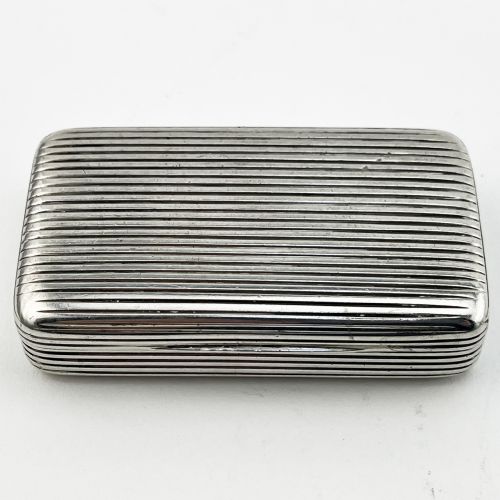
Georgian pocket snuff containers are small, portable receptacles designed to carry tobacco, most frequently seen here in silver, horn, and coquilla nut.
Georgian Pocket Snuff
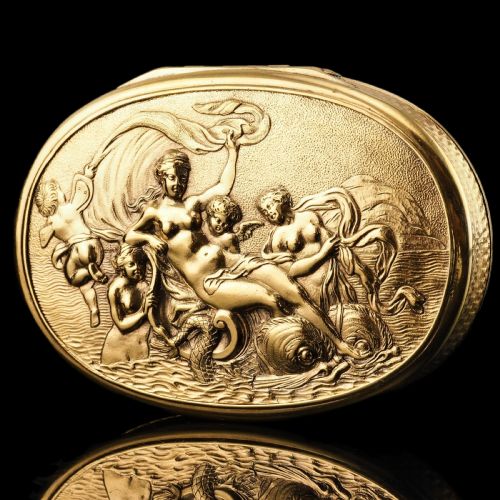
When you search for georgian pocket snuff, you find small receptacles designed to hold ground tobacco for personal use during the eighteenth and nineteenth centuries. These objects range from simple, utilitarian containers to ornate silver gilt boxes intended for display in the hand.
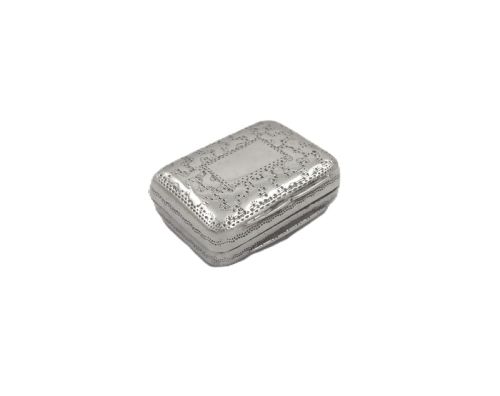
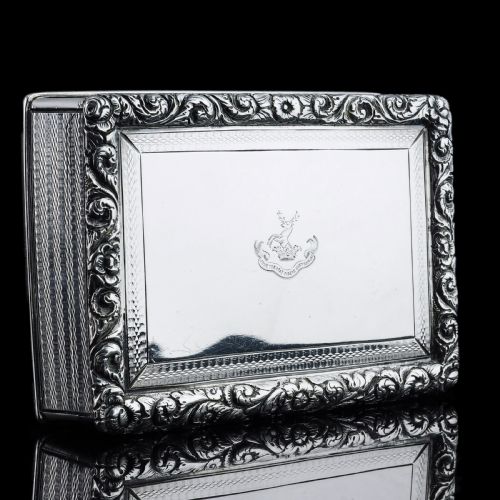
The versions most likely to meet you on this page are sterling silver boxes and vinaigrettes originating from Birmingham and London workshops. Alongside metal wares, organic materials such as carved horn, tortoiseshell, and coquilla nut appear frequently.
Forms include slim pocket boxes, double-lidded compartments, combination snuff and pill cases, and small nutmeg graters. Their primary function was to keep the contents dry and accessible while being carried in a waistcoat pocket.
How They Were Made
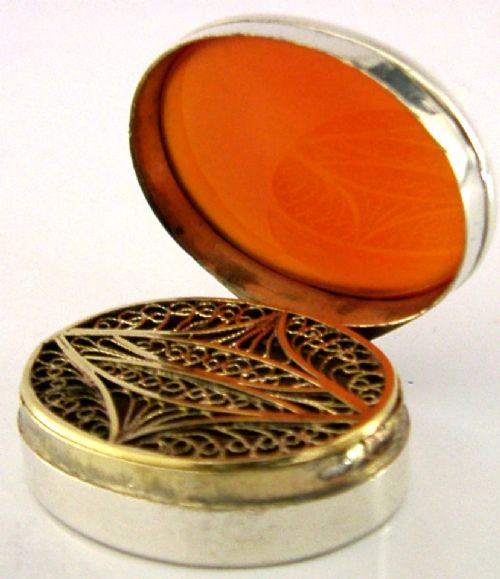
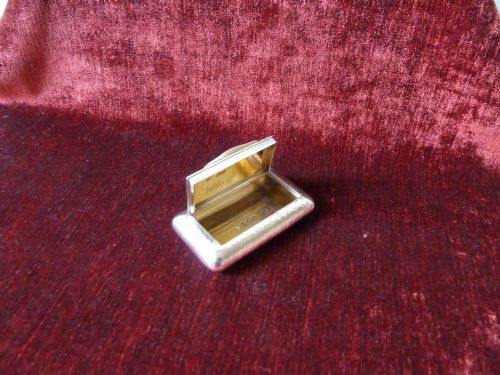
Silversmiths utilised techniques such as bright-cut engraving, floral chasing, and engine turning to decorate metal surfaces, often finishing the interior with a layer of gold wash known as silver gilt. Makers shaped sterling silver and 18ct gold into hinged boxes, frequently incorporating agate panels or inset shells.
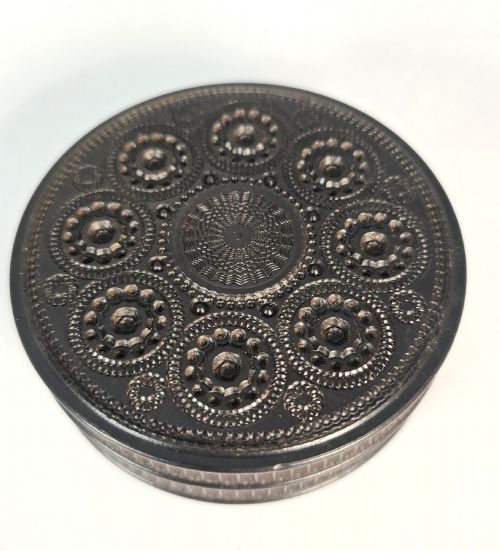
Organic materials required entirely different crafts, relying on intricate carving, turning on a lathe, and polishing. Coquilla nut, horn, ebony, and tortoiseshell were shaped into tactile cases, sometimes enhanced with subtle engraving or applied gold details.
Georgian Pocket Snuff Retail Price Guide 2026
Typical asking prices for georgian pocket snuff among the pieces listed under this phrase on Sellingantiques today, from the lower quarter to the upper quarter. They describe what is for sale here now, not the wider market.
Makers working in Birmingham and London produced the majority of the recorded silver snuff boxes and vinaigrettes.
What Varies in Quality
The distinction between ordinary production and finer work lies in the crispness of the chasing, the tightness of the box hinge, and the quality of the materials chosen. Superior silver boxes exhibit sharp, deep engraving that remains intact across the lid and borders, whereas lesser examples show worn or shallow decoration from heavy use.
Makers who supplied luxury items paid close attention to the internal fit of the lid and the weight of the metal used in construction. In organic pieces, quality is judged by the depth and clarity of the carving on materials like coquilla nut and horn, as well as the preservation of the surface sheen.
Joseph Willmore·Joseph Taylor·John Shaw·Thomas Shaw·William Eaton·Alexander James Strachan·Charles Rawlings·Matthew Linwood·Joseph Ash
The Georgian Pocket Snuff Glossary
- Vinaigrette
- A small hinged box containing a perforated internal grille, designed to hold a sponge soaked in aromatic vinegar. These pieces are closely related to snuff containers but served a distinct freshening purpose.
- Silver Gilt
- Sterling silver that has been coated with a thin layer of gold on the interior or exterior surface. This technique protected the silver from the corrosive properties of tobacco and added a rich visual warmth.
- Coquilla Nut
- The hard, dark brown fruit of a South American palm tree that was widely turned and carved into small boxes during the nineteenth century. It is valued for its dense grain and ability to take fine detail.
- Bright-Cut
- An engraving technique utilising faceted cuts made with a V-shaped graving tool to create geometric or floral patterns that catch the light. This method was prominent on silver items during the Georgian period.
- Engine Turned
- A mechanical method of engraving precise, intricate geometric patterns into metal or wood surfaces using a lathe. This finish provided a tactile texture and reduced the appearance of minor handling marks.
Georgian Pocket Snuff: Frequently Asked Questions
How were these boxes used?
Owners carried these small containers in waistcoat or coat pockets, opening the hinged lids to pinch a small amount of tobacco for nasal consumption. Some dual-purpose examples also housed pills or small medicinal items.
Vinaigrettes served a related function by holding scented sponges beneath a pierced grille to mask unpleasant odours in public spaces.
How do I care for antique horn?
Antique horn and organic materials require stable environmental conditions with moderate humidity to prevent drying and cracking. Keep them away from direct sunlight and excessive heat sources.
Cleaning should be done gently with a dry, soft cloth, avoiding harsh chemical polishes or water immersion that might damage the natural structure.
How do I identify silver hallmarks?
British silver hallmarks typically include a maker's mark, a standard mark indicating silver purity, a town mark showing where the item was assayed, and a date letter signifying the year of manufacture.
Consulting standard reference books or guild records allows you to match these stamped symbols to specific silversmiths and assay offices.