





Georgian Plant Holder
A georgian plant holder brings natural greenery into period interiors with distinct timber craftsmanship, combining utilitarian origins with refined display.
Georgian Plant Holder
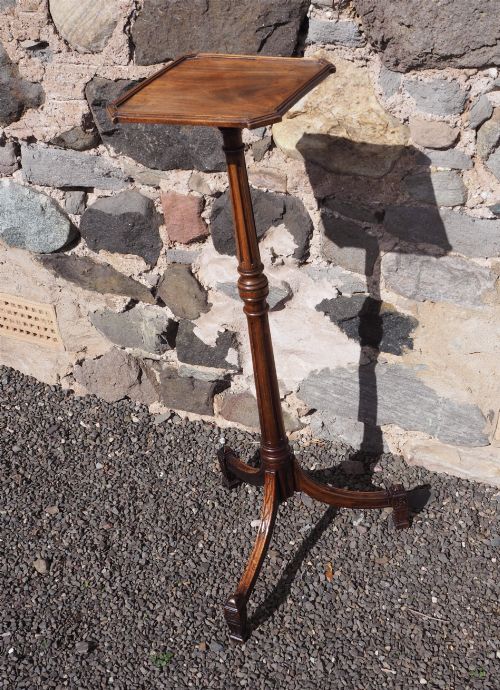
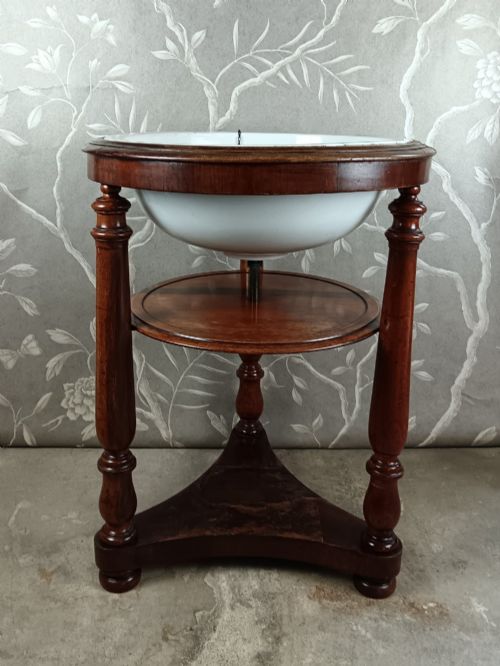
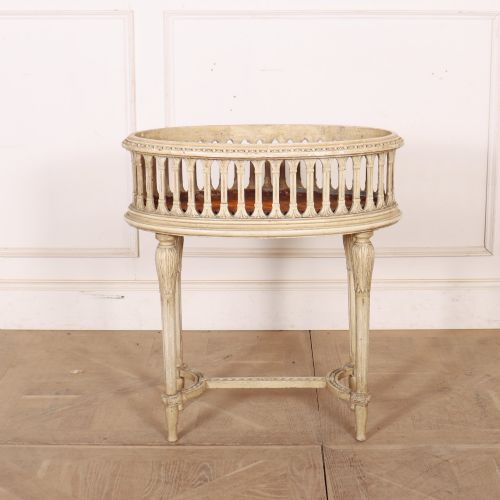
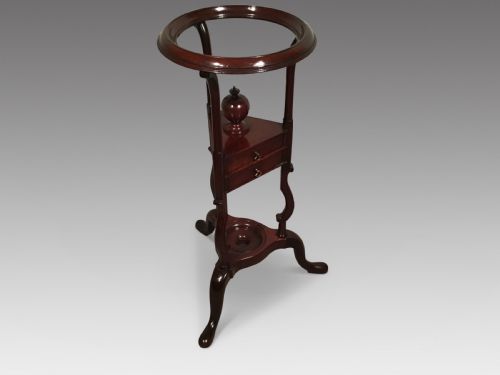
When searching for a georgian plant holder, buyers encounter a diverse selection of timber stands, jardinières, washstands, and torchères spanning the Georgian era and its later revivals. These pieces encompass forms designed originally for washing, shaving, or lighting, which now serve admirably for displaying potted plants and botanical specimens within period rooms.
The assortment on this page includes items fashioned from rich woods like mahogany and walnut, alongside coopered vessels and painted finishes. Origin styles range from Dutch floral pieces to English George II and George III designs, offering varied silhouettes from tall torchères to low bowl stands.
Buyers are most likely to meet mahogany plant stands and jardinière stands dating across the eighteenth and nineteenth centuries, reflecting the enduring utility of these sturdy wooden furnishings. Such pieces provide stable platforms for greenery while adding architectural character to domestic spaces.
How they were made
Maker construction relies heavily on cabinet timbers such as mahogany and walnut, frequently accented with brass bands, metal liners, or delicate satinwood inlay. Coopered construction techniques appear in circular vessels, utilising tight wooden staves bound with metal hoops to contain moisture securely.
Joinery methods encompass traditional turning, carving, and paint application, ensuring structural integrity alongside decorative appeal. Wood surfaces showcase natural grain patterns or painted treatments that reflect the aesthetic preferences of their respective periods.
Georgian Plant Holder Retail Price Guide 2026
Typical asking prices for georgian plant holder among the pieces listed under this phrase on Sellingantiques today, from the lower quarter to the upper quarter. They describe what is for sale here now, not the wider market.
Listings feature mahogany, walnut, and brass materials across Georgian, Victorian, and Edwardian periods.
What varies in quality
Quality differences emerge in the selection of timber veneers, the crispness of carved details, and the integrity of internal metal or wooden linings. Superior examples exhibit finely figured mahogany or walnut grain, precise coopered stave work, and harmonious proportions.
Lesser pieces may demonstrate simpler turnings, plain secondary woods, or heavier surface wear that obscures the original craftsmanship. The sophistication of the overall silhouette, whether a slender torchere or a robust campaign washstand, dictates the upper tier of quality.
The Georgian Plant Holder Glossary
- Coopered
- Constructed from wooden staves fitted together side by side and bound by metal hoops, similar to barrel-making. This technique prevents splitting and holds moisture effectively.
- Torchere
- A tall, slender decorative stand originally designed to hold a candle or lamp. In modern settings, it frequently supports a trailing plant or floral arrangement.
- Jardiniere
- An ornamental pot or stand designed to hold flowers or growing plants. They appear in ceramic, metal, or coopered wood.
- Washstand
- A piece of furniture created for personal hygiene, featuring basins or cutouts that readily accommodate plant pots today.
- Satinwood Inlay
- Decorative contrasting wood inserted into the primary timber surface to create geometric or floral patterns. It enhances the visual richness of Georgian furniture.
Georgian Plant Holder: Frequently Asked Questions
What is a georgian plant holder?
A georgian plant holder encompasses functional wooden stands, jardinières, and adapted washbasins originating from the eighteenth century or later revivals. These furnishings are utilised to elevate botanical displays within traditional interiors.
They combine practical timber construction with decorative silhouettes designed to support potted greenery securely.
How were these stands used originally?
Many pieces began as washstands, shaving stands, wig stands, or torchères intended for domestic grooming and lighting. Their sturdy frames and elevated platforms made them natural candidates for holding heavy basins or candles.
Over time, collectors repurposed these stable wooden forms to display potted plants and floral arrangements.
What woods are commonly found?
Makers relied predominantly on dense hardwoods such as mahogany and walnut for their strength and rich grain patterns. Satinwood inlay and painted finishes also appear on select decorative examples.
Metal elements like brass bands frequently reinforce coopered planters to withstand moisture from watering.
How to identify period styles?
Period identification relies on observing specific construction techniques, wood choices, and design motifs associated with Georgian, Dutch, or Victorian eras. Details like turned legs, coopered staves, and brass hardware offer clear chronological clues.
Comparing proportions and joinery methods helps distinguish eighteenth-century originals from later nineteenth-century revivals.