

Georgian Picture
A georgian picture brings the domestic interiors, portraiture and pastoral scenes of past centuries directly into modern rooms.
Georgian Picture
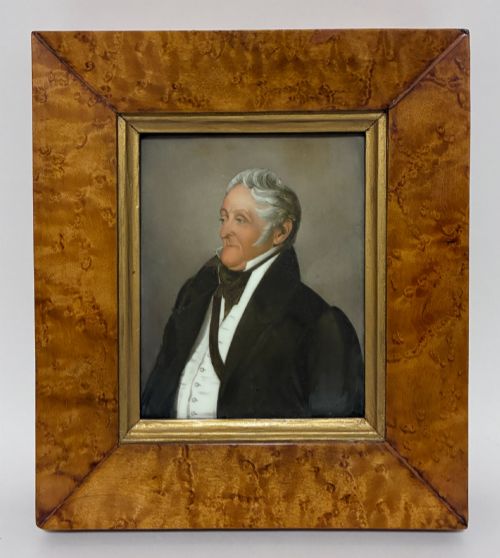
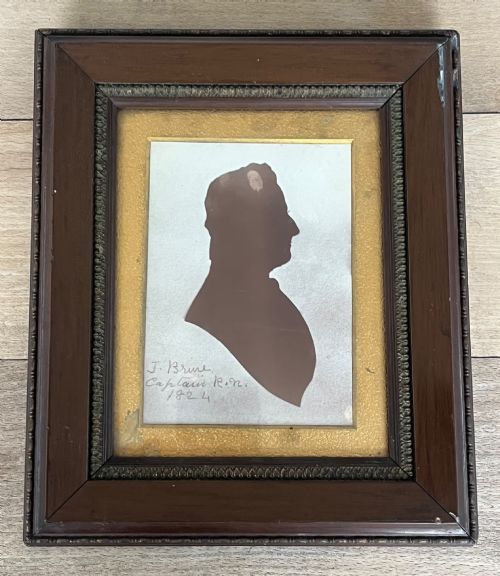
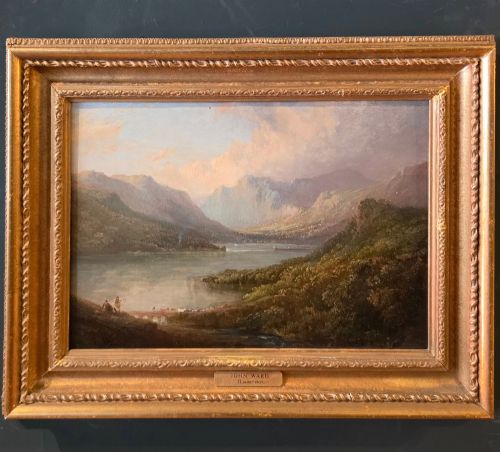
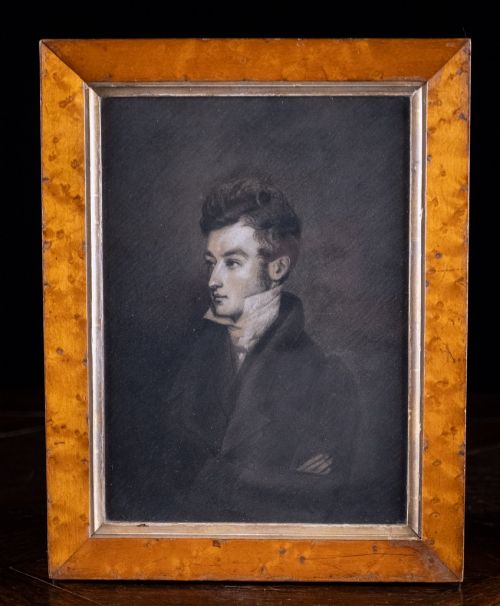
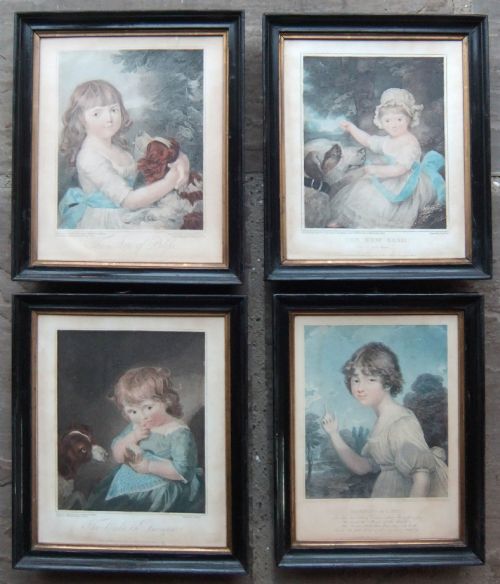
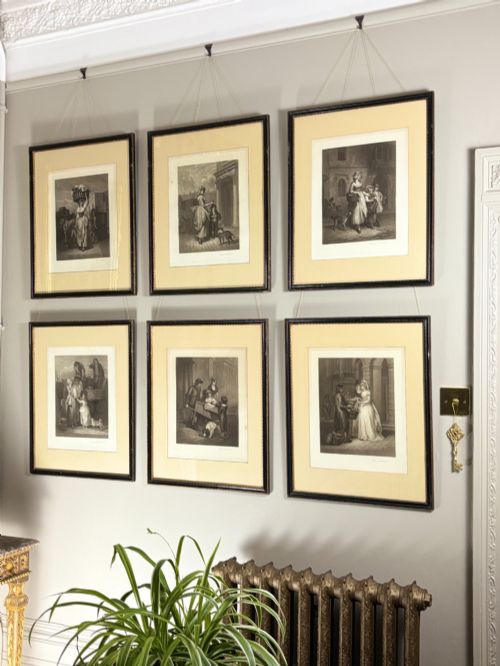
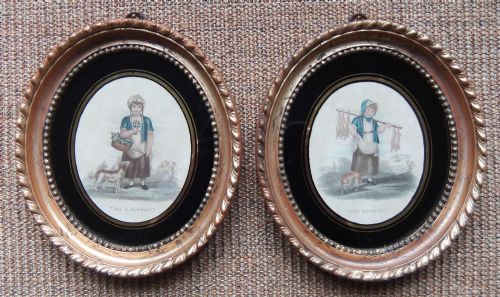
When searching for a georgian picture, collectors encounter a diverse group of works spanning wall art, framed prints and portrait miniatures. The selection unites oil paintings, watercolours, engravings and silhouettes produced across the eighteenth and nineteenth centuries.
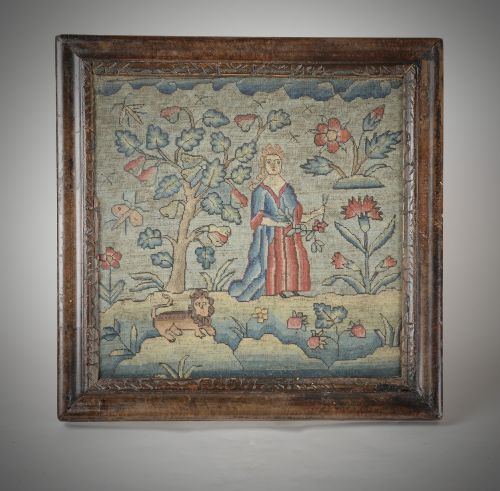
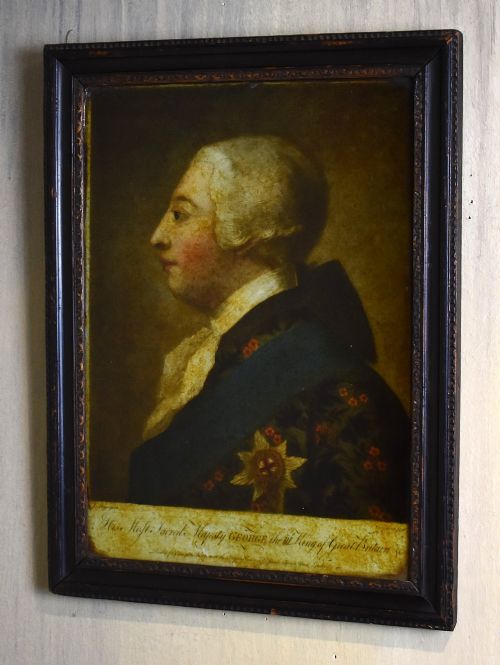
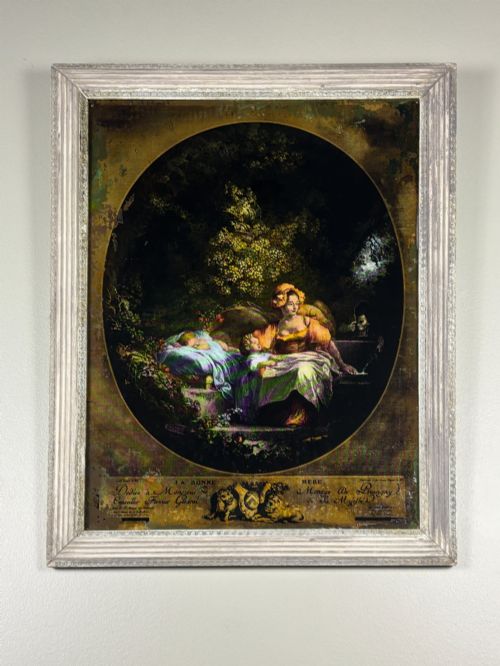
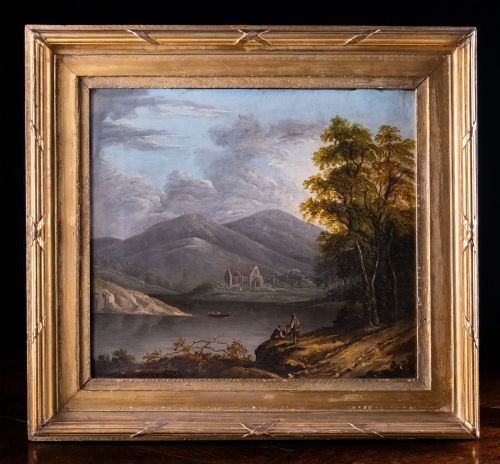
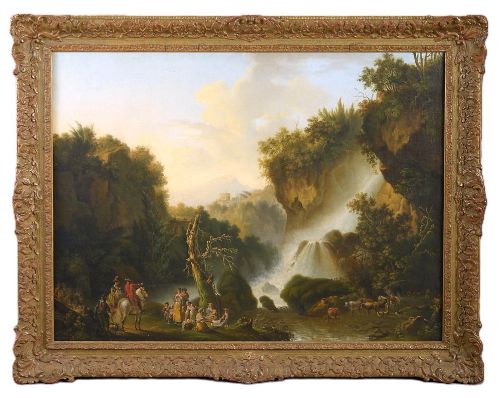
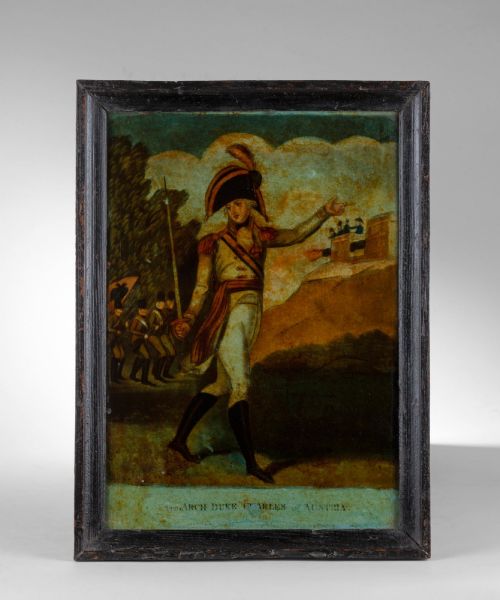
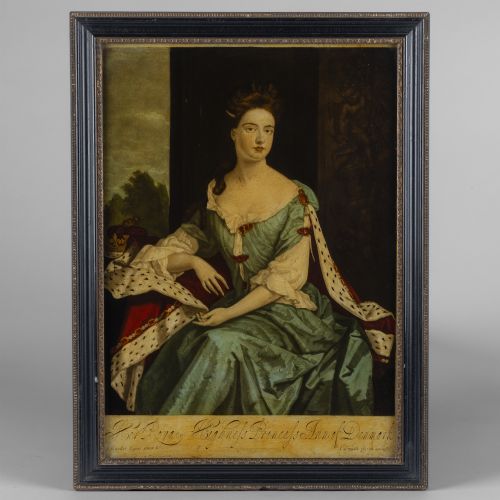
The objects take many forms, from intricate folk art collages and porcelain plaques to reverse glass mezzotints and needlework samplers. Subjects range from classical scenes and topographical views to detailed likenesses of nobility and everyday figures.
While many pieces date from the Georgian and Regency eras, the category extends to include Victorian interpretations and works reflecting earlier French and British schools. Buyers find both intimate domestic portraits and grand historical subjects.
Materials and techniques
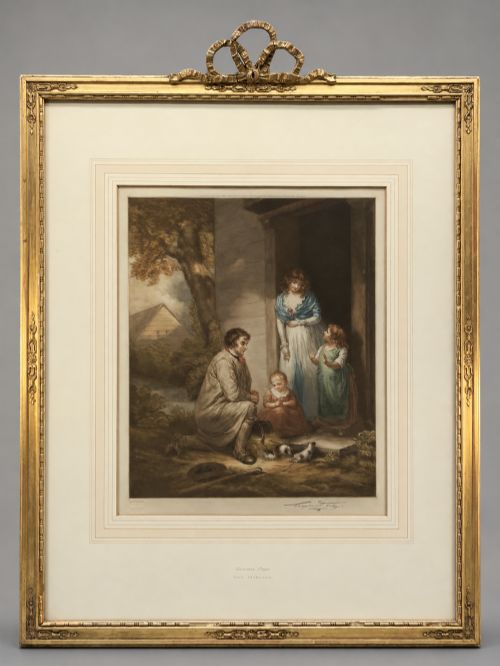
Makers utilised paper, canvas, glass and tin as foundations, applying oil paint, watercolour, ink and gold leaf to create depth and detail. Mezzotints and engravings involved meticulous plate work, often finished with hand colouring.
Specialised methods included reverse painting on glass, cut paper silhouettes and woven silk construction. These delicate techniques required steady hands and specific pigments, resulting in durable surfaces that survive across centuries.
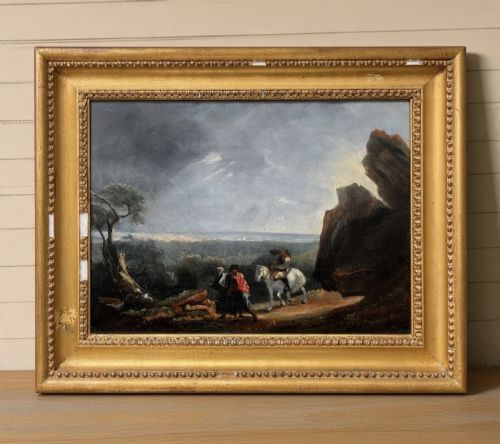
Framing played an integral part in the creation of a georgian picture, employing giltwood, maple and period mouldings to protect and complete the artwork.
Georgian Picture Retail Price Guide 2026
Typical asking prices for georgian picture among the pieces listed under this phrase on Sellingantiques today, from the lower quarter to the upper quarter. They describe what is for sale here now, not the wider market.
Distinguishing quality in early works
Quality rests upon the precision of the draughtsmanship and the expressive depth captured by the maker. In portraiture, the handling of light on fabric and the natural posture of the sitter mark the distinction between standard trade output and masterwork execution.
The survival of original colouring, paper integrity and unblemished glass surfaces elevate a piece. Works retaining their initial period frames demonstrate a higher degree of historical completeness.
George Morland·William Barnard·James Ferguson·Samuel Howitt·James Watson·Francis Cotes·Edmund Bristow·John Jones·Sir Joshua Reynolds·William James Hubard·Sir Martin Archer Shee·Sebastiaan Vrancx·Charles Spooner·Augustin Edouart·William Hogarth
The Georgian Picture Glossary
- Mezzotint
- A printmaking process where the copper plate is roughened to achieve rich tonal gradations and deep shadows. This technique allowed printmakers to replicate the soft effects of oil paintings.
- Reverse glass painting
- An image applied directly to the back of a glass panel so that the finished piece is viewed through the transparent front. This method protects the pigments from dust and fading.
- Stipple engraving
- A method of creating prints using dots rather than continuous lines to build form and shade. It produced delicate flesh tones popular in eighteenth-century portraiture.
- Miniature
- A small-scale portrait painted on ivory, vellum or card for personal carriage or intimate display. These portable works required extreme miniature brushwork.
- Silhouette
- A solid profile portrait cut from black paper or painted onto card or glass. The form gained popularity for its striking simplicity before the invention of photography.
Georgian Picture: Frequently Asked Questions
How were these pictures displayed?
Owners typically hung these framed works in parlours, drawing rooms and private studies as central decorative elements. Miniature portraits and silhouettes were often kept on mantelpieces or carried in travel cases.
Larger oil paintings and framed engravings established the status and tastes of the household, while samplers demonstrated domestic accomplishments.
How do I care for antique paper and watercolours?
Keep works away from direct sunlight to prevent the fading of ink, watercolour and hand-applied pigments. Maintain stable room temperatures to avoid moisture damage to paper supports.
Ensure backing boards and framing materials are acid-free to preserve the integrity of the substrate over decades.
What distinguishes a mezzotint from a standard engraving?
A mezzotint relies on a textured plate surface to build velvety dark areas and subtle tonal gradients without harsh lines. Standard engravings use etched or carved lines to define shapes and shadows.
This tonal variation gives mezzotints a painterly quality closer to oil on canvas.
How can I tell a Georgian frame from a later replacement?
Examine the timber construction, corner joins and the composition of the gesso or gilding for signs of age. Period frames often show shrinkage cracks in the gesso and oxidation appropriate to the century.
Backboards, old nails and fixings also provide clues regarding the originality of the mounting.