





Georgian Period Silver
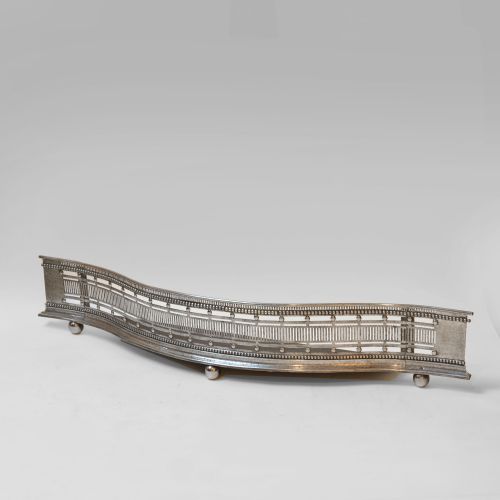
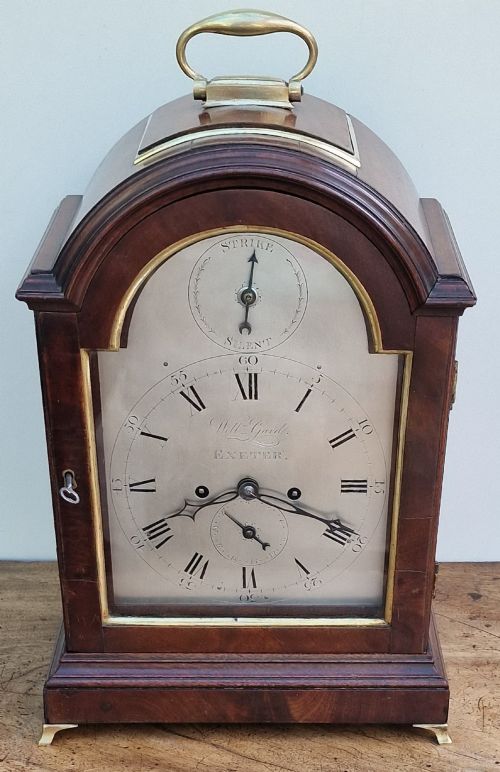
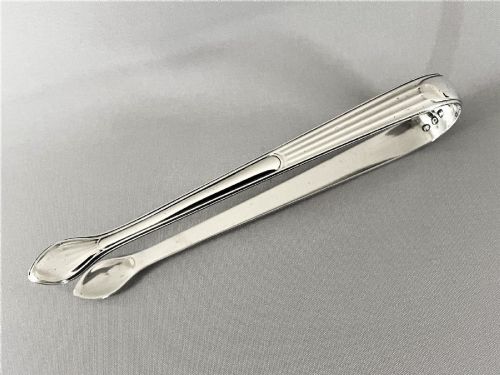
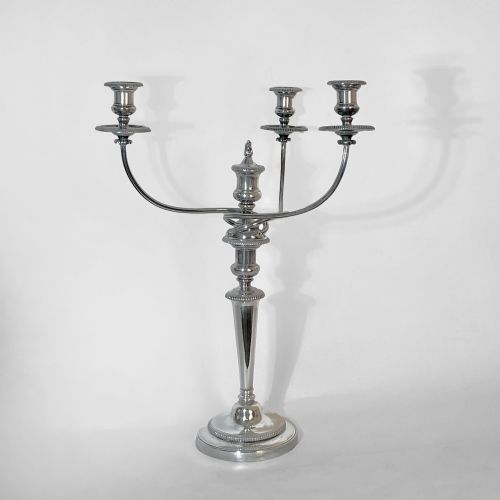
Georgian period silver encompasses table silver, tea caddies, shoe buckles and candelabra forged in sterling silver, old Sheffield plate and gold.
Georgian Period Silver
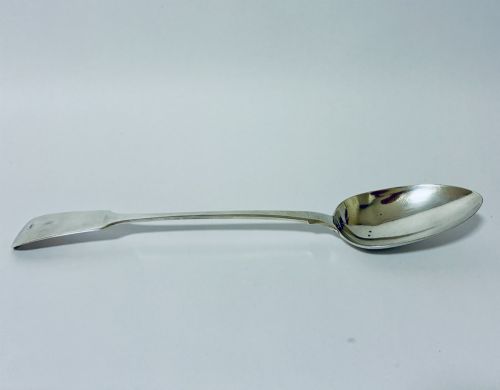
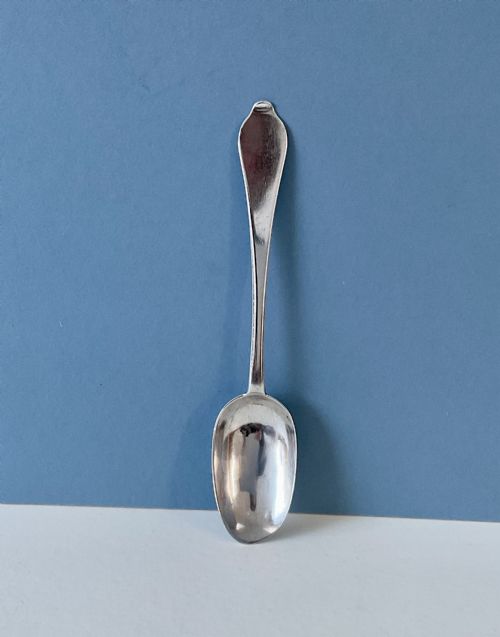
Georgian period silver spans domestic dining accessories, personal ornaments and lighting equipment produced during the eighteenth and early nineteenth centuries. A buyer searching this phrase encounters serving spoons, tea sets, wine coolers, shoe buckles and cutlery made from sterling silver and old Sheffield plate.
The objects originate from Georgian, Regency, Queen Anne, Chippendale, Sheraton and George III contexts, alongside select items from the seventeenth century and nineteenth century. Tableware and small ornamental items dominate the available selections.
Most entries reflect domestic use in dining rooms, tea rooms and hearths, utilising materials like sterling silver, steel, mahogany, copper and glass.
How they were made
Silversmiths shaped solid sterling silver through casting, hammering and raising, applying hallmarks to record town, maker and year. Old Sheffield plate fused a thin sheet of silver to a thicker copper core, creating durable dining wares without the weight of solid metal.
Items incorporate supporting materials such as mahogany, steel, glass, tortoiseshell, satinwood and paste stones, assembled with period joinery and silver mounts. Engraving and repoussé work added decorative grape vine, leaf and crested details to tea services, spoons and boxes.
Georgian Period Silver Retail Price Guide 2026
Typical asking prices for georgian period silver among the pieces listed under this phrase on Sellingantiques today, from the lower quarter to the upper quarter. They describe what is for sale here now, not the wider market.
Listings feature sterling silver, old Sheffield plate, mahogany, tortoiseshell, glass and steel across Georgian, Regency and eighteenth century periods.
What varies in quality
Quality depends upon the crispness of chased and engraved decoration, the integrity of original hallmarks and the survival of intended components like fitted cases or matching glass bottles. Items retaining clear town marks, maker stamps and period crests demonstrate higher silversmithing execution.
Construction methods distinguish standard domestic production from specialised workshop output, visible in the weight of the silver, the precision of tortoiseshell veneers and the quality of old Sheffield plate fusing.
William Gard·Bateman Family·Isaac Davenport·Matthew Boulton And Co·Reily And Storer·Solomon Hougham
The Georgian Period Silver Glossary
- Sterling silver
- A silver alloy containing 92.5 percent silver by mass, utilised for durability in domestic plate and cutlery. It forms the primary metal standard for the era.
- Old Sheffield plate
- A composite material formed by fusing a thin sheet of silver to a copper ingot, developed for accessible luxury tableware. It shows subtle lines of copper where edges meet.
- Candelabra
- Branched lighting fixtures designed to hold multiple candles, produced in silver and old Sheffield plate. They often feature removable branches for alternative use as single candlesticks.
- Tea caddy
- A small lidded box constructed to store loose tea leaves securely, frequently fashioned from tortoiseshell, satinwood or mahogany with silver mounts. Many incorporate internal compartments and miniature locks.
- Hallmark
- An official stamp applied to precious metals indicating purity, origin assay office, maker and date of manufacture. These marks provide the primary documentation for dating historical silver.
Georgian Period Silver: Frequently Asked Questions
What is georgian period silver?
Georgian period silver comprises domestic and personal metalwork created during the reigns of the Georges, Queen Anne and the Regency era. This category includes functional tableware, tea caddies, shoe buckles and lighting equipment.
Items utilise sterling silver, old Sheffield plate, steel, gold and glass, reflecting the design styles of Chippendale, Sheraton and classical revival periods.
How do I identify old sheffield plate?
Old Sheffield plate is identified by examining edges and worn spots where the underlying copper core shows through the silver layer. This fused composite predates modern electroplating.
Pieces usually lack sterling hallmarks because the technique relied on fused sheet metal rather than solid silver standards.
How were tea caddies used?
Tea caddies served to store expensive tea leaves under lock and key in domestic reception rooms. The mistress of the house kept the key to control access to the precious contents.
Many caddies feature internal compartments and tortoiseshell or mahogany construction with silver mounts to match other dining room furnishings.
How do I read silver hallmarks?
Hallmarks are small stamped symbols indicating the purity standard, the assay office city, the specific year letter and the maker's mark. These impressions verify the legal metal grade and origin.
Reference tables match the letter punches and maker initials to historical records, dating the piece to a specific year and workshop.