
Georgian Period Painting
When you examine a georgian period painting, you encounter centuries-old portraiture and figurative works that capture the likenesses and scenes of past eras.
Georgian Period Painting
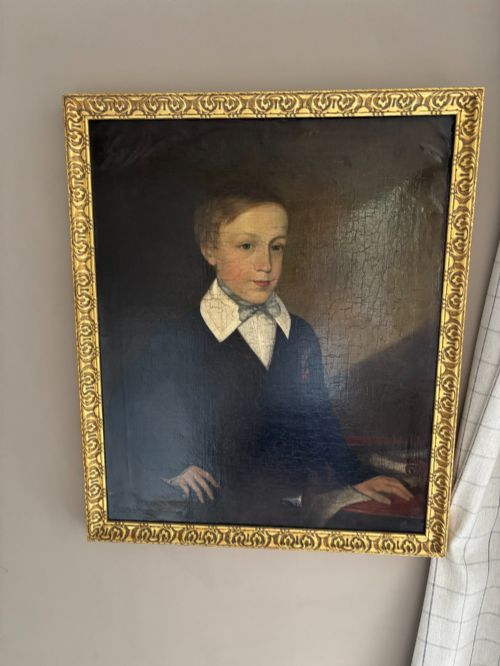
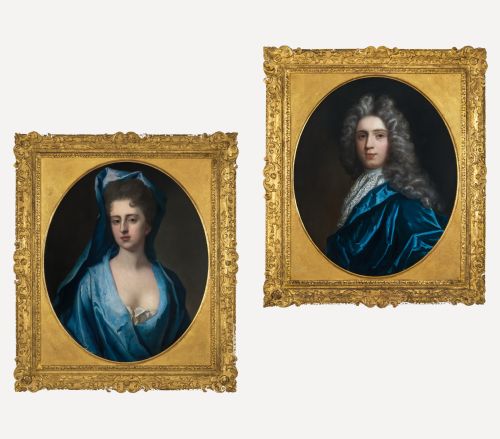
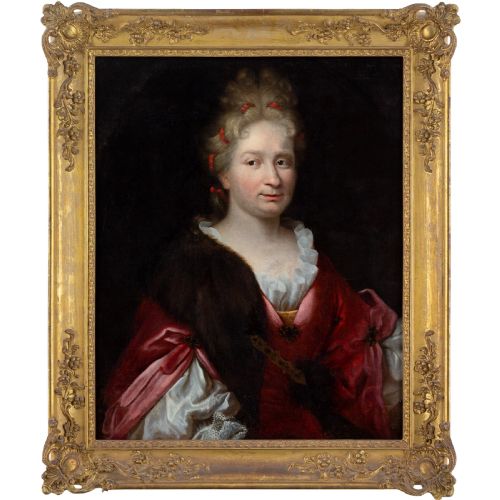
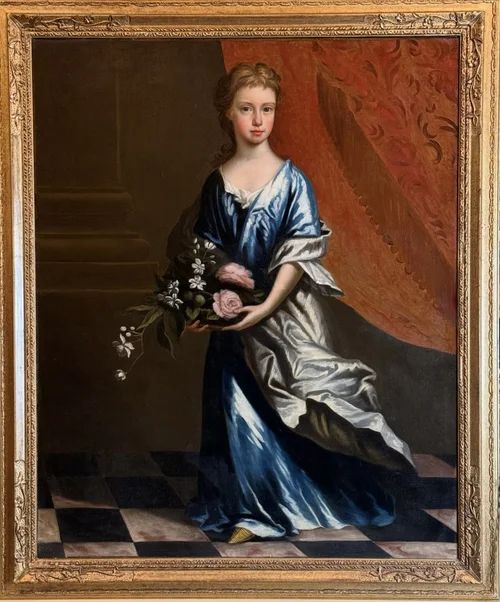
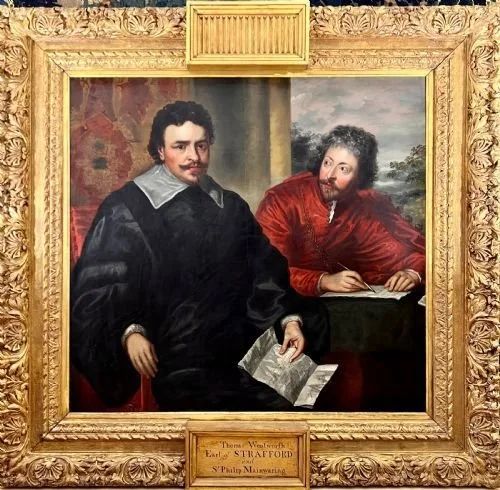
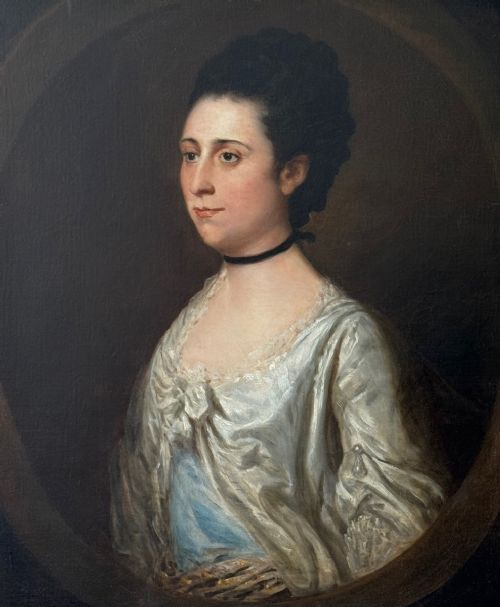
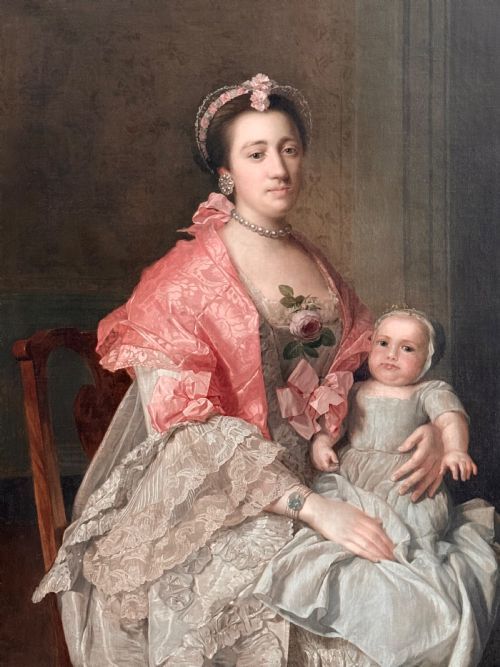
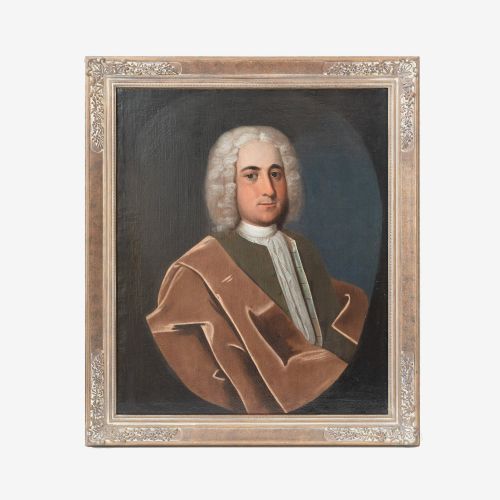
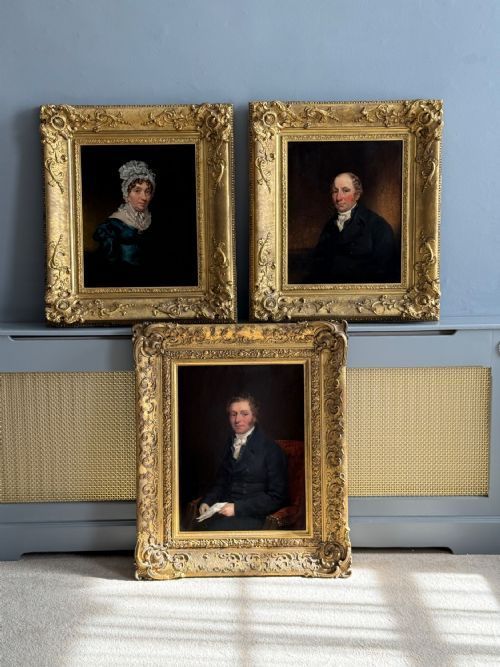
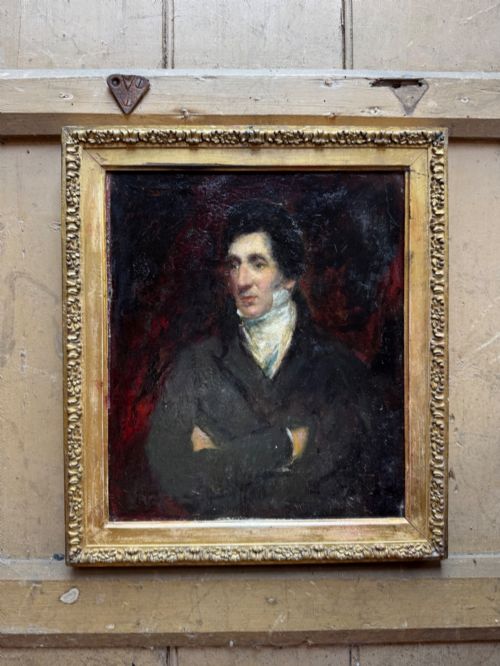
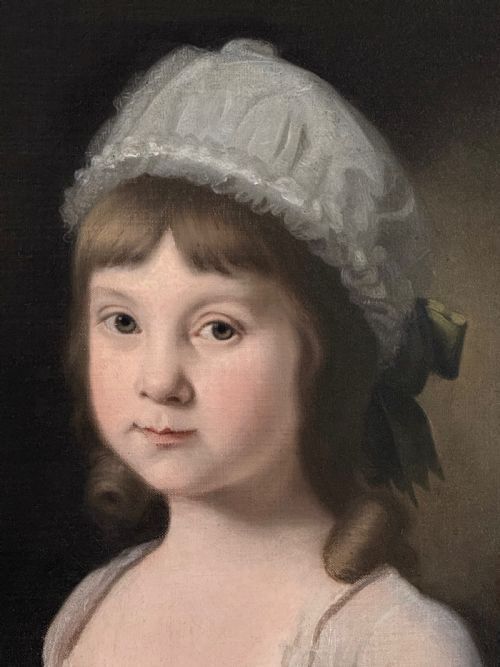
A georgian period painting encompasses oil portraits, watercolours, and reverse glass mezzotints created across the eighteenth and nineteenth centuries. These works frequently depict notable figures, children, and domestic scenes rendered by established British artists and regional schools.
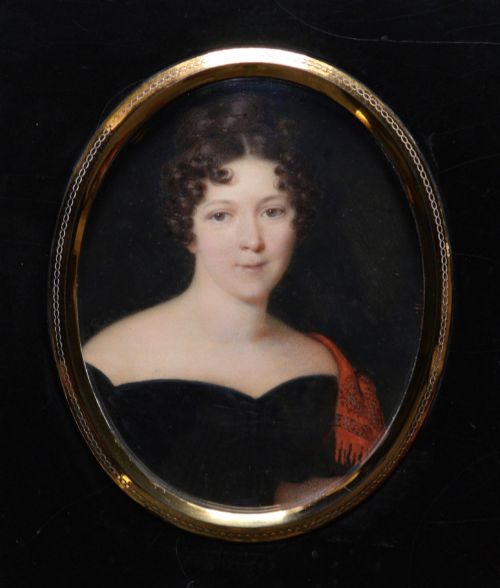
The versions most frequently encountered on this page include oil portraits on canvas and panel, alongside delicate watercolour scenes and miniature silhouettes. Such pieces reflect the stylistic shifts from Queen Anne through to the Regency and George III neoclassical periods.
Collectors often seek these artworks to anchor period interiors or to acquire historical portraits with documented attributions. The selection spans grand oil paintings in original frames as well as intimate cabinet miniatures.
Materials and Technique
Artists of this era utilised oil on canvas or wooden panel as a primary medium, building rich tonalities through layered glazes and pigments. Watercolour on paper and reverse glass mezzotints also appear among the surviving works, demonstrating varied graphic techniques.
Frames play a significant role in the construction of these pieces, frequently incorporating carved giltwood or painted wood that complements the aesthetic of the canvas. The preparation of grounds and the application of gold leaf highlight traditional workshop practices of the time.
Several portraits preserve the intense gaze of subjects who sat patiently while artists mixed linseed oil in drafty rooms.
Assessing Quality
The distinction between tiers rests upon the precision of the brushwork, the psychological depth captured in facial expressions, and the attribution to named artists or recognised schools. Superior examples display confident draughtsmanship and careful anatomical proportion.
Condition and originality further differentiate the works, particularly the survival of the original surface pigment and contemporary framing. Pieces retaining their historic backing and untouched painted surfaces command greater scholarly interest.
JOSEPH CLOVER RA·JOSHUA REYNOLDS PRA·THOMAS BEACH·JOHN RUSSELL·SIR THOMAS LAWRENCE·FRANCIS HAYMAN
The Georgian Period Painting Glossary
- Oil on Canvas
- Pigments bound in a drying oil applied to a woven fabric support. This technique allowed artists to achieve subtle tonal gradations and rich surface textures.
- Reverse Glass Mezzotint
- An image printed and transferred onto the underside of a glass pane, then hand-coloured. This delicate medium produced luminous decorative pictures.
- Neoclassical
- A style drawing inspiration from the classical art and culture of ancient Greece and Rome. It emphasises austere dignity, clean lines, and classical motifs.
- Giltwood
- Wood carved and coated with a thin layer of gold leaf or metallic powder. It provided opulent framing for fine art and mirrors during the period.
- Regency
- The period spanning the early nineteenth century characterised by distinct architectural and decorative arts trends. Works from this time often incorporate classical motifs and painted finishes.
Georgian Period Painting: Frequently Asked Questions
How do I date a georgian period painting?
Dating relies upon stylistic markers, costume details of the subjects, and stretcher construction methods. Examining the canvas weave and any inscriptions on the reverse offers further chronological clues.
Comparison with documented works by contemporary artists or regional British schools helps narrow the production window to specific decades within the eighteenth or nineteenth centuries.
Were these paintings always framed in giltwood?
While giltwood frames are common among grand portraits, many works utilised simpler painted wood or wood finished with dark varnishes. The choice of frame depended on the domestic setting and the social status of the patron.
Original frames that match the age of the canvas are particularly valued by collectors for preserving the historical integrity of the piece.
How should I care for an oil on canvas?
Maintain stable ambient temperatures and low humidity to prevent the canvas from slackening and the oil paint from developing craquelure. Keep the artwork away from direct sunlight to avoid fading the delicate pigments.
Dust the surface gently with a soft, dry brush and avoid using liquid cleaners or abrasive materials on the painted layer.
What subjects appear most frequently?
Portraiture dominates the category, ranging from formal depictions of military officers and gentry to charming studies of children. Landscape and narrative scenes also feature among the surviving inventory.
These subjects provide visual documentation of contemporary dress, interior decor, and social hierarchies across the Georgian era.