

Georgian Period Mahogany Furniture
Georgian period mahogany furniture offers timeless utility, featuring substantial chests of drawers, dining chairs and bookcases shaped by centuries of cabinet-making skill.
Georgian Period Mahogany Furniture
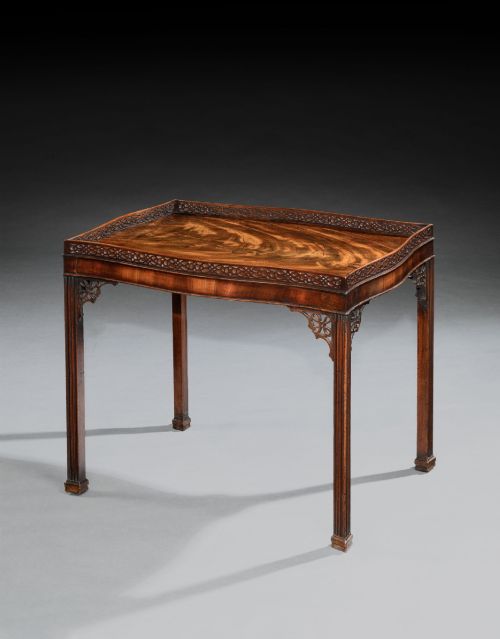
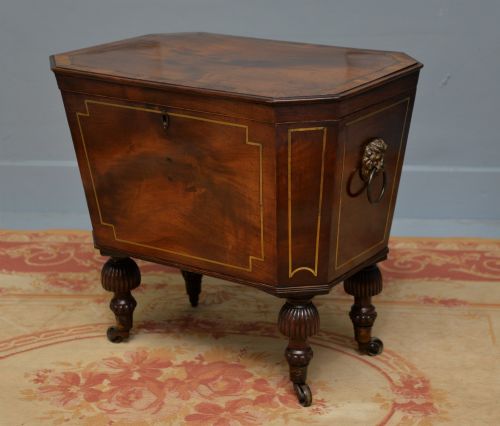
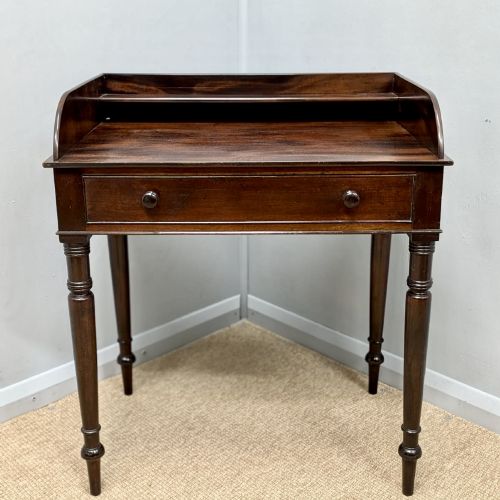
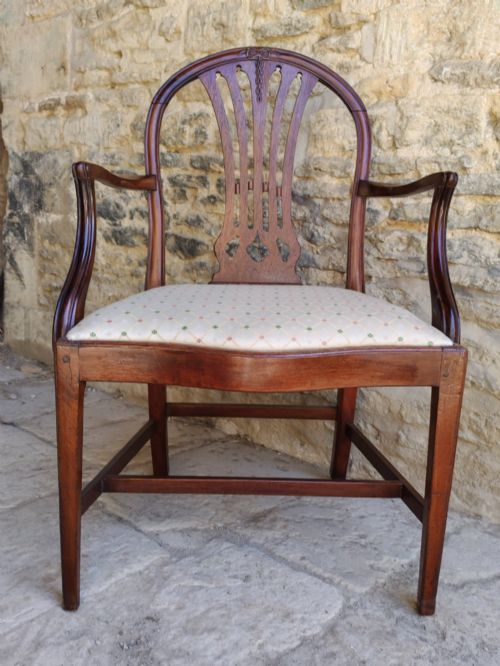
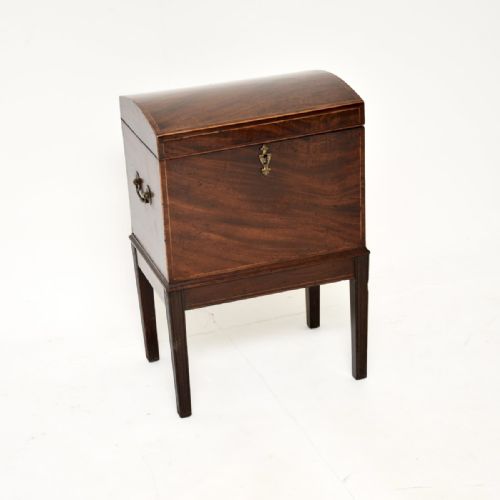
When you search for georgian period mahogany furniture, you encounter domestic items built primarily during the eighteenth and early nineteenth centuries. These survivors range from modest corner cabinets and occasional tables to large chests on chests and sets of dining chairs.
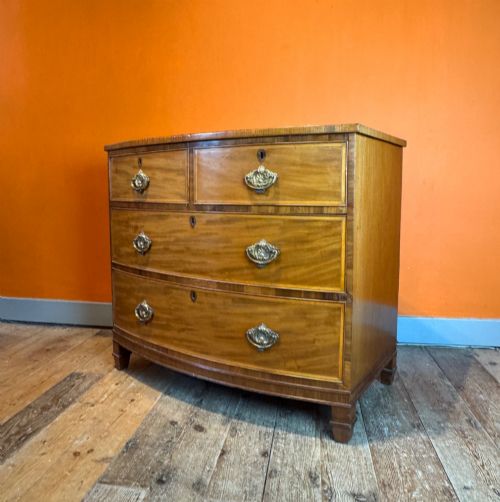
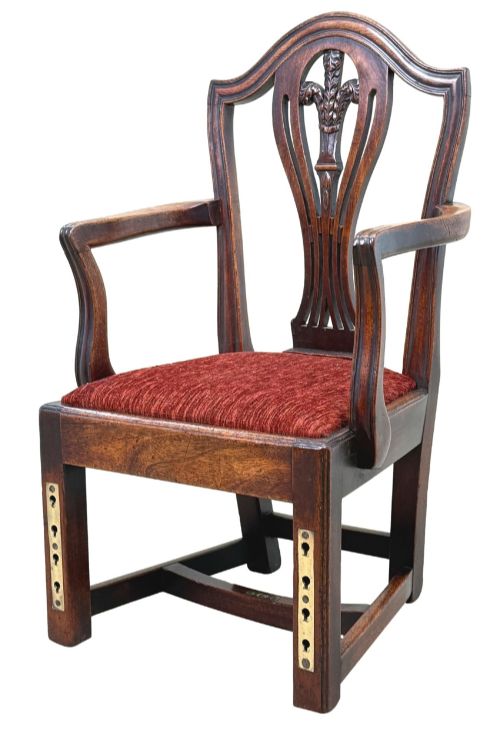
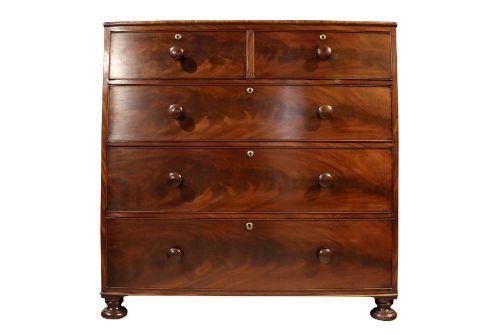
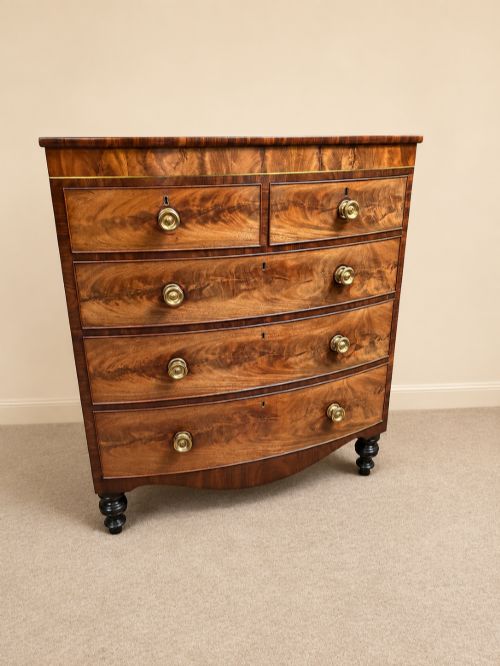
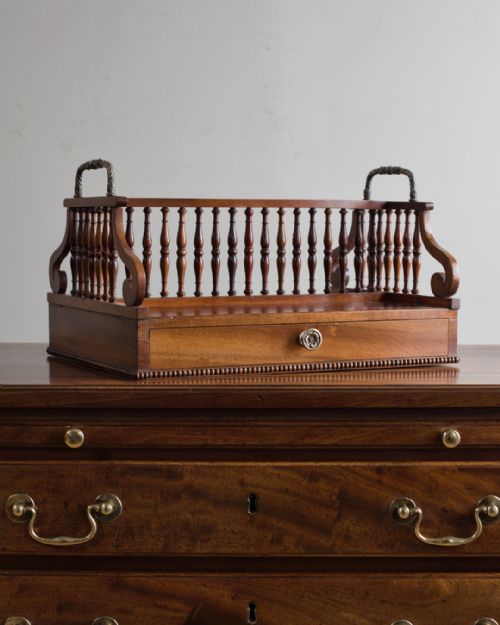
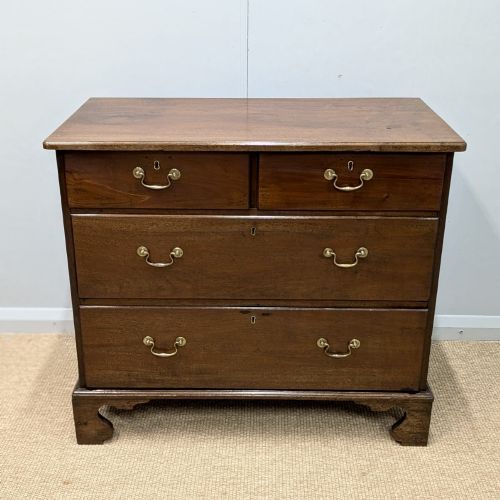
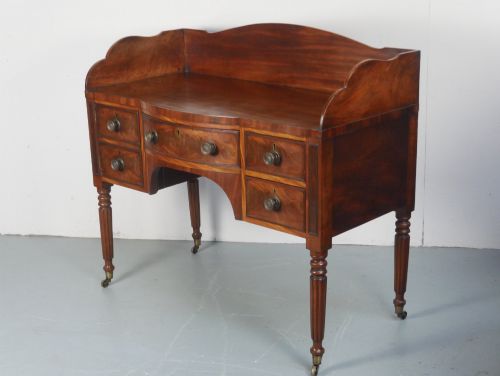
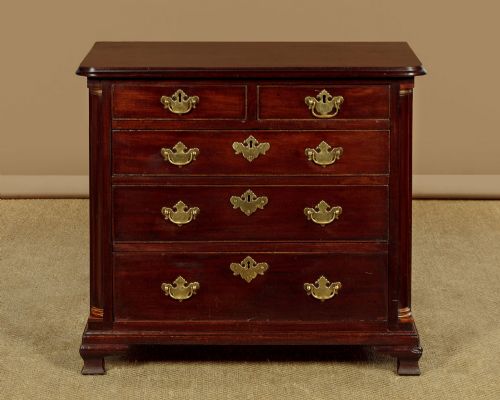
The most common forms on this page are chests of drawers, often featuring bow fronts or bracket feet, alongside dining seating and sideboards. Pieces span several eras including George II, George III, and the Regency period, capturing shifts in domestic interior design.
Makers and cabinet-makers utilised durable timber to construct functional pieces for parlours, libraries and dining rooms. Later revival pieces also appear, reflecting enduring tastes for these classic forms.
Materials and Construction Methods
Cabinet-makers relied heavily on solid and figured mahogany, often complemented by secondary timbers such as oak. Workshops integrated brass handles, hinges and escutcheons to secure functional components.
Surface decoration frequently involved boxwood inlay to create geometric borders and contrasting panels. Upholstery fabric, leather and glass completed seating, writing desks and bookcase doors.
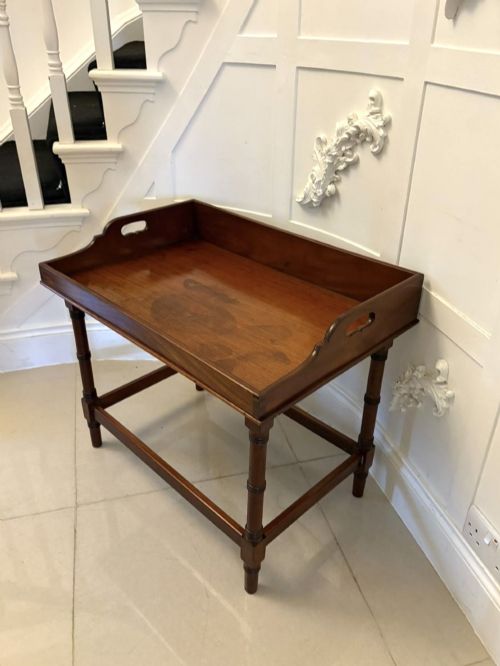
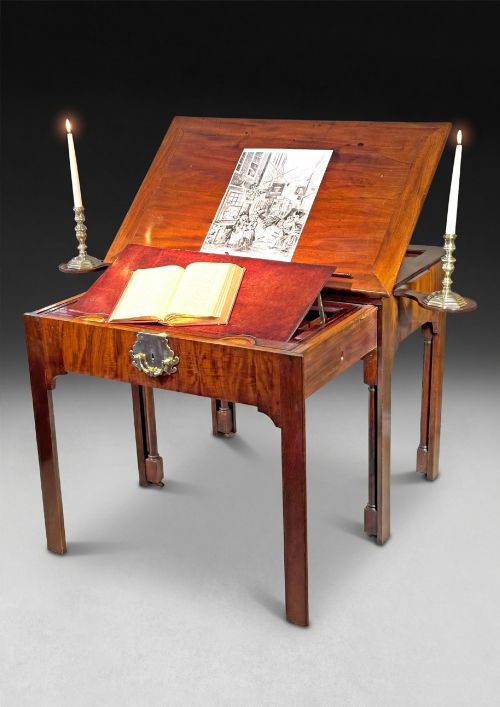
Joinery techniques prioritised sturdy frame construction, dovetailed drawer boxes and stable folding mechanisms for tea tables.
Georgian Period Mahogany Furniture Retail Price Guide 2026
Typical asking prices for georgian period mahogany furniture among the pieces listed under this phrase on Sellingantiques today, from the lower quarter to the upper quarter. They describe what is for sale here now, not the wider market.
Current listings feature mahogany, oak, brass, glass and leather across periods spanning George II, George III, Regency and Edwardian eras.
Factors Determining Quality
The choice of timber grain distinguishes standard items from superior examples. Figured mahogany displays rich, dynamic patterns across drawer fronts and table tops, whereas plain stock appears uniform.
Precision in the cabinet-work dictates overall execution. Crisp boxwood inlay, well-fitted bracket feet and smooth drawer operation separate master workshops from provincial joinery.
Original brass hardware and untouched surface patination preserve authenticity and value more effectively than modern replacements or stripped finishes.
The Georgian Period Mahogany Furniture Glossary
- Bowfront
- A curved cabinet or chest front that swells outward in the centre. This configuration gained popularity during the late eighteenth century to soften room angles.
- Bracket foot
- A simple structural foot supporting the corners of a case piece, shaped like a bracket. They appear frequently on chests of drawers from the Georgian era.
- Canterbury
- A small low stand with partitioned sections, used for holding sheet music or books. Regency examples often feature slatted sides and low castors.
- Chest-on-chest
- A tall storage unit formed by stacking a smaller chest of drawers directly upon a wider base chest. These pieces maximise vertical storage.
- Étagère
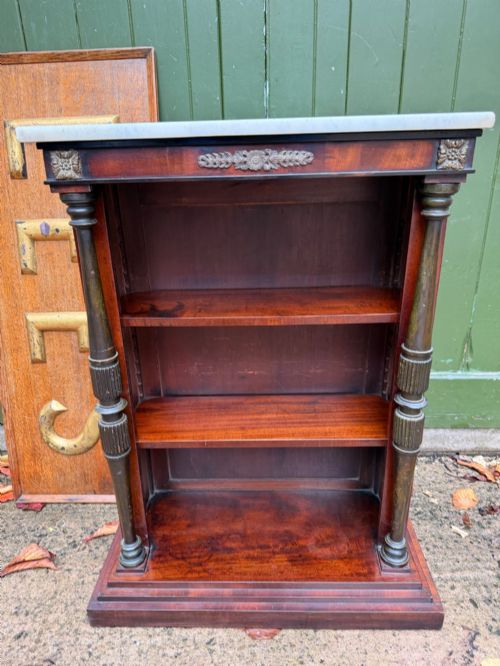
- An open tiered shelving unit designed for displaying decorative objects or books. Regency variants combine portable utility with refined proportions.
Georgian Period Mahogany Furniture: Frequently Asked Questions
How do I spot a genuine Georgian piece?
Examine the construction methods visible inside the drawers and carcass. Hand-cut dovetails and secondary woods like oak indicate period manufacture rather than modern production.
Check the surface for natural patination and wear consistent with age. Alterations to handles or feet often reveal themselves through filled screw holes and mismatched timber tones.
How should I care for mahogany surfaces?
Keep wooden items away from direct sunlight and heat sources to prevent the timber from splitting or warping. Maintain stable indoor humidity levels.
Dust regularly with a soft dry cloth and apply occasional high-quality beeswax to nourish the grain. Avoid silicone-based sprays that damage historic finishes.
What is the difference between Georgian and Regency styles?
Georgian furniture spans the reigns of the Georges, encompassing robust early styles through the refined neoclassical lines of George III. Forms remain balanced and draw heavily on classical architectural motifs.
Regency design reflects the early nineteenth century and draws inspiration from ancient Roman, Greek and Egyptian aesthetics. Pieces often incorporate bolder brass mounts, sabre legs and exotic timber veneers.
Can I use these items in a modern home?
These domestic items adapt easily to contemporary interiors due to their practical proportions and functional designs. Chests of drawers, sideboards and occasional tables serve daily storage and display needs.
Pairing antique wood with modern seating creates a balanced room scheme. Solid construction ensures these survivors withstand everyday domestic use.