

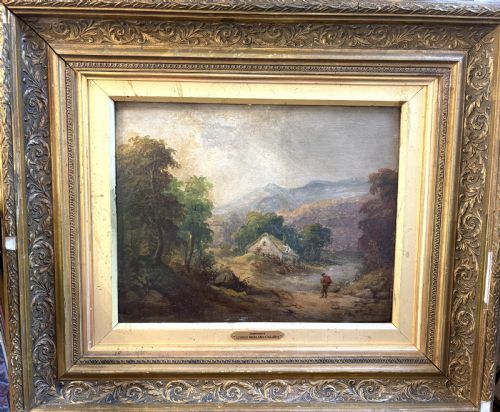


Georgian Pastoral Landscape Painting
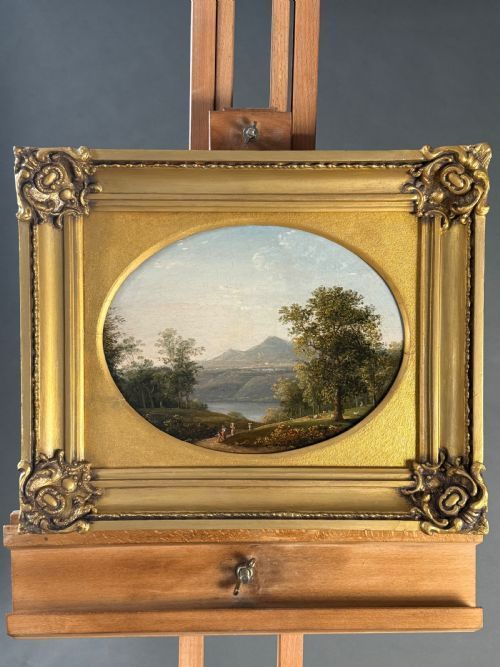
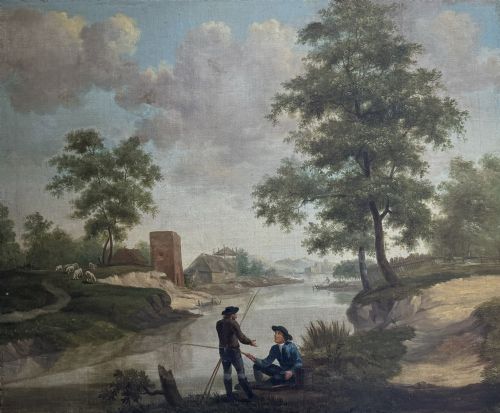
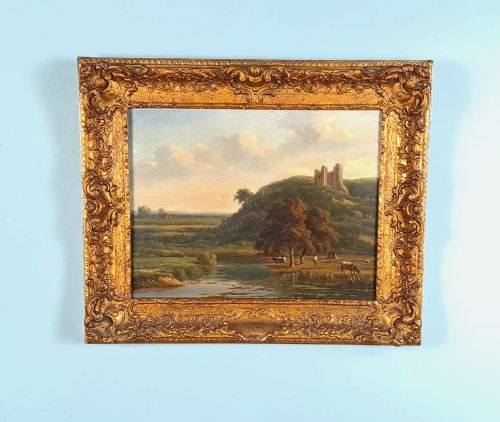
A georgian pastoral landscape painting brings rural idylls, cattle, and classical ruins indoors through oils on canvas and watercolour.
Georgian Pastoral Landscape Painting
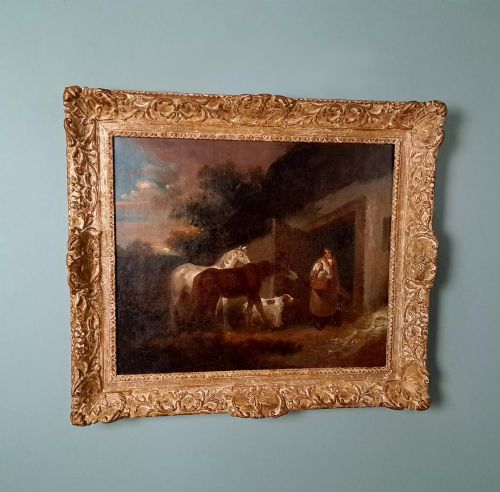
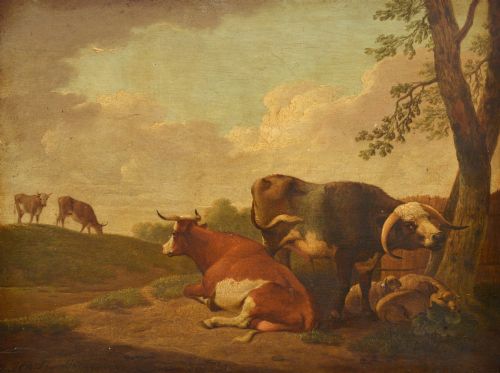
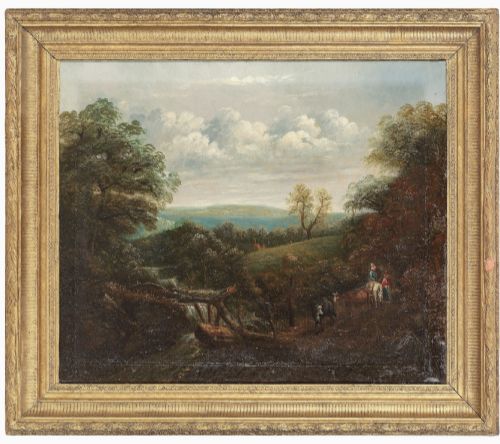
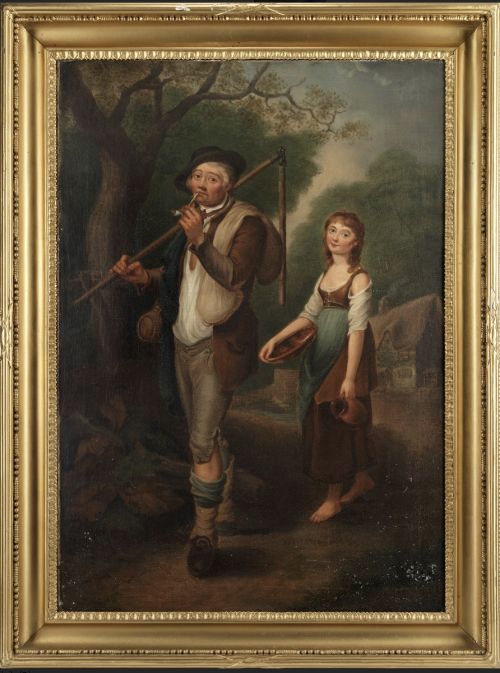
A georgian pastoral landscape painting captures rustic countryside scenes, farmworkers, rivers, and herds of cattle within a framed composition. These works bridge the eighteenth and nineteenth centuries, drawing on British and continental traditions.
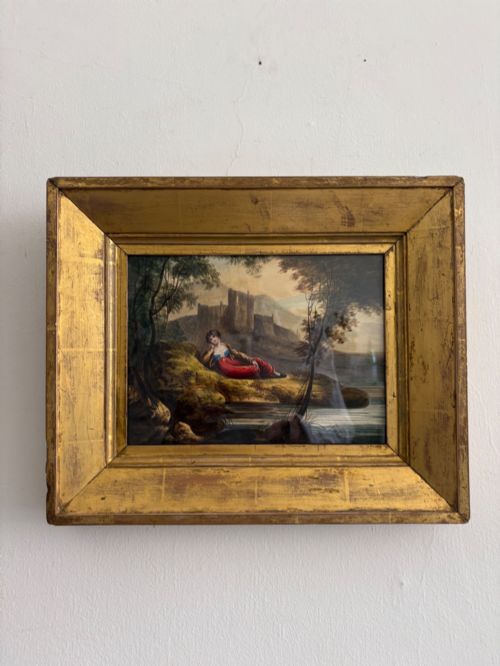
The selections here span oil paintings on canvas and board alongside watercolours and gouache, often housed in original giltwood frames. Subjects range from naive rural views to grand tour Italianate compositions.
Makers and followers represented include figures associated with the Norwich School and various British and European traditions. Buyers encounter everything from intimate watercolours to large oil canvases depicting riversides and milking scenes.
Distinguishing quality
Quality rests upon the handling of light, atmospheric depth, and the naturalistic rendering of figures and animals within the landscape. Finer examples display confident brushwork in foliage and water reflections.
The preservation of the original giltwood frame and the condition of the canvas surface contribute significantly to the standing of a piece.
Materials recorded across the inventory include canvas, wood, oil paint, gold leaf, giltwood, paper, and gilt.
William Joseph Shayer Senior·Hendrik Willem Schweickhardt·Thomas Barker of Bath·Jacob Philipp Hackert·T C Hofland·George Morland·John Sanderson Wells·Julius Caesar Ibbetson·Francesco Zuccarelli·John Inigo Richards·Richard Wilson·Claude Lorrain·James Ward·Thomas Jones
The Georgian Pastoral Landscape Painting Glossary
- Oil paint
- Pigment mixed with a drying oil, typically linseed, used widely on canvas and wood boards for landscape works. It allows for rich blending and textured impasto application.
- Giltwood
- Wood carved and coated with a thin layer of gold leaf or metal powder, forming the decorative frames typical of this period. These frames frequently survive alongside the paintings.
- Watercolour
- A paint consisting of pigment suspended in a water-based solution, applied to paper. It creates luminous, translucent rural scenes.
- Gouache
- An opaque water-based paint that includes a white pigment filler, producing solid areas of colour in works on paper. It often appears in picturesque landscape views from the eighteenth century.
- Grand Tour
- A cultural journey of Europe undertaken by wealthy young men in the eighteenth and nineteenth centuries, which inspired many classical landscape compositions.
Georgian Pastoral Landscape Painting: Frequently Asked Questions
What is a pastoral landscape?
A pastoral landscape depicts idealized rural life, typically featuring shepherds, cattle, milkmaids, and rustic cottages in gentle countryside settings.
These compositions often incorporate classical elements, such as distant ruins or Italianate river views, reflecting an eighteenth-century appreciation for tranquil nature.
How do I hang an oil painting?
Oil paintings on canvas or board require secure wall fixings suited to the weight of the timber and giltwood frame. Use picture wire rated well above the weight of the artwork.
Position paintings away from direct sunlight, radiators, and damp walls to protect both the canvas support and the painted surface from environmental stress.
Are watercolours different from oil paintings?
Watercolours utilise water-soluble pigments on paper supports, producing lighter, translucent effects that require protective framing behind glass. They are sensitive to light and benefit from careful placement.
Oil paintings use durable pigmented oils on canvas or wood boards, offering richer textures and greater resilience against environmental factors.
How can I tell the period of a frame?
Period frames often display hand-carved wooden moulding, gesso details, and genuine gold leaf application that shows subtle wear consistent with age. Construction joints at the corners can also indicate eighteenth or nineteenth-century craftsmanship.
Later replacement frames tend to use modern synthetic materials or machine-cut mouldings lacking the depth and patina of original giltwood.