



Georgian Paste Cluster
Georgian paste cluster pieces are bright, historic jewels set in silver and gold that bring genuine eighteenth-century sparkle to any collection.
Georgian Paste Cluster
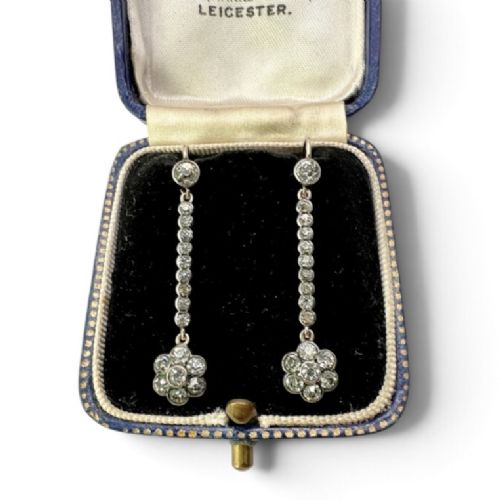
When you search for georgian paste cluster, you are looking at handcrafted jewels designed to catch candle-light with exceptional brilliance. These ornaments include rings, drop earrings, brooches, and pendants formed into floral or geometric arrangements.
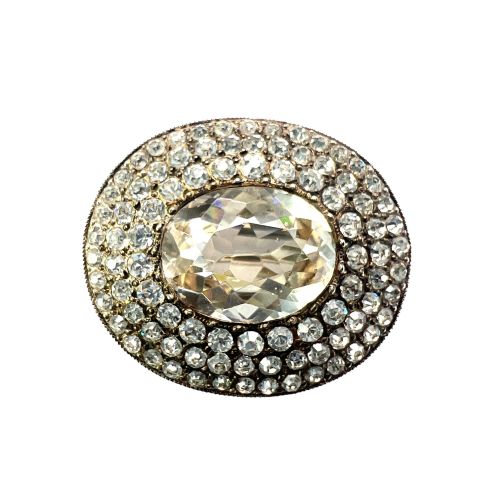
The most common examples you will meet on this page combine silver settings mounted on gold backs, featuring hand-cut glass stones. These pieces span multiple eras, appearing from the Georgian period through to later Victorian and Edwardian interpretations.
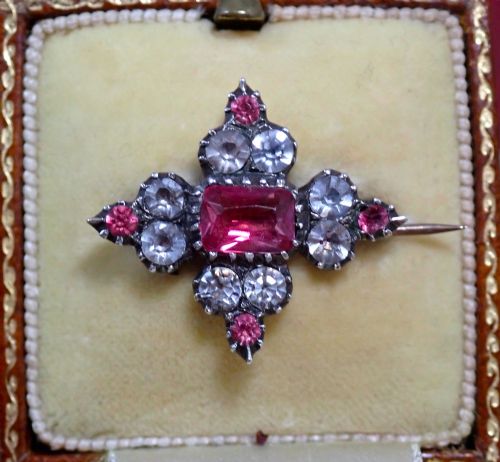
Cluster designs frequently arrange smaller stones around a central coloured or colourless paste, mimicking precious gems like emeralds and rubies. Their survival in wearable condition proves the enduring appeal of these historical glass-set jewels.
Materials and construction
Maker's workshops utilised silver set over gold backing plates, a traditional method that kept the front metal bright while using gold for strength against skin and clothing. Stones were individually hand-cut and foiled or backed with black dot paste techniques to enhance depth.
Glass paste was shaped and polished by hand rather than mass-produced by machine, resulting in subtle irregularities that confirm period manufacture. Prong and foil settings secured these fragile glass elements firmly within intricate floral and basket motifs.
Georgian Paste Cluster Retail Price Guide 2026
Typical asking prices for georgian paste cluster among the pieces listed under this phrase on Sellingantiques today, from the lower quarter to the upper quarter. They describe what is for sale here now, not the wider market.
Georgian jewellers occasionally used black paint to trick the eye into thinking glass was a deep, flawless mine-cut diamond.
Markers of fine work
Quality in these jewels rests upon the precision of the stone-cutting and the delicacy of the metalwork surrounding each cluster. Finer items display crisp floral symmetry and secure, integrated settings that hold every paste stone flush.
The sophistication of the underlying metal structure dictates the piece's tier, with superior examples showing careful double-metal construction where silver faces outward and gold supports the rear.
The Georgian Paste Cluster Glossary
- Black dot paste
- A tiny painted spot applied to the culet of a paste stone to simulate the open culet of a genuine mine-cut diamond. This technique is a hallmark of authentic period work.
- Giardinetti
- A small garden motif depicting flowers in a basket or vase, frequently rendered in coloured paste stones. These pieces were popular during the Georgian era.
- Lavalier
- A pendant featuring a swinging drop suspended from a chain, popularised in the Edwardian period. They often incorporate cluster elements at the focal point.
- Culet
- The flat facet at the bottom tip of a gemstone or paste stone. In antique glass, this area often shows specific hand-polishing marks.
Georgian Paste Cluster: Frequently Asked Questions
What is paste jewellery?
Paste jewellery consists of hand-cut and polished lead glass set into precious metals to imitate genuine gemstones. Artisans shaped these stones meticulously to capture light in candlelight settings.
Far from mere imitation, these pieces were valued in their own right for their artistic merit and intricate metalwork. They represent a high point of European lapidary skill.
Are these pieces made of solid gold?
Many examples utilise a combination of silver on the front face and gold on the reverse. This dual-metal technique kept the metal facing the viewer bright white while utilising gold for structural durability.
Some later nineteenth and early twentieth-century variations incorporate nine-carat gold alongside silver mounts. This combination reflects changing manufacturing methods across the periods.
What does black dot mean?
The black dot is a tiny painted mark applied to the back of certain paste stones to imitate the natural dark culet seen in antique cut diamonds. It adds depth and authenticity to the appearance of the jewel under historical lighting.
Finding this feature helps confirm the early manufacturing origins of the piece. It remains a prized detail for collectors of eighteenth-century ornaments.