

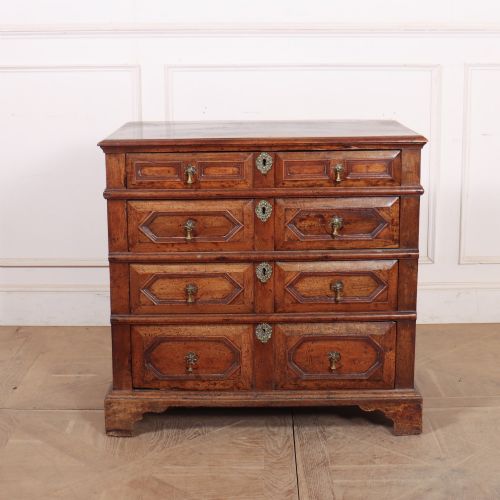


Georgian Panelled Dresser
A georgian panelled dresser brings sturdy eighteenth-century craftsmanship into a modern room, offering ample storage and rich historic character.
Georgian Panelled Dresser
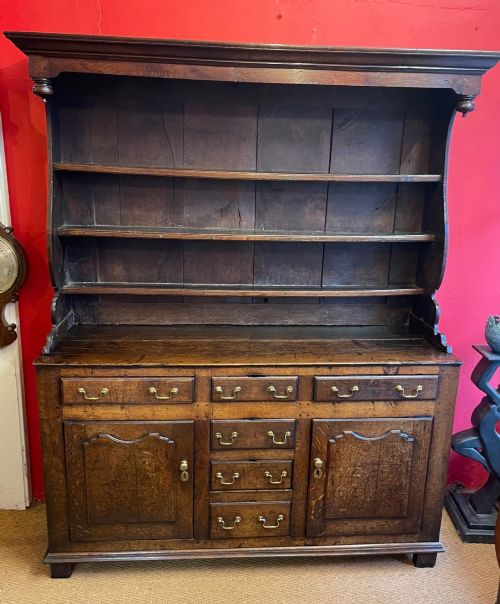
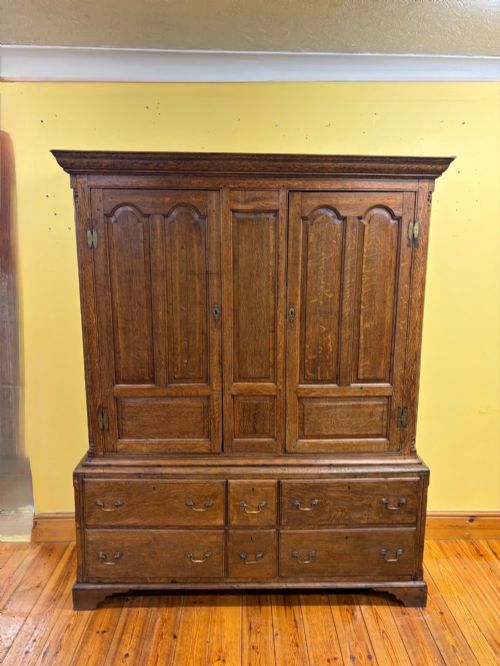
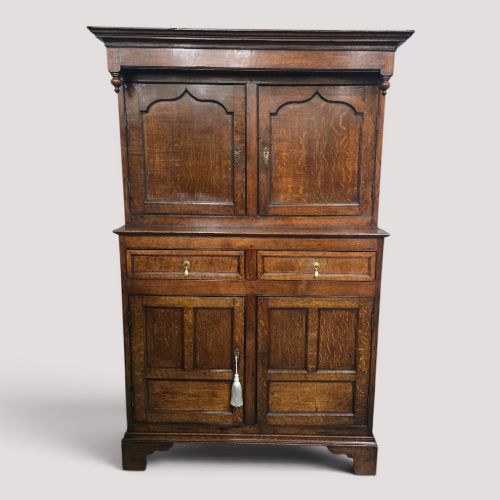
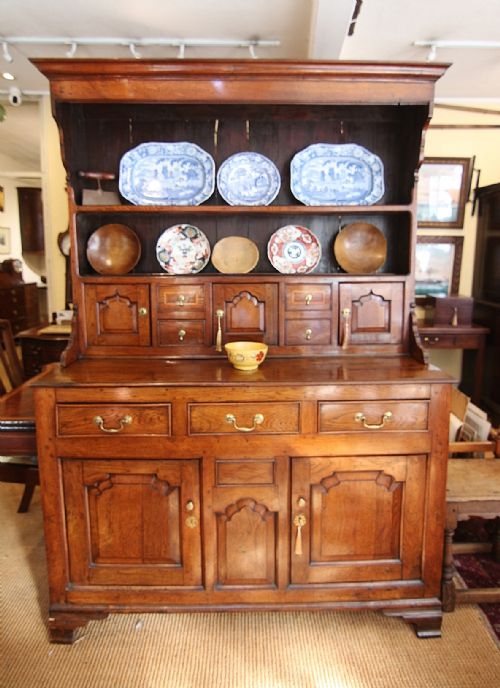
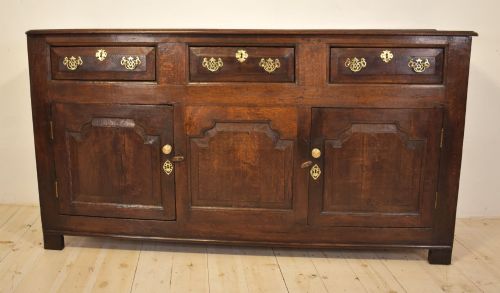
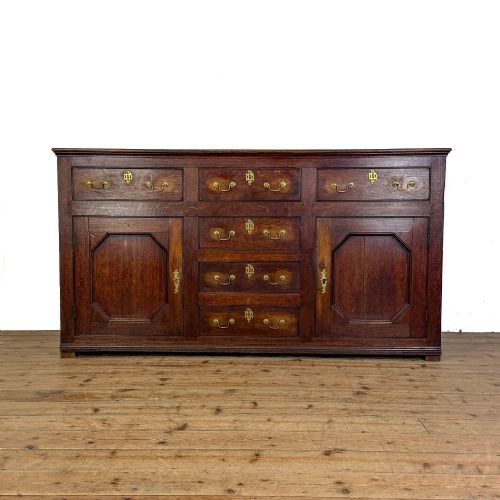
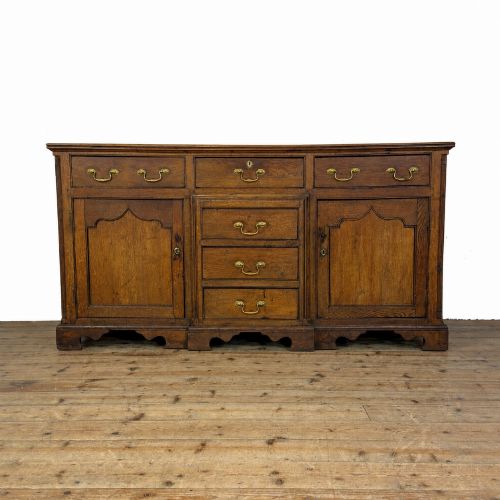
When searching for a georgian panelled dresser, buyers encounter substantial storage furniture originating primarily from the eighteenth century, including Welsh and English regional variations. These pieces often take the form of dresser bases, enclosed cupboards, and two-part units featuring upper racks or shelving.
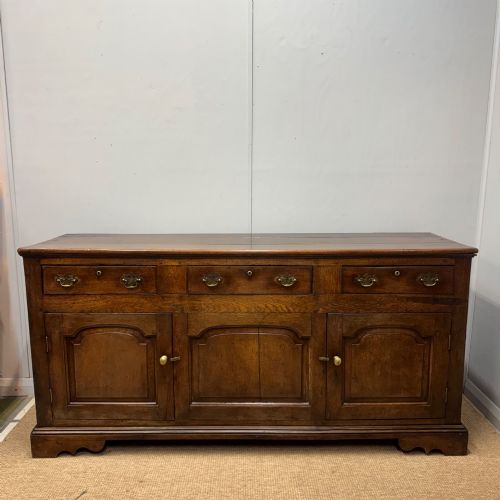
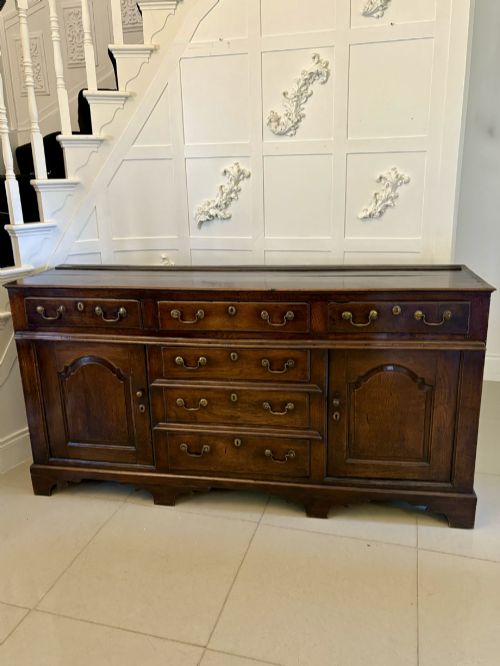
The most common form met on this page is the oak dresser base or housekeeper's cupboard, reflecting the domestic needs of Georgian country houses. Surviving examples span early Georgian, George II, and vernacular regional traditions such as Snowdonia styles.
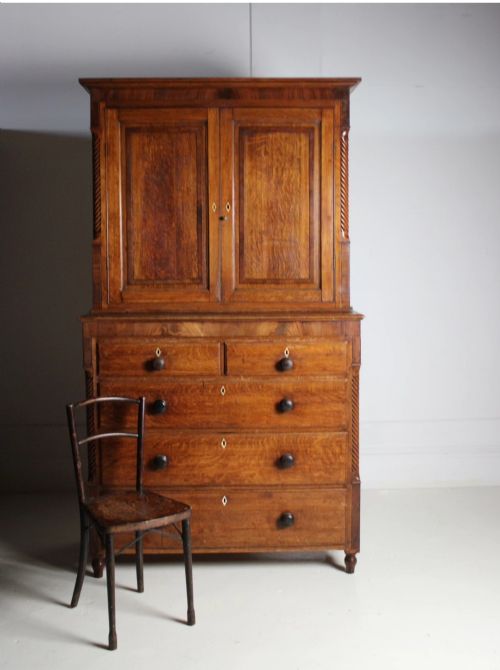
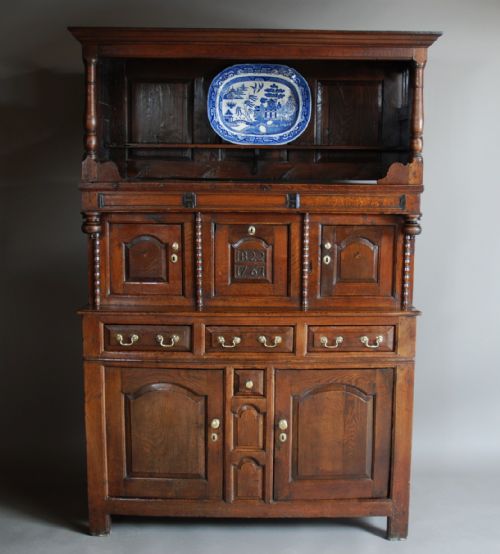
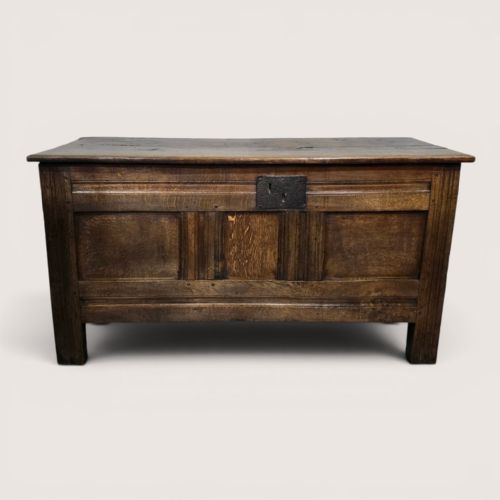
Beyond standard dressers, related forms like court cupboards, coffers, and chests of drawers appear frequently, sharing the heavy timber construction and panelled aesthetic characteristic of the period.
How they were made
Makers relied heavily on native timber, predominantly solid oak, supplemented by walnut, elm, and painted pine for specific regional pieces. Boards were joined using traditional frame and panel construction to accommodate seasonal wood movement.
Hardware and decorative details incorporated brass handles, iron fittings, bone accents, and inlay timber, while surfaces frequently show historic painted finishes or natural patination developed over centuries.
Georgian Panelled Dresser Retail Price Guide 2026
Typical asking prices for georgian panelled dresser among the pieces listed under this phrase on Sellingantiques today, from the lower quarter to the upper quarter. They describe what is for sale here now, not the wider market.
Object forms span dresser bases, housekeeper's cupboards, court cupboards, and multi-tiered Welsh deuddarn units.
What varies in quality
The distinction between standard examples and exceptional pieces rests upon timber selection and the depth of regional carving. Superior items display well-figured oak with deep patination and intricate architectural moulding, such as moulded front cupboards or specialised belly racks.
Structural integrity and the survival of original hardware or sliding top panels separate intact historic pieces from heavily restored items. The presence of regional markers, such as specific Snowdonia construction traits, elevates the historical interest of a piece.
The Georgian Panelled Dresser Glossary
- Dresser base
- A low sideboard or cabinet featuring drawers and cupboards beneath a flat top, historically used for food preparation and serving in large houses. These pieces form the structural foundation of most dining room storage from the period.
- Cwpwrdd tridarn
- A traditional Welsh three-tier cupboard featuring enclosed compartments, originating from mountainous regions like Snowdonia during the eighteenth century. These substantial pieces represent the height of regional vernacular cabinet-making.
- Court cupboard
- A heavy, antique enclosed cupboard used for storing food and utensils, often built with distinct upper and lower sections. They are characteristic of early English and Welsh country interiors.
- Belly rack
- An upper plate rack featuring a bowed or protruding central section designed to display ceramic tableware above a dresser base. This uncommon feature distinguishes specific Welsh country variants.
- Patina
- The deep surface sheen and mellow colour developed on antique wood through decades of handling, waxing, and ageing. A desirable patina reflects the genuine historic usage of the timber.
Georgian Panelled Dresser: Frequently Asked Questions
What is a georgian panelled dresser used for?
These pieces function as practical storage units and focal points in dining rooms, kitchens, or living spaces. They provide deep drawers and shelved cupboards for tableware, linens, and dry goods.
Historically, the upper racks displayed pewter and ceramic plates, while the lower base served as a work surface or serving counter in country houses.
How do I identify a georgian panelled dresser?
Look for heavy solid oak construction, frame and panel doors, and traditional hand-cut drawer dovetails. Stylistic cues include moulded drawer fronts, bracket feet, and distinct regional proportions.
Many examples date from the eighteenth century, showing period brass hardware or traces of historic painted finishes.
Where were these dressers made?
Most pieces originate from English and Welsh rural workshops, with specific regional styles emerging from areas like Snowdonia. Local cabinet-makers utilised native timbers available in their immediate surroundings.
This regional diversity produced distinct variations such as the deuddarn and tridarn multi-tiered cupboards.
How do I care for antique oak furniture?
Maintain stable indoor humidity levels to prevent the solid oak panels from splitting or warping over time. Avoid placing the furniture near direct heat sources or in strong sunlight.
Apply traditional beeswax periodically to nourish the wood and preserve the natural historic patina.