
Georgian Painted Portrait
A georgian painted portrait captures individual likenesses in oil, watercolour, and reverse glass through distinct centuries of British and European art.
Georgian Painted Portrait
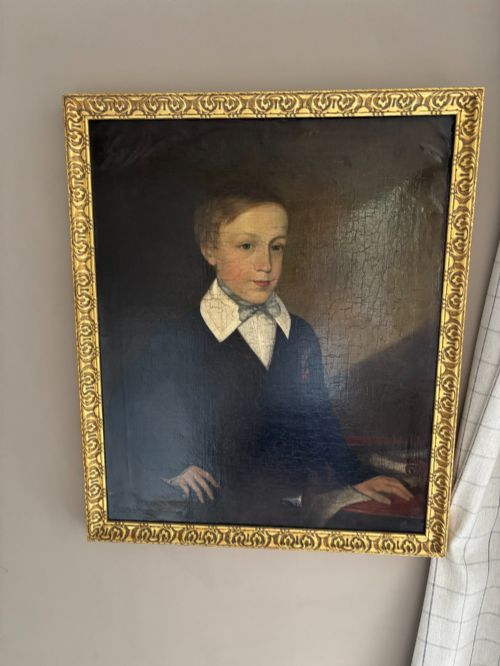
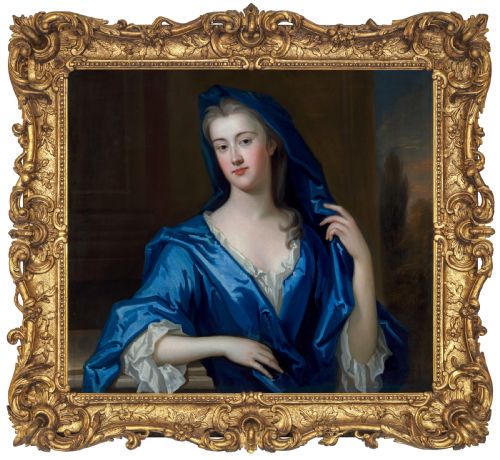
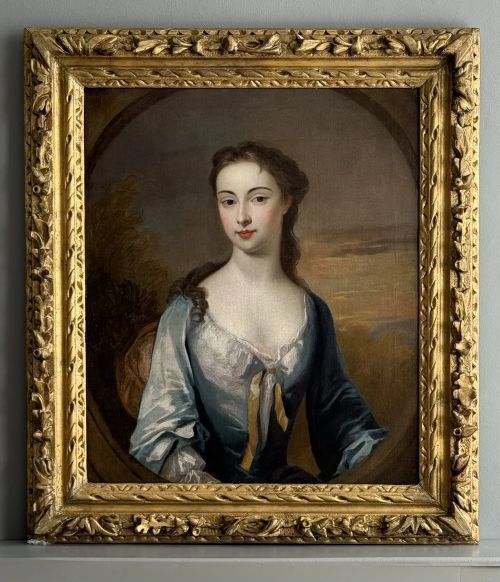
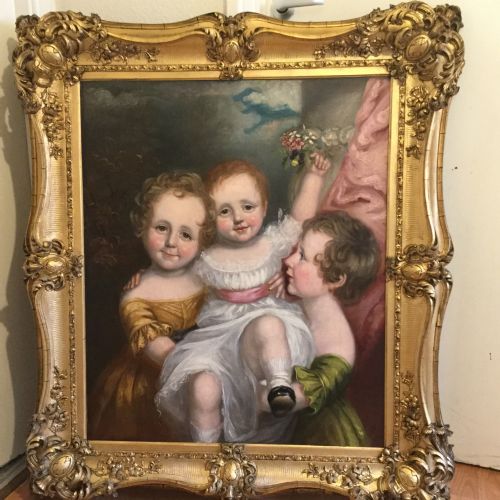
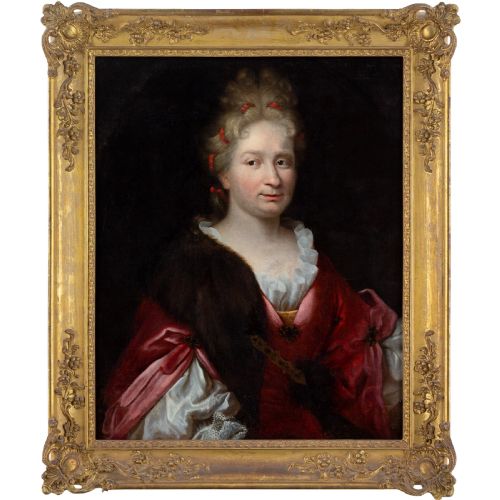
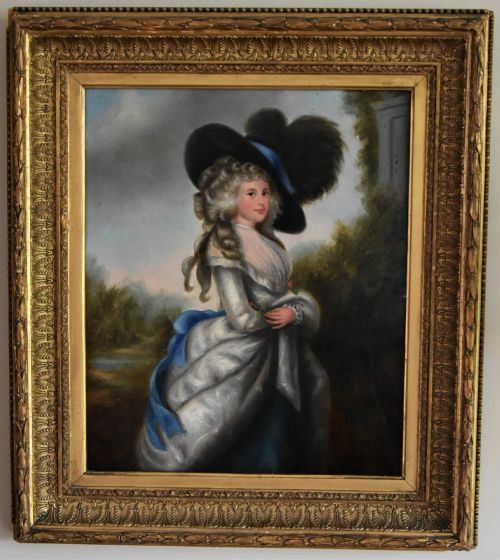
A georgian painted portrait encompasses canvas oil paintings, panel works, and delicate miniature watercolours depicting notable sitters and anonymous subjects alike. These pieces bridge seventeenth-century baroque traditions and nineteenth-century romantic schools, reflecting shifting social statuses over generations.
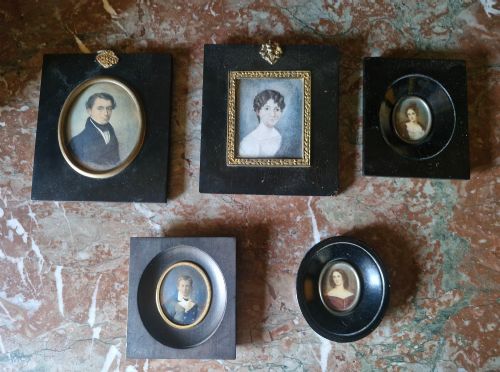
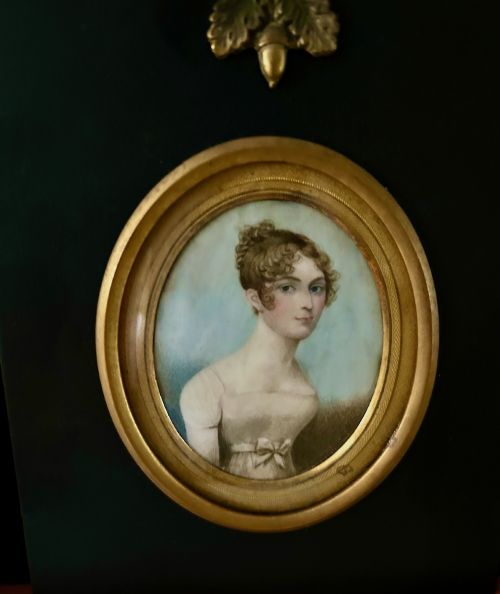
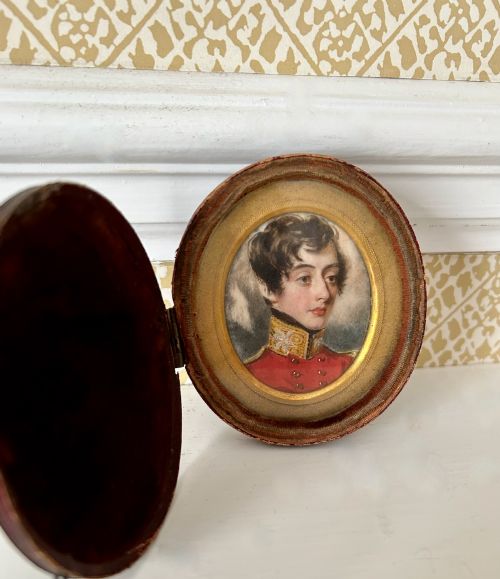
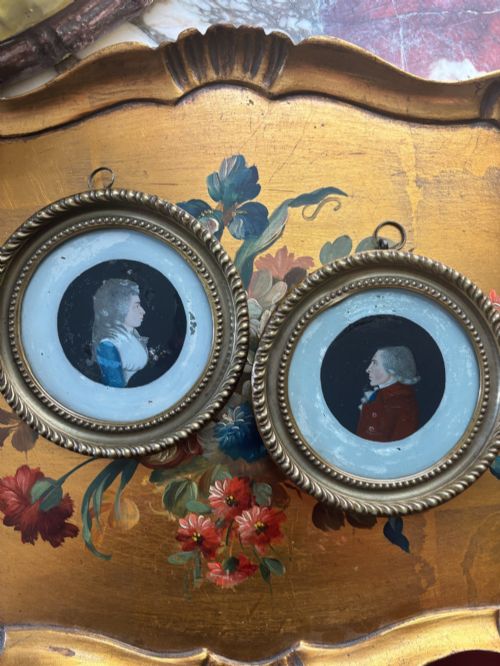
The assortment relies heavily on oil on canvas creations from the eighteenth century, alongside Regency miniatures painted on paper, ivory, or glass. Buyers encounter both grand half-length depictions of aristocracy and intimate small-scale works.
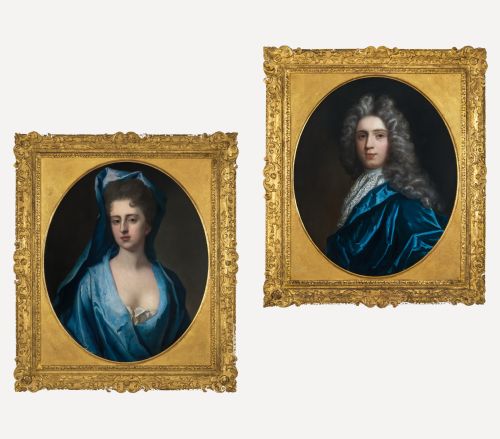
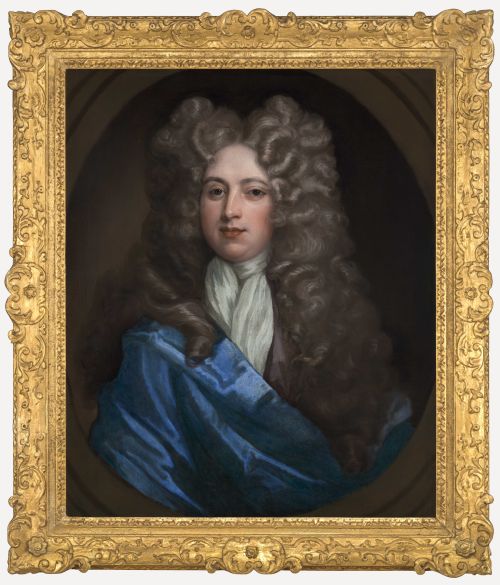
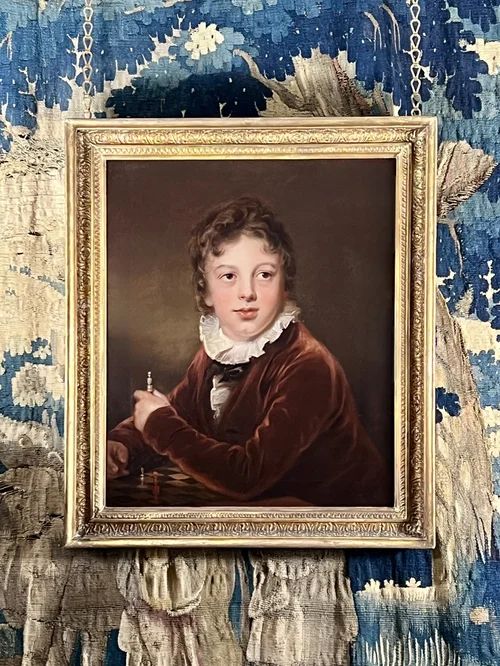
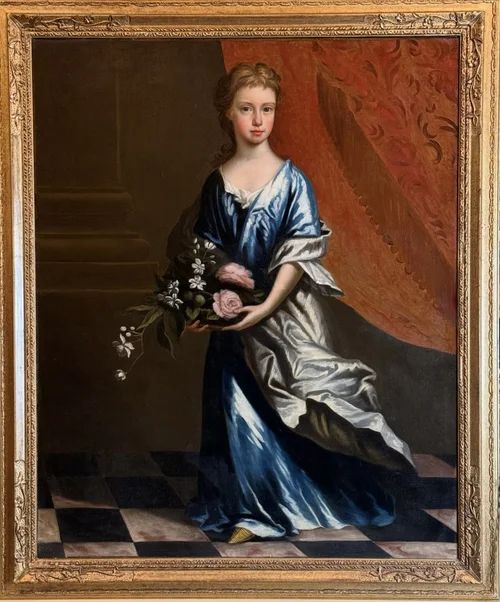
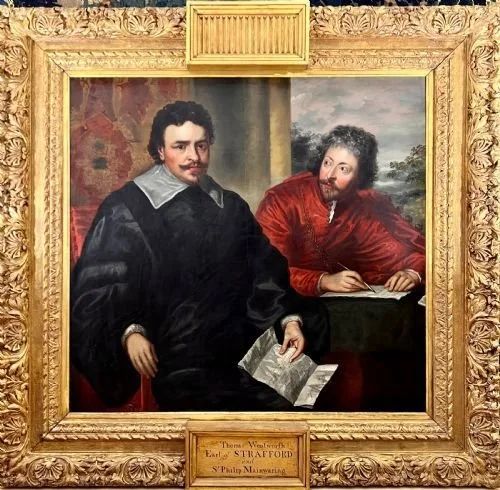
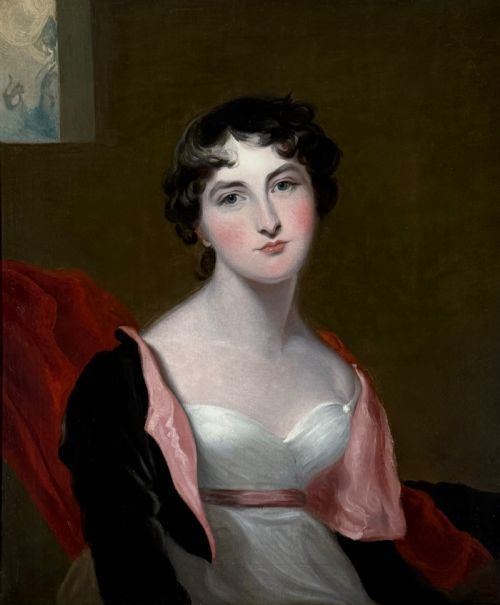
Attributions range from provincial British schools and French artists to circles of prominent portraitists like Charles Jervas and Sir Thomas Lawrence. Each item records specific costume details, periwigs, and drapery that date the sitter accurately.
Materials and technique
Artists built up oil paintings using ground pigments suspended in oil on stretched canvas or wooden panels, often applying rich glazes to achieve depth in velvet coats and silk dresses. Portrait miniatures demanded meticulous brushwork with watercolours on paper or thin sheets of ivory.
Framing played an integral role, utilising heavy carved giltwood or gold-plated oval surrounds to house and protect the delicate painted surfaces. Reverse glass painting techniques required artists to apply pigment directly to the rear of the glass panel in careful reverse order.
Canvases were frequently inscribed or signed by the studio assistants or master painters, capturing fine details of lace collars and facial expressions through layered brushstrokes.
Listings feature oil on canvas and watercolour miniatures spanning the seventeenth, eighteenth, and nineteenth centuries.
Evaluating craftsmanship
The distinction between standard studio output and masterwork portraiture lies in the psychological depth of the sitter's expression and the confident handling of drapery. Superior hands rendered fabrics, such as silk ribbons and velvet jackets, with palpable texture and three-dimensional realism.
Anatomy and proportion separate finer Georgian works from repetitive output, particularly in the delicate rendering of hands, eyes, and facial symmetry. The quality of the original giltwood frame also indicates the overall investment placed in the piece at its creation.
Charles Jervas·Michael Dahl·Thomas Murray·Frederick Buck·Sir Thomas Lawrence·Robert Byng·Thomas Beach·Sir Allan Ramsay·William Beechey·Joseph Clover·Sir Godfrey Kneller·Sir Joshua Reynolds·Jean Baptiste Van Loo·Sir Martin Archer Shee
The Georgian Painted Portrait Glossary
- Portrait Miniature
- A small-scale painting executed with fine detail, often created on ivory, vellum, or paper during the eighteenth and nineteenth centuries.
- Reverse Painted on Glass
- A technique where the artist paints directly onto the back of a glass sheet, viewing the finished image from the front.
- Oil on Canvas
- Pigments mixed with drying oils applied to a woven fabric support, which became the standard medium for large-scale fine art portraits.
- Giltwood
- Wood that has been coated with a thin layer of gold leaf, commonly utilised for ornate antique picture frames.
- British School
- A classification for artworks produced by British artists or within British artistic traditions during a specific period.
Georgian Painted Portrait: Frequently Asked Questions
How do I identify a Georgian portrait?
Look for costume details such as powdered periwigs, lace jabots, silk wrap dresses, and tailored velvet coats characteristic of the eighteenth century. Inscribed dates, sitter names, and attribution styles often confirm the exact era.
Examination of the canvas weave, backing materials, and stretcher frames also helps establish whether a work originates from the Georgian period or later nineteenth-century revivals.
What is a portrait miniature?
A portrait miniature is a small, highly detailed painting designed for intimate viewing or portable display. These works were executed on materials including ivory, vellum, paper, and glass.
Artists used extremely fine brushes to capture likenesses with remarkable precision, often housing the finished paintings in protective pocket cases or small wall frames.
How should I care for oil on canvas?
Keep painted canvases away from direct sunlight, high humidity, and rapid temperature fluctuations to prevent the paint surface from cracking or warping. Dust gently with a soft, dry brush without applying pressure.
Avoid using water or chemical cleaning solutions on antique paint layers, and consult a professional art conservator for deeper restoration needs.
What does circle of an artist mean?
The term circle of indicates that a painting was produced by an unidentified artist working in the direct style, studio, or immediate influence of a recognised master. These works share technical methods and stylistic traits with the named painter.
Such attributions help contextualize quality and period execution when a direct signature from the primary master is absent.