



Georgian Painted Metal
Georgian painted metal brings together utilitarian tin, delicate enamel, and sturdy iron shaped across centuries of British and continental craft.
Georgian Painted Metal
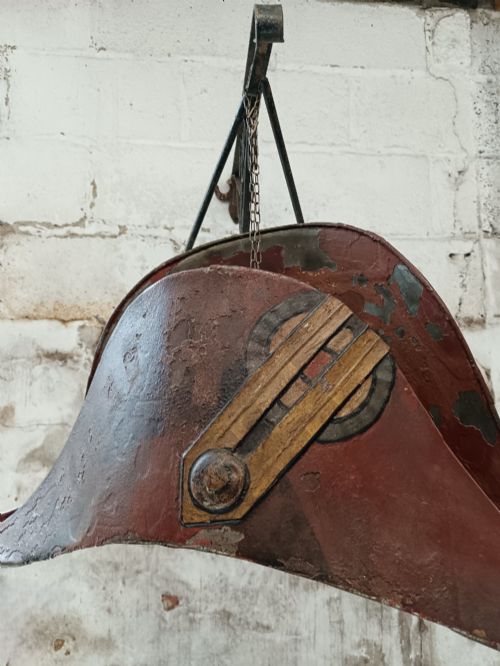
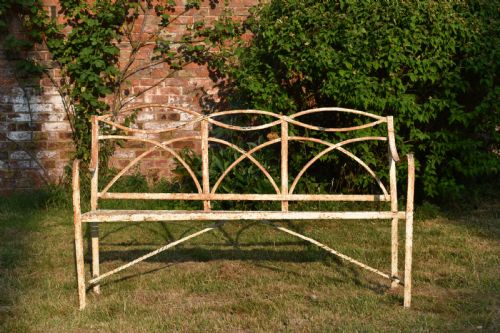
Georgian painted metal encompasses a diverse range of surviving objects, from practical garden furniture and trade signs to miniature portraits and snuff boxes. When exploring georgian painted metal, buyers encounter domestic items and decorative pieces that bridge utility and fine art.
The selections span the eighteenth and nineteenth centuries, including Regency examples alongside Victorian and Georgian pieces. Makers utilised copper, iron, tin, and toleware to create items that retained hand-painted or japanned decoration over generations.
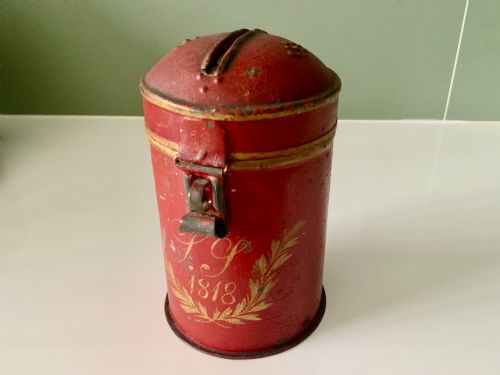
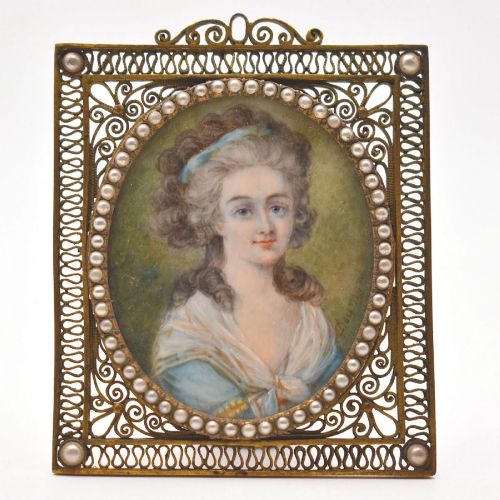
Household items such as money boxes, trays, and urns appear alongside portrait miniatures on gilt metal stands and copper panels. This mix reflects both the industrial output of centres like Pontypool and Staffordshire and the delicate work of independent miniaturists.
Materials and Technique
Craftsmen built these pieces using hammered sheet metal, cast iron, and copper, applying layers of paint, enamel, or japanning to the prepared surfaces. Toleware and Pontypool items relied on tin-plated iron decorated with lacquer and hand-painted motifs.
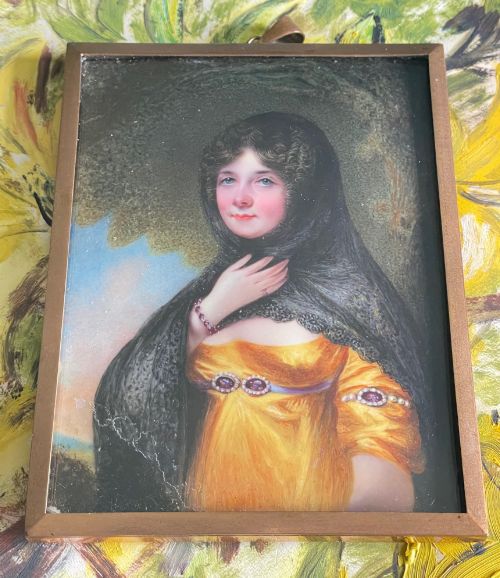
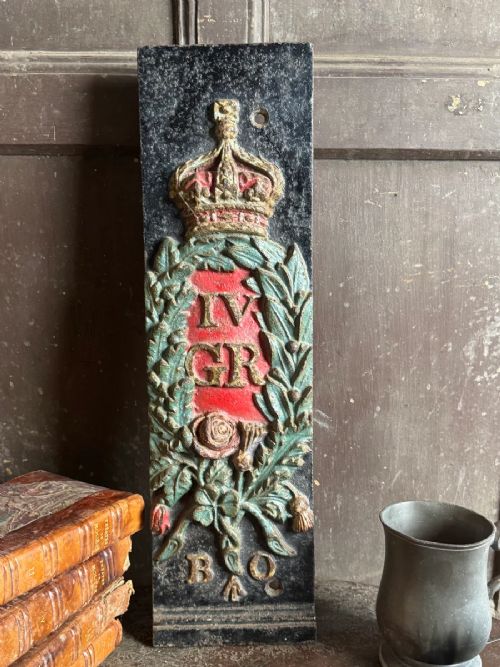
Miniatures and small decorative plaques utilised copper and gilt metal as a stable ground for watercolour, enamel, or oil painting. Blacksmiths shaped wrought iron and cast iron for architectural plaques, garden benches, and robust gates.
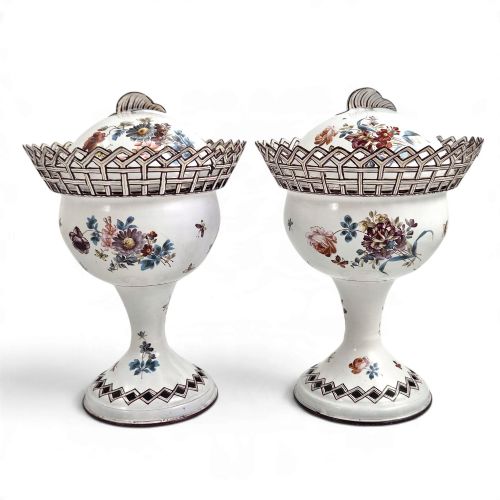
Enamel works from Bilston and South Staffordshire involved fusing powdered glass to copper bases in a kiln before artists applied detailed polychrome scenes by hand. Wirework and strapwork construction provided structural integrity for plant stands and outdoor seating.
Georgian Painted Metal Retail Price Guide 2026
Typical asking prices for georgian painted metal among the pieces listed under this phrase on Sellingantiques today, from the lower quarter to the upper quarter. They describe what is for sale here now, not the wider market.
Distinctions in Quality
Quality rests upon the preservation of the original painted surface and the crispness of the hand-applied detail. Pieces retaining their unretouched japanning, delicate enamel scenes, or fine portraiture stand apart from heavily restored examples.
The sophistication of the metalwork itself marks the hierarchy, distinguishing mass-produced utilitarian tin from bespoke blacksmith-forged ironwork or signed portrait miniatures. Subtlety in brushwork and structural harmony elevate individual items.
Provenance and attribution to known enamel centres or miniaturists add another layer of distinction. The crispness of cast details on architectural plaques and the balance of strapwork on garden furniture reveal the maker's competence.
Horace Hone·John C D Engleheart·William Naish·Henry Jacob Burch·Emma Kendrick
The Georgian Painted Metal Glossary
- Toleware
- Painted or lacquered metalware, typically tin, originating in France and Britain. It often took the form of trays, urns, and boxes decorated with floral or pastoral scenes.
- Japanning
- A type of European finish that imitated East Asian lacquerwork. Craftsmen applied multiple layers of varnish and heat-treated them to create a durable, glossy surface.
- Portrait Miniature
- A small, highly detailed painting executed on ivory, vellum, copper, or card. These works were frequently mounted in gilt metal frames or lockets.
- Pontypool
- A Welsh town renowned for its tin-plate industry and distinctive japanned metalware. Pieces from this tradition often featured tortoiseshell effects or gilt decoration.
- Bilston
- A Staffordshire town famous for producing small enamelled objects. Items included patch boxes, scent bottles, and snuff boxes decorated with hand-painted views.
Georgian Painted Metal: Frequently Asked Questions
How were enamel snuff boxes made?
Enamel snuff boxes were produced by fusing powdered glass onto a copper base through high-temperature firing. Artisans then painted detailed miniature scenes directly onto the enamel surface before a final firing.
Centres like Bilston and South Staffordshire produced many of these small luxury items. The resulting boxes combined durable metal construction with vibrant, permanent miniature painting.
Where were painted metal items used?
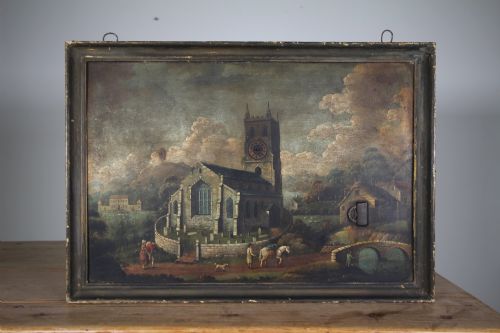
These pieces served varied roles across domestic and public spaces. Garden benches and wirework plant stands furnished outdoor areas, while trade signs hung outside commercial premises.
Smaller items like patch boxes and portrait miniatures belonged to personal daily life and fashion. Larger pieces such as iron safes and architectural plaques fulfilled administrative or structural duties.
How do I care for painted metal?
Painted metal requires a stable indoor environment away from excessive moisture and direct sunlight. Humidity can cause iron to rust beneath paint layers, while harsh light may fade delicate watercolours on copper.
Cleaning should be limited to gentle dusting with a soft, dry cloth. Avoid chemical polishes or water on painted and japanned surfaces to preserve the original finish.