





Georgian Overmantel Panel
These georgian overmantel panel mirrors bring architectural weight and bright reflection to a room, spanning the stylistic shifts of the 18th and 19th centuries.
Georgian Overmantel Panel
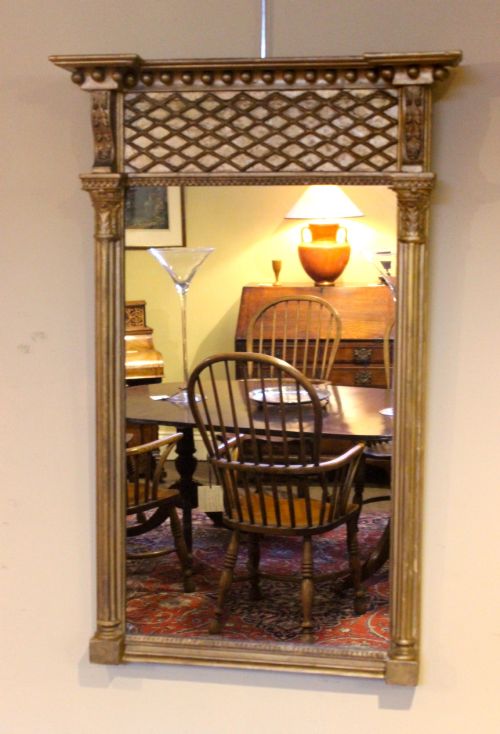
A georgian overmantel panel setup typically presents a landscape format or a tripartite division designed to sit precisely above a fireplace mantel. The examples gathered here span from the 18th century through the Regency period and into later revivals around 1900, showing how mantelpiece decoration evolved over generations.
The dominant forms on this page include wide landscape mirrors and triptych mirrors, often incorporating decorative panels above the glass plates. These pieces function as both framing devices for a hearth and expansive light reflectors for the room.
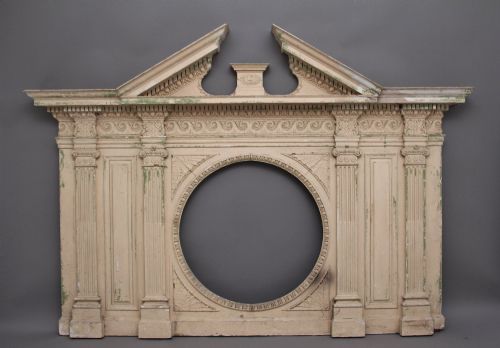
Makers and makers' workshops across these periods drew upon distinct design idioms, producing everything from austere painted pine frames to elaborate giltwood constructions with distinct stylistic lineages.
Materials and construction
Makers built the foundational carcass of a georgian overmantel panel mirror using timber such as pine and mahogany, providing a sturdy substrate for decorative finishes. Giltwood, gesso, and composition ornamentation were then applied to the wooden frames to create intricate relief work.
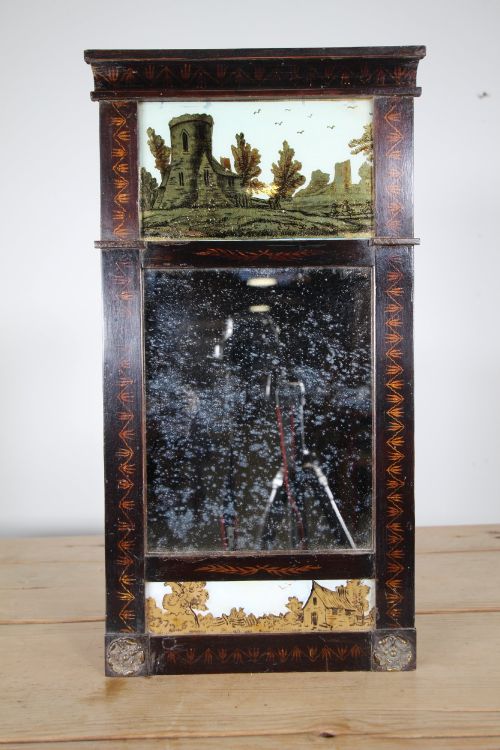
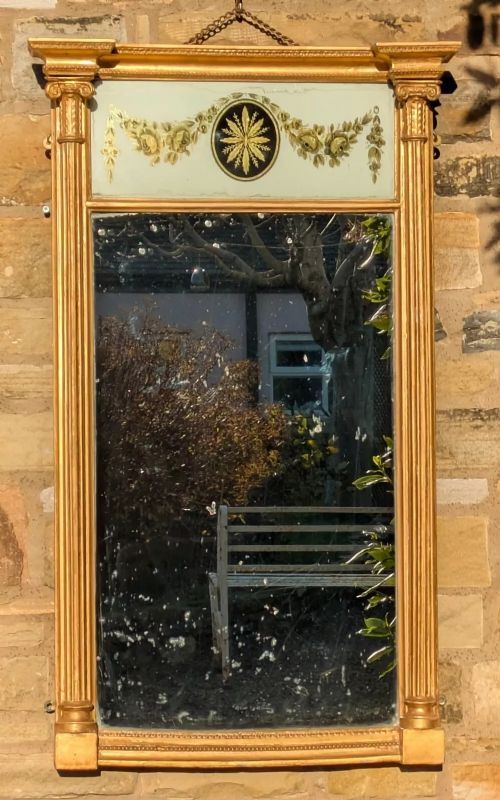
Surface treatment frequently involved gilding or painting, sometimes paired with verre églomisé panels featuring reverse-painted glass decoration. Multiple mirror plates were often joined within a single frame structure to form landscape or triptych compositions.
Georgian Overmantel Panel Retail Price Guide 2026
Typical asking prices for georgian overmantel panel among the pieces listed under this phrase on Sellingantiques today, from the lower quarter to the upper quarter. They describe what is for sale here now, not the wider market.
Keep an eye out for unexpected wildlife, as at least one mirror frames its reflection alongside a carved Ho Ho bird and squirrel.
Measures of quality
Quality in these overmantel mirrors rests upon the crispness of the carved or moulded ornamentation, whether executed in carved timber or applied composition material. Finer examples display sharp definition in details such as acanthus leaves, columns, and figural or animal motifs.
The integrity of the original glass plates and the preservation of decorative elements like verre églomisé panels dictate the character of a piece. Harmony between the scale of the mirror frame and the execution of its multi-plate layout distinguishes the best examples.
The Georgian Overmantel Panel Glossary
- Verre églomisé
- A process of cold painting and gilding on the reverse side of glass to produce a decorative panel. This technique frequently appears in upper sections of Regency pier glasses and overmantels.
- Triptych
- A mirror divided into three distinct vertical sections, usually featuring one larger central glass plate flanked by two narrower ones. These configurations suit the horizontal spread of traditional fireplace mantels.
- Gesso
- A plaster-like mixture applied to wood frames and carved or moulded into relief decoration before gilding. It allows for intricate surface ornament without deep timber carving.
- Pier glass
- A tall mirror traditionally hung on the pier or wall space between windows. Many share stylistic traits and construction methods with overmantel mirrors.
- Trumeau
- A decorative wall panel that incorporates a mirror or a painted scene within architectural framing. The style bridges wall panelling and mirror design.
Georgian Overmantel Panel: Frequently Asked Questions
Where should an overmantel mirror hang?
These mirrors traditionally anchor the space directly above a fireplace mantel, reflecting light and balancing the architectural weight of the hearth.
They also function effectively on large expanses of wall where a horizontal landscape orientation helps proportion the room.
What is a triptych mirror?
A triptych mirror divides its reflective surface into three distinct sections, often separated by slender columns or pilasters.
This tripartite format allows a wide glass area to remain stable and balanced within the architectural frame.
How do I spot a Regency piece?
Regency mirrors frequently feature classical motifs such as column supports, acanthus leaf decoration, and eglomisé glass panels.
The overall proportion tends towards clean architectural lines influenced by Neoclassical and Egyptian Revival tastes.
Are painted pine frames authentic?
Painted pine serves as a traditional substrate and finish for Georgian and earlier overmantel mirrors, offering a softer alternative to bright gilding.
These pieces rely on the quality of the timber construction and the character of the paint surface rather than gold leaf.