

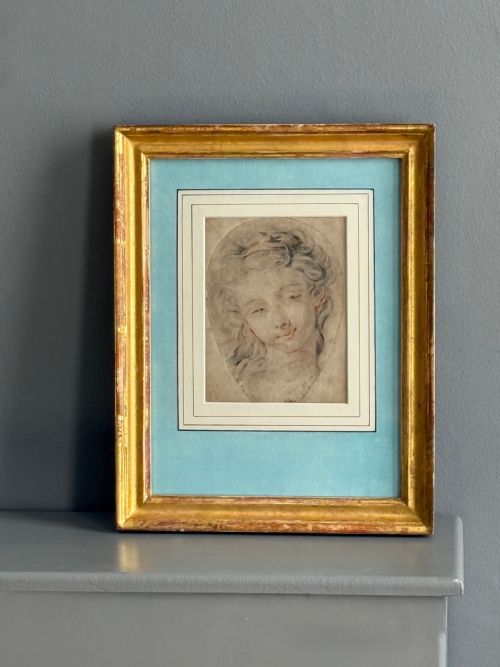
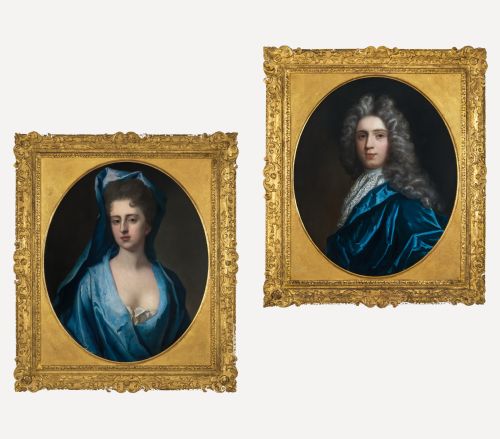
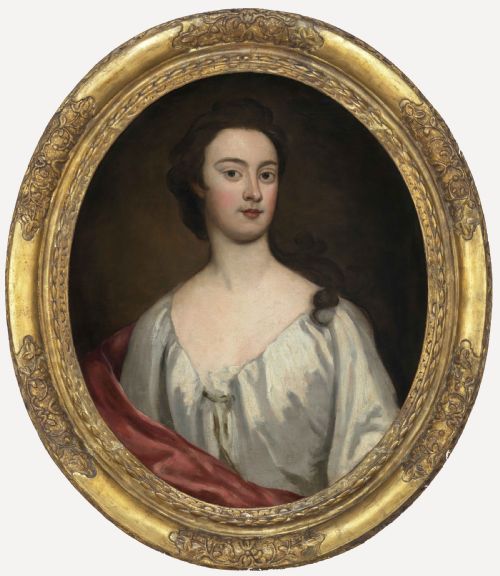
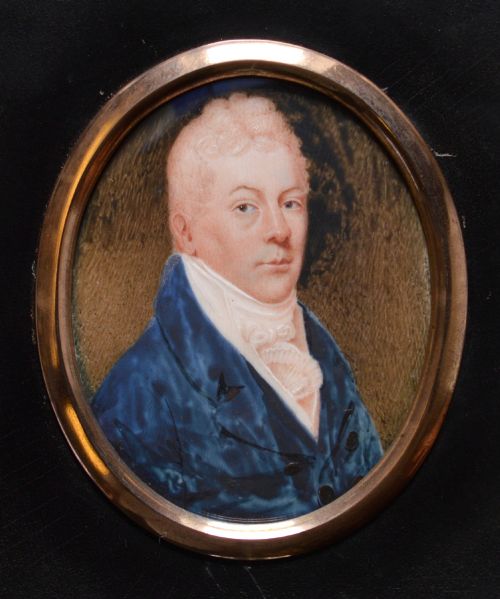
Georgian Oval Portrait
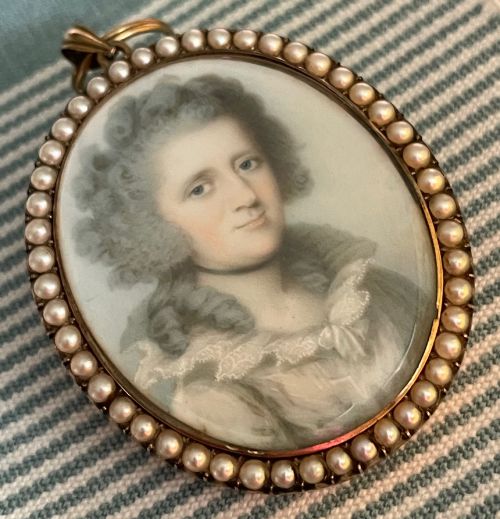
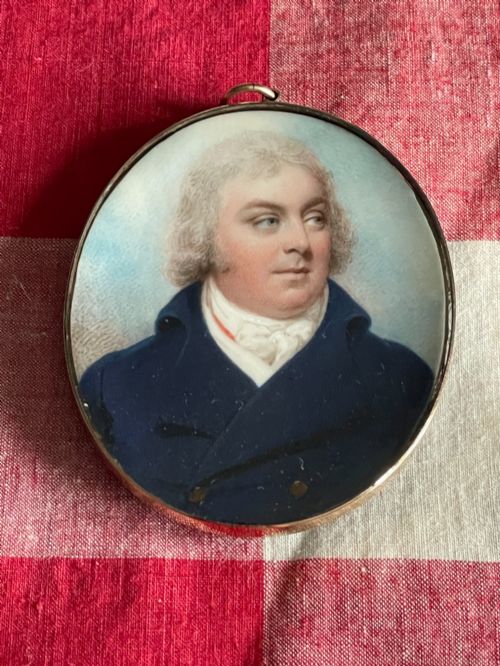
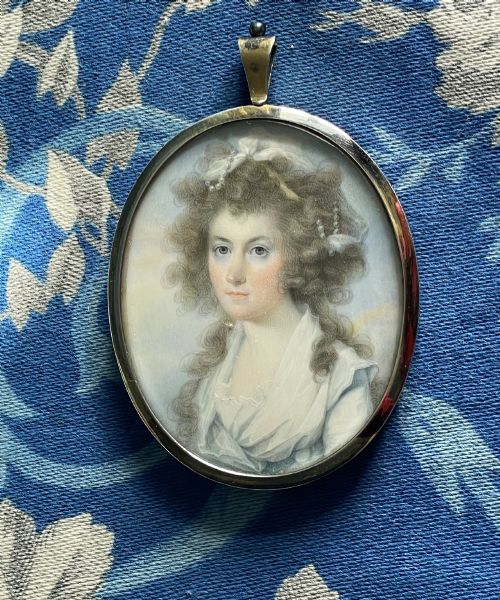
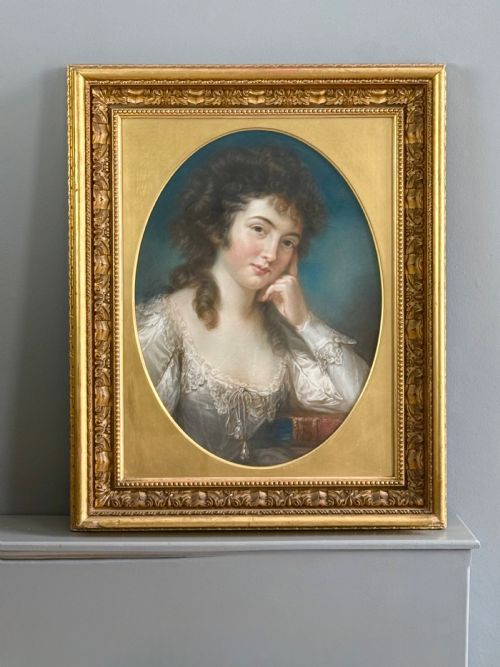
A georgian oval portrait brings intimate scale and historical presence to a room, framing sitters in oil, watercolour, pastel, or silhouette within distinct curved borders.
Georgian Oval Portrait
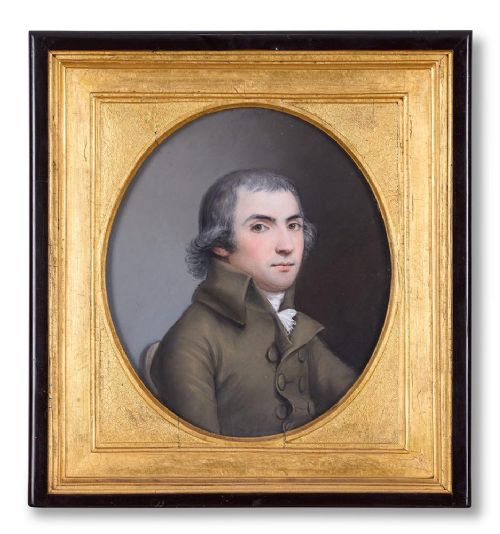
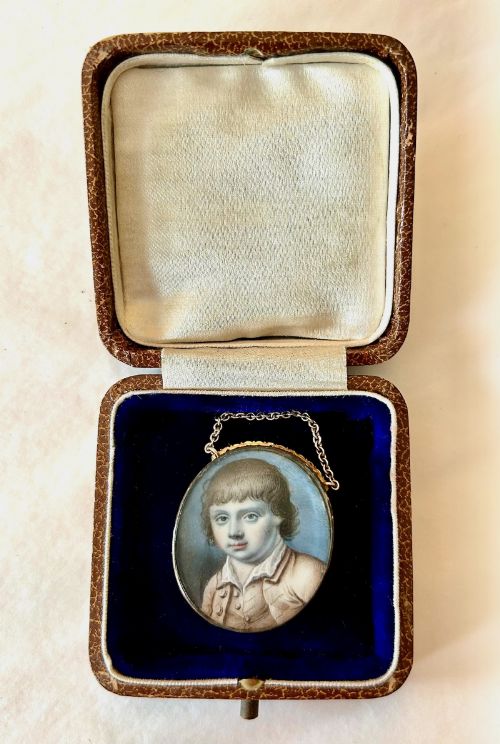
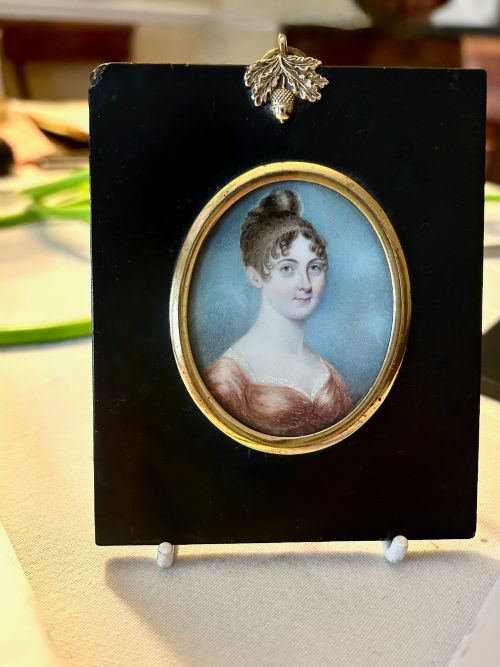
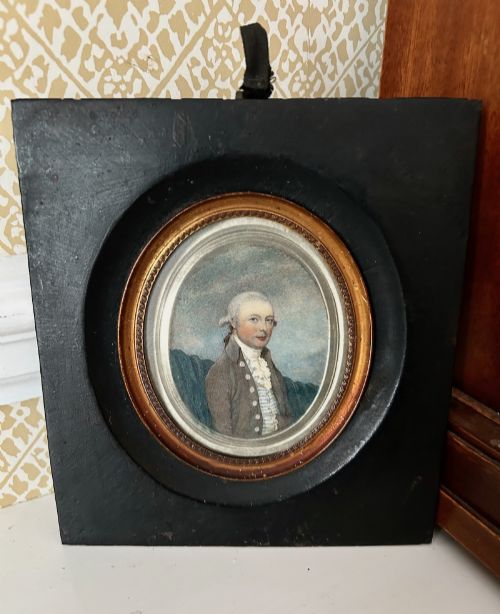
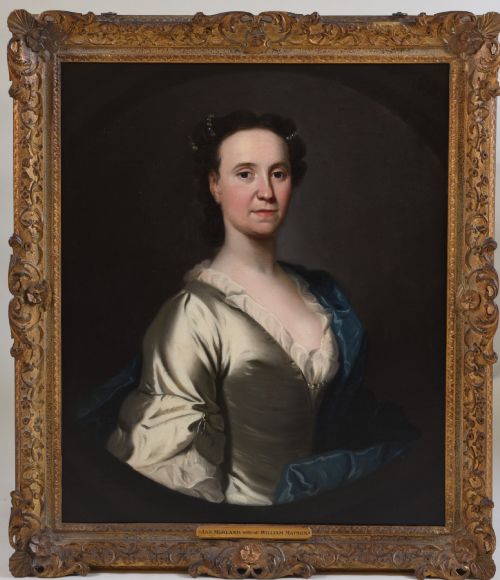
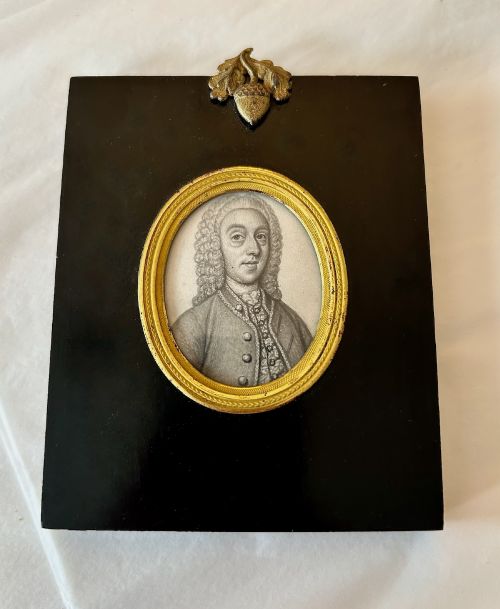
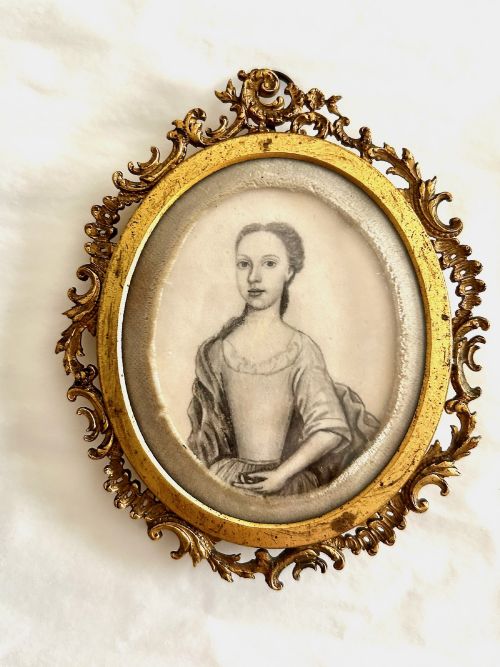
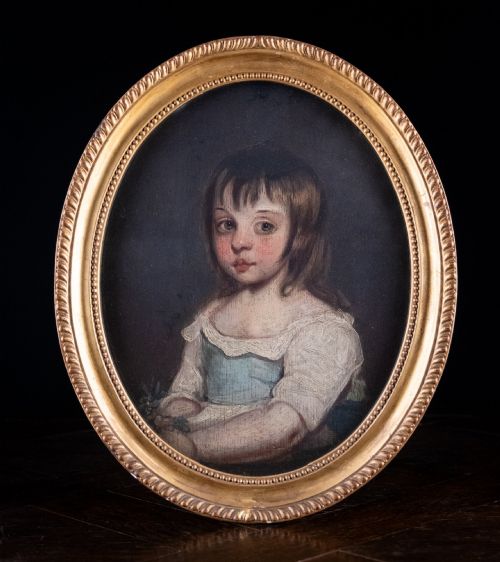
A georgian oval portrait encompasses small portrait miniatures, works on paper, and larger oil paintings on canvas framed in characteristic curved formats. These pieces capture sitters from the seventeenth century through the nineteenth century, reflecting stylistic shifts from British Baroque to Regency aesthetics.
The selections on this page lean heavily toward intimate watercolour miniatures and substantial oil on canvas paintings. Subjects range from named aristocrats and military officers to country girls and gentlemen in period wigs.
Materials and Technique
Makers utilised oil on canvas, delicate watercolours on paper or ivory, and pastel pigments to build likenesses. Support materials often include wood panels, glass covers, and paper mounted within specialised surrounds.
Frames play a structural role, constructed from carved giltwood, ebonised wood, or brass, with some examples featuring gold plated brass surrounds or reverse painted glass techniques.
Georgian Oval Portrait Retail Price Guide 2026
Typical asking prices for georgian oval portrait among the pieces listed under this phrase on Sellingantiques today, from the lower quarter to the upper quarter. They describe what is for sale here now, not the wider market.
The periods represented stretch from the seventeenth century through the Regency era and into the nineteenth century.
Assessing the Work
Originality of the surrounding frame and the survival of the glass or protective surface influence the integrity of the piece. Provenance and identifiable sitters or makers elevate the historical significance of individual portraits.
Anna Tonelli·JOHN RUSSELL R.A.·Michael Dahl·Thomas Murray·CHARLES JERVAS·Frederick Buck·THOMAS BEACH·Francois Boucher·Sir Godfrey Kneller·JAMES SHARPLES·John Vanderbank·Allan Ramsey·Richard Cosway·Richard Houston·Antoine Pesne
The Georgian Oval Portrait Glossary
- Portrait Miniature
- A small-scale painting or watercolour created to be held, worn, or displayed in a compact interior space. These works require precise brushwork due to their diminutive size.
- Silhouette
- A profile portrait filled in with a solid dark colour, often cut from paper or painted on glass. During the Georgian period, these profiles gained popularity for their clean, economical likeness.
- Mezzotint
- A printmaking process of the intaglio family where the copper plate is roughened to achieve rich tonal gradations. This technique allowed printmakers to reproduce oil paintings with subtle shadow and light.
- Periwig
- A voluminous artificial hairpiece worn by men of status during the late seventeenth and early eighteenth centuries. Its presence in a portrait often helps date the sitter's costume.
- Giltwood
- Wood that has been coated with a thin layer of gold leaf or gilt composition. Frames finished in this manner provide reflective brilliance around dark oil canvases.
Georgian Oval Portrait: Frequently Asked Questions
How were these portraits displayed?
Smaller miniatures were often kept in travel cases, worn as lockets, or stored in drawers for private viewing.
Larger oil paintings and framed prints were hung on wood-panelled walls in parlours and drawing rooms to display lineage or personal taste.
What do costume details reveal?
Wigs, military uniforms, lace collars, and gown cuts provide reliable clues for dating the artwork.
Changes in elite fashion moved swiftly, allowing collectors to narrow down the decade in which the sitter posed.
How do pastels differ from oils?
Pastels use dry pigment sticks applied to paper or vellum, offering a soft, velvety texture that requires glass protection.
Oils utilise pigment suspended in drying oil on canvas or panel, yielding a durable surface with deep, layered luminosity.
Why are some sitters unidentified?
Many sitters lost their names over centuries as estates dispersed and family records were separated from the artworks.
Portrait commissions were frequently painted for private family retention rather than public exhibition, leaving scant archival trace.