



Georgian Oval Picture
A georgian oval picture brings intimate portraiture and delicate needlework into a room, framed by the sweeping curves of the period.
Georgian Oval Picture
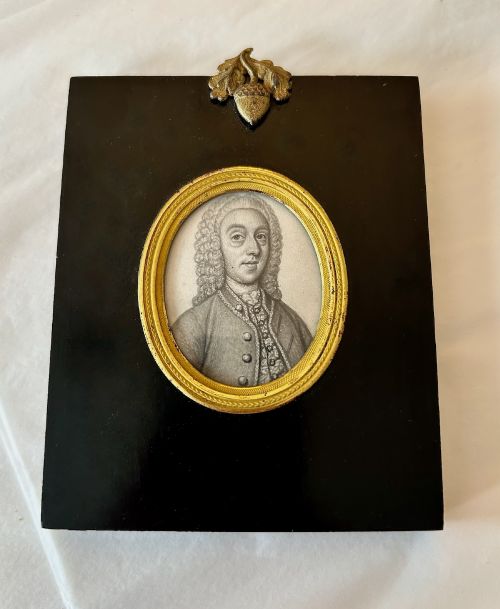
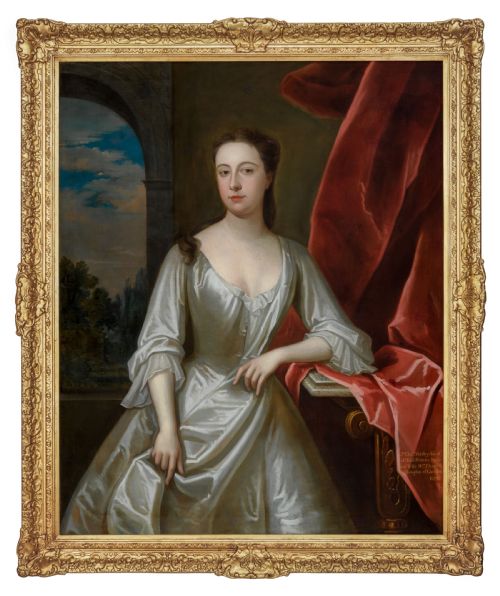
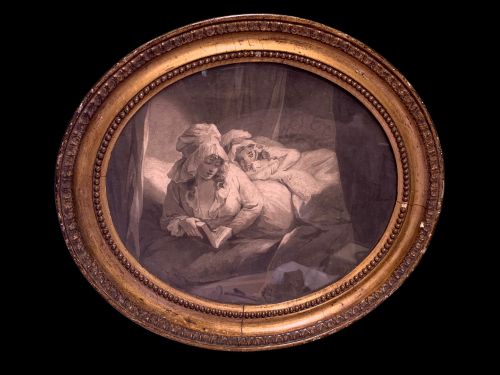
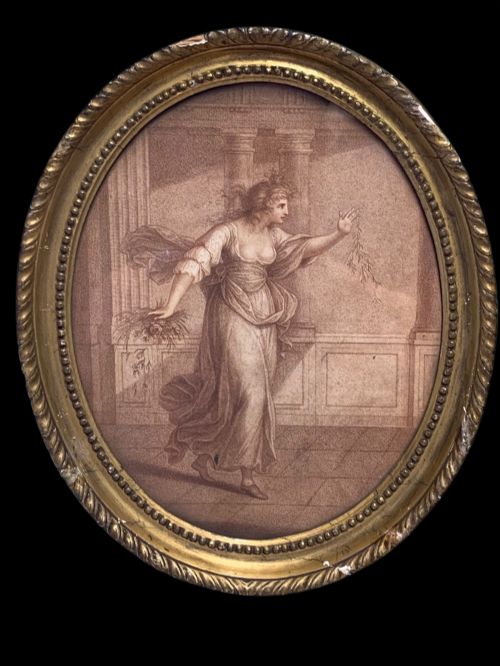
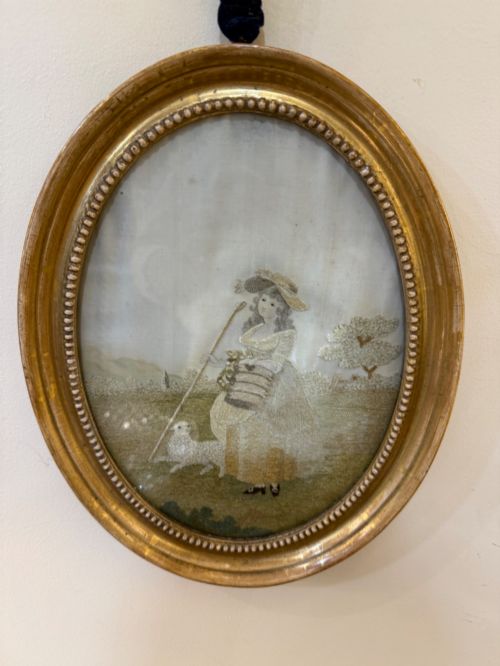
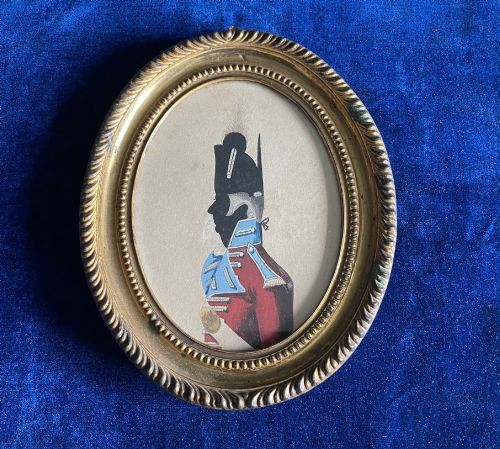
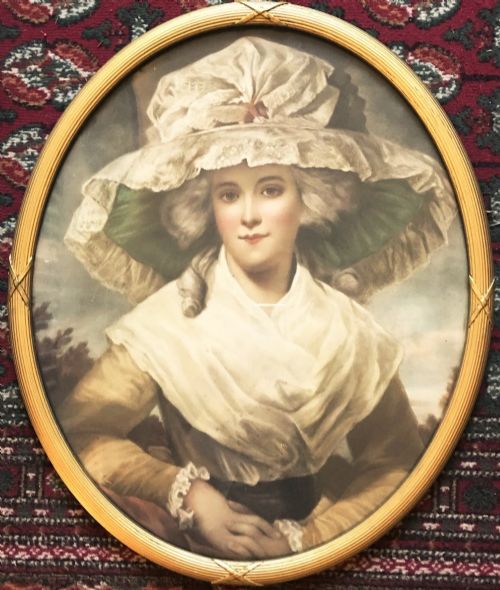
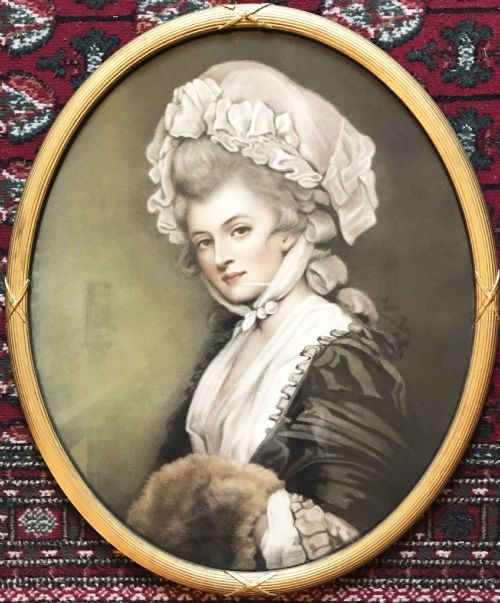
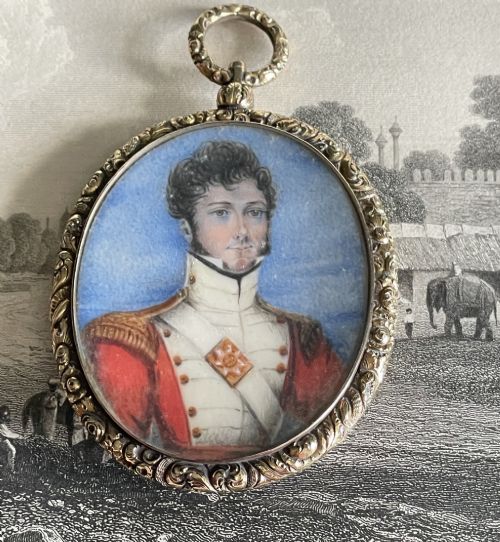
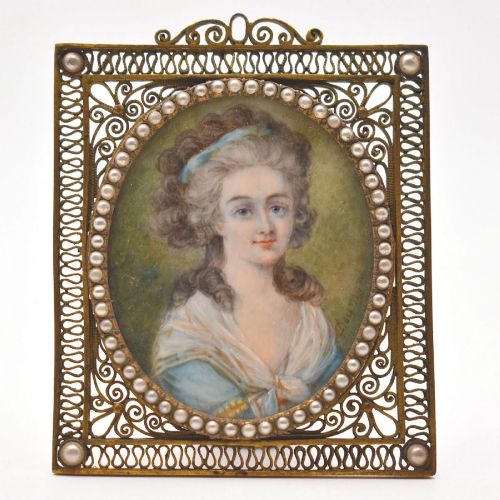
A georgian oval picture comprises portraits, textile works, and engravings shaped to fit the distinct curved framing popular during the eighteenth and nineteenth centuries. Buyers encounter hand-painted miniatures, silhouette profiles, and detailed silk embroideries depicting subjects from military officers to ladies in bonnets.
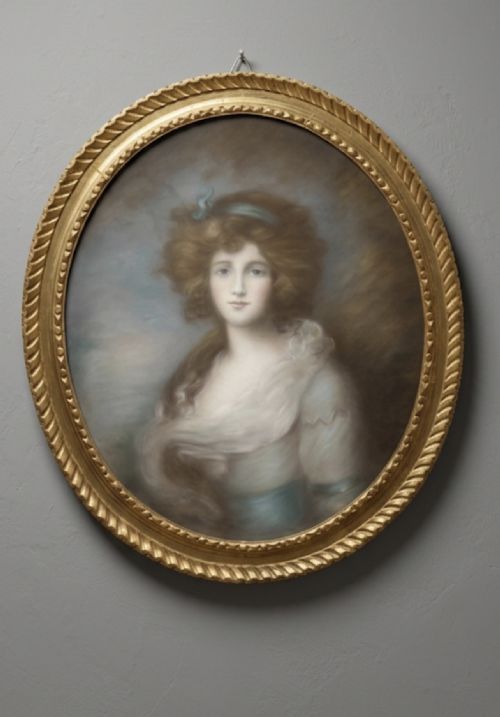
The selection on this page spans portrait miniatures, woolwork, stipple engravings, and pastel drawings mounted behind glass within wooden or gilded surrounds. These pieces capture the domestic and personal aesthetic of the Georgian, Regency, and Victorian eras through varied artistic mediums.
Materials and construction
Makers utilised paper, silk, felt, and wool for the central imagery, often combining watercolour, pastel, charcoal, or engraving techniques. Textile works required meticulous needlework stitching, whilst portraits relied on fine brushwork applied to vellum, ivory, or paper.
Frames play a vital structural role, frequently fashioned from giltwood, brass, or carved wood, occasionally featuring verre églomisé glass. These protective surrounds match the curved geometry of the internal artwork, utilising gold leaf and dark glass to accentuate the composition.
Georgian Oval Picture Retail Price Guide 2026
Typical asking prices for georgian oval picture among the pieces listed under this phrase on Sellingantiques today, from the lower quarter to the upper quarter. They describe what is for sale here now, not the wider market.
Materials recorded across the inventory include giltwood, silk, watercolour, brass, gold leaf, and hand-coloured paper.
Evaluating quality and execution
The integrity of the original frame and glass substantially influences the overall standard of a piece. Retaining period giltwood surrounds, original mounts, and untouched backing materials preserves the historical context and visual harmony intended by the maker.
Sir Godfrey Kneller·Thomas Gainsborough·Charles Hayter·George Hargreaves·John Miers·Isaac Wane Slater
The Georgian Oval Picture Glossary
- Silhouette
- A solid dark profile portrait, typically cut from paper or painted onto card or plaster, often highlighted with gold leaf.
- Verre Églomisé
- A technique involving cold painting and gilding on the reverse of glass, frequently used to create decorative borders on picture frames.
- Stipple Engraving
- A printmaking method using dots to form tonal gradations and figures, popular for reproducing soft portraiture.
- Silkwork
- Embroidery executed using silk threads on a fabric ground, creating textured pictorial scenes often depicting figures or floral arrangements.
- Portrait Miniature
- A small, highly detailed painting on ivory, vellum, or card, designed for intimate viewing or portable display.
Georgian Oval Picture: Frequently Asked Questions
How should I hang a georgian oval picture?
These works suit smaller wall spaces, libraries, or gallery arrangements where their curved frames create contrast against rectangular furnishings. Due to sensitive materials like silk, pastel, and paper, placement should avoid direct sunlight.
Secure hanging requires appropriate hardware suited to the weight of the original wooden or giltwood frames. Ensuring stable indoor humidity protects both the delicate internal imagery and the antique backing.
How do I identify the period of the frame?
Period frames exhibit traditional joinery, patination, and gilding techniques consistent with Georgian and Regency craftsmanship. Examining the backboards, fixings, and types of glass helps confirm whether the surround is original to the artwork.
Many pieces retain their early glass and backing papers, which offer valuable clues regarding the date of assembly. Subtle wear to the gold leaf and wood grain reflects age and authentic handling over centuries.
Are silhouette portraits always painted?
Silhouettes utilise various techniques, including hollow-cut paper, painted card, or profiles rendered directly onto plaster and glass. Artists like John Miers popularised profiles painted on plaster with delicate gilded highlights.
Detailing on silhouettes often defines the clothing, lace collars, and hair styling, which assist in dating the subject's costume. The backing materials and trade labels found on the reverse frequently identify the profilist.