

Georgian Oval Painting
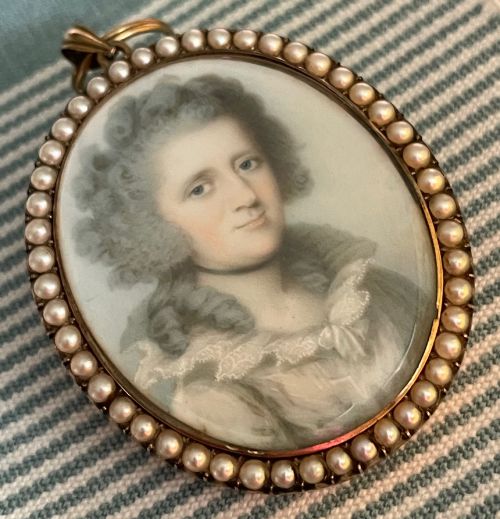
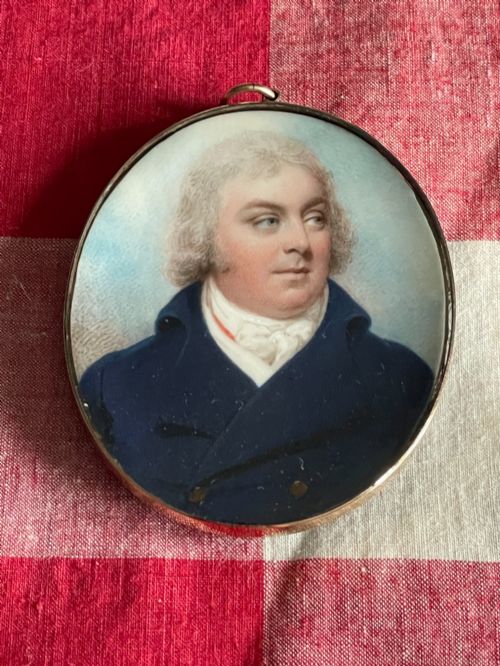
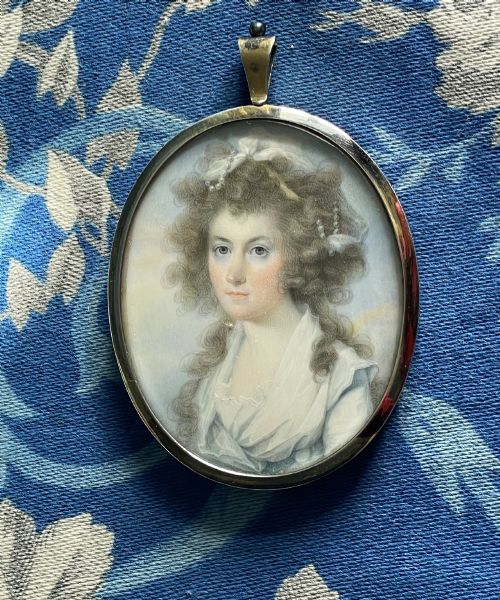
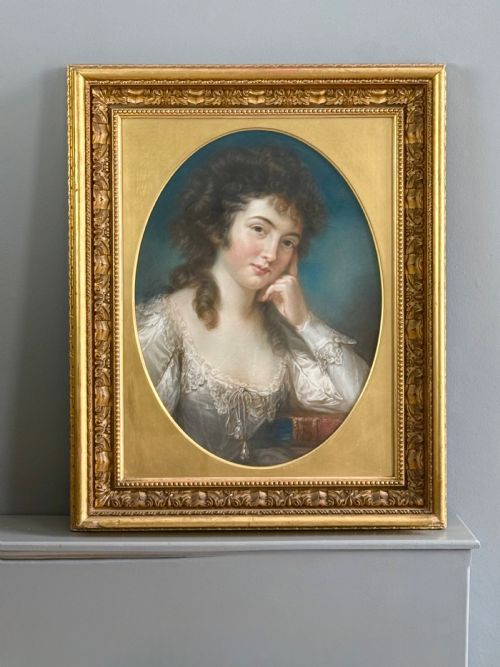
A georgian oval painting captures likenesses and landscapes within curved borders shaped by centuries of portraiture and decorative arts.
Georgian Oval Painting
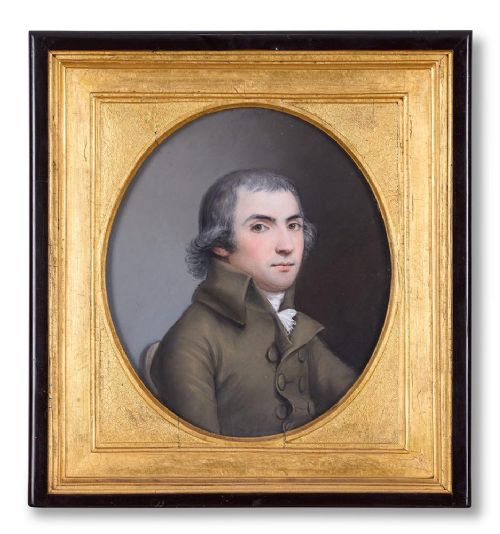
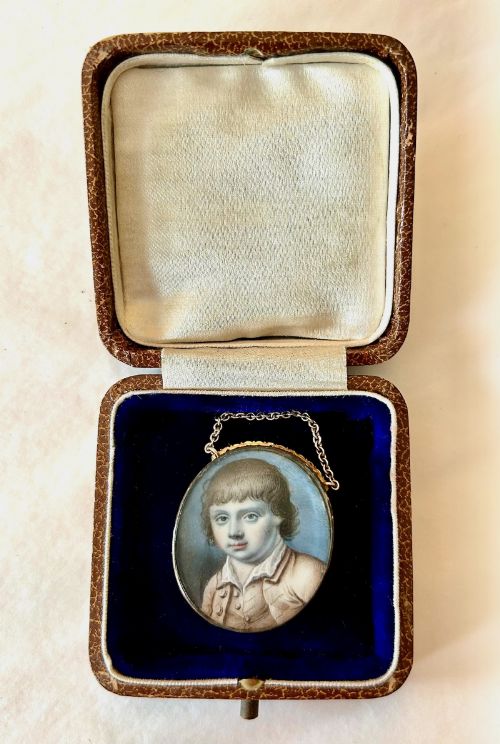
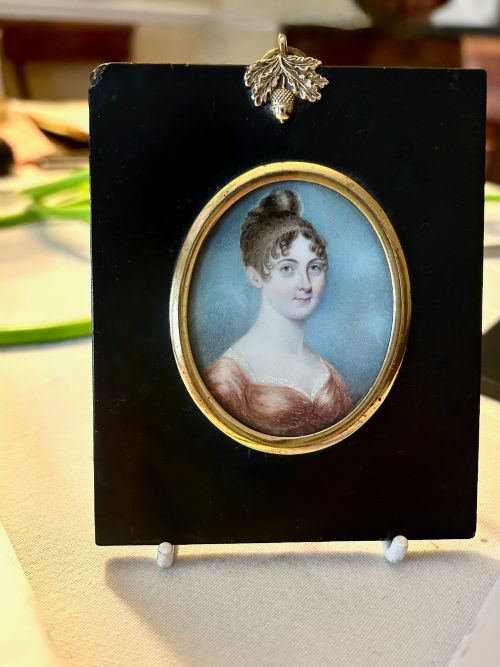
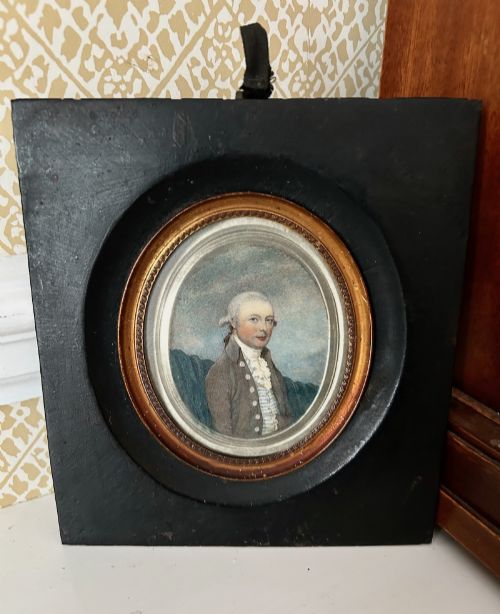
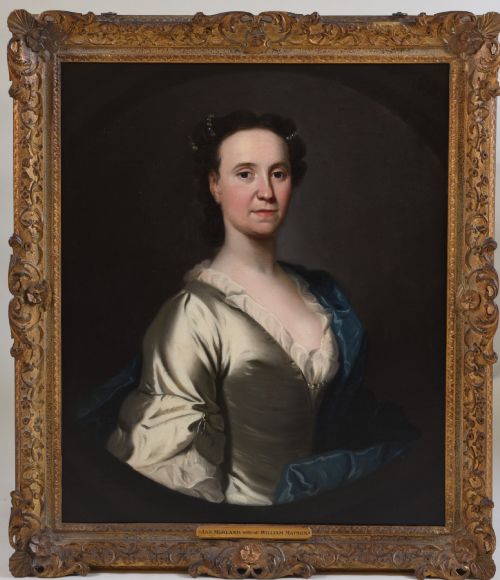
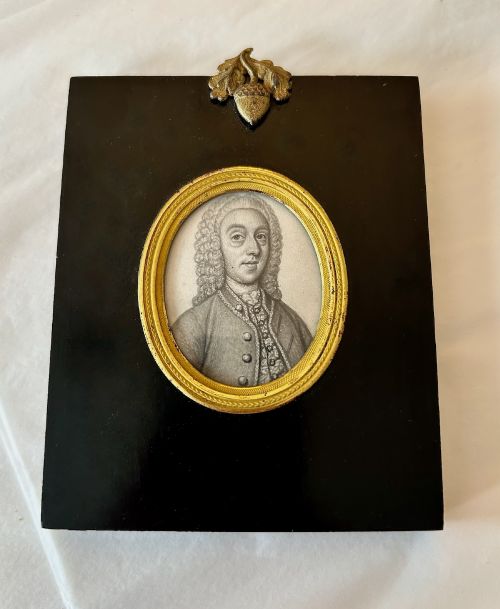
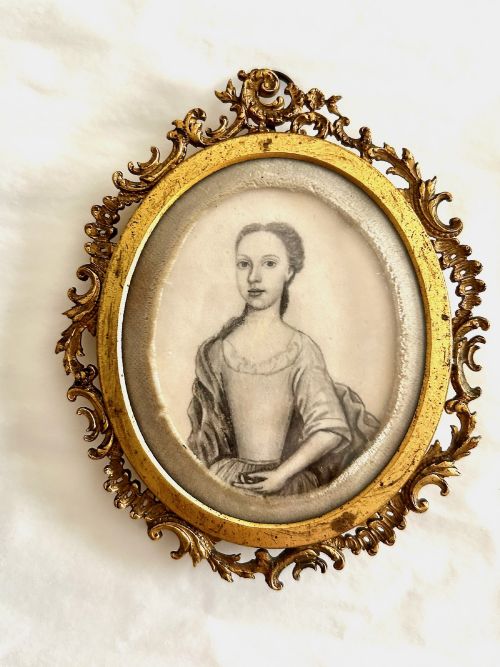
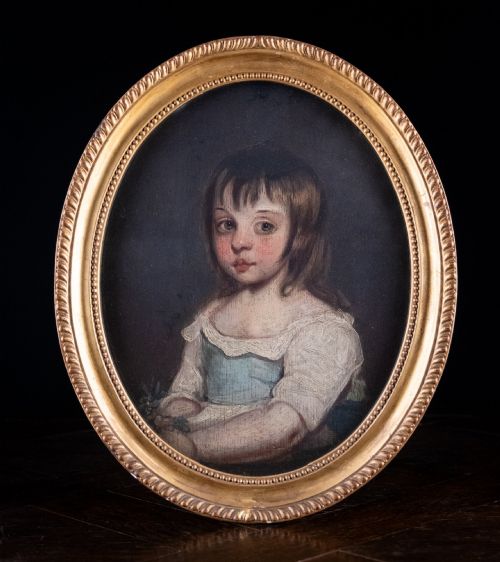
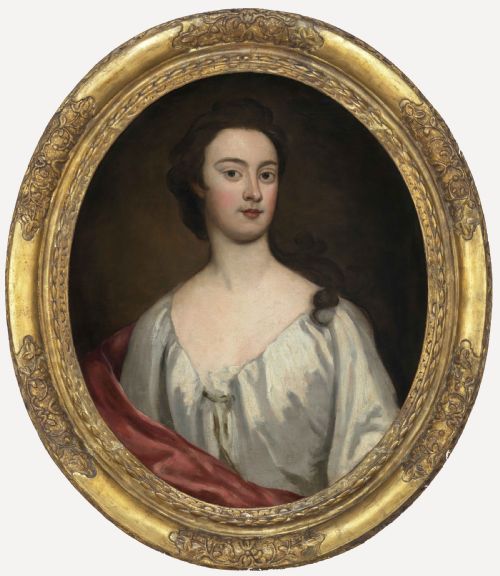
A georgian oval painting brings together portrait miniatures, oil on canvas works, and watercolours set inside curved frames from the seventeenth, eighteenth, and nineteenth centuries. The pieces on this page span the Georgian and Regency periods, stretching from seventeenth century British Baroque studies to nineteenth century portrait miniatures.
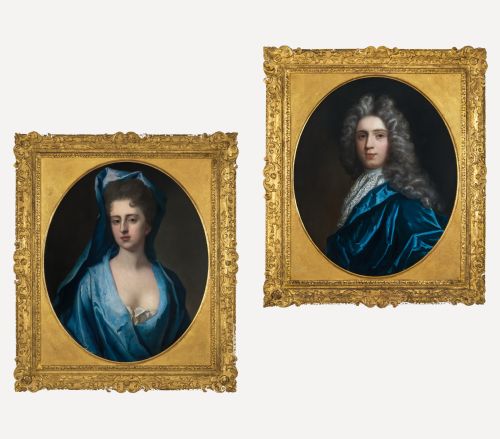
Buyers encounter oil paintings alongside delicate watercolours on paper and ivory, silhouettes, and reverse painted panels. Many examples present half length portraits of gentlemen, ladies, and children, framed in giltwood or gold plated brass.
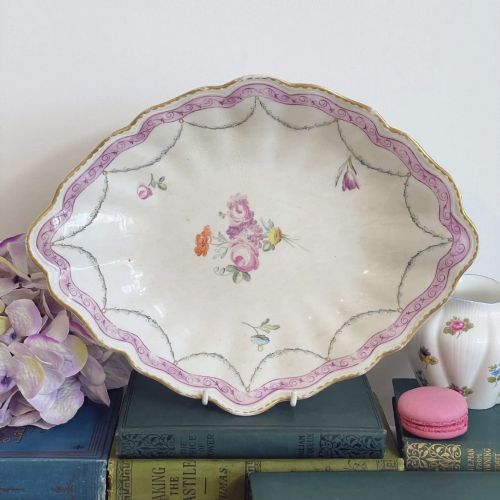
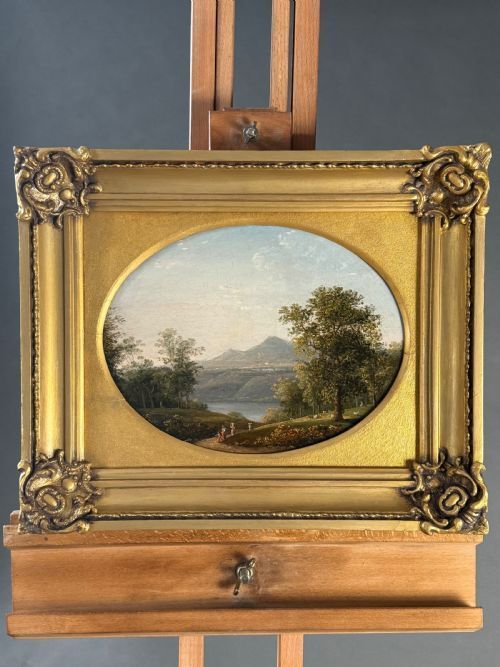
Beyond portraits, the selection includes Grand Tour landscape paintings and decorative serving dishes bearing handpainted polychrome flowers. These items reflect both British schools and continental influences from French and classical styles.
Materials and Technique
Artists painted these works using oil on canvas, watercolour on paper, or pigments applied directly to ivory, mounted within wooden supports or metal frames. Giltwood and gilt metal provided ornate borders that complemented the curved format of the canvas or panel.
Makers utilised glass to protect delicate watercolours and portrait miniatures, sealing the paper or ivory against dust and moisture. Frames often incorporated brass fittings, wood panels, and paper backings to secure the curved composition.
Georgian Oval Painting Retail Price Guide 2026
Typical asking prices for georgian oval painting among the pieces listed under this phrase on Sellingantiques today, from the lower quarter to the upper quarter. They describe what is for sale here now, not the wider market.
Listings feature works spanning the seventeenth century through to the late nineteenth century, executed in oil on canvas, watercolour, glass, and giltwood.
Assessing the Work
The integrity of the original frame alters the desirability of the piece, as period giltwood and gold plated surrounds designed specifically for an oval aperture command greater respect than later replacements. Preservation of the pigment without extensive overpainting ensures the visual strength endures.
Michael Dahl·Thomas Murray·Charles Jervas·Jacob Philipp Hackert·Frederick Buck·Thomas Beach·Jeremiah Davison·Sir Godfrey Kneller·James Sharples·John Vanderbank·Allan Ramsay·Richard Cosway·John C D Engleheart·Thomas Gainsborough
The Georgian Oval Painting Glossary
- Portrait Miniature
- A small, highly detailed painting executed on ivory, vellum, or card, often designed to be worn as a pendant or kept in a pocket. These intimate works gained immense popularity throughout the Georgian era.
- Reverse Painted Silhouette
- A technique where the artist paints the profile directly onto the reverse side of a glass panel against a contrasting background. This method creates a glossy, protected surface that resists fading.
- Grand Tour
- A cultural journey undertaken by wealthy young Europeans to study classical antiquities and landscapes. Paintings from this tradition record the Italian views and classical ruins encountered along the route.
- Giltwood
- Timber carved and coated with a thin layer of gold leaf or gold paint. Frames utilising this finish provide the traditional gleaming border characteristic of fine eighteenth century wall art.
- Periwig
- A voluminous horsehair or human hair wig worn by men of high status during the late seventeenth and early eighteenth centuries. Its presence helps date portraiture to specific decades of the Georgian period.
Georgian Oval Painting: Frequently Asked Questions
How do I date a portrait miniature?
Examine the clothing, hairstyle, and framing materials closely against known fashion plates from the Georgian and Regency periods. Periwigs point to the early eighteenth century, while high waisted muslin dresses indicate the Regency era.
The backing materials and frame construction also offer clues, as early pieces often feature hand beaten brass or segmented wooden frames before mass production standardiser sizes in the nineteenth century.
Were these paintings always hung on walls?
While larger oil on canvas works and framed watercolours hung in parlours and drawing rooms, many smaller miniatures served as personal tokens. Portrait miniatures and silhouette lockets were frequently carried in pockets or worn as pendants.
Over the generations, many portable pieces found new mounts to allow wall display alongside traditional framed artworks.
What is the difference between an oil and a watercolour?
Oil paintings utilise pigments suspended in drying oils applied to canvas or wood panels, offering rich textures and deep tones. Watercolours employ water soluble pigments on paper or ivory, creating a translucent, luminous effect.
Watercolour miniatures almost invariably require glass protection, whereas heavy oil paintings on canvas remain exposed to the air.
How should I care for an antique oval painting?
Keep these works away from direct sunlight and damp environments to prevent the fading of watercolours and the cracking of oil paint or ivory. Maintain stable room temperatures to protect fragile wood and giltwood frames from warping.
Avoid using liquid cleaners on painted surfaces or glass covers; instead, consult a professional conservator for any cleaning needs.