
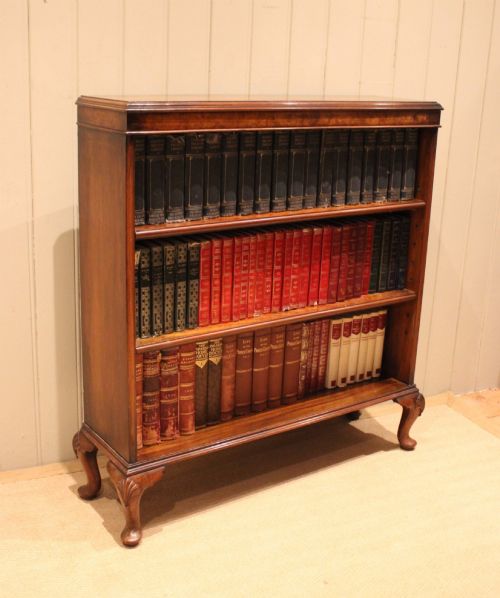
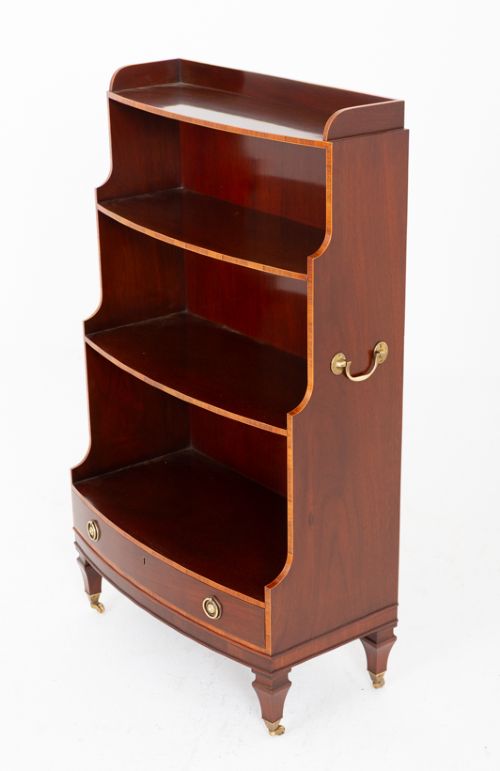
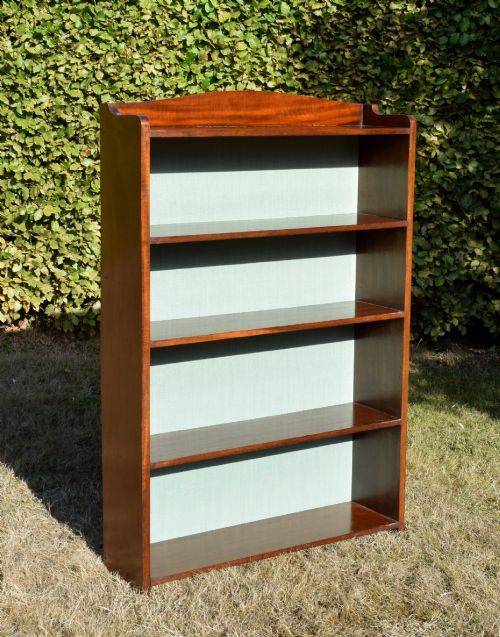
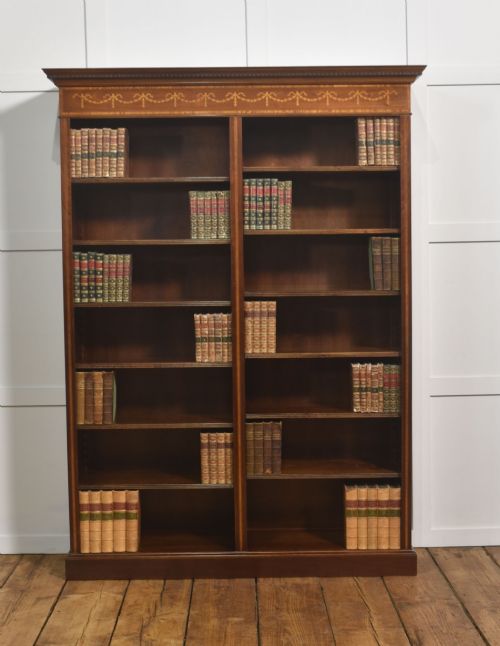
Georgian Open Bookshelf Unit
A georgian open bookshelf unit brings refined timber storage to a room, offering accessible display space for volumes and decorative objects alike.
Georgian Open Bookshelf Unit
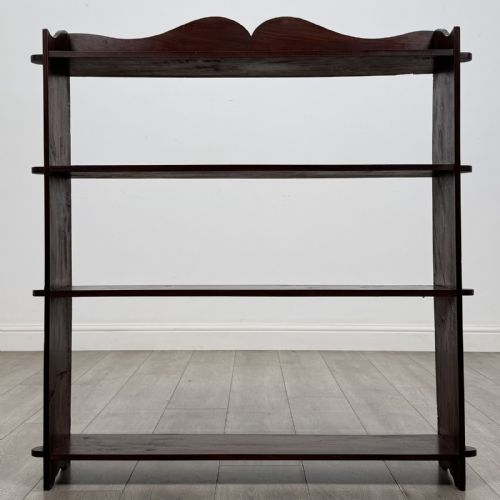
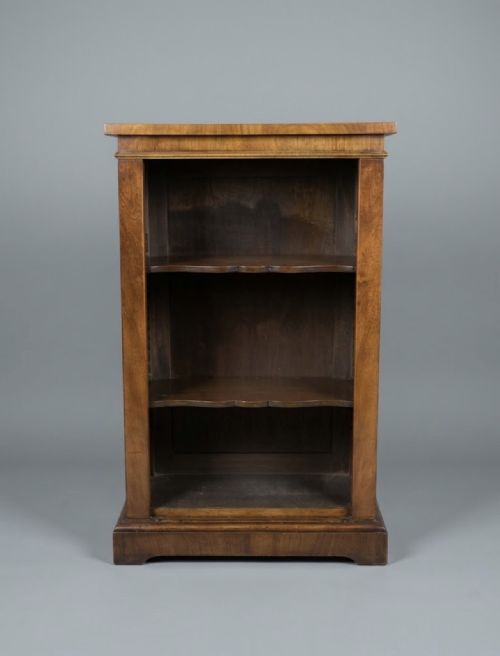
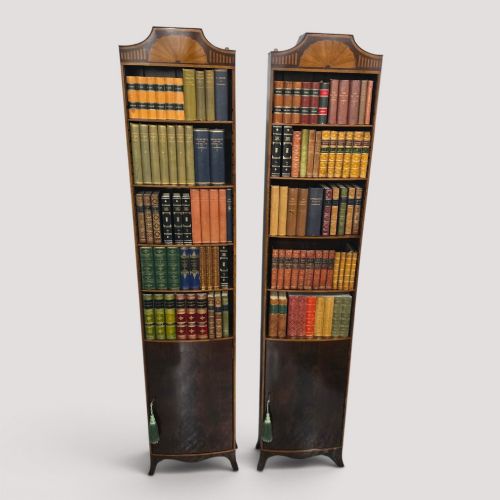
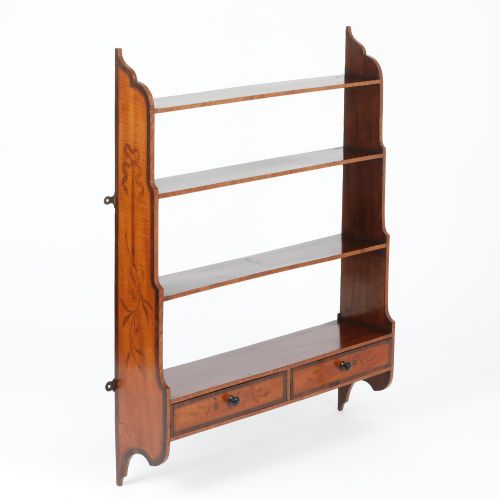
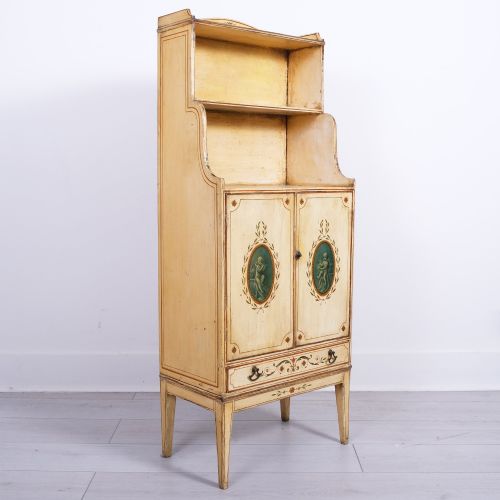
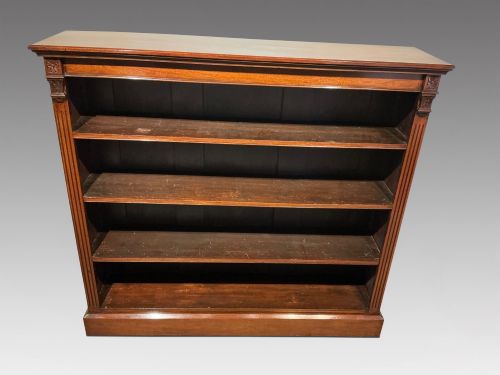
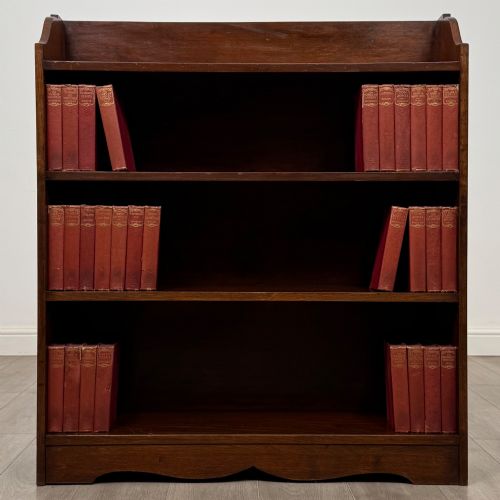
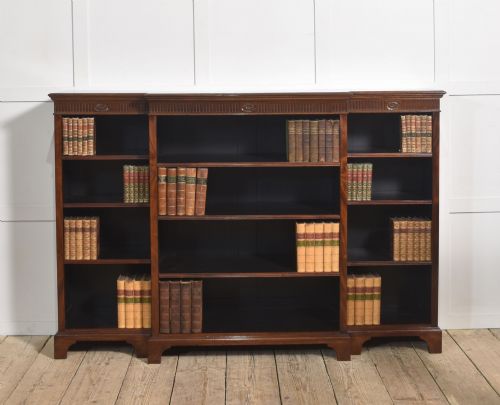
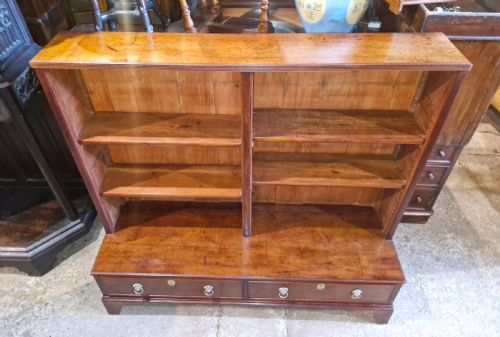
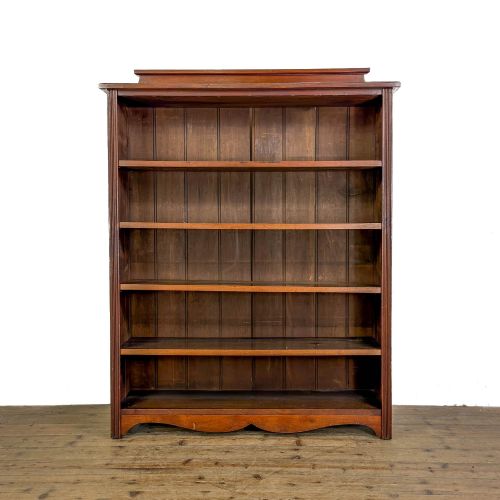
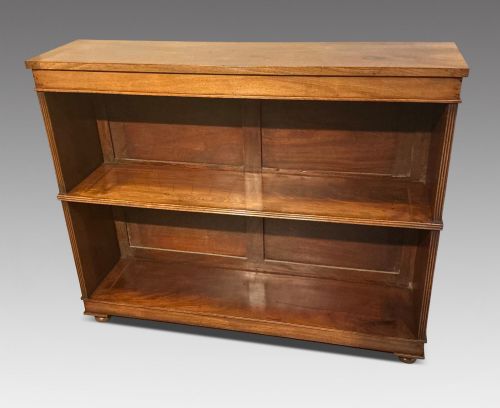
When searching for a georgian open bookshelf unit, buyers encounter various forms including freestanding bookcases, waterfall designs, and wall-hung shelves spanning the eighteenth, nineteenth, and twentieth centuries. Mahogany forms the backbone of these selections, alongside walnut, satinwood, and yew wood alternatives.
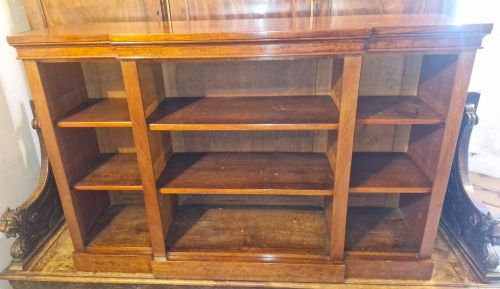
The pieces range from dwarf proportions to tall breakfront libraries, reflecting periods from the Regency era through to Edwardian revivals and later twentieth-century interpretations. Many feature adjustable shelving, open display tiers, or cascading tiers that suit contemporary rooms just as well as period libraries.
How they were made
Makers constructed these pieces primarily in solid and figured timbers such as mahogany, walnut, and satinwood, frequently enhanced by contrasting cross-banding, boxwood stringing, and delicate inlay work. Brass fittings appear on selected items, while other variants utilise painted wood or simulated paint finishes.
Carpentry techniques include graduated cascading tiers for waterfall formats and breakfront configurations for larger library installations. Craftspeople integrated adjustable shelves and drawers into the frameworks, ensuring structural stability across both freestanding and hanging variants.
Listings feature mahogany, walnut, satinwood, burr walnut, oak, and yew wood.
What varies in quality
The calibre of a piece rests heavily on the selection of timber figures, such as burr walnut or figured mahogany, and the precision of decorative elements like boxwood stringing and inlaid friezes. Finer examples display meticulous attention to proportion, particularly in neat-sized tall bookcases and balanced waterfall tiers.
Construction integrity defines the upper tier of these items, visible in smoothly operating adjustable shelves, robust joints, and the uncompromised grain alignment across breakfront panels and cross-banded borders.
Gillows·Waring And Gillows
The Georgian Open Bookshelf Unit Glossary
- Waterfall bookcase
- A set of open shelves that steps back progressively from bottom to top, creating a cascading silhouette. These pieces often feature graduated tiers suitable for display.
- Breakfront
- A cabinet or bookcase where the central section projects forward from the flanking wings. This architectural arrangement creates depth and visual rhythm across larger library furniture.
- Cross-banding
- A decorative border of veneer laid with the grain running perpendicular to the surrounding surface. It frames panels and tabletops with a contrasting timber orientation.
- Stringing
- Thin lines of contrasting wood inlaid into the surface of a piece. Boxwood is frequently utilised to create crisp linear borders on mahogany carcases.
- Frieze
- The broad horizontal band situated beneath the top moulding of a bookcase. This area often houses inlaid decoration or subtle carved details.
Georgian Open Bookshelf Unit: Frequently Asked Questions
How do I style an open bookshelf?
Balance books vertically and horizontally alongside decorative objects to create visual depth across the open tiers. Leave negative space so the timber grain and back panels remain visible.
Position freestanding units against flat walls in studies or living spaces where natural light highlights the mahogany or walnut surfaces.
Are the shelves adjustable?
Many examples include adjustable shelving systems supported by wooden tracks or metal pins, allowing owners to alter shelf heights for different volume sizes. This adaptability served working libraries.
Fixed shelving also appears frequently, particularly on smaller waterfall formats and antique corner units built with permanent tiers.
How do I identify a Regency bookcase?
Regency pieces often display classical proportions, dark mahogany grains, brass mounts, and restrained architectural lines reflecting early nineteenth-century taste. Look for dwarf heights and dwarf breakfront formats.
Later Edwardian and twentieth-century revivals also adopted these motifs, making timber analysis and construction inspection essential for dating.