

Georgian Oil Canvas Painting
When you search for a georgian oil canvas painting, you encounter centuries-old portraiture and landscapes that bring distinct historical character into a room.
Georgian Oil Canvas Painting
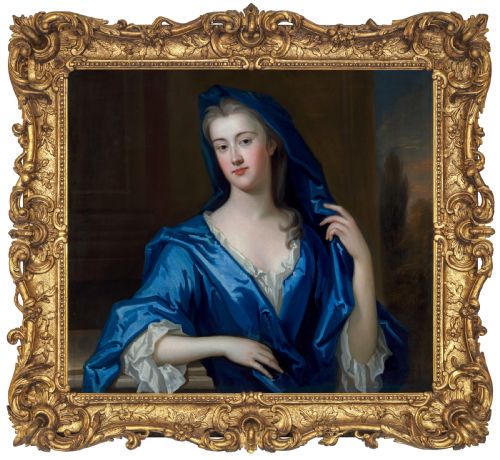
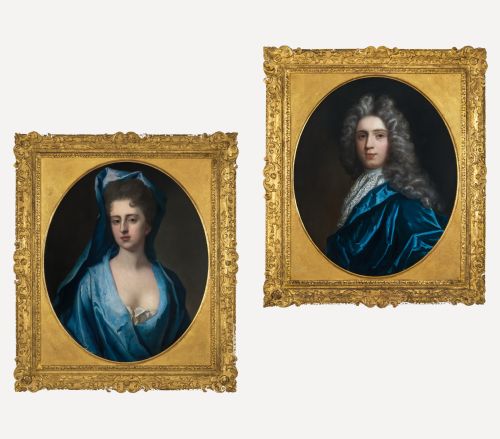
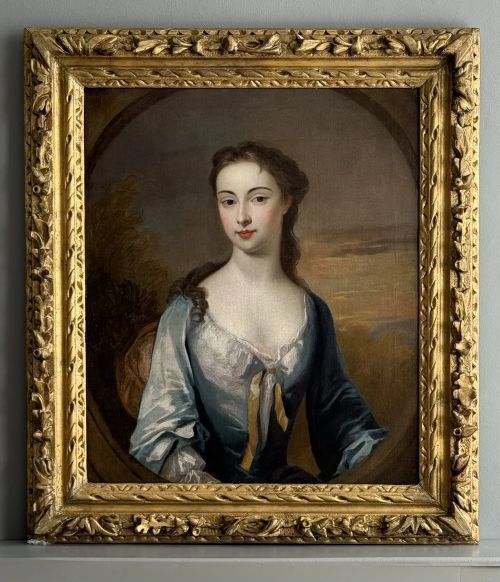
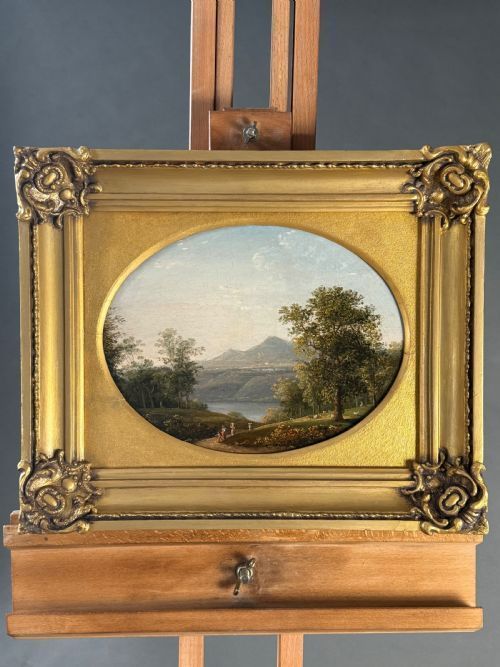
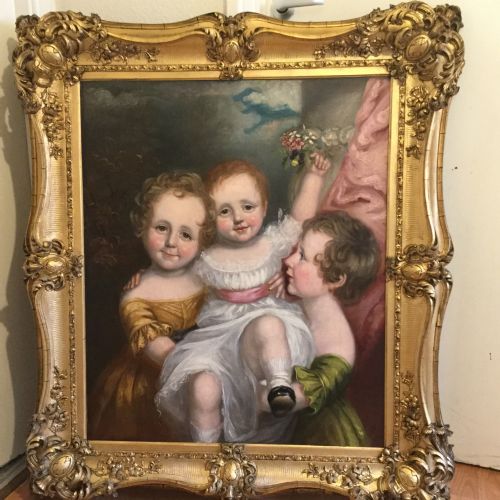
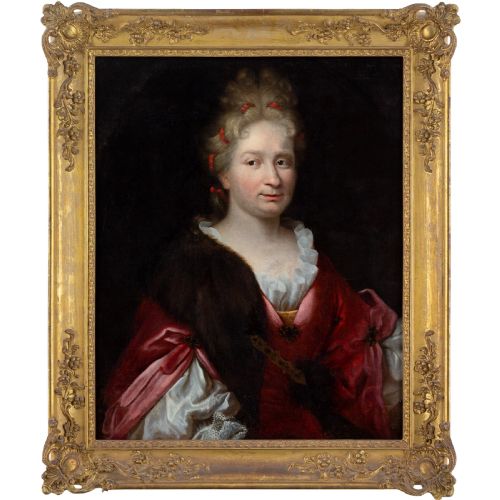
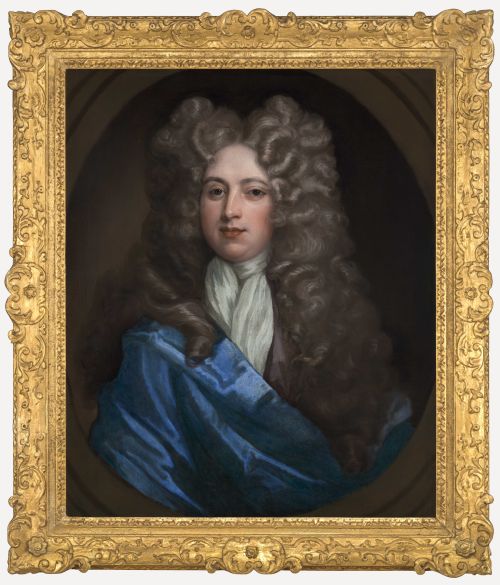
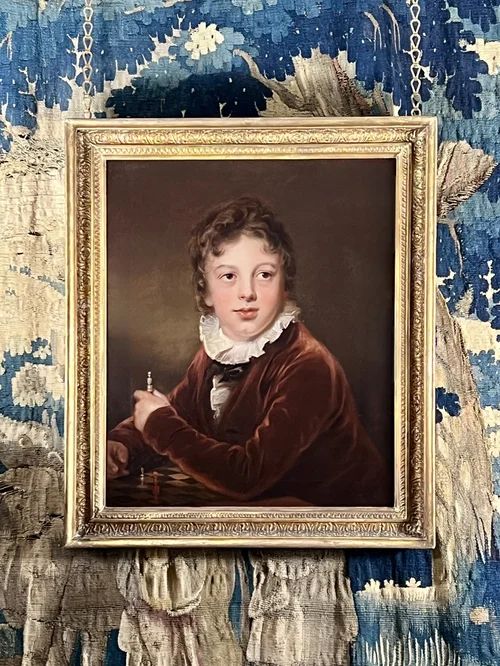
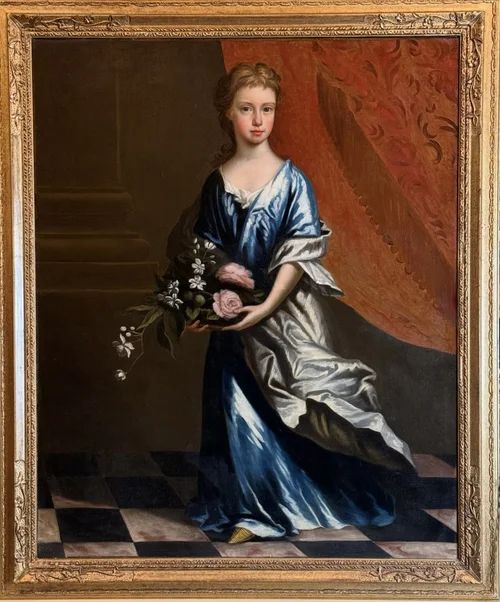
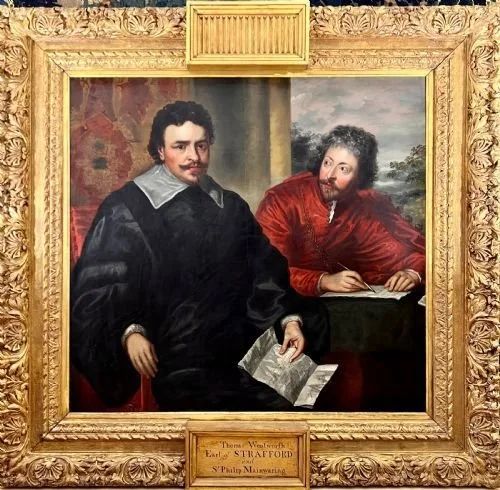
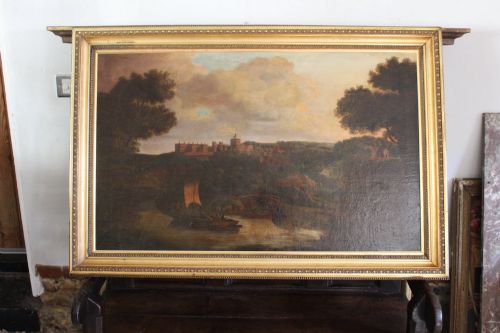
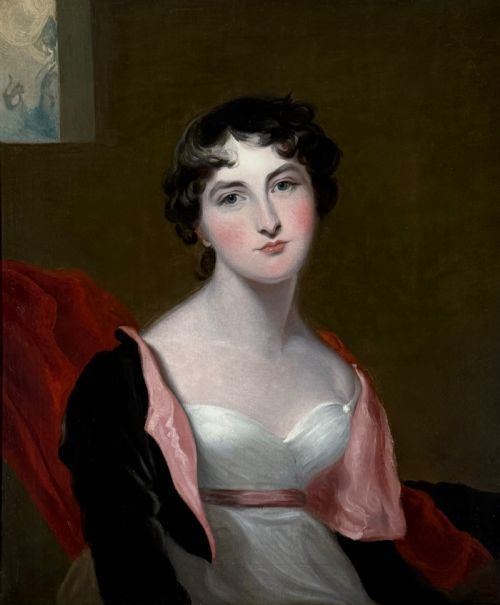
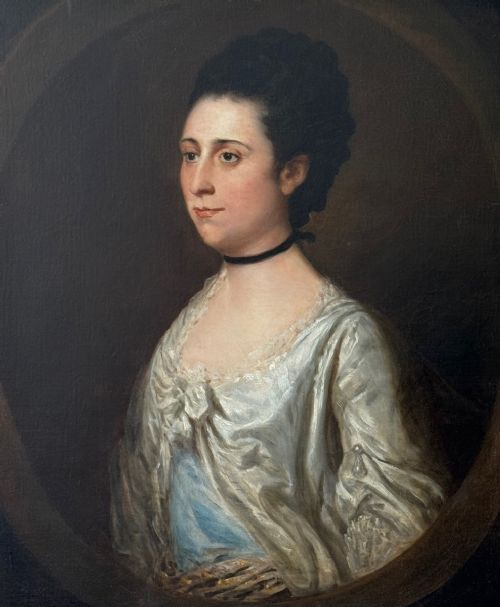
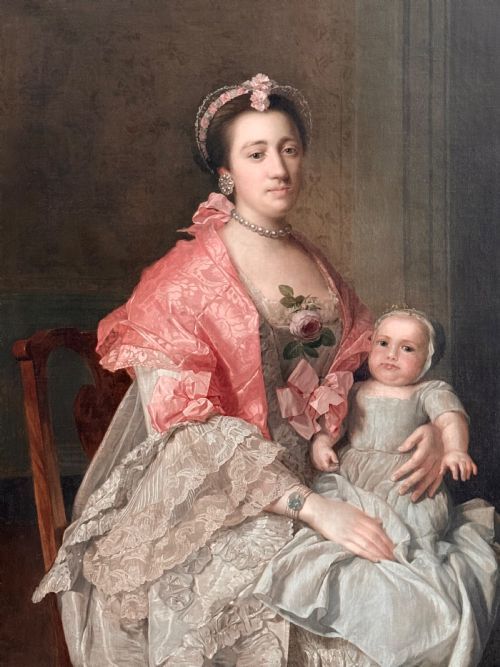
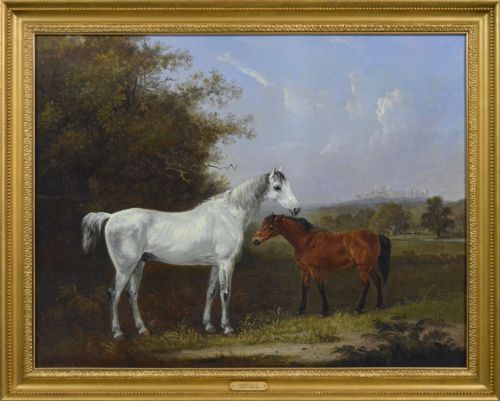
A georgian oil canvas painting captures the likenesses of notable figures, military officers, and anonymous sitters alongside pastoral landscapes and genre scenes. These works originate primarily from the eighteenth and early nineteenth centuries, reflecting the aesthetics of the Georgian and Regency periods.
The most common subjects encountered among these listings are formal portraits, often depicting seated gentlemen, society ladies, or children in period attire. Alongside portraiture, buyers also find pastoral landscapes featuring cattle, sheep, and figures traversing country paths.
How They Were Made
These works were produced using oil paint applied to a woven canvas support, sometimes subsequently laid onto wood panels or boards for added structural support. Many surviving examples retain their original frames constructed from giltwood, incorporating carved wood and gold leaf decoration.
Artists utilised traditional glazing and layering techniques with oil medium to build depth in drapery, flesh tones, and background scenery. Canvases were typically stretched over wooden frames by hand, with compositions often executed in studio settings by master painters, their pupils, or followers.
Several portraits quietly feature domestic animals and fruit trees sharing the canvas with stern eighteenth-century aristocrats.
What Varies In Quality
Framing and preservation contribute significantly to the overall merit of a piece, with period giltwood frames enhancing the visual authority of the canvas. Condition plays a role, as original surfaces untouched by heavy overpainting retain more of the artist's intended palette and texture.
Charles Jervas·Sir Joshua Reynolds·Jean Baptiste Van Loo·John Opie·Thomas Lawrence
The Georgian Oil Canvas Painting Glossary
- Oil on Canvas
- A traditional painting medium consisting of pigments bound with drying oils applied to a stretched fabric support. This combination allowed artists to blend colours smoothly and achieve rich tonal gradations.
- Giltwood
- Wood that has been coated with a thin layer of gold leaf or gold powder, commonly utilised for ornate picture frames. It provides a reflective, decorative border that complements historical paintings.
- Studio Work
- A painting produced within the workshop of a master artist, often involving the assistance of pupils or followers. These pieces typically reflect the stylistic conventions and composition of the primary master.
- Genre Painting
- A pictorial representation depicting scenes from everyday life involving ordinary people. These works often include figures engaged in common activities or narrative interactions.
- Regency
- The period in British history spanning the early nineteenth century, noted for distinct architectural and artistic styles following Georgian elegance. Paintings from this era often show refined clothing and lighter colour palettes.
Georgian Oil Canvas Painting: Frequently Asked Questions
How do I care for a canvas painting?
Display the artwork away from direct sunlight and dramatic fluctuations in temperature or humidity to protect the oil paint and canvas support.
Dust the surface gently with a soft, dry brush and avoid using liquid cleaners or chemical solutions on the paint layer.
What subjects appear in these works?
The primary subjects include individual portraits of military officers, gentlemen, ladies, and children, alongside rural landscapes and narrative genre scenes.
Many portraits record specific historical figures, while other canvases depict anonymous sitters or pastoral views with animals and figures.
How are periods distinguished?
Stylistic indicators such as costume design, wig styles, and framing conventions help identify whether a piece belongs to the seventeenth, eighteenth, or nineteenth century.
Brushwork techniques and colour palettes also shift between the darker tones of British Baroque and the lighter compositions of the Regency era.