
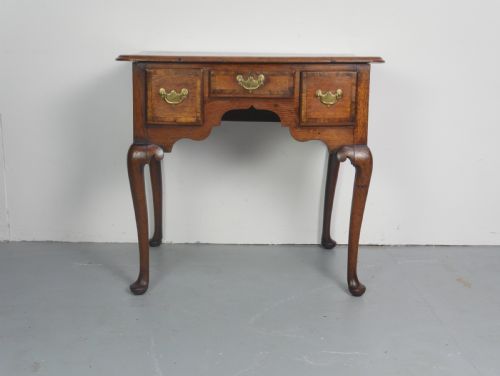


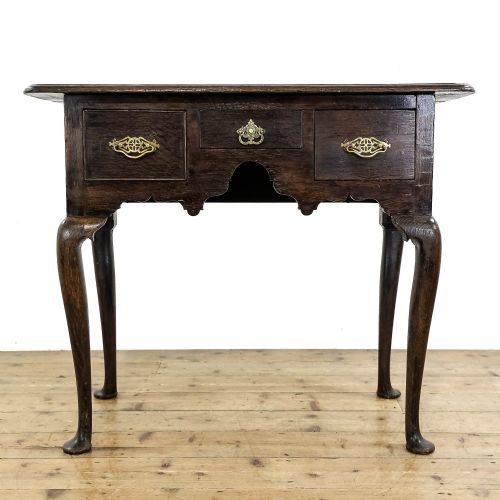


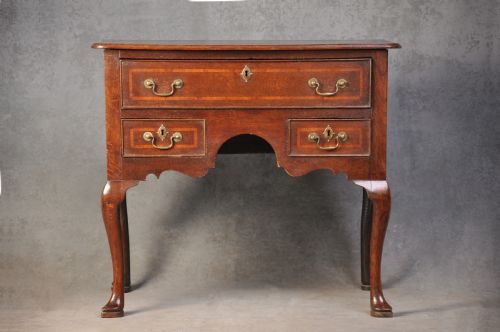
Georgian Oak Vanity
A georgian oak vanity brings genuine 18th-century utility and understated timber grain to any room.
Georgian Oak Vanity
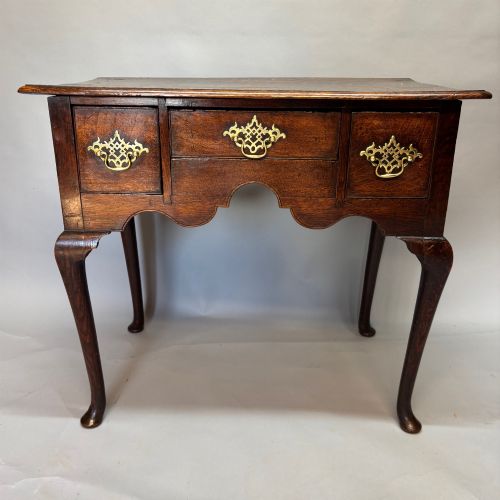
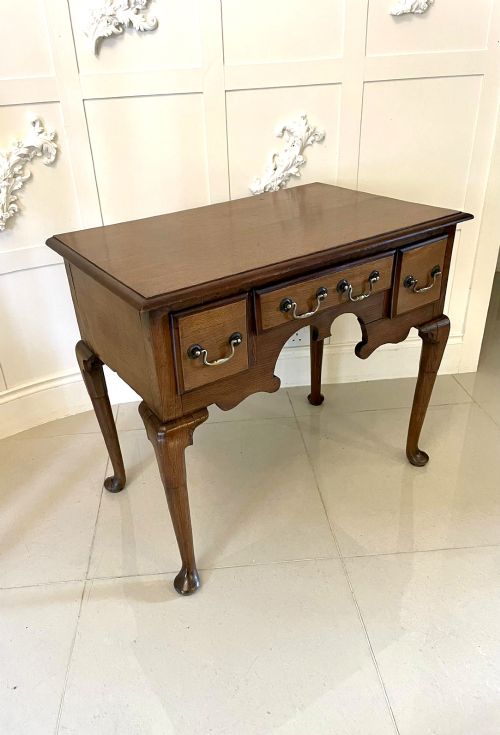
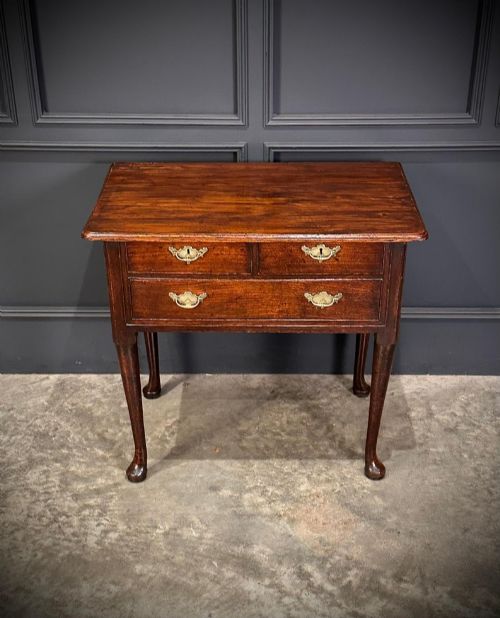
When you search for a georgian oak vanity, you are looking at lowboys, side tables, and dressing tables produced primarily during the 18th century and under George I, George II, and George III reigns. These pieces function as small tables with drawers, historically used for grooming, writing, or general storage in private chambers.
The version you are most likely to meet on this page is the oak lowboy, often styled with simple lines and constructed during the 18th century. Alongside lowboys, you will find dressing tables, writing desks, and occasional side tables that share the same modest proportions and timber construction.
How they were made
Construction techniques involve traditional joinery suited to domestic hardwood furniture of the period. Workshops shaped timber to form low tables, fitting drawers beneath the surface and finishing surfaces to highlight the natural grain of the oak.
Some dressing tables still retain their original keys tucked inside the drawer, ready to lock away secrets kept since the Georgian era.
What varies in quality
The distinction between standard examples and finer pieces rests on timber selection and the crispness of the joinery. Superior items display carefully matched oak grain across the top boards and drawer fronts, alongside well-proportioned legs and tidy framing.
Condition of original brass hardware and the presence of period components alter the character of individual pieces. Simpler provincial lowboys contrast with items showing more refined carving or more ambitious proportions.
The Georgian Oak Vanity Glossary
- Lowboy
- A small table with one or more tiers of drawers, typically standing on four legs and used as a dressing or side table. These form the core of the selection.
- George II
- The period of British history spanning the reign from 1727 to 1760, associated with specific shifts in furniture design. Pieces from this era often show robust proportions.
- Escutcheon
- A flat plate of brass surrounding a keyhole to protect the surrounding wood. This hardware detail frequently accompanies drawer locks.
- Queen Anne Style
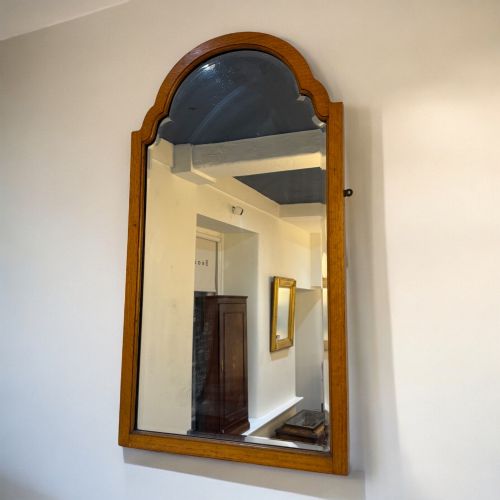
- A design aesthetic originating in the early 18th century and later revived, characterised by curved lines and cabriole legs. It appears across several tables and mirrors in the listings.
Georgian Oak Vanity: Frequently Asked Questions
What is a lowboy used for?
A lowboy functions primarily as a small dressing table or side table with drawers. Historically placed in bedrooms or parlours, it held personal items and grooming accessories.
Today, these pieces serve equally well as compact writing desks, hallway side tables, or accent surfaces in a living space.
How do I identify a Georgian piece?
Georgian pieces date from the reigns of the Georges spanning the 18th century and early 19th century. Look for traditional construction methods, solid oak timbers, and period brass hardware.
Proportions tend to be compact and functional, reflecting the domestic requirements of the era before industrial mass production.
How do I care for oak furniture?
Solid oak benefits from stable indoor humidity away from direct heat sources and strong sunlight. Regular dusting with a dry cloth keeps the surface clean without damaging the finish.
Application of traditional wax polish helps nourish the timber grain and maintains a soft sheen over the decades.
Are these pieces all original?
The selection includes items dating from the 18th century alongside later Victorian interpretations built in the Georgian style. Each listing records the specific period and materials associated with that individual piece.
Reviewing the descriptive details helps clarify whether a table dates to the 1700s or represents a later revival.