
Georgian Oak Storage
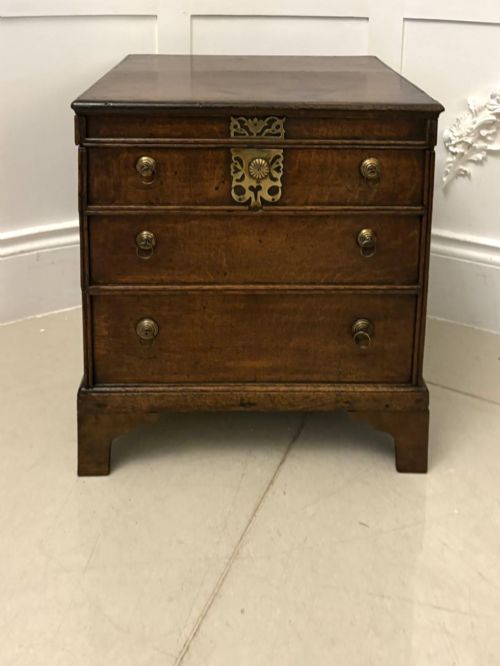
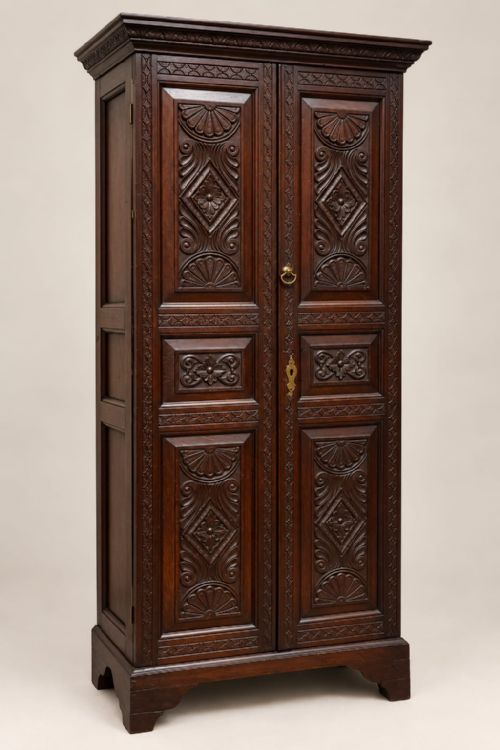
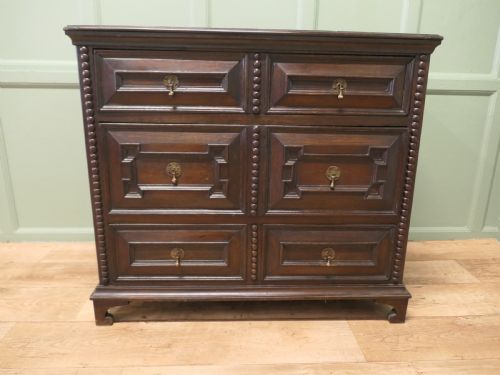
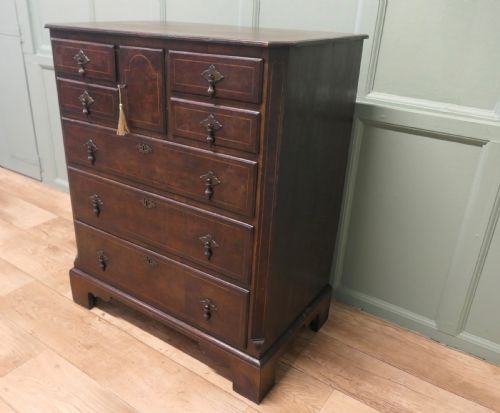
Georgian oak storage brings heavy timber chests, linen presses and cupboards into a room to hold everyday items.
Georgian Oak Storage
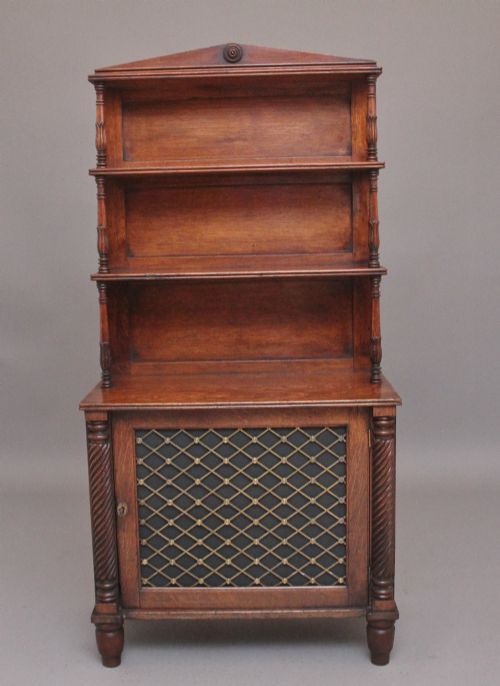
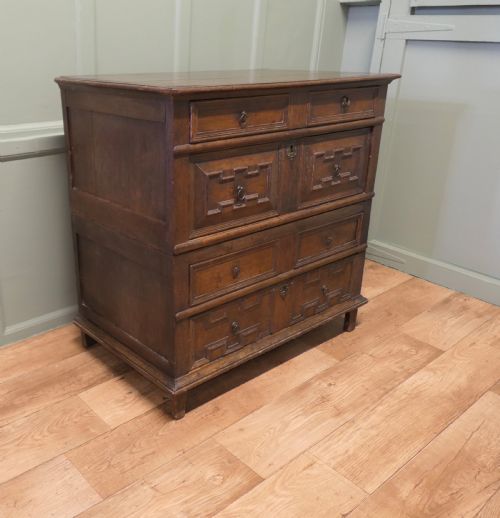
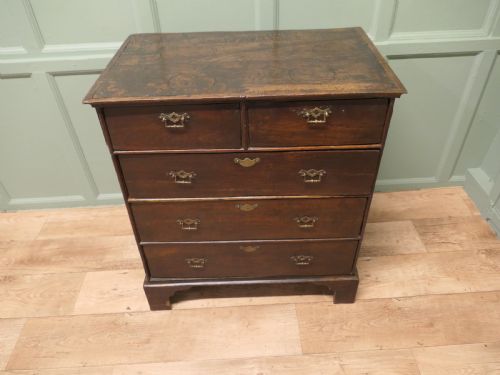
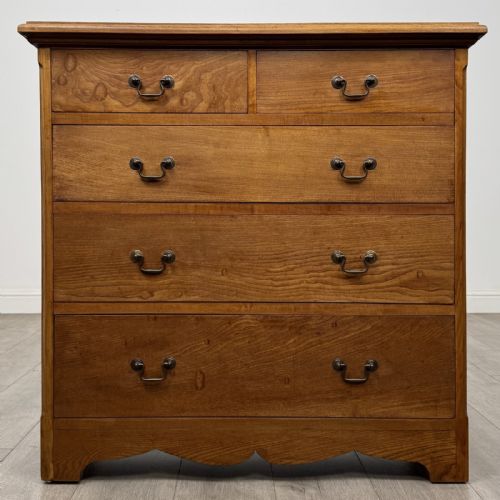
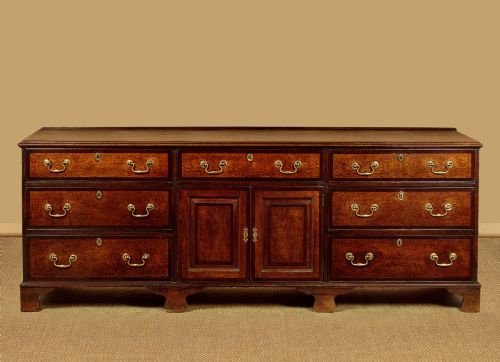
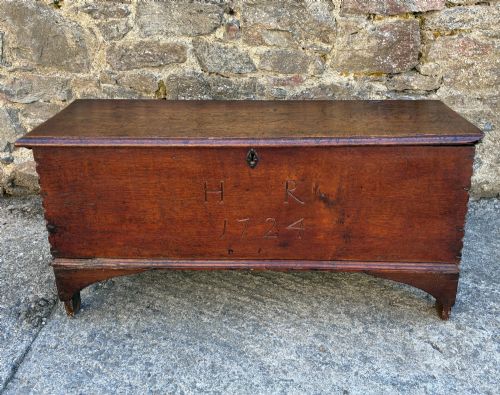
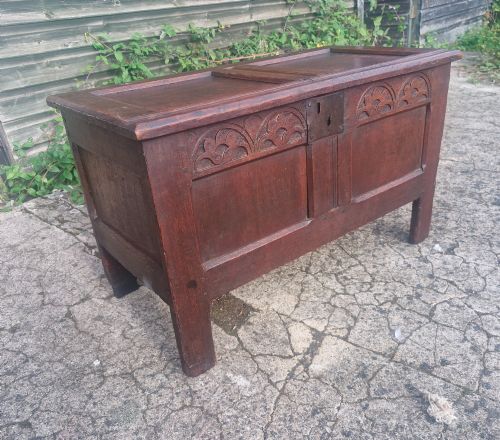
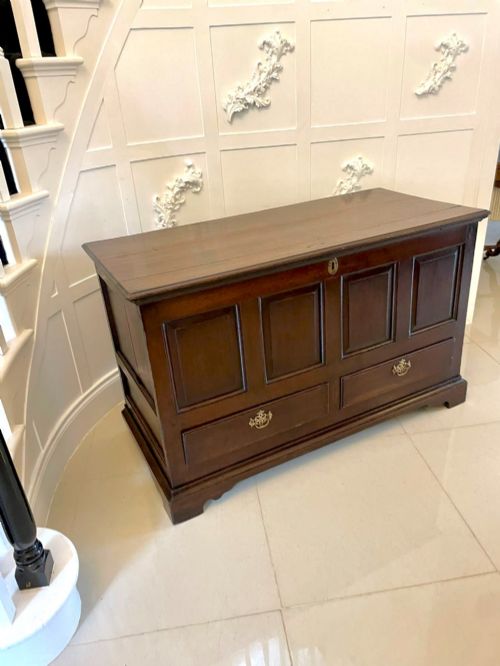
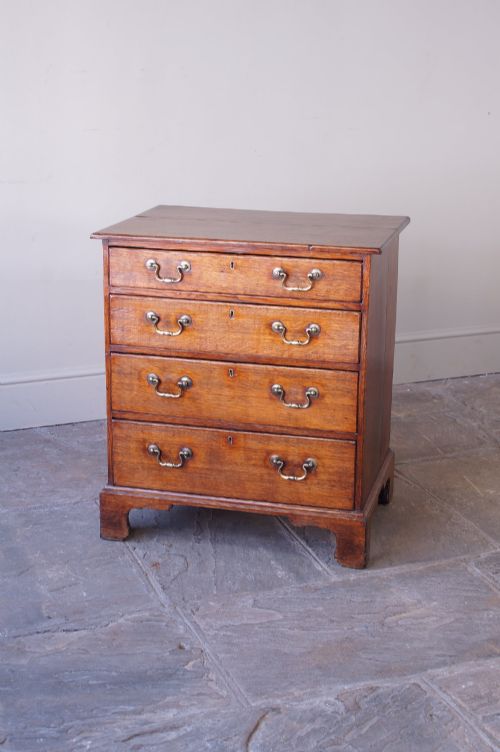
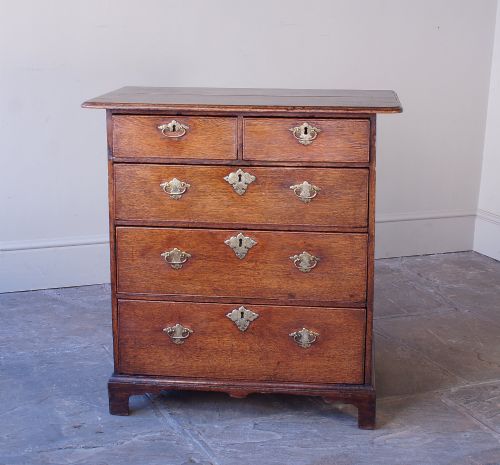
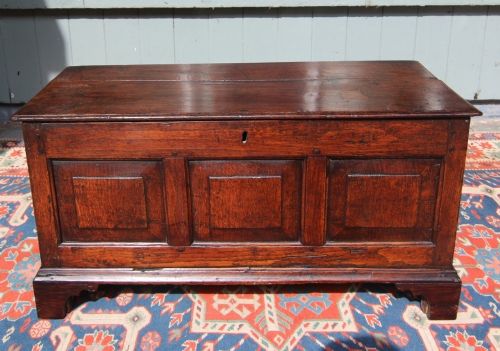
Georgian oak storage comprises practical items built from dense timber, spanning chests of drawers, coffers, mule chests, and housekeepers cupboards. These pieces originated to house linen, provisions, and personal belongings in domestic settings.
The version most commonly met on this page is the sturdy oak chest of drawers or coffer, often dating from the eighteenth century. They display the plain vernacular styling typical of country houses and rural workshops.
Materials and construction
Cabinet makers built these storage items primarily from solid oak, sometimes combining secondary timbers like elm, ash, or fruitwood inlay. Iron and brass hardware such as hinges, escutcheons, and drop handles secured the doors and lids.
Joinery methods relied on sturdy panel and frame construction for cupboards and settles, alongside dovetail joints for drawer construction. Surfaces often remained unpainted to highlight the natural grain of the timber, though occasional examples received ebonising or wax polishing.
Listings feature eighteenth and nineteenth-century periods, utilising materials such as solid oak, brass, iron, and mahogany across various functional storage forms.
Judging the quality
Quality rests in the selection of the timber and the crispness of the joinery rather than ornate decoration. Fine examples display well-figured oak grain, tight dovetailing, and original brass or iron fittings.
Proportion and untouched surfaces distinguish superior pieces from later alterations. Pieces retaining their original feet, panel work, and hardware sit firmly at the top of the range.
The Georgian Oak Storage Glossary
- Coffer
- A large wooden chest with a hinged lid used for storing valuables or household goods. These early pieces often feature carved front panels and sturdy stile feet.
- Mule chest
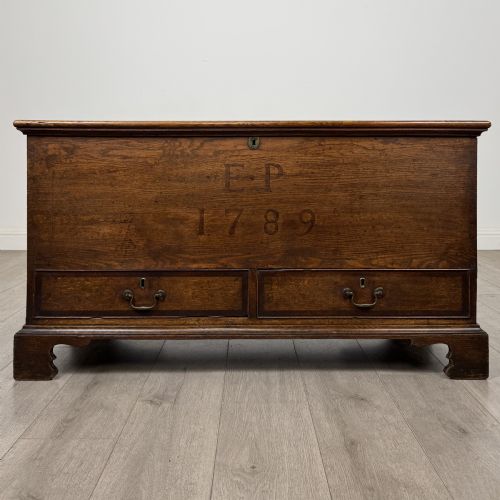
- A storage chest fitted with one or more drawers at the base beneath the main lidded compartment. This form bridges the traditional coffer and the modern chest of drawers.
- Linen press
- A tall cupboard designed specifically to store folded textiles and garments on sliding trays or shelves. Upper sections typically enclose cabinet doors while lower sections provide drawer space.
- Crossbanding
- A decorative border technique where thin strips of veneer, such as mahogany, are laid with the grain running perpendicular to the main surface. This adds a refined trim to drawer fronts and tabletops.
- Vernacular style
- Furniture designed and built by regional craftsmen for local domestic use rather than following metropolitan high-fashion trends. These items prioritise utility and sturdy local materials like oak and elm.
Georgian Oak Storage: Frequently Asked Questions
What is a mule chest?
A mule chest combines a traditional lidded storage trunk with one or more drawers built into the base. This layout allowed easier access to items without opening the main top compartment.
Craftsmen produced these hybrid items widely during the eighteenth century for domestic storage needs.
How do I date an oak coffer?
Dating relies on examining the construction methods, tool marks left on the wood, and hardware style. Hand-cut dovetails, peg joints, and original iron butterfly hinges point towards earlier eighteenth-century origins.
Later nineteenth-century reproductions often feature machine-sawn timber and standardised modern screws.
Where were these pieces used?
Households placed these storage items across hallways, bedrooms, and kitchens to hold textiles, food provisions, and clothing. Large cupboards and settles served central domestic spaces in country houses and farmhouses.
Smaller wall-hanging boxes and candle containers kept everyday essentials within easy reach.
How do I care for antique oak?
Maintain the wood by applying traditional beeswax periodically to nourish the dry timber and protect the surface. Keep pieces away from direct heat sources and radical humidity shifts to prevent splitting.
Avoid modern liquid polishes that can build up a sticky residue over the historic finish.