





Georgian Oak Low Table
When you search for a georgian oak low table, you enter a world of provincial utility turned to domestic elegance through time.
Georgian Oak Low Table
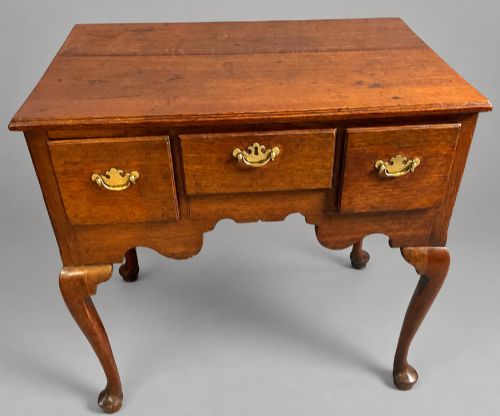
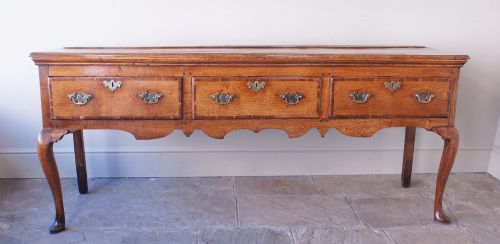
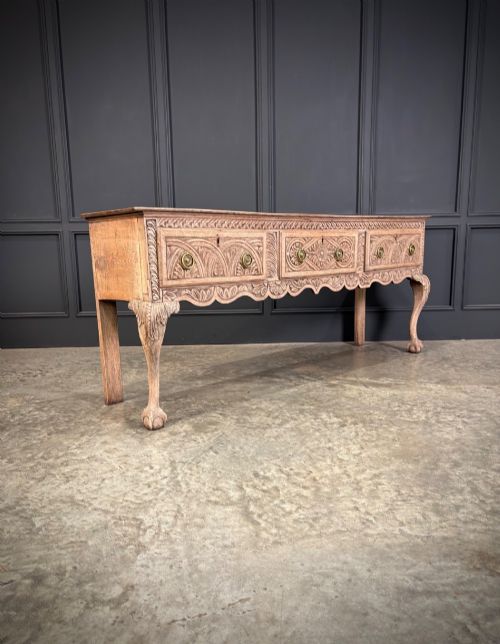
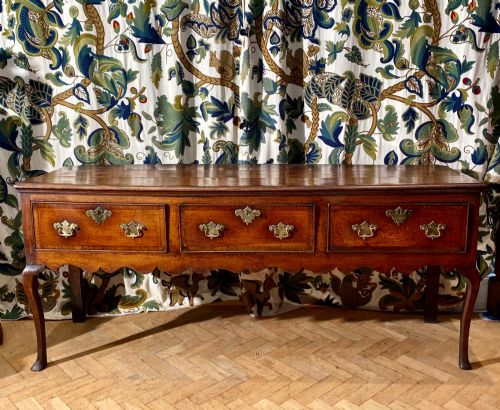
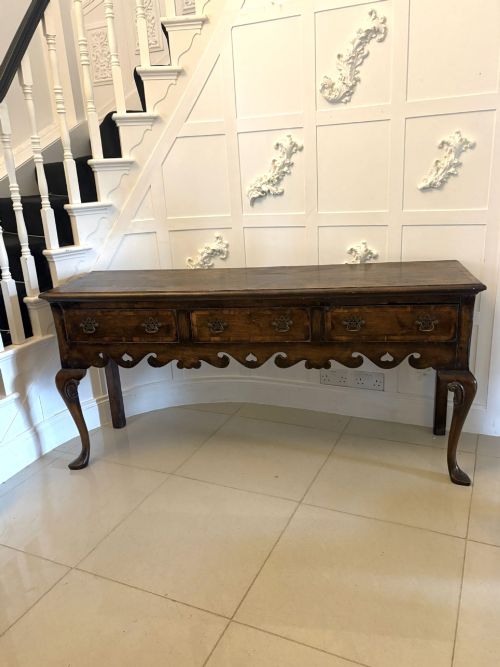
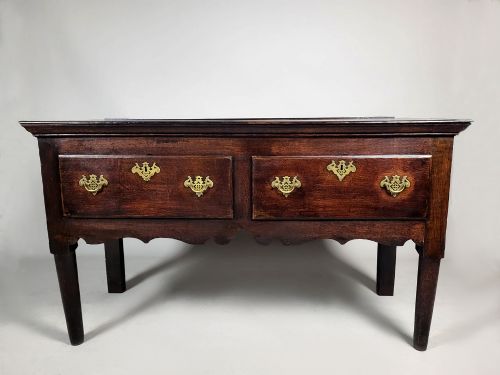
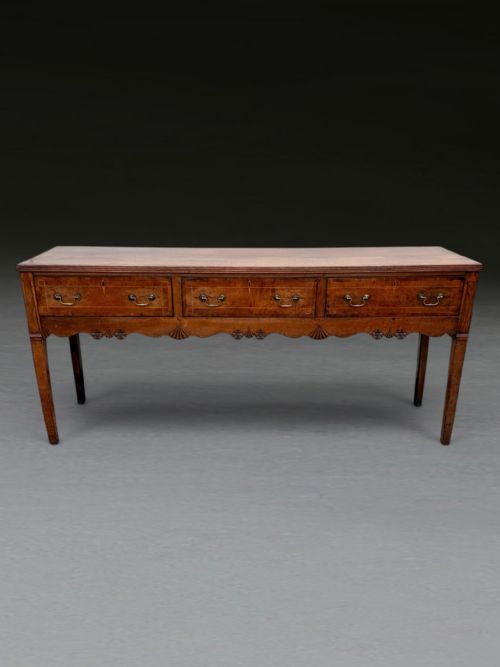
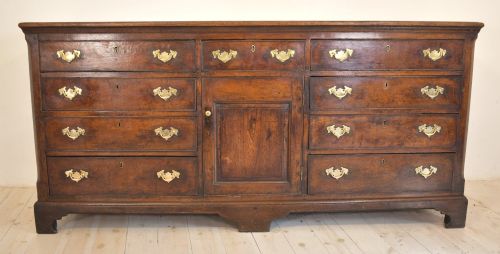
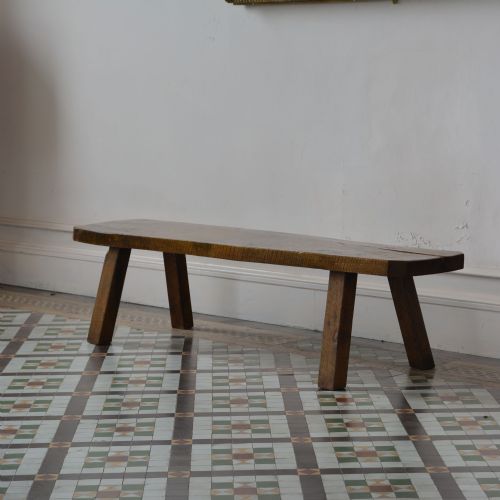
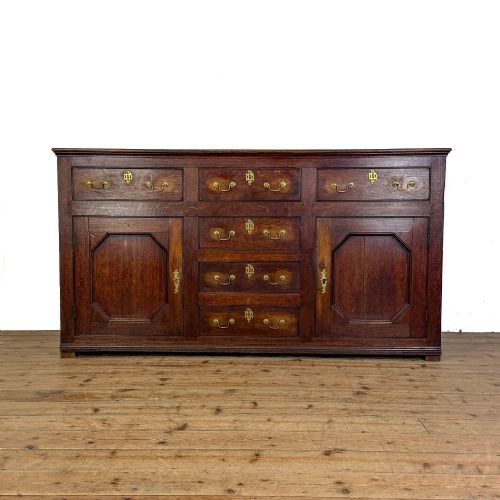
A georgian oak low table encompasses lowboys, side tables, and dresser bases created during the eighteenth and early nineteenth centuries. These sturdy low forms served multiple household tasks in country houses, from writing and dressing to serving.
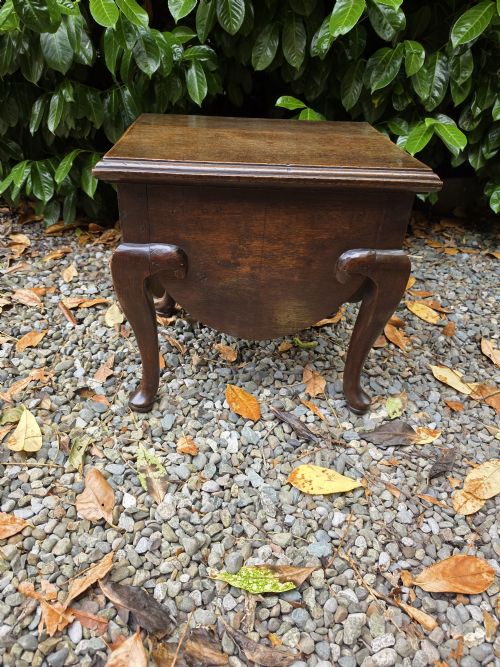
You are most likely to encounter compact lowboys fitted with single or multiple drawers, standing on cabriole or straight legs. Many examples show regional British origins, particularly from Wales and Lancashire, reflecting local vernacular furniture traditions.
The aesthetic leans toward rustic country styles rather than urban refinement. Their proportions make them adaptable as modern coffee or occasional tables in contemporary settings.
Materials and Construction
Makers relied primarily on native oak, frequently supplemented with secondary timbers such as elm, ash, and pine for drawer linings and internal framing. Timber selection depended on regional availability across English, Welsh, and Scottish workshops.
Surface embellishments included subtle cross-banding, brass handles, and occasionally inlaid details. Construction methods involved traditional joinery, utilising pegged joints and solid boards shaped by hand.
Georgian Oak Low Table Retail Price Guide 2026
Typical asking prices for georgian oak low table among the pieces listed under this phrase on Sellingantiques today, from the lower quarter to the upper quarter. They describe what is for sale here now, not the wider market.
Listings feature eighteenth-century oak alongside nineteenth-century adaptations, incorporating elm, ash, and brass hardware across various regional styles.
Understanding Quality and Character
The distinction between ordinary and exceptional pieces lies in the crispness of the timber grain, the retention of original brass hardware, and the proportion of the legs. Grain depth and warm patination accumulated over centuries dictate visual presence.
Regional execution also plays a role, where provincial quirks enhance authenticity rather than detract from merit. The integrity of the structure and minimal intervention by later restorers mark the higher tiers of surviving examples.
Gillows
The Georgian Oak Low Table Glossary
- Lowboy
- A small occasional table featuring one or more drawers, typically standing on four legs at a height suitable for dressing or writing. They represent a core form within eighteenth-century domestic furniture.
- Potboard
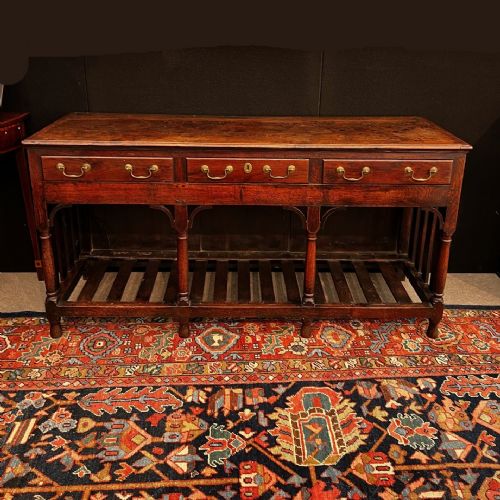
- A lower shelf fitted beneath a dresser base or table, originally designed for storing pots and pans. This open slatted or solid board provides structural stability and display space.
- Cross-banding
- A decorative technique where narrow strips of veneer are applied to the borders of a table top so the grain runs perpendicular to the main surface. It frames the central timber panel.
- Cabriole leg
- A furniture leg that curves outward in a convex arc and tapers inward in a concave arc, terminating in a pad or foot. This stylistic element often points to early eighteenth-century influences.
- Vernacular furniture
- Domestic pieces made by local craftspeople using native woods without strict adherence to metropolitan fashion. These items showcase regional building habits and practical utility.
Georgian Oak Low Table: Frequently Asked Questions
What is a lowboy used for?
Originally deployed as a small dressing table, writing desk, or hall table, a lowboy held personal items and documents in the bedroom or parlour.
Today, their low stature and compact footprint make them ideal as bedside surfaces or compact coffee tables in living spaces.
How can I date an oak table?
Dating relies on examining joinery marks, wood patination, hardware, and the specific turning of the legs. Eighteenth-century pieces display hand-cut elements and natural wear patterns.
Comparing construction traits with documented regional styles helps narrow down the period of manufacture.
Are these tables solid oak?
Most period examples utilise solid native oak for the primary surfaces, frames, and tops. Secondary woods like pine or elm frequently appear inside drawer construction.
Craftspeople built these utilitarian items to endure heavy daily use, ensuring robust physical composition.
Where were these tables made?
Provincial workshops across England, Wales, and Scotland produced these practical items using locally sourced timber. Regional variations in leg design and drawer configuration often hint at the specific locality.
Country house inventories and estate sales frequently record these provincial pieces.