

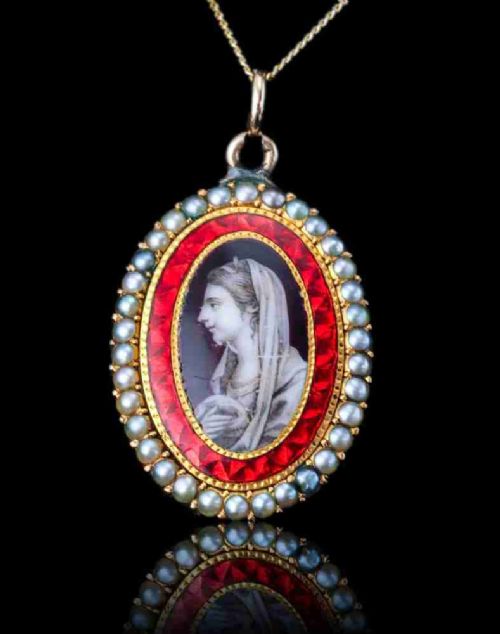


Georgian Necklace
A georgian necklace brings hand-cut paste, foiled stones and miniature portraits into daylight with a quiet weight.
Georgian Necklace
A georgian necklace draws the eye with distinctive forms like foil-backed paste crosses, rivières, and miniature portrait lockets. These pieces represent the enduring appeal of 18th and early 19th-century ornamentation, worn close to the collarbone in silver, gold, and seed pearl.
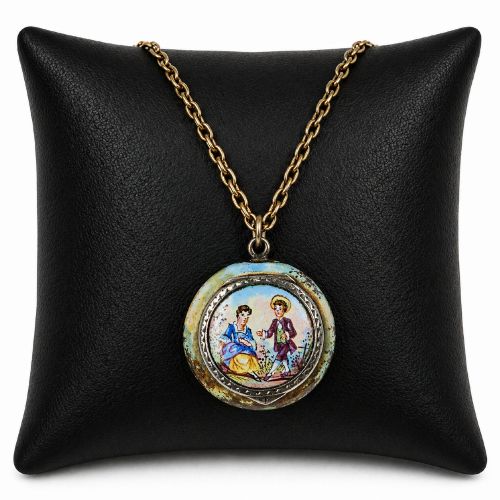
The versions most commonly met on this page combine silver settings with foiled paste stones or incorporate portrait miniatures painted in watercolour and enamel. Collectors encounter these designs across Georgian, Regency, and early Victorian periods, often arranged as flexible pendant necklaces or graduated links.
How they were made
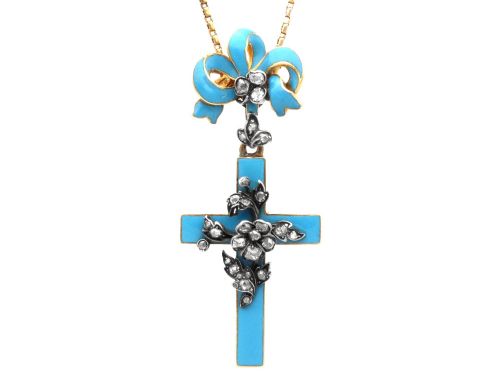
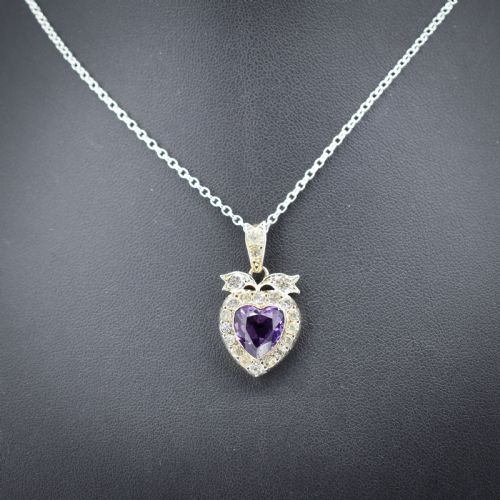
Goldsmiths and jewellers utilised yellow gold, nine carat gold, fifteen carat gold, and silver to fabricate these settings by hand. Stones such as diamonds, amethysts, turquoise, and paste glass were cut by hand and frequently backed with coloured foil to deepen their radiance under candlelight.
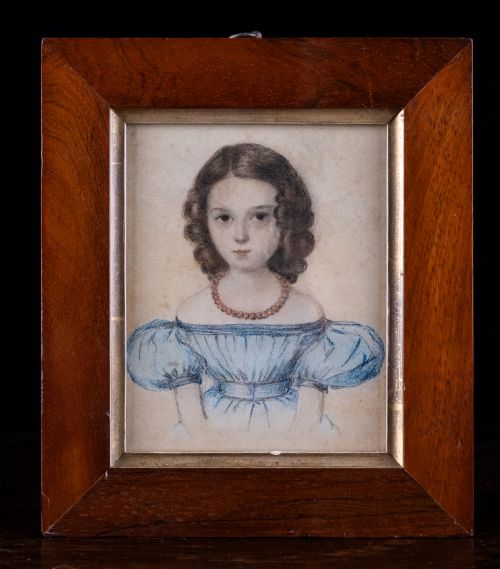
Enamel work and delicate watercolour portrait miniatures required meticulous application, encased within gold and silver frames often fitted with glass backs. Pearl stringing and seed pearl work added intricate texture, while metal components were shaped to accommodate closed-back gemstone settings.
Georgian Necklace Retail Price Guide 2026
Typical asking prices for georgian necklace among the pieces listed under this phrase on Sellingantiques today, from the lower quarter to the upper quarter. They describe what is for sale here now, not the wider market.
Wear a georgian necklace and carry a painted gaze from 1800 wherever you walk.
What varies in quality
The distinction between tiers rests upon the fineness of the hand-cutting in the paste or gemstones, and the preservation of the original foil backing. Superior examples display crisp chasing in the precious metals and a secure, harmonious integration of clasps and settings.
Miniature portraits and enamel work diverge in the subtlety of the brushwork and the clarity of the protective glass covers. The structural integrity of the gold or silver mountings, alongside the originality of the components, determines the standing of each piece.
Henry Jacob Burch·William Owen
The Georgian Necklace Glossary
- Paste
- Faceted glass created to imitate gemstones, frequently hand-cut and backed with coloured foil to enhance brilliance.
- Rivière
- A necklace composed of a continuous line of gemstones or paste stones of similar size or graduating gradually.
- Foil back
- A thin sheet of coloured metallic foil placed behind a gemstone or paste within a closed setting to enrich its colour.
- Portrait miniature
- A small, highly detailed painting, typically executed in watercolour on ivory or vellum, housed within a pendant locket.
- Seed pearl
- Very small, naturally occurring pearls often used in clusters or woven strands in early jewellery.
Georgian Necklace: Frequently Asked Questions
What is a georgian necklace made of?
These pieces incorporate silver, yellow gold in various carats, and paste glass alongside natural gems like amethyst, turquoise, and diamonds. Artists also employed enamel, watercolour, and pearls.
Settings often combine silver at the front to brighten stones with gold structural elements behind, reflecting the prevailing techniques of the era.
How do I wear a georgian necklace?
Most pieces sit high on the collarbone as pendant necklaces, rivières, or short chains fastened with dog clips. Their historic lengths suit contemporary necklines when paired with simple attire.
Care should be taken to protect delicate elements like watercolour miniatures and foiled paste from moisture and cosmetics during wear.
What is a black dot paste?
Black dot paste refers to an 18th-century technique where a tiny dark spot was painted on the culet of a glass stone to mimic the open culet of a real diamond.
This characteristic detail helps identify authentic Georgian production methods in paste jewellery.