



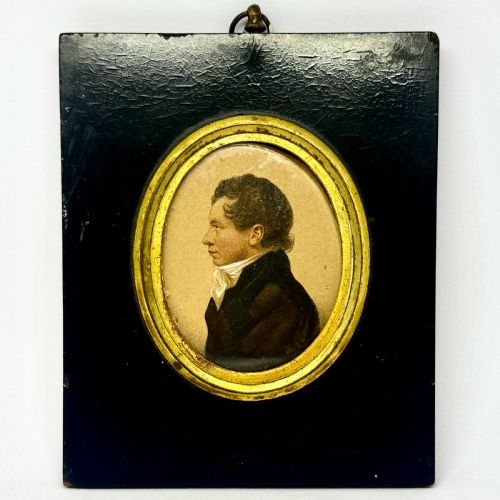


Georgian Miniature Profile Art
Georgian miniature profile art captures likenesses in silhouette, watercolour, and plumbago, offering an intimate glimpse of past lives.
Georgian Miniature Profile Art
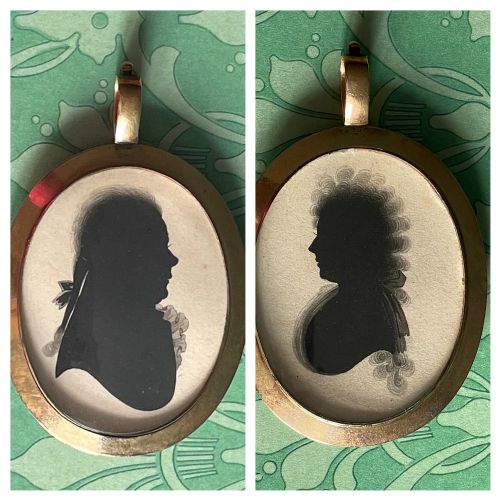
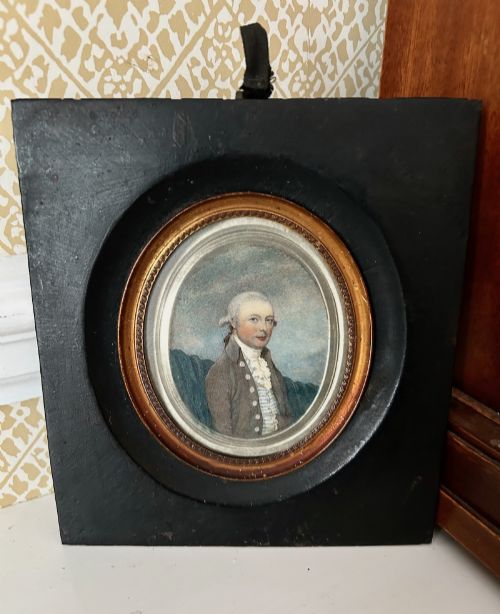
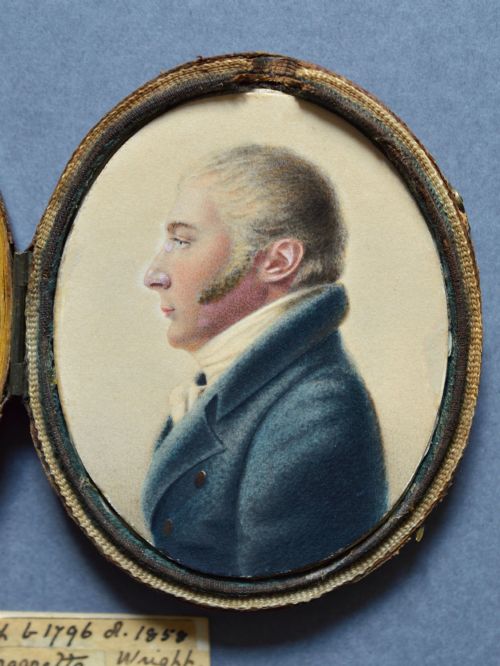
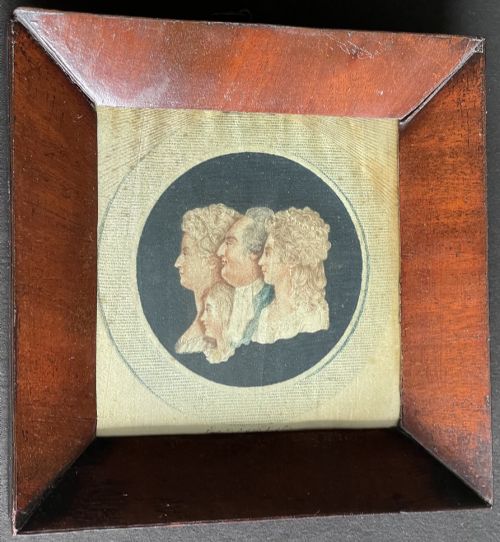
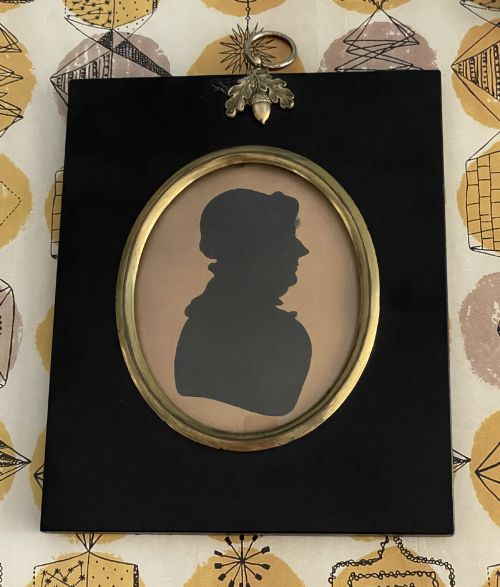
Georgian miniature profile art comprises small framed likenesses created during the eighteenth and nineteenth centuries, spanning Georgian and Regency periods. Buyers encounter silhouette portraits, cut-paper works, and miniature paintings on glass, plaster, or ivory.
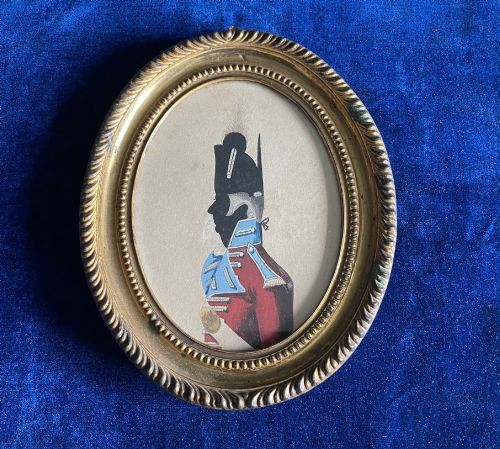
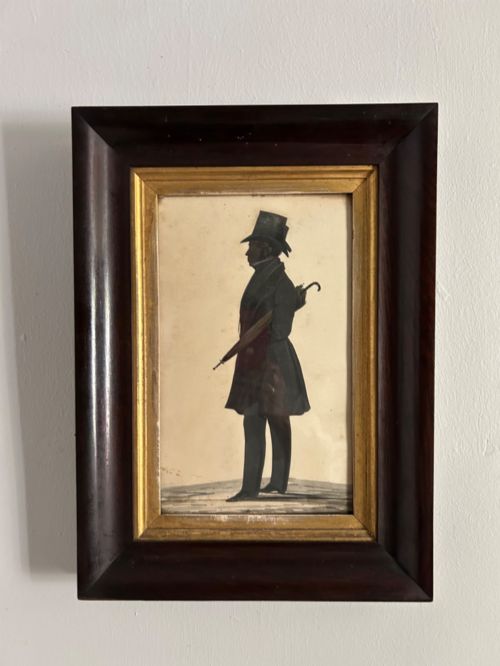
The selections on this page include full-length figures, painted profiles, and detailed silhouettes, often housed in original ebonised wood or rosewood frames with brass fittings. Many depict named sitters, recording individual identities from the era.
How they were made
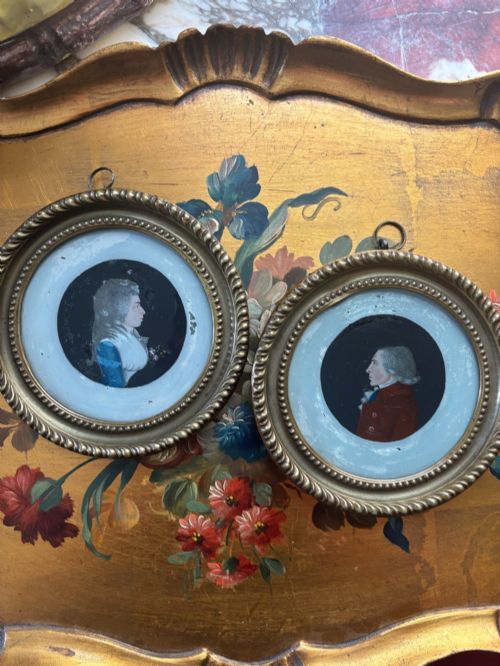
Artists created these profile works using paper, ink, watercolour, and wax, frequently applying gold leaf highlights to enhance costume details. Some silhouettes were cut freehand from paper, while others were painted directly onto glass or plaster.
Framing materials included ebonised wood, brass, and glass to protect the delicate media beneath, with specialised techniques used for reverse painting on glass or plumbago drawing on paper.
Georgian Miniature Profile Art Retail Price Guide 2026
Typical asking prices for georgian miniature profile art among the pieces listed under this phrase on Sellingantiques today, from the lower quarter to the upper quarter. They describe what is for sale here now, not the wider market.
Listings feature works from the eighteenth and nineteenth centuries, incorporating glass, paper, brass, wood, ink, watercolour, ebonised wood, and gold leaf.
What varies in quality
Quality rests upon the precision of the cutting or brushwork, alongside the crispness of the profile delineation and the subtlety of any added gilding. Finer examples capture expression and costume nuances with remarkable economy of line.
The survival of original backing papers, maker signatures, and period frames significantly influences the standing of a piece, as does the clarity of the glass and the stability of the substrate.
Bateman·Frith·James Sharples·George Atkinson·Thomas John Horsley·James Gillespie·Augustin Edouart·John Miers·Hubard Gallery·Thomas London·J. Deacon·James Ferguson·Archibald Skirving·John Smith of Edinburgh·Ozias Humphry
The Georgian Miniature Profile Art Glossary
- Silhouette
- A solid black profile likeness, typically cut from paper or painted against a contrasting background. The form gained immense popularity during the eighteenth century.
- Plumbago
- A graphite drawing technique producing finely detailed monochrome portraits. Artists utilised this medium extensively before watercolour miniatures became dominant.
- Ebonised wood
- Timber treated to resemble ebony, frequently used for dark, contrasting portrait frames. This finish provides a traditional border for silhouette art.
- Reverse painting on glass
- A technique where the artist paints directly onto the rear surface of the glass, viewed from the front. This method creates a glossy, preserved finish.
- Cut-paper
- The practice of snipping silhouettes from paper using small scissors without preliminary sketching. Skilled practitioners achieved astonishing detail in costume and hair.
Georgian Miniature Profile Art: Frequently Asked Questions
What materials were used for Georgian profiles?
Artists worked with paper, card, glass, plaster, and ivory, applying black ink, watercolour, and plumbago for the imagery. Gold leaf was often added to highlight buttons, lace, and hair.
Frames were commonly constructed from ebonised wood or rosewood, frequently fitted with cast brass bezels and protective glass.
Were these miniatures painted or cut?
Both methods were common, with artists either cutting profiles from black paper or painting them by hand with ink and watercolour. Some makers painted directly onto glass or plaster substrates.
Cut-paper silhouettes were sometimes mounted over a light background to create contrast within the frame.
How should I hang profile art at home?
These small pieces benefit from placement in intimate spaces, such as narrow wall panels, hallways, or grouped in traditional gallery arrangements. Direct sunlight should be avoided to protect the delicate paper and watercolour pigments.
Stable indoor humidity helps preserve the original wooden frames and glass mountings.