





Georgian Miniature on Glass
These georgian miniature on glass pieces offer exquisite hand-painted portraiture and delicate craftsmanship, highly sought after by collectors for their intricate historical detail.
Georgian Miniature on Glass
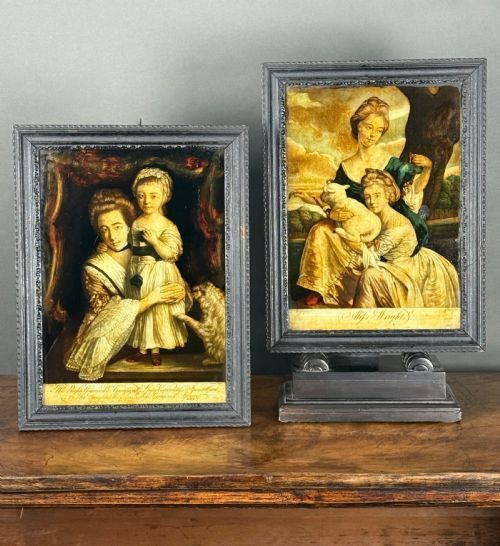
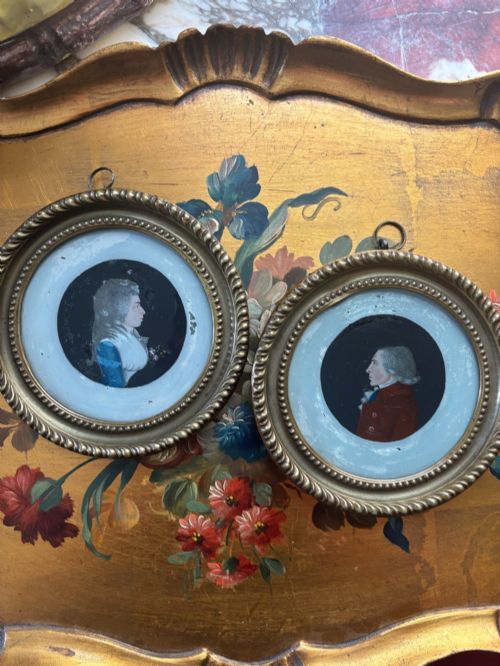
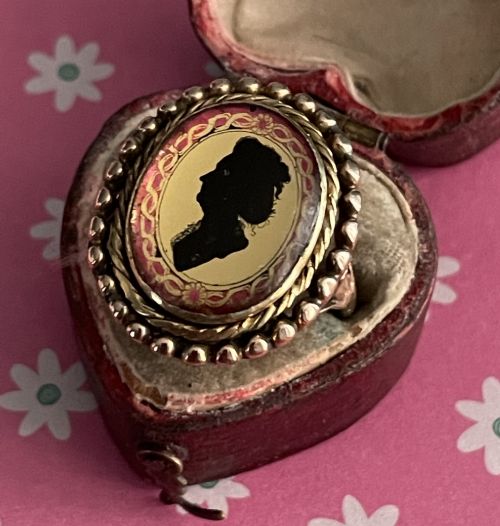
A georgian miniature on glass captures the intricate portraiture and delicate silhouettes of the eighteenth and nineteenth centuries, often rendered through reverse painting techniques. Collectors frequently encounter silhouette miniatures, framed prints, and small decorative items housed in brass or wood frames.
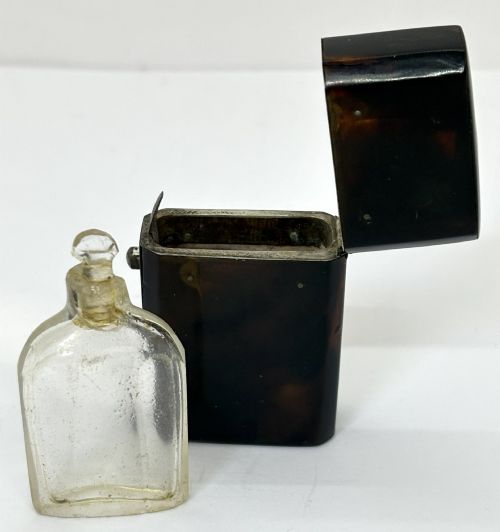
The objects span periods from the reign of Queen Anne through the Regency era, reflecting evolving artistic tastes in portraiture. Common forms on this page include patch stands, scent bottle holders, and miniature portraits framed for intimate display.
Makers and artists such as John Miers and John Barry appear within the historical record, marking these works as significant examples of period craftsmanship. The materials utilised range from lead glass and paint to gold leaf and tortoiseshell.
Materials and Techniques
Makers applied paint, gold leaf, and silhouette pigments directly onto glass surfaces, frequently utilising reverse painting to protect the delicate imagery beneath. Lead glass provided a clear, substantial medium for these detailed works.
Georgian Miniature on Glass Retail Price Guide 2026
Typical asking prices for georgian miniature on glass among the pieces listed under this phrase on Sellingantiques today, from the lower quarter to the upper quarter. They describe what is for sale here now, not the wider market.
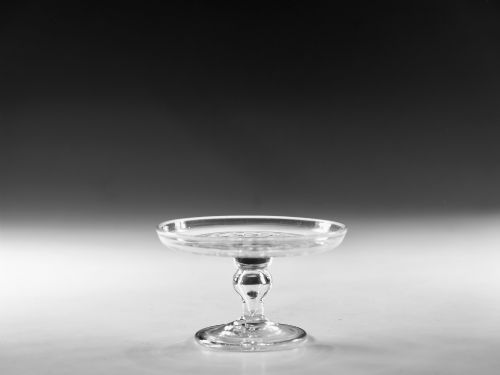
Some miniature patch stands are so diminutive they appear ready to serve tea to a very well-dressed mouse.
Assessing Quality and Execution
The preservation of the original housing, whether a pear wood oval frame or a brass mount, substantially influences the integrity of the piece. Superior craftsmanship shows careful attention to both the painted image and the protective glass medium.
John Miers·John Barry
The Georgian Miniature on Glass Glossary
- Verre eglomise
- A cold decoration technique involving the application of gold leaf and painting on the reverse side of glass. This method protects the delicate metallic finish from tarnishing and physical damage.
- Patch stand
- A miniature glass pedestal table used in the eighteenth century to hold cosmetic patches. These small stands often feature moulded stems and terraced feet.
- Reverse painting
- An art form where the image is painted on the back of a piece of glass to be viewed from the front. It creates a glossy finish and preserves the pigments.
- Silhouette
- A portrait represented as a solid shape of a single colour, usually black, outlined and filled in. They were widely popular for miniature portraits before the advent of photography.
- Lead glass
- A variety of glass where lead oxide replaces some of the typical calcium content. This produces a heavier, clearer material suitable for detailed decorative objects.
Georgian Miniature on Glass: Frequently Asked Questions
What is a georgian miniature on glass?
These works comprise small portraits and silhouettes painted directly onto glass surfaces during the eighteenth and early nineteenth centuries. They offer an intimate glimpse into the personal likenesses of the period.
Craftsmen often utilised reverse painting techniques to protect the fine details from damage. The resulting pieces were then set into brass, wood, or tortoiseshell frames for display.
How were patch stands used?
Patch stands served as miniature display tables for cosmetic beauty patches worn on the face during the Georgian era. Ladies placed small silk or velvet patches upon them for easy access.
These delicate glass stands were kept on dressing tables and often featured intricate moulded stems and terraced feet.
How do I identify the period?
Dating relies on examining the framing materials, the style of the silhouette, and the manufacturing technique of the glass. Pieces from the early eighteenth century often display distinct lead glass moulding.
Later Regency examples show shifts in portraiture styles and mounting choices. Comparing the specific artistic conventions helps narrow down the decade of creation.
How should I display them?
Display these delicate glass pieces away from direct sunlight to prevent fading of the painted pigments and gold leaf. Secure wall hanging or stable surface placement protects the fragile frames.
Maintaining a stable indoor climate prevents moisture damage to the glass and the surrounding wood or brass mounts.