

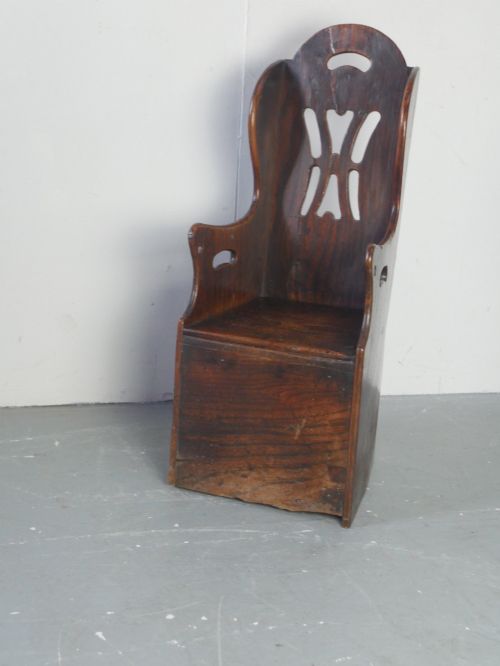


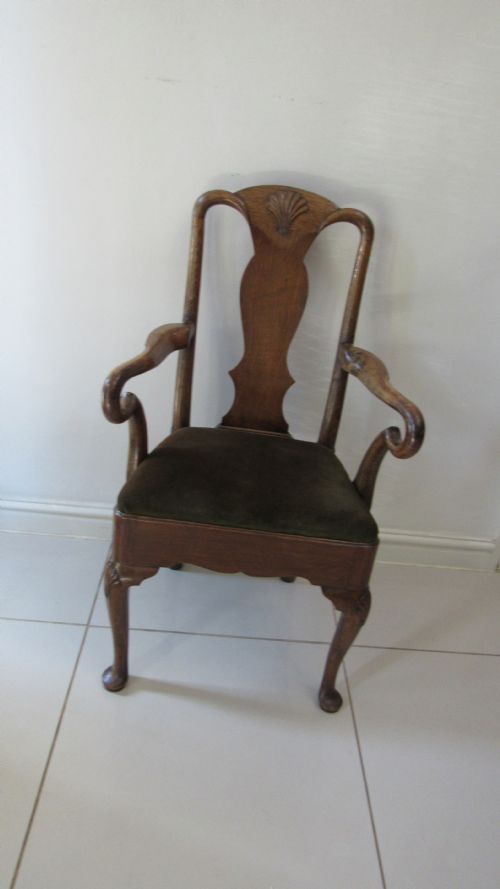
Georgian Miniature Chair
These charming georgian miniature chair examples are small-scale seats built for children or used as apprentice pieces, offering delightful craftsmanship in miniature.
Georgian Miniature Chair
A georgian miniature chair encompasses small-scale seating built in the eighteenth and nineteenth centuries, often taking the form of children's chairs, Windsor armchairs, or apprentice pieces. Buyers hunting for these pieces encounter everything from rustic stick-back designs to formal mahogany revival styles.
The selection ranges across vernacular country seating in elm, ash, and yew alongside more refined walnut and mahogany creations. These smaller seats replicate the full-sized domestic furniture of their respective periods, serving functional roles in households or demonstrating a cabinetmaker's skill.
Materials and construction methods
Cabinetmakers and country joiners utilised native timbers such as elm, ash, oak, and yew for Windsor and stick-back models, frequently combining woods within a single frame for structural strength. More formal examples turned to imported mahogany and walnut to match contemporary domestic fashions.
Construction techniques mirror full-scale furniture of the era, employing mortise and tenon joints, turned spindles, and steam-bent components. Details such as crinoline stretchers and caned bergère seats appear on finer specimens.
Georgian Miniature Chair Retail Price Guide 2026
Typical asking prices for georgian miniature chair among the pieces listed under this phrase on Sellingantiques today, from the lower quarter to the upper quarter. They describe what is for sale here now, not the wider market.
Listings feature regional English country styles alongside formal Georgian and Regency revivals, utilising timbers like yew, elm, and mahogany.
Judging quality and proportion
Quality rests primarily on the fidelity of the proportions and the crispness of the turning or carving, distinguishing carefully scaled seating from crude alterations. Well-executed timber selection and pleasing patination elevate certain examples above standard workshop output.
The integrity of the construction, including original stretchers and uncompromised joints, separates superior survivals from pieces suffering extensive later replacement. Finer models exhibit thoughtful detailing like shaped seats and balanced spindle arrangements.
The Georgian Miniature Chair Glossary
- Windsor chair
- A wooden chair constructed with a solid sculpted seat into which the legs and back spindles are joined directly. This traditional form appears frequently in regional timber variations.
- Crinoline stretcher
- An arched or curved peripheral stretcher connecting the legs of a chair to provide rigidity. It is commonly found on eighteenth-century Windsor seating.
- Bergère
- An enclosed upholstered armchair with cane work panels on the back and sides. Georgian examples feature woven cane within a wooden frame.
- Stick back
- A chair back formed of simple turned or cleft rods inserted into the seat and top rail. This vernacular method provides lightweight durability.
Georgian Miniature Chair: Frequently Asked Questions
What were miniature chairs used for?
These small seats served practical daily functions for children in affluent households during the Georgian and Victorian eras. Alternatively, some functioned as apprentice pieces created to prove a joiner's skill.
Their reduced scale allowed them to fit easily into domestic spaces occupied by youngsters. Today, collectors appreciate their dual nature as functional seating and decorative objects.
How do I date a miniature chair?
Dating relies on examining the timber species, turning styles, and construction methods characteristic of specific periods like the Georgian or Regency eras. Regional vernacular pieces often retain traits of the local woodland craft traditions.
Comparing the joinery details to standard furniture timelines helps narrow down the decade of production. Secondary wood usage and wear patterns also offer clues to age.
Are these chairs sturdy enough to sit on?
While many retain solid structural integrity, their small scale and antique nature mean they suit display better than heavy daily use. Elm, ash, and mahogany frames are inherently strong, but joints can weaken over centuries.
Evaluating the stability of the legs and stretchers determines whether a piece handles gentle handling. Most buyers prefer to preserve them as decorative antiques rather than functional seating.
What is the difference between a child's chair and an apprentice piece?
Child chairs were built with practical daily use in mind, showing proportions and comfort suitable for a young occupant. Apprentice pieces were scaled-down display models intended to show off advanced cabinetmaking techniques.
Apprentice examples often display intricate carving or complex joinery disproportionate to simple child seating. Both categories share the charming miniature aesthetic that attracts collectors.