



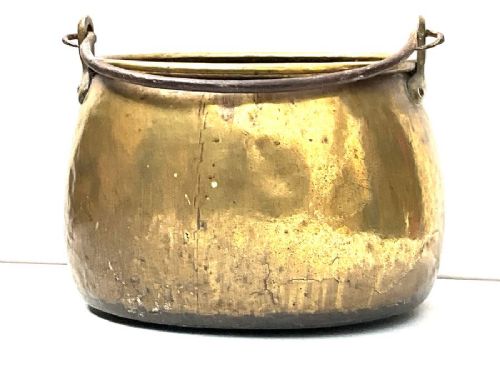


Georgian Metal Bucket
A georgian metal bucket brings fireside utility and historic metalwork into a room, spanning copper coal scuttles, brass wine coolers, and log bins.
Georgian Metal Bucket
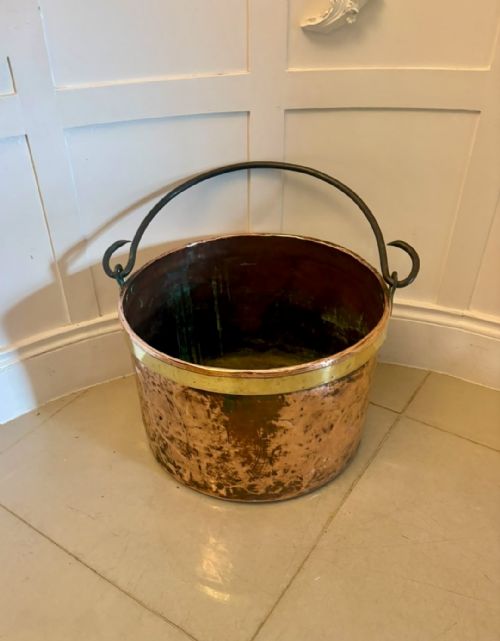
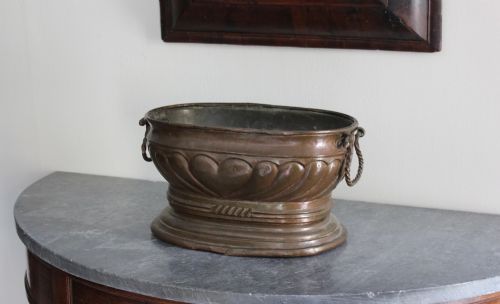
A georgian metal bucket serves multiple domestic functions around the hearth and dining room, appearing as coal scuttles, log bins, peat buckets, and wine coolers. Buyers seeking a georgian metal bucket encounter heavy copper and brass vessels originating from the eighteenth and nineteenth centuries.
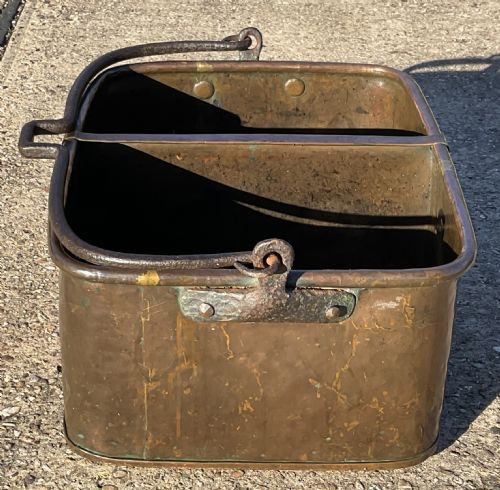
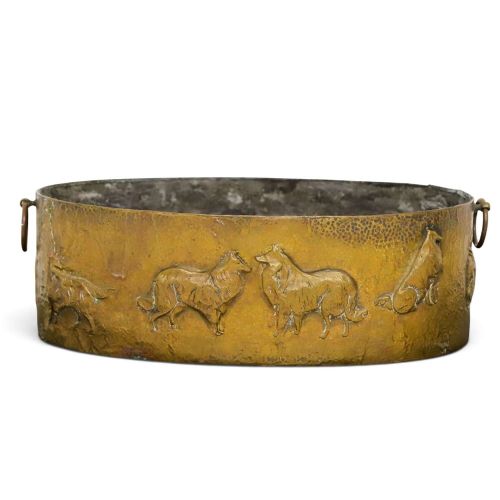
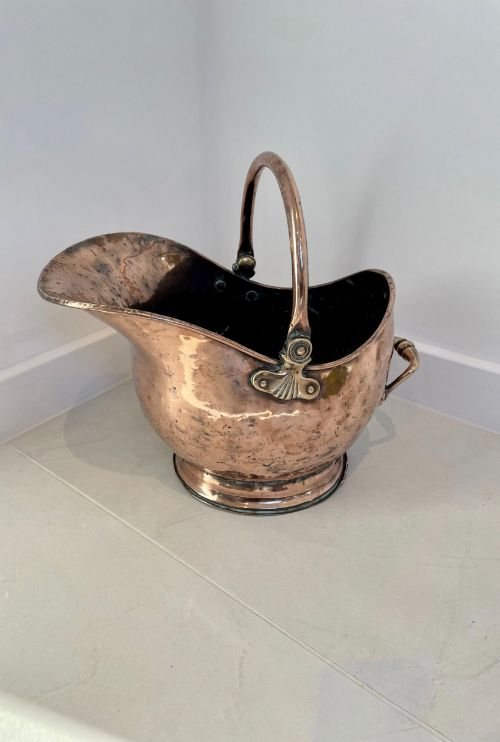
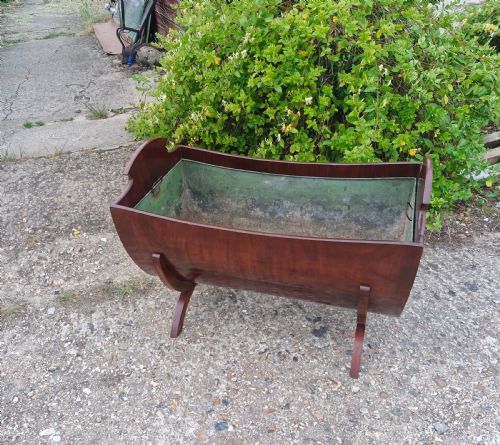
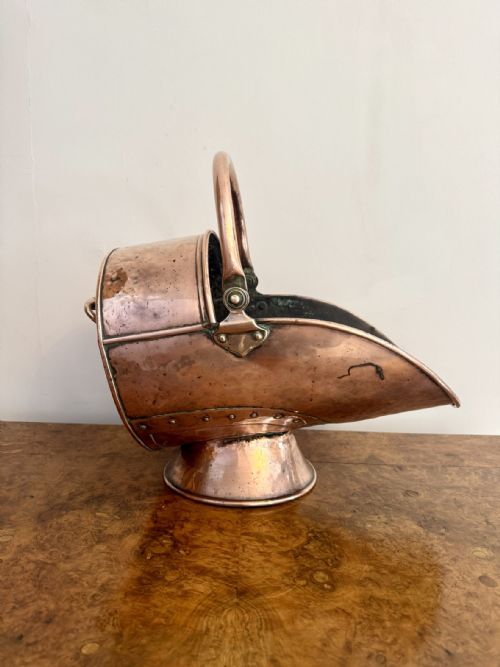
The most common forms on this page include helmet-shaped coal scuttles, large copper pots, cauldrons, and shaped log bins. Many examples date to the George III period and the wider Georgian era, alongside occasional Victorian pieces.
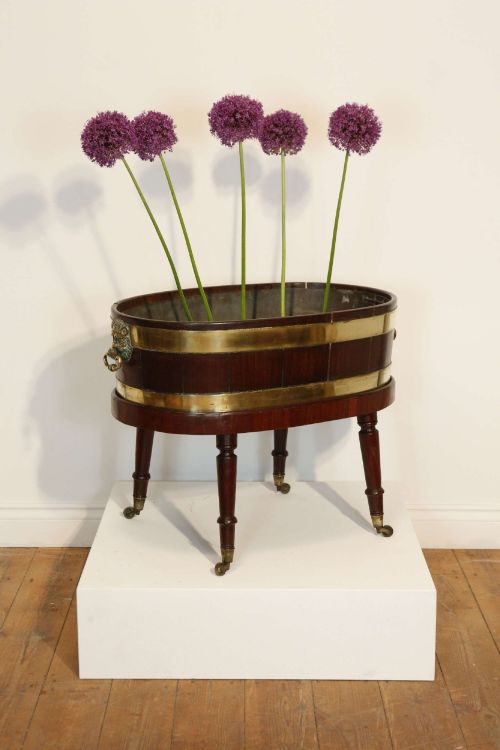
Beyond fireside accessories, the category includes table and floor vessels such as brass monteiths, Old Sheffield plated wine coolers, and japanned tin-ware pieces. These items bridge utilitarian hearth storage and formal dining display.
Materials and construction methods
Makers utilised heavy sheet copper and brass, frequently joined with visible rivets along seams to ensure structural strength for holding coal, logs, or ice. Wrought iron and tin-ware also appear, sometimes paired with wooden elements such as mahogany or oak banding.
Surface treatments range from polished metal finishes to japanned decoration on tin, while specific forms incorporate Old Sheffield plating or applied brass mounts. The fabrication relies on hand-beating, riveting, and soldering sheet metals into robust hollowware.
Georgian Metal Bucket Retail Price Guide 2026
Typical asking prices for georgian metal bucket among the pieces listed under this phrase on Sellingantiques today, from the lower quarter to the upper quarter. They describe what is for sale here now, not the wider market.
Listings feature copper, brass, wrought iron, mahogany, and tin, spanning periods from 1750 through the Georgian and Victorian eras.
Assessing quality in period metalwork
Quality rests on the thickness of the metal sheet, the weight of the vessel, and the hand-finished details such as dovetailed or riveted joints. Heavier copper and thick brass plates retain their structural integrity better through centuries of daily use.
Proportion and decorative restraint separate standard utility items from finer examples, such as those featuring engraved coats of arms or distinct helmet profiles. Original handles, swing Bails, and feet contribute significantly to the integrity of a piece.
The Georgian Metal Bucket Glossary
- Coal scuttle
- A bucket or container designed specifically for holding and transporting coal to a fireplace. These often feature a sloping helmet shape and a sturdy carrying handle.
- Wine cooler
- A vessel intended to hold bottles and ice during dining, frequently fabricated in copper, brass, or Old Sheffield plate. They are designed to sit on a sideboard or floor.
- Monteith
- A type of cooling vessel featuring a scalloped or notched rim, historically used for chilling wine glasses. Eighteenth-century examples are typically fashioned from brass.
- Japanned
- A European imitation of East Asian lacquerwork, applied as a decorative finish on tin-ware and iron objects. It creates a dark, glossy surface.
- Old Sheffield plate
- A composite material made by fusing a thin layer of silver to a thicker copper base, common in dining vessels. This technique predates modern electroplating.
Georgian Metal Bucket: Frequently Asked Questions
What is the difference between a log bin and a coal scuttle?
A log bin is generally a larger, straighter-sided tub intended to store firewood beside a hearth. A coal scuttle is shaped for carrying fuel, often featuring a funnel or helmet profile to pour coal cleanly.
Both forms utilise heavy copper or brass construction but serve different stages of hearth management.
How do I care for antique copper and brass buckets?
Regular dusting with a dry cloth keeps surface grime at bay. If polishing is desired, use a mild metal cleaner suitable for historic surfaces.
Avoid abrasive pads that can strip away centuries of accumulated patina and thin the historic metal.
Were these buckets originally used for fireside tasks?
Many copper and iron vessels were indeed built for heavy domestic duties such as hauling coal, peat, and logs. Other forms, such as monteiths and plated coolers, belonged to the dining room for chilling wine.
Utilitarian items often transitioned into decorative display pieces over time.
How can I tell a Georgian bucket from a Victorian one?
Georgian pieces often exhibit hand-beating marks, heavier gauge copper, and specific construction traits associated with eighteenth-century workshops. Victorian items may show more standardised machine-rolling and different handle attachments.
Styles often overlap as nineteenth-century makers continued producing earlier Georgian forms.