

Georgian Metal Antiques
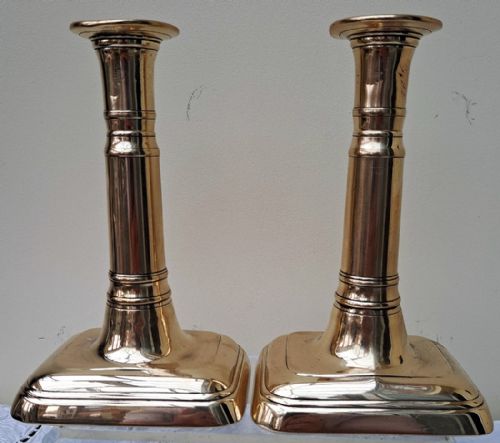
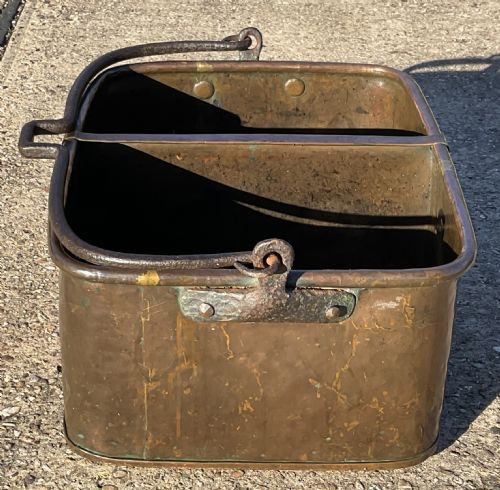
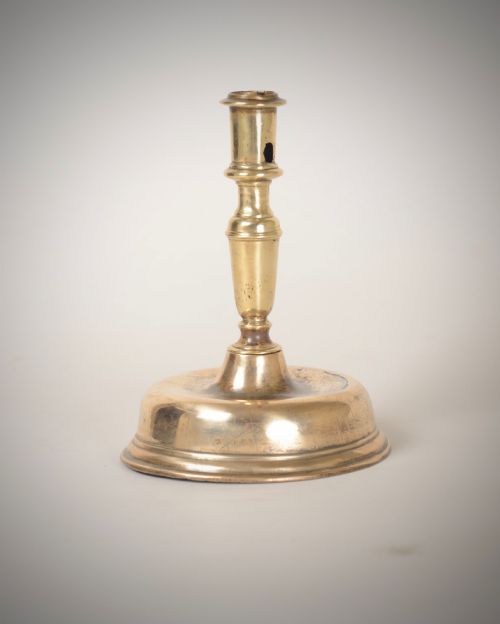
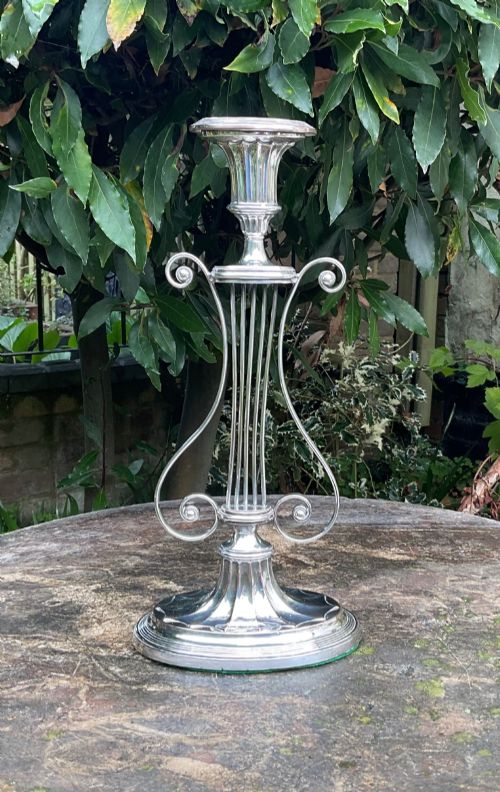
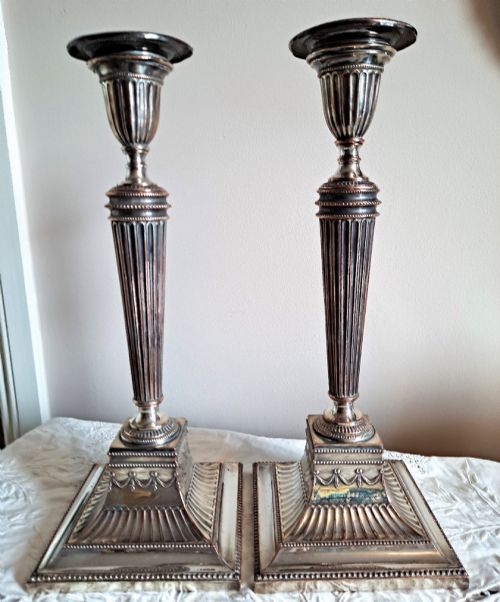
Georgian metal antiques span practical domestic copperware, iron hearth furniture and cast brass candlesticks designed for daily utility and display.
Georgian Metal Antiques
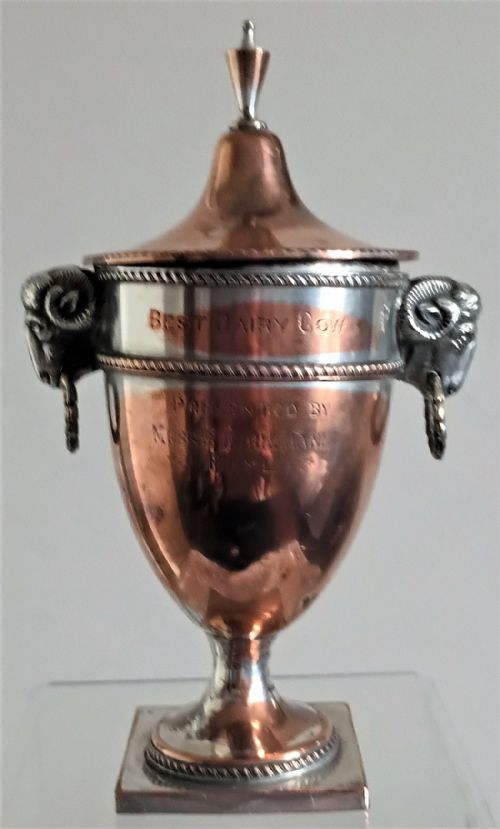
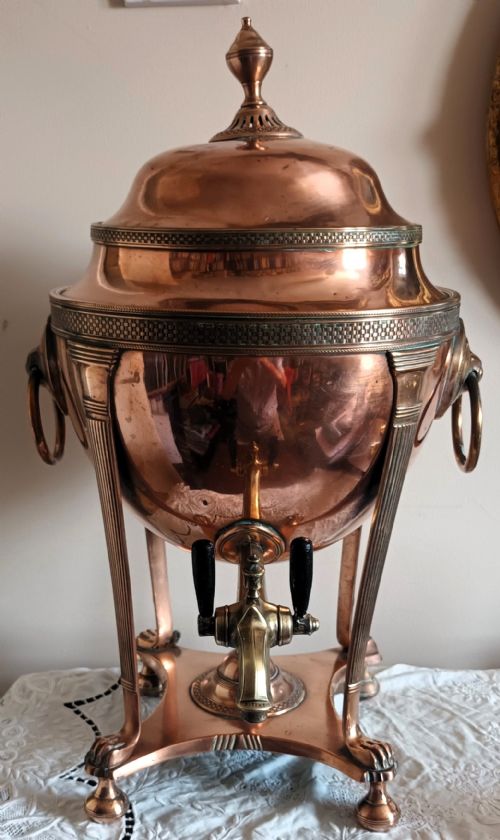
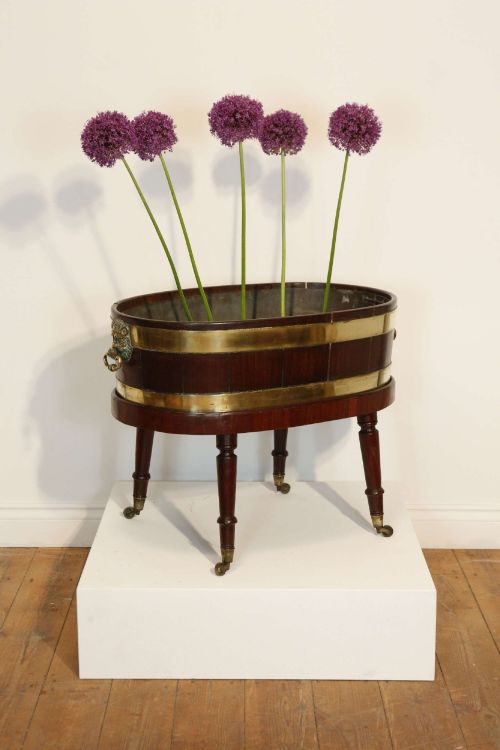
Georgian metal antiques encompass utilitarian vessels, hearth equipment and lighting forms forged or cast in copper, brass, iron and pewter during the eighteenth and early nineteenth centuries. Buyers seeking georgian metal antiques encounter domestic items ranging from heavy copper kettles and samovars to delicate toleware money boxes and steel fire fenders.
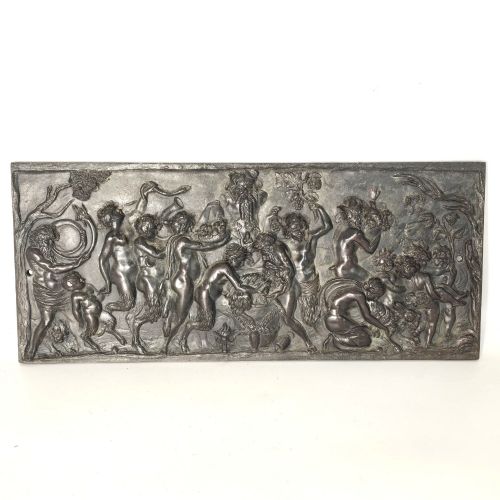
Most pieces date from the eighteenth and early nineteenth centuries, reflecting the manufacturing output of Georgian and Regency workshops. Forms vary from simple utilitarian cookware to decorative ormolu vases and gilt bronze wall lights.
How they were made
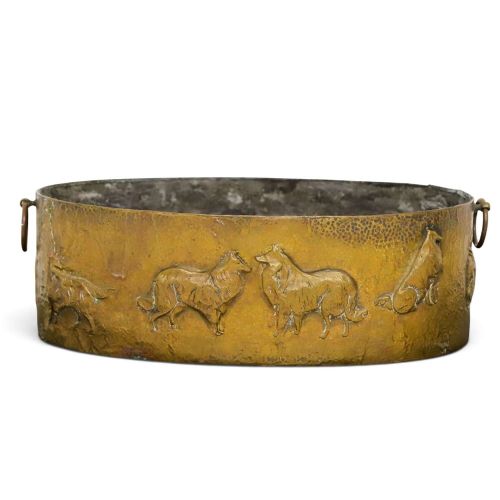
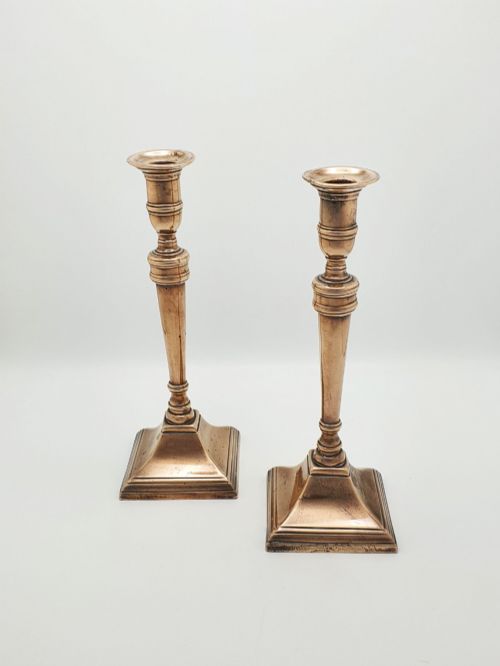
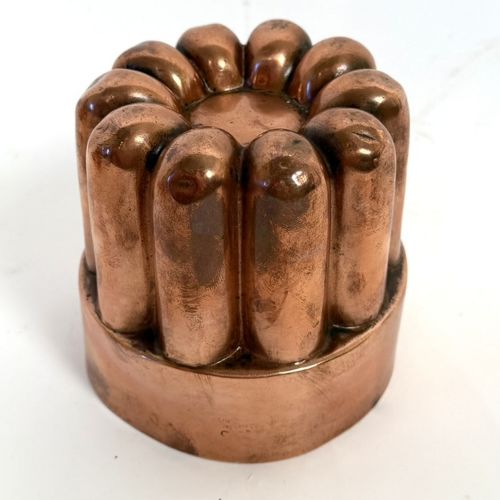
Items were constructed using durable metals such as brass, copper, wrought iron, pewter and steel, often shaped through hand-beating, casting or forging. Copper vessels display hammered seams and riveted handles, while cast pieces like brass candlesticks and bronze wall lights utilise traditional mould-pouring techniques.
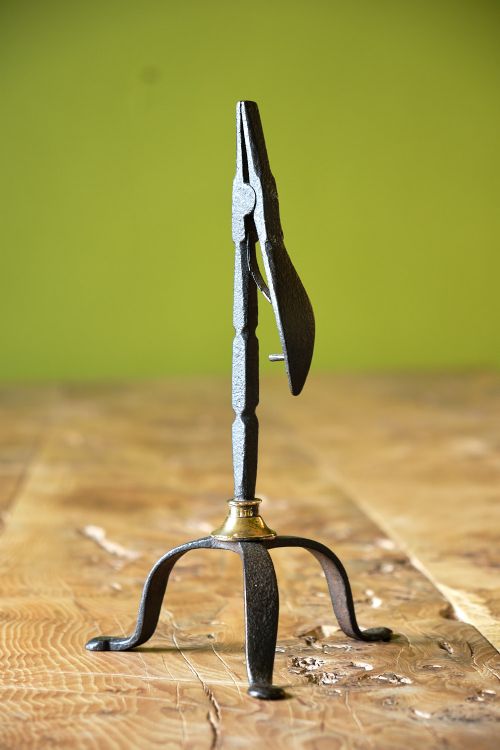
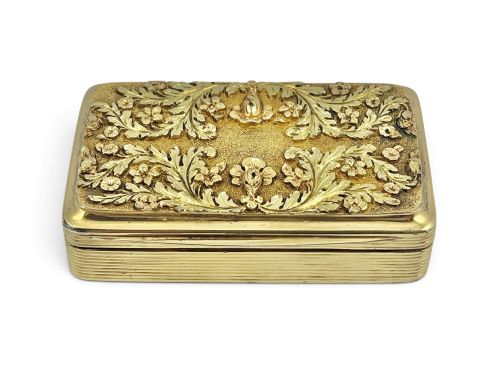
Surface treatments include burnished steel finishes, painted toleware decorations and engraved detailing on pewter ale jugs and snuff boxes. Iron components such as fire dogs and andirons rely on blacksmith forging methods to combine structural strength with functional form.
Georgian Metal Antiques Retail Price Guide 2026
Typical asking prices for georgian metal antiques among the pieces listed under this phrase on Sellingantiques today, from the lower quarter to the upper quarter. They describe what is for sale here now, not the wider market.
Listings feature items spanning the 18th Century, 19th Century and Regency periods, utilising materials from wrought iron to toleware.
What varies in quality
Quality rests in the precision of the metalworking, from the clean execution of cast details on gilt bronze and ormolu to the even hammering of heavy copper vessels. Pieces that retain their original patination, operational components and maker or date inscriptions demonstrate superior preservation.
Simpler utilitarian cookware displays robust construction designed for heavy use, whereas decorative items like processional crosses or sculptural candlesticks exhibit finer artistic intent and intricate surface ornamentation.
The Georgian Metal Antiques Glossary
- Toleware
- Painted or lacquered metalware, typically tin or sheet iron, finished with decorative pigments. These items often emulate Asian lacquerwork or feature bold floral and military motifs.
- Samovar
- A heated metal urn used to boil water for tea, combining internal heating flues with ornate spigots. They are frequently cast in brass, copper or silver plate.
- Andirons
- Horizontal iron bars supported on legs, placed in hearths to raise logs for better air circulation. Their visible front standards often feature decorative brass or iron casting.
- Ormolu
- Gilded bronze, where a finely ground gold-mercury amalgam is applied to a bronze base and heated. This technique produces a rich golden finish found on decorative vases and lighting.
Georgian Metal Antiques: Frequently Asked Questions
How do I clean antique copper?
Most dealers recommend leaving the natural patination undisturbed rather than polishing metal antiques to a bright shine. Excessive cleaning can remove historical wear and diminish the character of the piece.
Dust gently with a soft dry cloth and avoid harsh chemical abrasives that strip the historic surface finish from copper and brass.
What is toleware?
Toleware refers to lacquered or enamelled metal items, usually made from sheet iron or tin, which were popular for domestic containers and trade signs. The painted surfaces often feature decorative motifs that survive from the Georgian and Regency periods.
These pieces require careful handling to prevent chipping or flaking of the original painted layers over time.
How were iron fire dogs used?
Fire dogs supported logs within open hearths to allow airflow underneath the fuel for more efficient burning. They stood at the front of the fireplace and often incorporated decorative brass or forged iron finials.
Today, they function primarily as decorative hearth furniture rather than for active fires.
Can I use antique copper cookware?
Antique copper saucepans and kettles were made for food preparation, but modern use depends on the interior lining condition. Many historical vessels lack the tin linings required for safe contemporary cooking.
Most buyers choose to display these items as decorative objects rather than putting them back into daily kitchen service.