
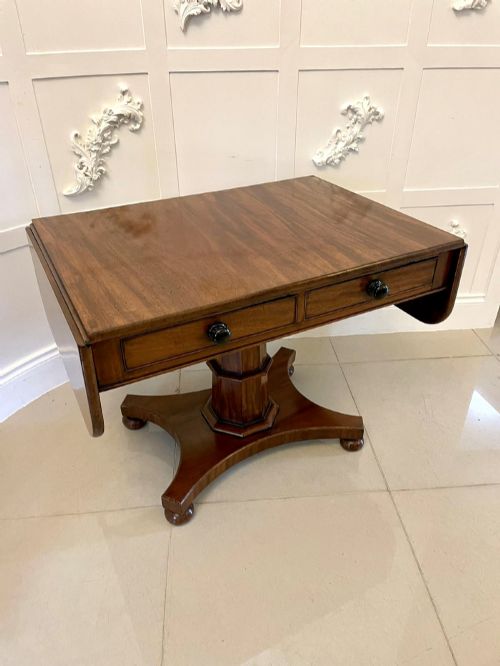
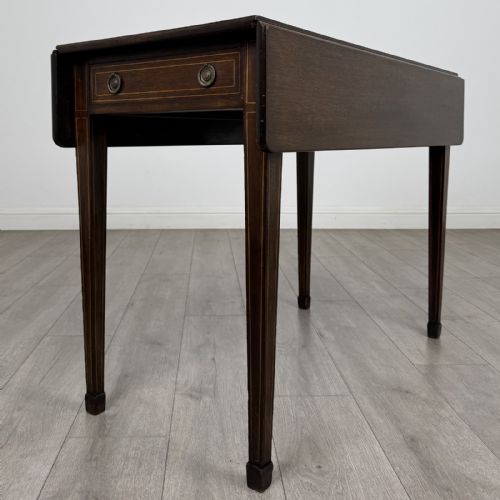
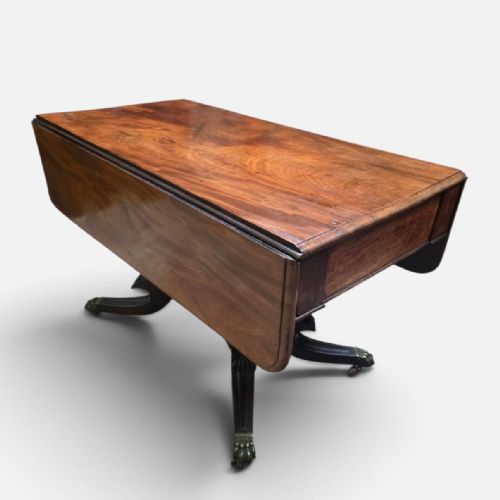
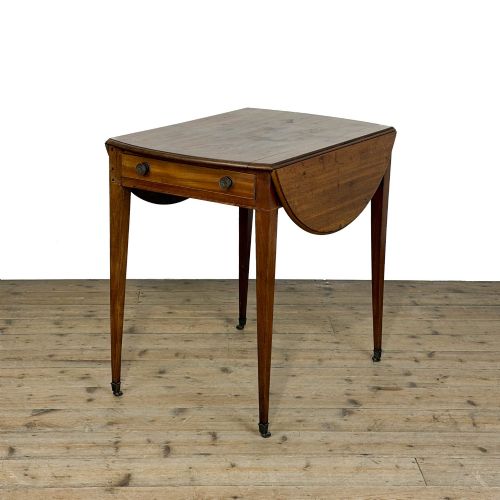
Georgian Mahogany Flap Table
These pieces, found under the search phrase georgian mahogany flap table, offer practical folding surfaces grounded in eighteenth and nineteenth century cabinet making.
Georgian Mahogany Flap Table
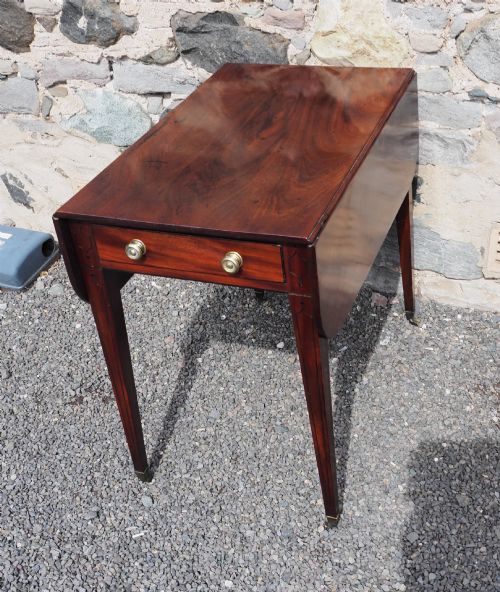
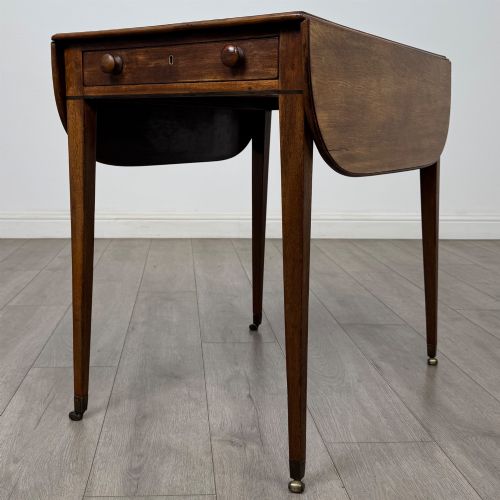
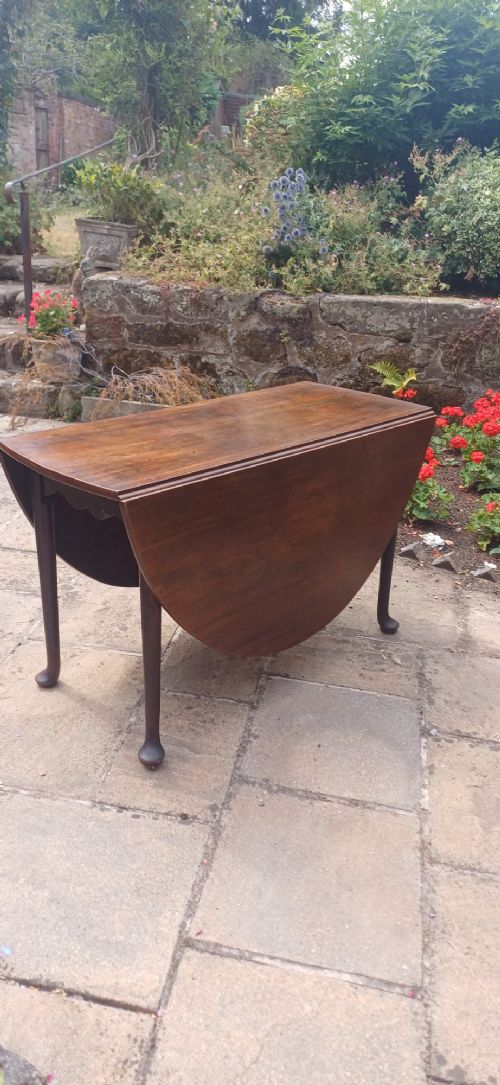
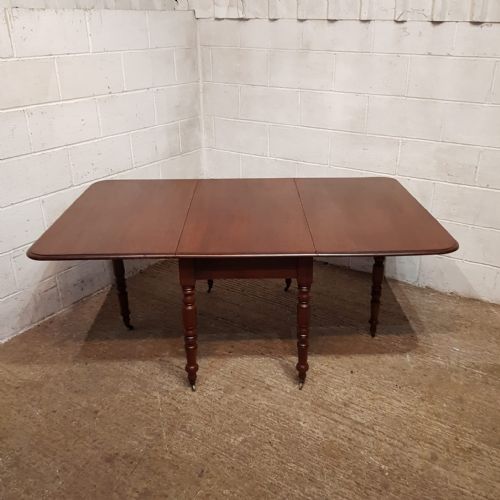
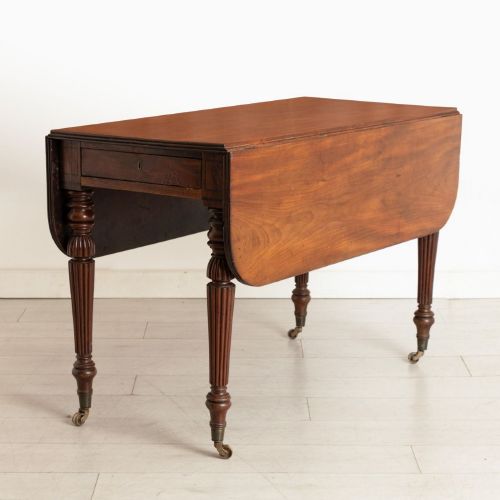
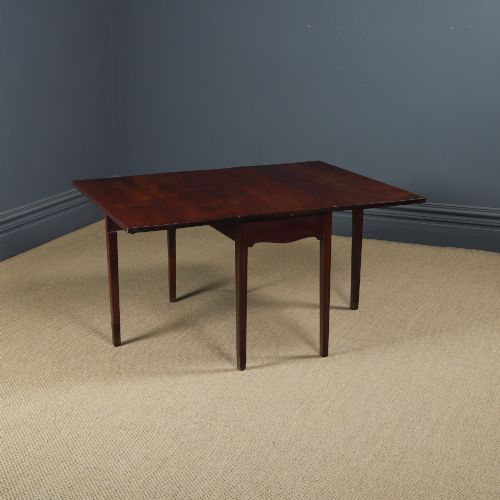
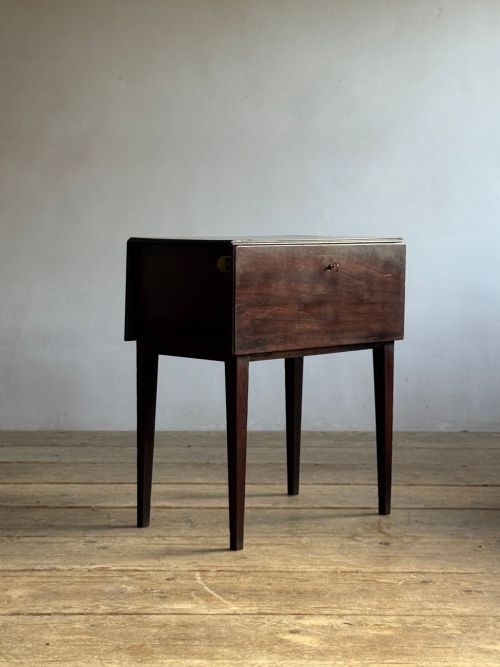
A georgian mahogany flap table is a versatile form designed to expand when needed and fold away against a wall when floor space is at a premium. The evidence shows these pieces appear predominantly as Pembroke tables, dining tables, and drop-leaf occasional tables spanning the eighteenth and nineteenth centuries.
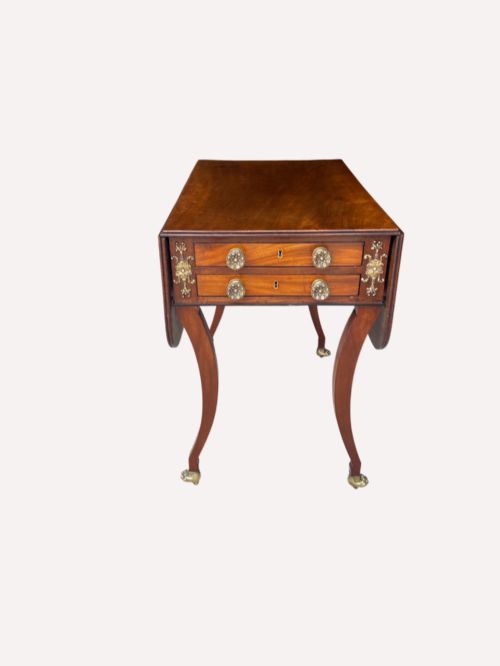
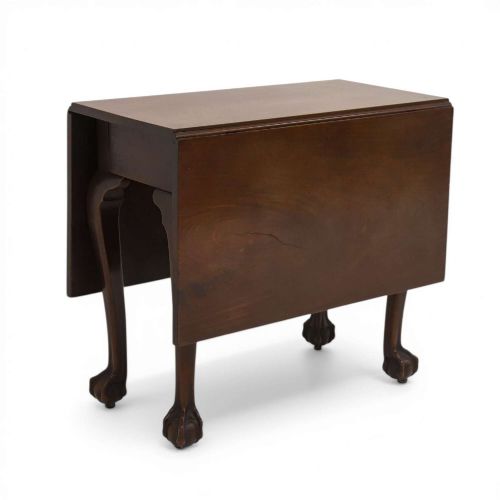
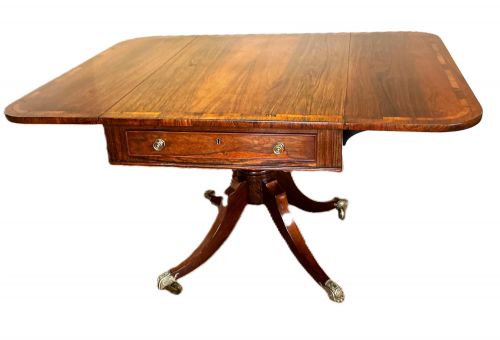
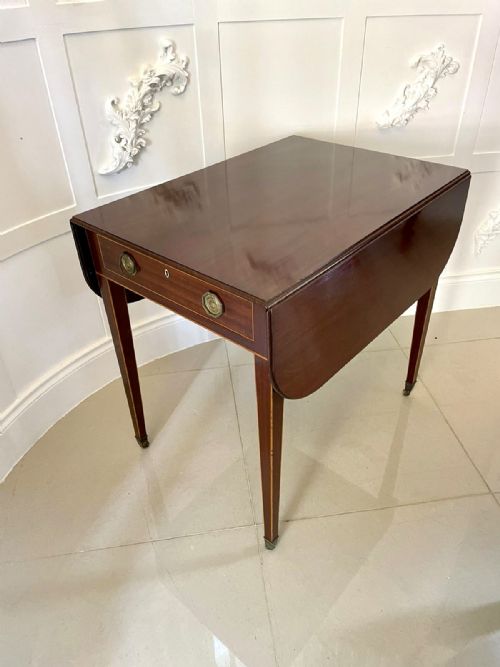
Buyers will most frequently encounter Pembroke tables and drop-leaf dining tables featuring hinged leaves supported by folding brackets or swinging legs. Styles range from simple George II and George III designs to more ornate Regency and William IV interpretations.
How they were made
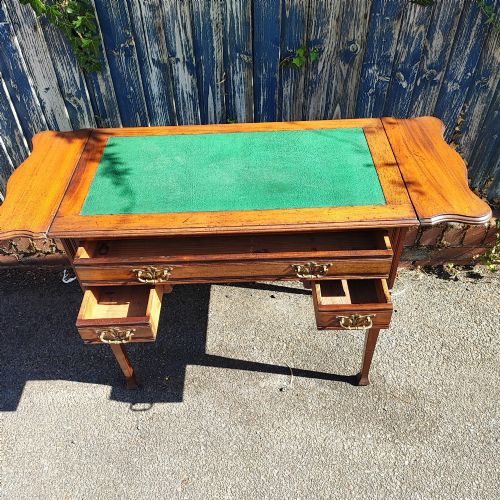
Cabinet makers relied heavily on solid mahogany and Cuban mahogany, sometimes enhanced by wood inlay, boxwood stringing, brass fittings, and occasional leather inserts. Timber selection dictated both the visual grain and the structural integrity of the folding flaps.
Construction techniques involved sturdy gate-leg actions, cabriole legs with claw-and-ball or pad feet, and hinged drop leaves engineered to bear weight smoothly when extended. Drawers on smaller tables were often integrated into the frieze with traditional dovetail joints.
Some cunning eighteenth-century designers included deception tables among these forms, keeping guests guessing whether the flaps concealed a game board or a writing slope.
What varies in quality
The distinction between standard examples and top-tier pieces often lies in the density and figuring of the mahogany timber, such as highly prized Cuban varieties. Finer items exhibit superior carving on cabriole legs and crisp inlay work rather than plain surfaces.
Structural refinement also separates the grades, visible in the precision of the flap hinges, the weight of the solid mahogany, and the clever execution of dual-action mechanisms on card and dining tables.
The Georgian Mahogany Flap Table Glossary
- Pembroke table
- A small rectangular table with two hinged drop leaves on opposing sides, often fitted with one or two small drawers.
- Drop-leaf table
- A table with a fixed central section and hinged flaps that fold down when not in use.
- Gate-leg table
- A table featuring hinged legs that swing outward like a gate to support the drop leaves.
- Cuban mahogany
- A dense, richly figured hardwood imported from the West Indies, commonly utilised in high-status eighteenth-century furniture.
- Cabriole leg
- A furniture leg that curves outward at the knee and tapers inward toward the ankle, typical of earlier Georgian designs.
Georgian Mahogany Flap Table: Frequently Asked Questions
What is a Pembroke table?
A Pembroke table is a compact design featuring two hinged side flaps supported by folding brackets or swing legs. They typically include one or two drawers and served as versatile breakfast or writing desks.
Their smaller footprint made them easily movable around eighteenth-century drawing rooms and parlours according to daily requirements.
How do I spot a Georgian table?
Look for period construction methods, traditional timber choices like solid mahogany, and stylistic markers such as George III straight legs or George II cabriole forms. Dates generally align with the reigns of the Hanoverian monarchs.
Hardware, joinery, and the weight of the timber further help distinguish genuine eighteenth-century pieces from later revivals.
Were these used for dining?
Larger drop-leaf and gate-leg versions were specifically built as dining tables, offering an expandable surface that could be cleared and folded down after meals. Smaller Pembroke and occasional tables were intended for tea, card games, or light writing.
Their adaptability allowed rooms to be quickly repurposed throughout the day.
What is Cuban mahogany?
Cuban mahogany is a heavy, close-grained hardwood sourced from the Caribbean that became the premier timber for fine cabinet making during the eighteenth century. It takes a deep, lustrous polish and displays striking natural figuring.
Its superior density contributed to the long-term durability of these folding tables.