



Georgian Leather Case
These georgian leather case pieces are robust vessels and protective containers built to safeguard portable treasures.
Georgian Leather Case
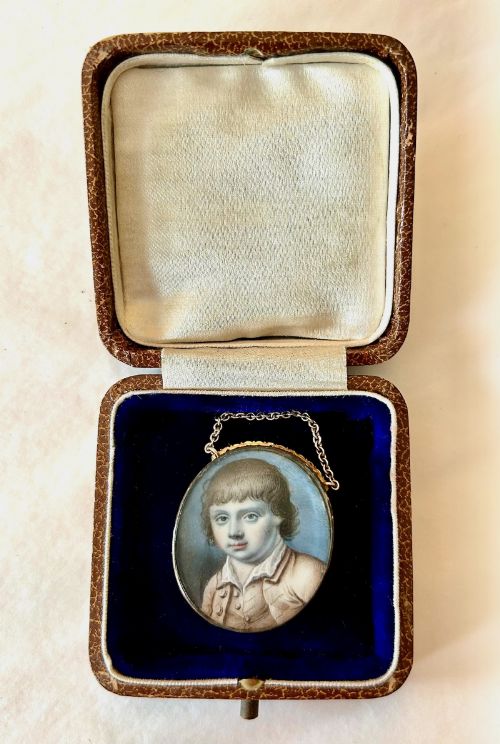
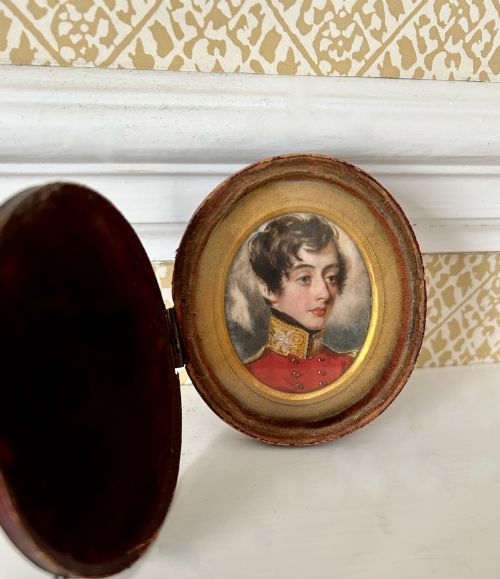
When you search for a georgian leather case, you encounter sturdy vessels designed to protect delicate instruments, bottles, and portraits. The listings show forms ranging from fitted portrait miniature containers to campaign trunks and medical instrument holders.
You are most likely to meet pieces spanning the Georgian, Regency, and Victorian periods. Materials accompanying the leather include brass, glass, and velvet.
The objects housed inside these containers define their purpose, connecting protective leather exteriors to interior velvet and silk linings. Survival depends on the toughness of the original outer skin and the fitted internal structure.
How they were made
Makers shaped heavy leather over wooden or rigid cores, frequently applying tooling and decorative studs to the exterior surface. Brass hardware such as hinges, locks, and carrying handles provided structural reinforcement.
Interiors received tailored linings of velvet or silk designed to cradle fragile items like scent bottles, lenses, and portrait miniatures. Custom fitting ensured that scientific instruments, medical tools, and silver-gilt pieces remained secure during transit.
Georgian Leather Case Retail Price Guide 2026
Typical asking prices for georgian leather case among the pieces listed under this phrase on Sellingantiques today, from the lower quarter to the upper quarter. They describe what is for sale here now, not the wider market.
What varies in quality
The distinction between ordinary utility containers and superior examples lies in the precision of the internal fit and the crispness of exterior tooling. Finer pieces retain original velvet linings and specialised compartments tailored to exact contents.
Hardware quality separates standard storage from high-grade work, with heavy brass mounts and functioning locks indicating superior original commissioning. The durability of the outer leather hide dictates how well the container has endured decades of handling.
Chapple And Sons·Francis West Of Fleet Street
The Georgian Leather Case Glossary
- Campaign case
- A portable container designed for travel, featuring reinforced corners and secure locking mechanisms. These items allowed owners to transport valuables safely during journeys.
- Moroccan leather
- A fine goatskin leather traditionally used for bookbinding and luxury cases, known for its distinctive grain. It frequently appears on high-grade nineteenth-century containers.
- Tooling
- The decorative pressing or gilding applied to the surface of leather using heated metal tools. This technique created patterned borders and crests on the exterior.
- Silver-gilt
- Silver that has been coated with a thin layer of gold, often found on small internal items housed within these containers. The precious metal resisted tarnishing inside enclosed spaces.
Georgian Leather Case: Frequently Asked Questions
What fits inside a georgian leather case?
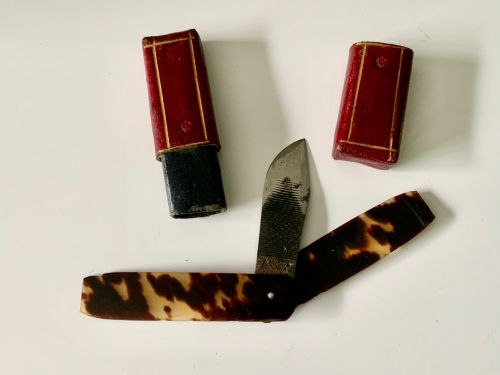
These containers held specialised items including portrait miniatures, scientific lenses, medical lancets, and scent bottles. Each case was tailored to the specific dimensions of its intended contents.
Fitted interiors often feature velvet or silk depressions designed to prevent delicate glass and silver objects from shifting during movement.
How do I identify the period?
Dating relies on the combination of exterior leather tooling styles, hardware construction, and accompanying internal objects. Pieces from the Georgian and Regency eras display distinct decorative restraint compared to later Victorian items.
Makers' marks on fitted instruments or stamps on the leather frequently provide precise chronological clues.
Were these cases meant for travel?
Many examples were constructed specifically for mobility, such as campaign trunks and portable instrument boxes. Sturdy leather exteriors and brass reinforcements absorbed the impacts of travel.
Others served as desktop or cabinet storage for fragile portrait miniatures kept in domestic settings.
How should I care for old leather?
Maintain the material by keeping containers away from direct sunlight and excessive humidity to prevent the skin from drying out or cracking. Gentle cleaning preserves the original tooling and surface character.
Avoid modern chemical polishes that can damage historic leather finishes and surrounding brass hardware.