

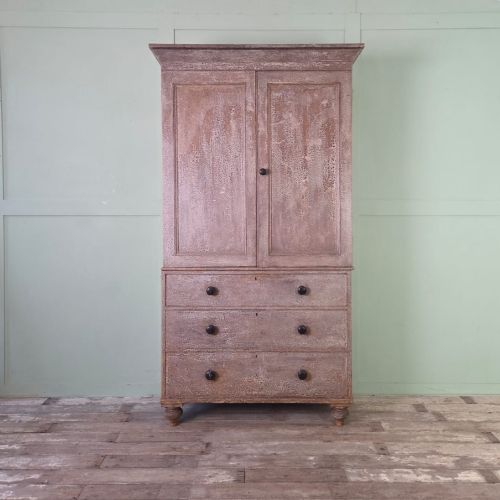
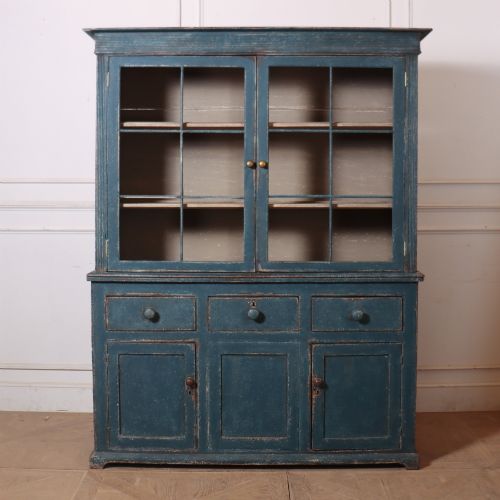


Georgian Kitchen Larder
These georgian kitchen larder items are substantial storage pieces built for domestic provisions, offering timeless utility and rustic charm.
Georgian Kitchen Larder
A georgian kitchen larder generally takes the form of a housekeeper's cupboard, a kitchen dresser, or a food cupboard designed for domestic storage. These items originated in English country houses, estates, and sculleries to store provisions before modern refrigeration.
Buyers will most frequently encounter pine and oak examples on this page, often showing traces of later paint or original dry surfaces. Forms range from large housekeepers cupboards to smaller storage cupboards originating from regions such as the West Country and Yorkshire.
The typology spans the eighteenth century, the Georgian period, and into the nineteenth century up to eighteen fifty. Each piece reflects the practical needs of large kitchens, featuring sturdy shelves and doors built to hold food and utensils.
How they were made
Construction relies heavily on solid pine and oak, timber harvested locally and worked by regional carpenters. Boards are joined with traditional methods to withstand daily domestic use in busy sculleries and pantries.
Hardware consists of brass, glass, and iron fittings such as hinges, latches, and pulls. Surfaces are often finished with paint, notably green, or left as bare wood ready to wax or paint.
Georgian Kitchen Larder Retail Price Guide 2026
Typical asking prices for georgian kitchen larder among the pieces listed under this phrase on Sellingantiques today, from the lower quarter to the upper quarter. They describe what is for sale here now, not the wider market.
Materials recorded across the inventory include pine, oak, painted wood, iron, brass, and glass, reflecting utilitarian domestic construction.
What varies in quality
The distinction between standard utility items and finer pieces lies in the proportion, timber selection, and regional joinery details. Yorkshire and West Country pieces display distinct local cabinetry traditions that elevate their character.
Surface history plays a major role, as original dry paint or untouched oak patination holds greater appeal than heavily stripped or modernised finishes. The integrity of the original brass and iron hardware also influences the overall merit of a cupboard.
The Georgian Kitchen Larder Glossary
- Housekeeper's cupboard
- A large storage piece with cupboards and sometimes drawers, traditionally used by a housekeeper to store linen, dry goods, and provisions. These units form a primary category within country furniture.
- Kitchen dresser
- A combination of lower cupboards and upper shelving or enclosed storage used for kitchenware and food. They are staples of English country and Welsh vernacular interiors.
- Vernacular furniture
- Items built by local tradesmen using regional materials and traditional designs rather than high-style metropolitan patterns. This approach defines much of the West Country and Yorkshire output.
- Bread and cheese cupboard
- A specialised food cupboard featuring ventilated panels or mesh to keep dairy and baked goods fresh. Air circulation was essential in these agricultural storage pieces.
- Scullery cupboard
- A utilitarian storage unit kept in the working areas of a country house for heavy pots, cleaning supplies, and kitchen provisions. They were built for pure utility rather than display.
Georgian Kitchen Larder: Frequently Asked Questions
What is a georgian kitchen larder used for?
These cupboards were originally built to store dry goods, dairy, bread, and kitchen utensils in large houses and country estates.
Today, they function well in modern kitchens or dining rooms as substantial storage spaces for crockery, pantry items, or linens.
How do I identify a georgian period piece?
Authentic pieces from this era show traditional timber construction, hand-cut joints, and period hardware made of iron or brass.
Regional characteristics, such as those found in Yorkshire or West Country examples, also help determine the origin and approximate age.
Are these cupboards made of solid wood?
Yes, construction relies on native timbers like solid pine and oak rather than modern veneers or manufactured boards. This sturdy build is what has allowed them to survive centuries of domestic use.
Surfaces often feature layers of old paint or waxed timber that highlight the grain.
How do I care for a painted wooden cupboard?
Keep the piece away from direct heat sources and sudden temperature changes to prevent the timber from warping or the paint from cracking. Dust gently with a dry cloth and avoid harsh chemical cleaners.
Waxed surfaces can be maintained periodically with traditional beeswax to nourish the wood.