

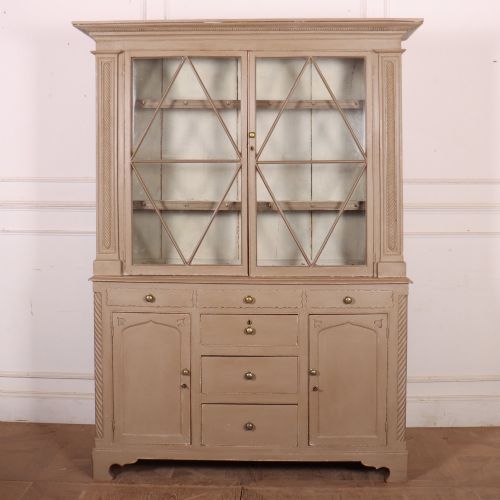

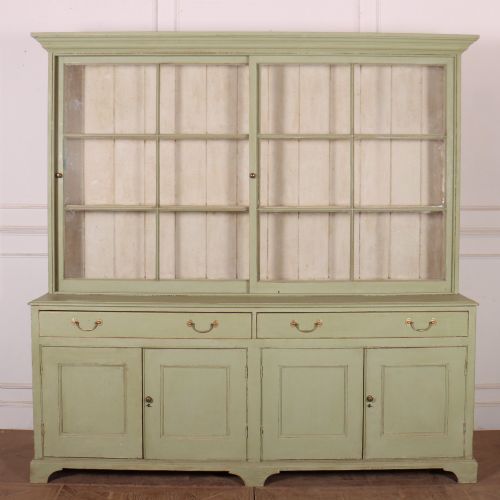
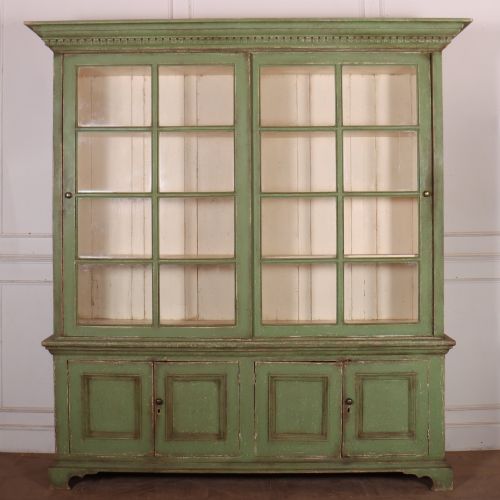
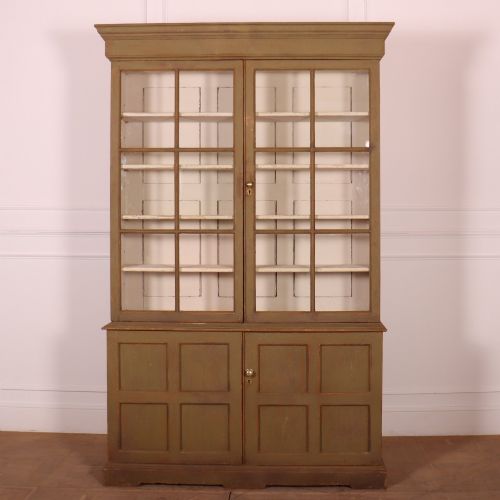

Georgian Kitchen Cabinet
A georgian kitchen cabinet grounds a room with robust storage, bringing vernacular practicality and centuries of honest timber into daily use.
Georgian Kitchen Cabinet
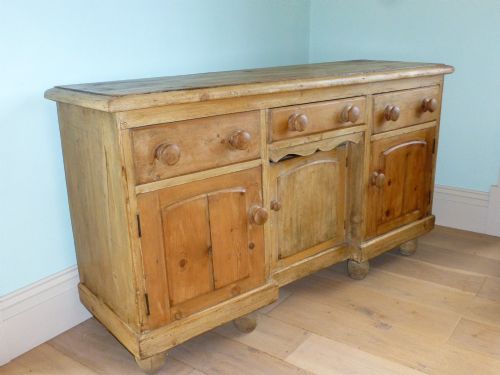
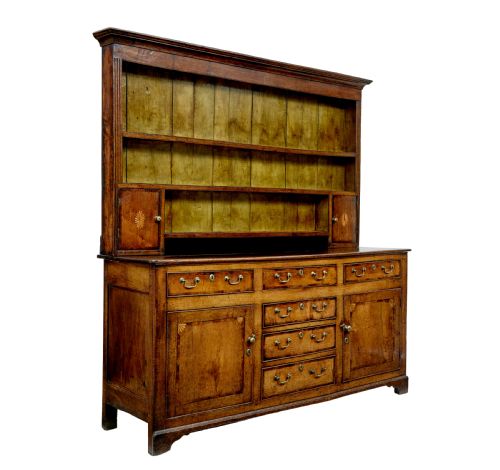
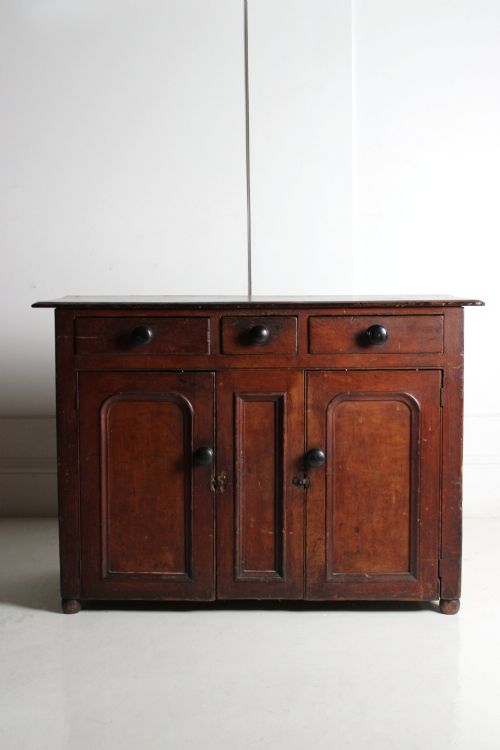
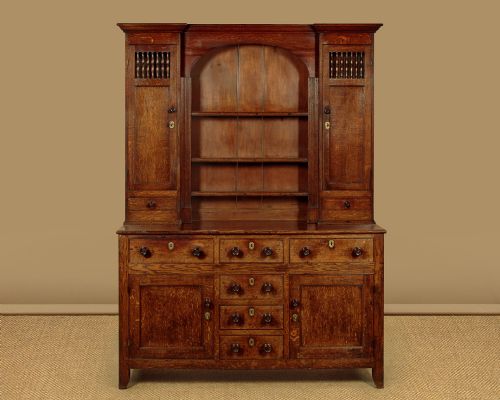
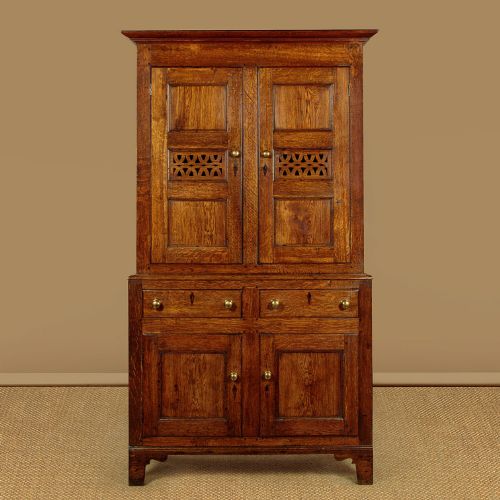
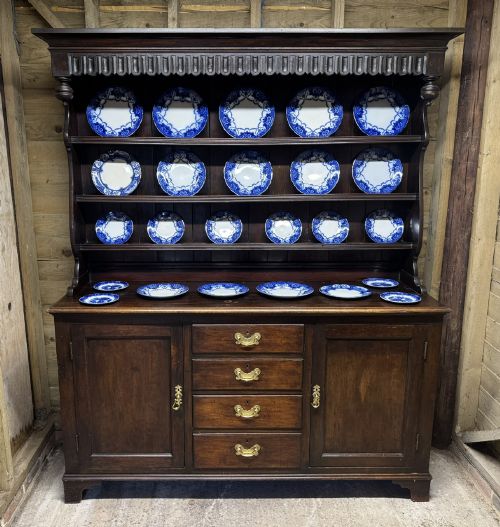
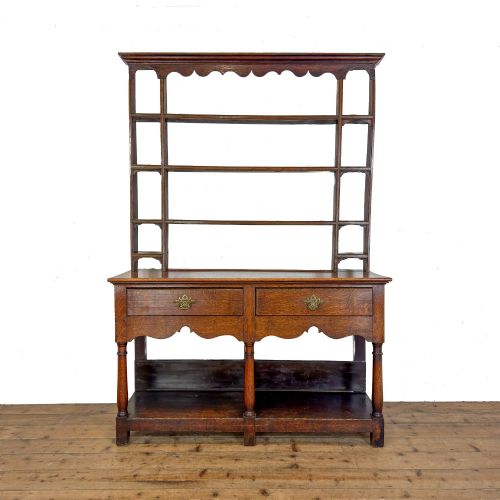
A georgian kitchen cabinet encompasses a diverse range of utilitarian furniture designed for domestic storage, most frequently appearing as regional dressers, housekeeping cupboards, and spice boxes. These pieces originate from various English counties, Wales, Ireland, and continental provinces, reflecting the local domestic needs of rural households.
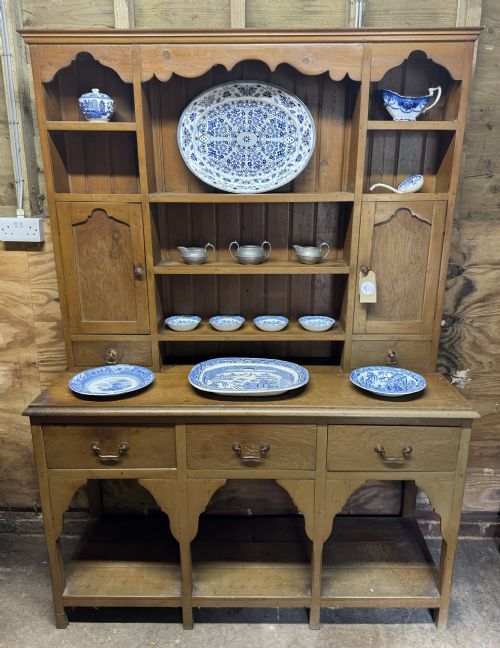
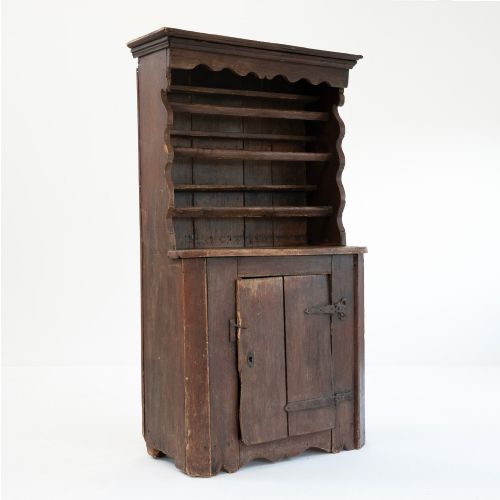
The selections on this page are dominated by oak and pine furniture spanning the eighteenth and nineteenth centuries, including vernacular styles such as Welsh dressers, West Country dressers, and Yorkshire housekeepers' cupboards. Buyers commonly encounter open-rack dressers designed for displaying crockery alongside enclosed bases or food cupboards meant for preserving provisions.
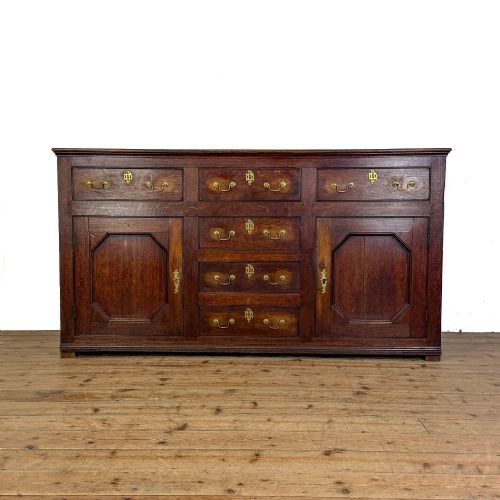
Regional variations define much of what is available, from the potboard bases of Welsh pieces to the breakfront drawers and wall-hanging spice boxes of English workshops. Pieces range from unpretentious country pine to finely figured oak, showing the varied domestic standards of period rural life.
Materials and Construction
Constructed primarily from native hardwoods and softwoods, these cabinets rely heavily on solid oak and pine, supplemented occasionally by fruitwood, elm, and burr walnut. Timber was selected for its local availability and utility, resulting in sturdy board construction built to endure generations of heavy household use.
Joinery methods reflect traditional cabinet-making and vernacular carpentry, utilising hand-planed panels, pegged joints, and dovetailed drawer construction. Surfaces often retain original patination, wax finishes, or historic layers of paint that record the changing domestic tastes of successive owners.
Hardware such as brass pulls, iron hinges, and wrought iron latches were functional necessities, securing doors and drawers that housed provisions, tableware, and household linens. Glazed doors or open plate racks integrated display with storage, combining utilitarian purpose with simple decorative intent.
Georgian Kitchen Cabinet Retail Price Guide 2026
Typical asking prices for georgian kitchen cabinet among the pieces listed under this phrase on Sellingantiques today, from the lower quarter to the upper quarter. They describe what is for sale here now, not the wider market.
Markers of Quality
Quality in these vernacular pieces rests upon the integrity of the timber, the degree of original survival, and the harmony of regional proportions. Examples retaining their untouched surface patination or authentic historic paint finishes stand apart from those stripped or heavily altered over time.
Structural honesty and the preservation of original elements - such as backboards, hardware, and rack attachments - distinguish superior examples from assembled or heavily restored items. The depth of grain in quarter-sawn oak or the warmth of honey pine reveals the initial care taken in selecting materials at the workshop bench.
The Georgian Kitchen Cabinet Glossary
- Potboard
- An open shelf beneath a dresser base traditionally used for storing pots and pans. This lower tier sits just above the floor on stile feet.
- Housekeeper's cupboard
- A large enclosed storage piece designed for linens, dry goods, and provisions. These tall cupboards feature multiple doors enclosing shelves or hanging space.
- Spice cupboard
- A small wall-hanging or table-top cabinet fitted with multiple tiny internal drawers. They were used to secure expensive culinary spices and medicinal ingredients.
- Bread and cheese cupboard
- A ventilated storage press featuring pierced panels or turned spindles for air circulation. These cabinets kept perishables fresh before the advent of refrigeration.
- Patina
- The surface sheen and colour developed by wood and paint over decades of handling and waxing. A rich patina signals age and consistent domestic care.
Georgian Kitchen Cabinet: Frequently Asked Questions
How do I clean an old oak cupboard?
Dust surfaces regularly with a dry, soft cloth to prevent particulate buildup in the grain. Apply a traditional beeswax sparingly to nourish the timber without creating a sticky residue.
Avoid modern liquid polishes containing silicone, which penetrate porous historic wood and ruin the natural surface. Gentle maintenance preserves the existing patination built up over generations of use.
What is a Welsh dresser?
A Welsh dresser combines a lower base of drawers and cupboards with an upper plate rack for displaying ceramic tableware. They formed the central storage unit in traditional rural kitchens.
Regional variations distinguish Welsh pieces by their use of local oak and characteristic potboard lower tiers. The open upper shelves served both practical drying functions and aesthetic display.
Are these cabinets suitable for modern kitchens?
These pieces provide deep shelving and substantial drawer space that easily accommodates modern tableware and cookware. Their robust construction handles daily domestic traffic just as it did centuries ago.
Placing period timber among contemporary fittings adds architectural weight and textural contrast to a room. Measure ceiling heights and clearance carefully before introducing large cupboards to smaller spaces.
How can I tell pine from oak?
Oak is a heavy hardwood showing prominent growth rings and silver medullary rays across the grain. It typically develops a deep, warm amber tone through age and waxing.
Pine is a softer coniferous timber featuring tighter, straighter grain patterns and knots. Historic pine frequently takes on a honeyed hue or accepts painted finishes readily.