

Georgian Historical Print
A georgian historical print captures the faces, maps and momentous events of a transformative era through ink on paper.
Georgian Historical Print
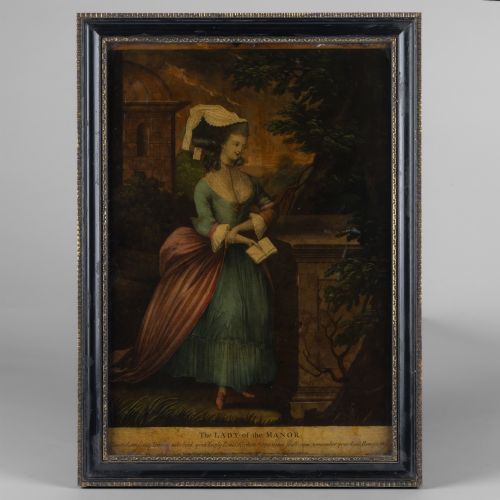
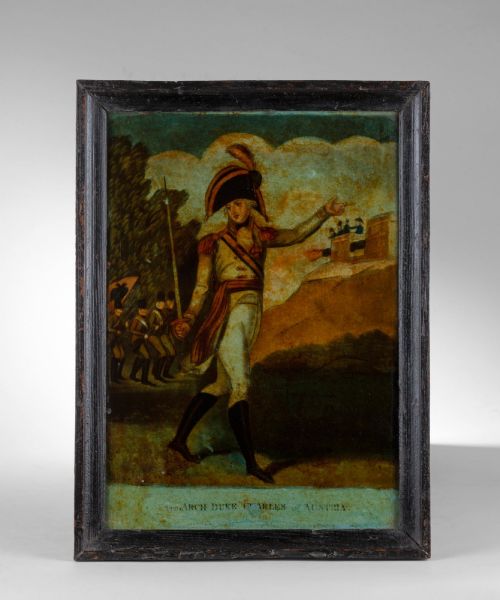
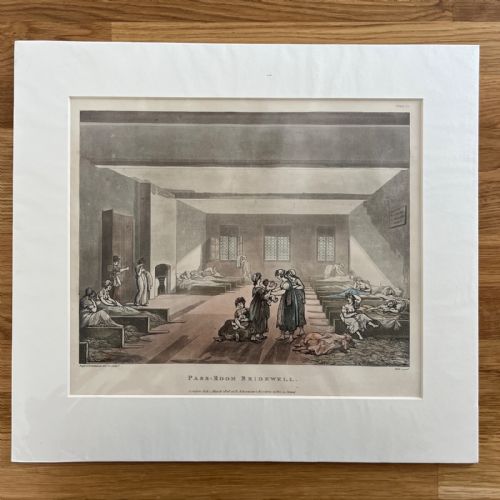
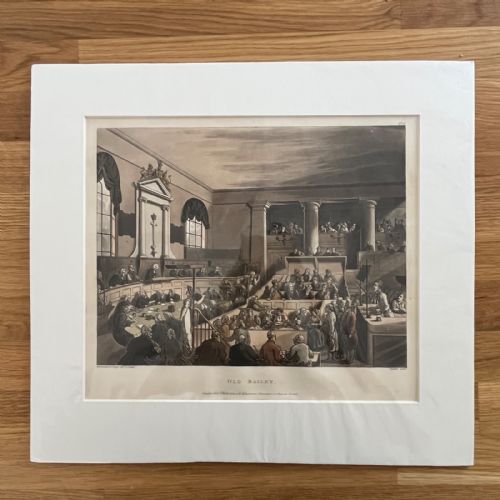
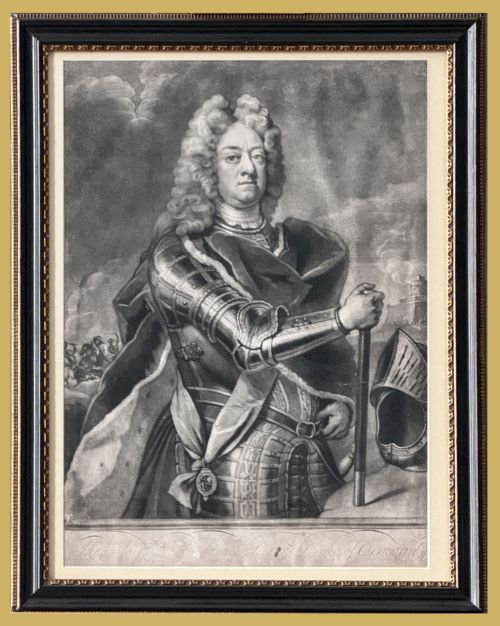
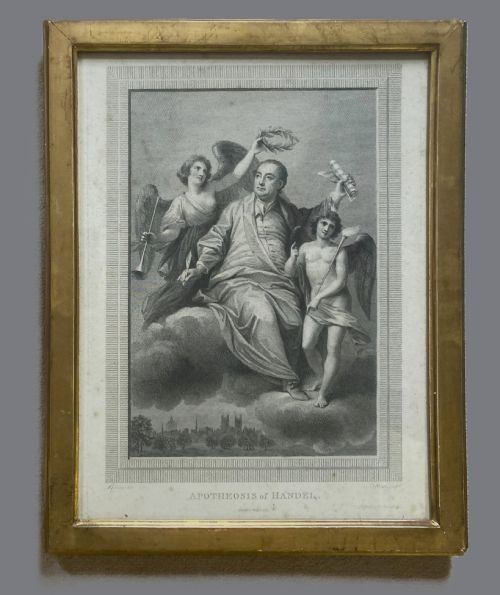
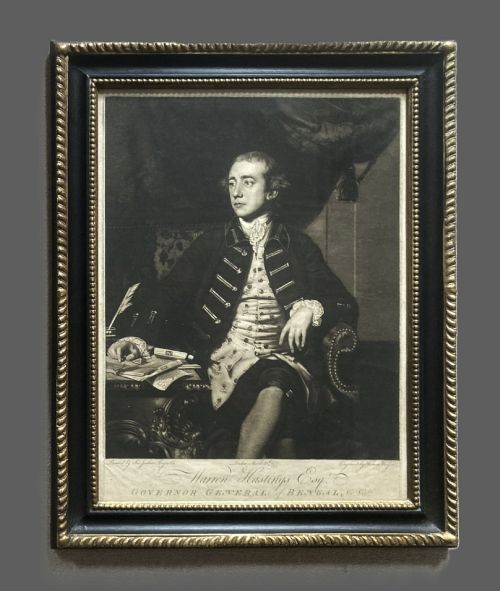
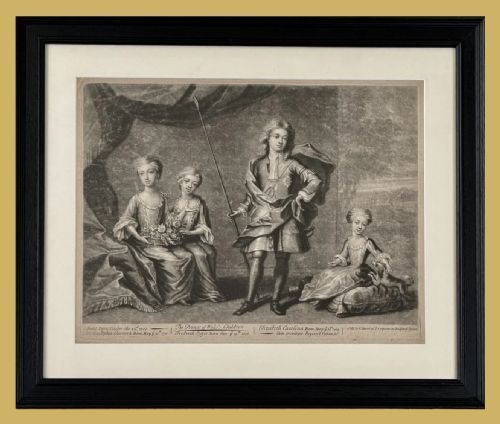
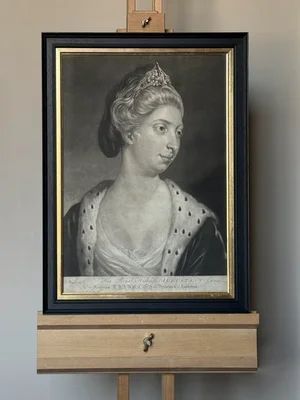
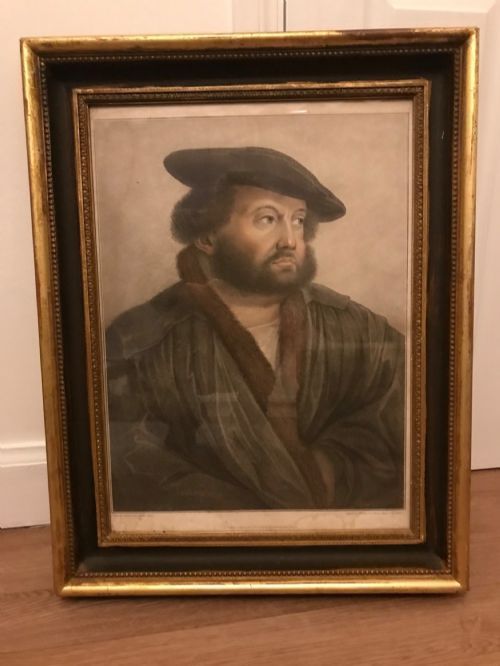
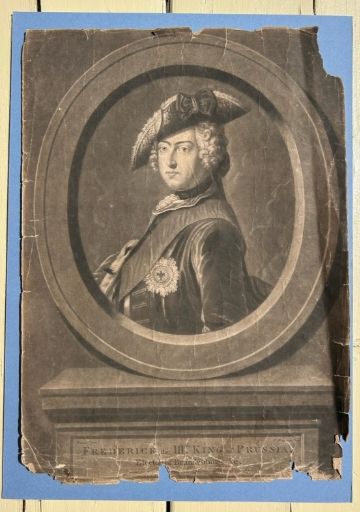
A georgian historical print encompasses framed engravings, mezzotints, broadsides and cartography originating primarily across the eighteenth and early nineteenth centuries. These works document royalty, political figures, naval battles, executions and geographical discoveries that shaped the period.
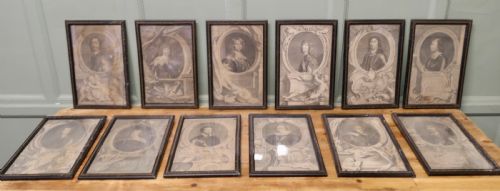
Buyers most frequently encounter copperplate engravings and mezzotint portraits issued individually or collected in folios. Maps of counties and colonies by noted cartographers also feature prominently among these surviving paper artefacts.
Subjects range from grand allegorical scenes and theatrical tributes to anatomical studies and social satires of everyday life. Each piece offers a direct visual link to the publishing culture of the Georgian age.
Materials and Technique
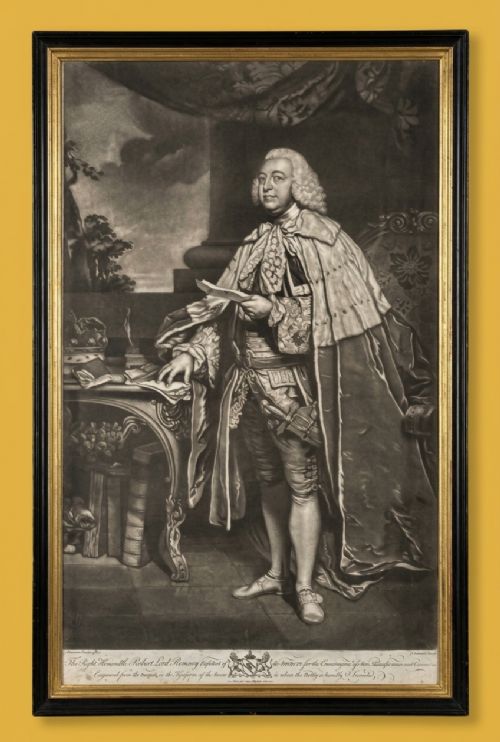
The foundation of these works is handmade laid or wove paper receiving impressions from hand-inked copper plates. Printers utilised rich black and brown inks to build tonal depth, particularly in the velvety shadows characteristic of mezzotints.
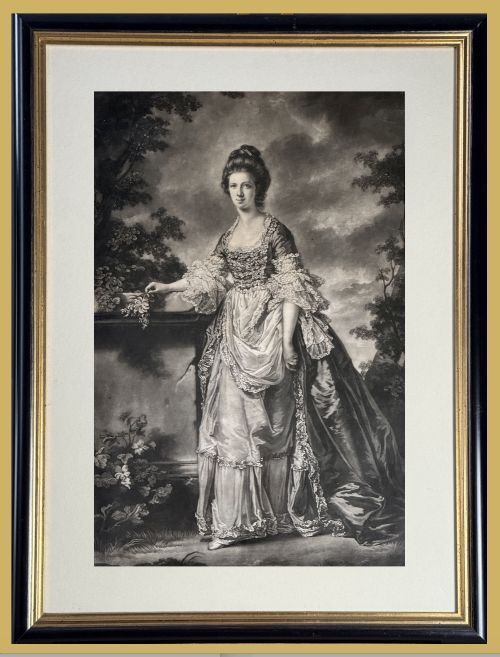
Engravers worked metal plates with burins and rocker tools to transfer intricate designs conceived by master painters. Completed sheets were frequently housed behind glass within timber frames finished with gold leaf or giltwood mouldings.
Georgian Historical Print Retail Price Guide 2026
Typical asking prices for georgian historical print among the pieces listed under this phrase on Sellingantiques today, from the lower quarter to the upper quarter. They describe what is for sale here now, not the wider market.
Listings feature paper works spanning the seventeenth, eighteenth and nineteenth centuries, alongside eighteenth-century maps and copperplate engravings.
Quality and Execution
The clarity and strength of the impression dictate the visual success of any plate, as worn copper yields faint or muddy lines. Early impressions pulled before the metal degraded showcase the finest detail and tonal graduation.
The prestige of the original artist and the skill of the printmaker heavily influence the standing of an individual sheet. Works executed by renowned engravers after celebrated portraitists command greater appreciation among collectors.
John Smith·James Watson·John Simon·Francesco Bartolozzi·Thomas Watson·Richard Houston·Jacobus Houbraken·Luke Sullivan·Emanuel Bowen·Robert Morden·Thomas Jefferys
The Georgian Historical Print Glossary
- Mezzotint
- A printmaking process where the copper plate is roughened uniformly to produce rich dark tones and subtle gradations of light. This technique allows for remarkably lifelike portraits with soft tonal transitions.
- Engraving
- A method of cutting design lines directly into a metal plate using a hardened steel tool called a burin. The resulting incisions hold the ink that transfers to paper under pressure.
- Broadside
- A large single sheet of paper printed on one side only, typically detailing news of public executions, disasters or political proclamations. These served as mass communication before the rise of modern newspapers.
- Cartography
- The scientific and artistic practice of drawing maps, which in this era involved detailed hand-coloured copperplate printing. County maps and global charts often included elaborate decorative cartouches.
- Copperplate
- A flat sheet of copper utilised by printmakers to receive engraved or etched imagery prior to the printing press. Multiple impressions could be pulled before the soft metal began to show wear.
Georgian Historical Print: Frequently Asked Questions
How should I frame historic paper safely?
Historic prints require acid-free mounting materials and UV-filtering glass to prevent fading and chemical degradation over decades. Keeping the paper distanced from the glass surface avoids moisture entrapment and condensation damage.
Position framed works away from direct sunlight and damp exterior walls to protect the integrity of the ink and paper fibres. Professional framing ensures the piece remains stable without relying on damaging adhesives.
What is a mezzotint portrait?
A mezzotint is a specialised printmaking method where the artist works from dark to light by smoothing a roughened copper plate. This technique creates velvety backgrounds and nuanced facial expressions impossible to achieve with standard line engraving.
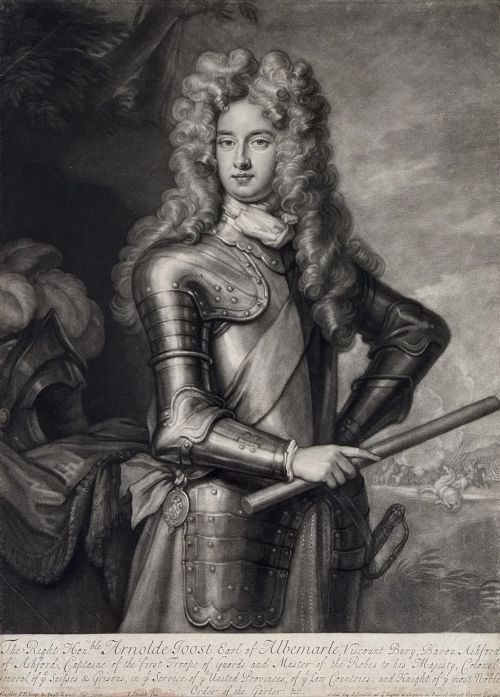
These portraits typically depict prominent figures, monarchs and military leaders of the eighteenth century. Their rich tonal range made them the premier choice for reproducing oil paintings of the period.
How do I identify a genuine period impression?
Genuine eighteenth-century impressions display plate marks where the edges of the metal sheet compressed the damp paper during printing. The paper itself should exhibit chain lines and watermarks characteristic of handmade laid stock.
Examining the ink under magnification reveals how it sits within the paper fibres rather than resting on top like modern digital dots. Professional dealers also evaluate the sharpness of the lines against known reference impressions.
Were these prints always framed?
Many historical prints began as unbound pages within bound folios, books or complete collected portfolios. Owners often selected specific plates to frame individually according to their personal decorative tastes.
Loose prints were frequently stored in cabinets and bound volumes to protect them from light exposure before modern framing became common. Surviving works often transition between portfolio storage and wall display over their lifetimes.