

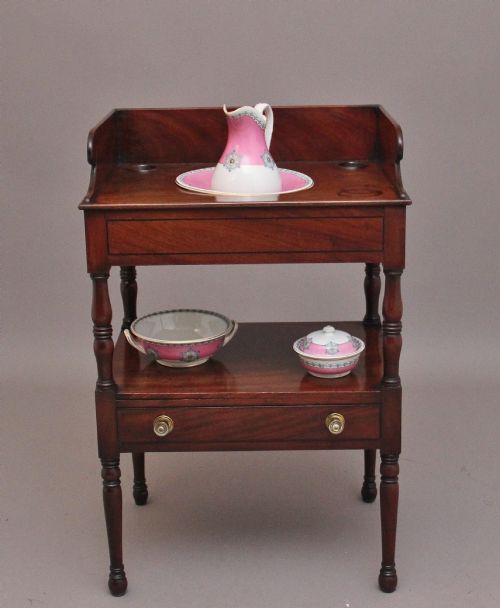
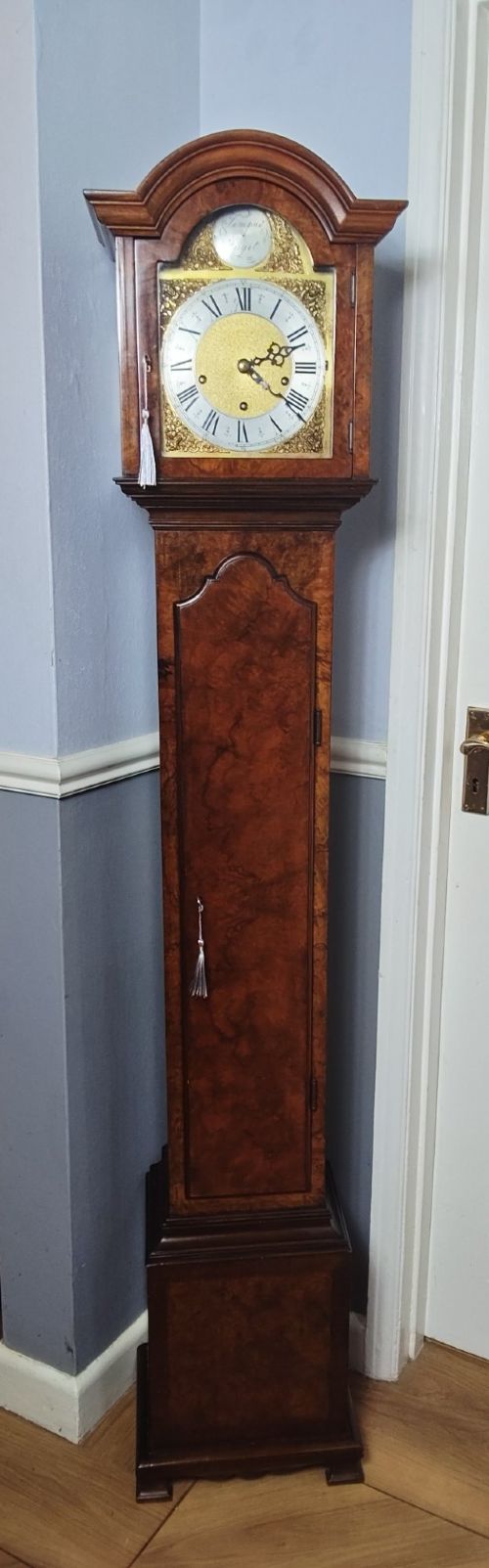
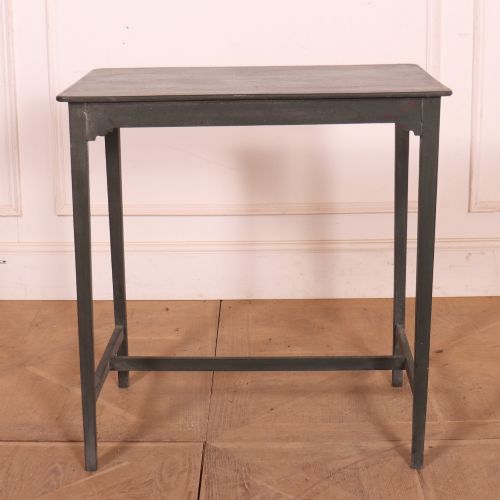


Georgian Hall Stand
A georgian hall stand organises coats, hats and sticks in an entrance hall with traditional timber craftsmanship.
Georgian Hall Stand
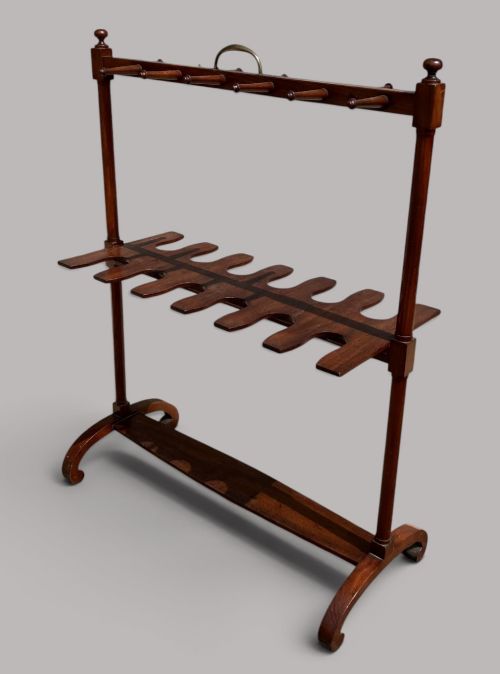
When buyers search for a georgian hall stand, they look for substantial entryway furniture designed to hold garments, walking sticks and umbrellas in a traditional interior. The selection includes related pieces such as boot racks, coat stands and umbrella holders originating from the eighteenth and nineteenth centuries.
The versions met most frequently on this page span Georgian, Regency and Victorian periods, constructed primarily in oak and mahogany. These functional items combine pegs, rails and lower trays to manage outdoor wear within a domestic hallway.
Examples range from simple country oak items to more refined mahogany pieces reflecting formal design influences. Each item provides practical storage while contributing period character to a hallway or reception space.
How they were made
Cabinet makers utilised dense hardwoods such as oak and mahogany, often enhanced by flame mahogany veneer, satinwood or walnut details. These timbers provided the structural strength required to support heavy coats and wooden or metal walking canes.
Construction techniques involved traditional joinery, turning for upright posts, and iron or brass hardware for hooks and drip trays. Artisans also applied inlaid decoration or polished finishes to highlight the natural grain of the timber.
Georgian Hall Stand Retail Price Guide 2026
Typical asking prices for georgian hall stand among the pieces listed under this phrase on Sellingantiques today, from the lower quarter to the upper quarter. They describe what is for sale here now, not the wider market.
Listings feature oak and mahogany pieces spanning the eighteenth to the early twentieth century.
What varies in quality
The standard of a piece depends on the selection of timber, such as figured walnut or dense mahogany, and the crispness of any inlaid decoration. Superior examples display careful matching of wood grains across prominent surfaces and robust structural joints.
Original iron or brass fittings, including hooks and locks, distinguish higher grade specimens from those with later replacements. The refinement of turned elements and the stability of the base also indicate the original maker's skill.
James McCabe·Walker & Hall·Muirhead Moffat & Co·John Wylde·Edward Glase·Herbert of Haversham·Peter & Ann Bateman
The Georgian Hall Stand Glossary
- Mahogany
- A durable tropical hardwood prized for its reddish-brown colour and stable grain. It became the dominant timber for quality furniture from the eighteenth century onwards.
- Oak
- A hard, heavy domestic timber used extensively in early country furniture. Its distinct grain accepts traditional finishes and holds structural joints securely.
- Inlay
- A decorative technique where contrasting woods or materials are set flush into the surface timber. It creates geometric or floral patterns on panels and tabletops.
- Regency
- A stylistic period spanning the early nineteenth century defined by classical revival forms and restrained ornamentation. Furniture from this era often incorporates clean architectural lines.
Georgian Hall Stand: Frequently Asked Questions
What is a georgian hall stand used for?
These items provide dedicated storage in entrance halls for outdoor garments, hats, walking sticks and umbrellas. They keep daily accessories organised and accessible near the front door.
Historically, they served bustling households by containing wet weather gear and heavy winter coats before guests entered main reception rooms.
How do I identify a genuine period piece?
Examine the timber construction, joint methods and underlying secondary woods for signs of age and hand tool work. Genuine pieces show appropriate wear patterns in areas of frequent contact.
Check for period-correct hardware such as hand-forged iron or early brass hooks that match the manufacturing era of the main structure.
Where should I place a hall stand?
Position the furniture in a hallway or entrance lobby with adequate wall clearance to support garments safely. Ensure the floor surface is level so the frame rests securely without rocking.
Keep timber pieces away from direct heat sources and strong sunlight to prevent the wood from drying out or fading over time.
How do I care for antique timber?
Clean surfaces regularly with a soft, dry cloth to remove dust and prevent abrasive particles from accumulating on the finish. Apply appropriate beeswax periodically to nourish the wood and maintain its lustre.
Avoid using silicone-based polishes or placing damp items directly onto unsealed wooden surfaces for extended periods.