




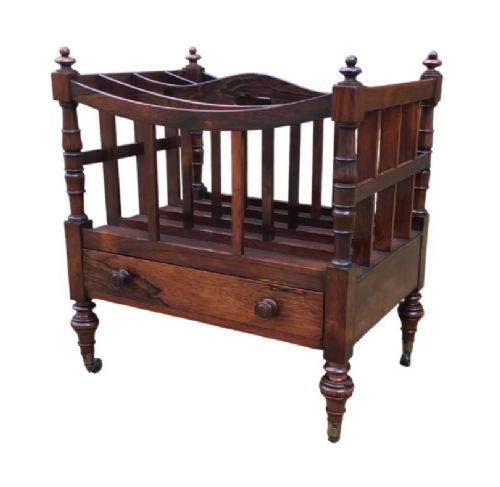
Georgian Furniture Rack
A georgian furniture rack offers practical elegance, holding your books, music, and ceramics with traditional British craftsmanship.
Georgian Furniture Rack
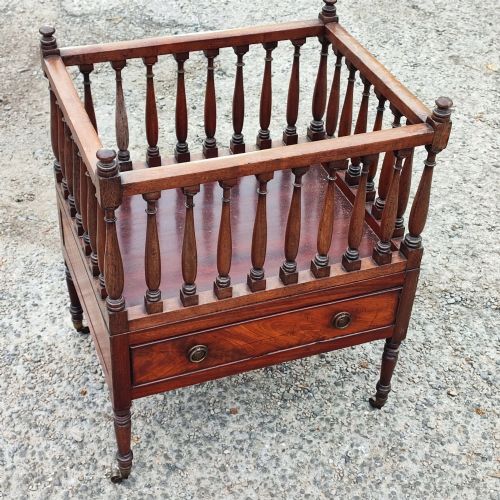
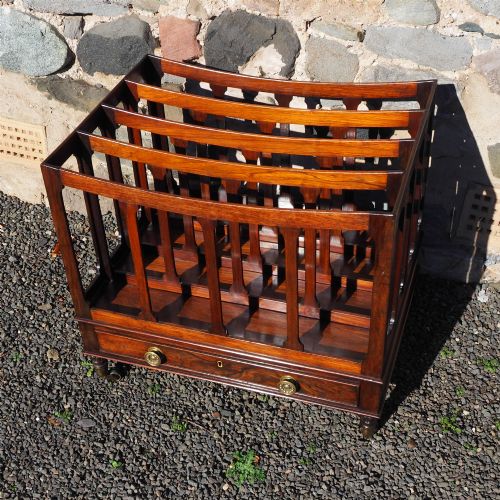
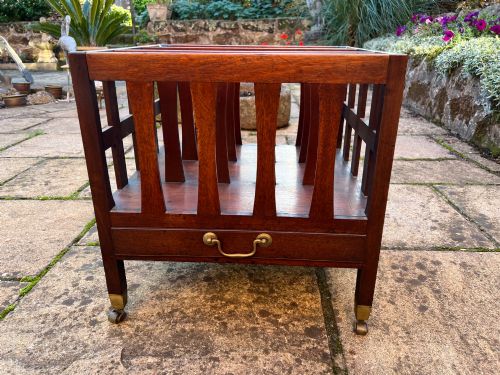
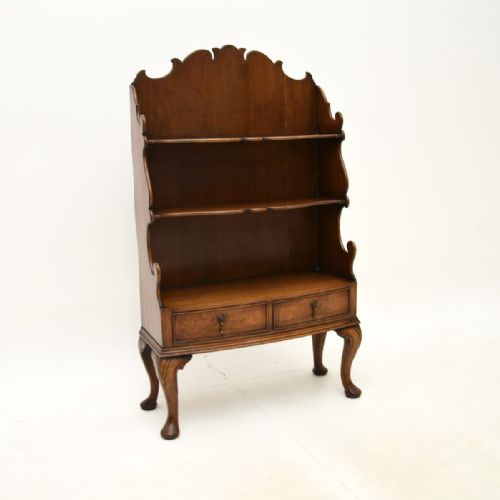
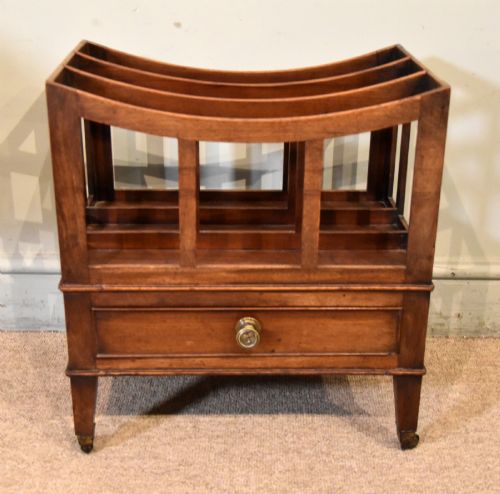
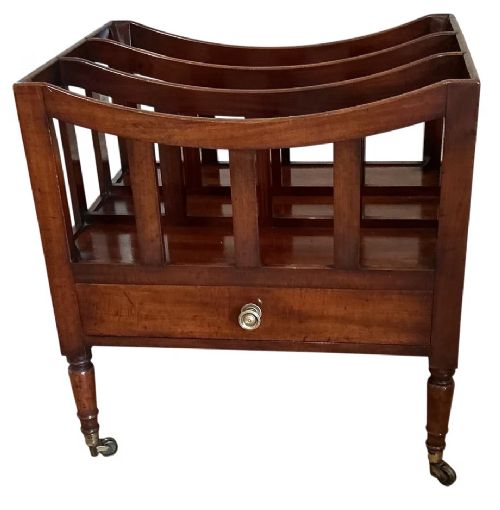
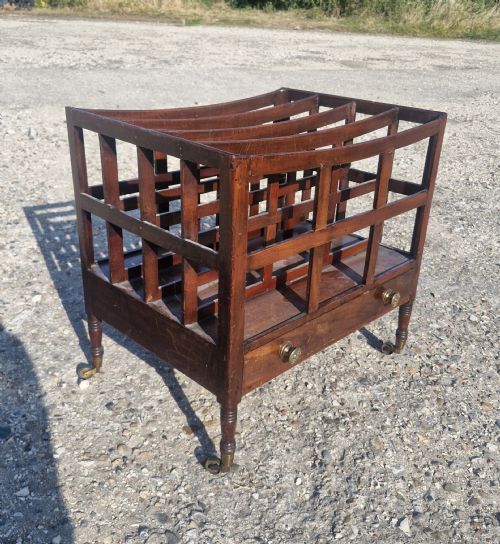
When searching for a georgian furniture rack, buyers encounter a diverse selection of practical domestic storage pieces from the Georgian, Regency, and Victorian eras. These items primarily comprise hanging wall racks, plate racks, and freestanding canterburys designed for books, sheet music, and magazines.
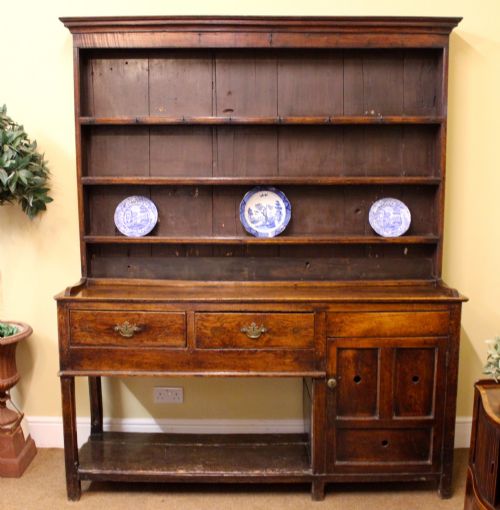
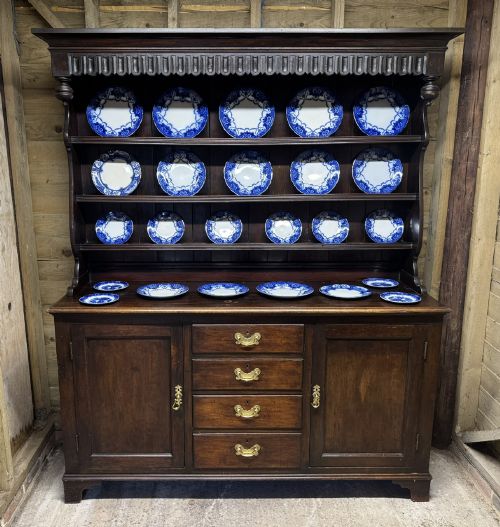
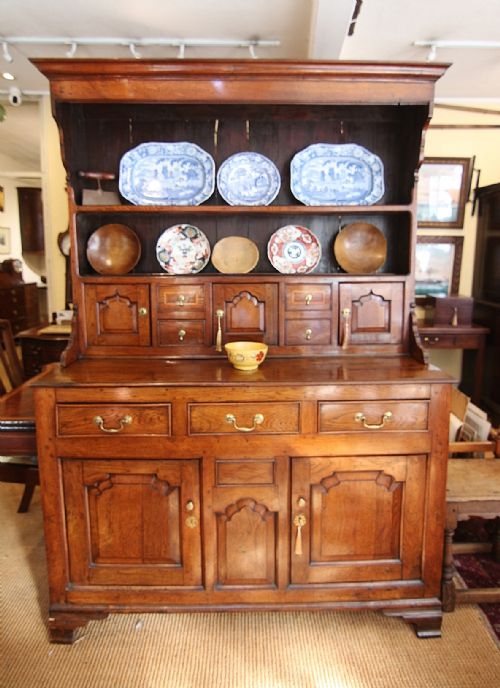
The objects frequently appear in sturdy timbers like oak and mahogany, often associated with regional English and Welsh country workshops. Pieces range from large potboard dressers with integrated shelving to compact boat-shaped canterburys and portable bookshelves.
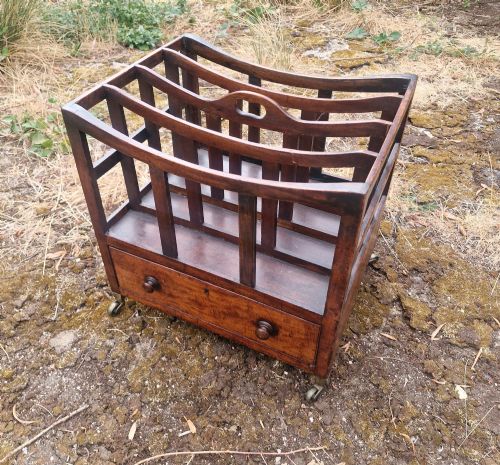
The version most commonly met on this page is the mahogany or oak canterbury, alongside wall-mounted delft and plate racks. These utilitarian items successfully combine display space with structured compartmental storage for everyday domestic use.
Materials and construction
Cabinet makers utilised dense hardwoods such as mahogany, oak, and rosewood, frequently selecting figured veneers like burr walnut for decorative impact. Pine and iron also appear in structural elements or regional country furniture.
Construction techniques combine traditional joinery with turned supports, inset drawers, and occasionally castors on freestanding canterburys. Carved details, inlay work, and painted finishes further distinguish regional variations from formal metropolitan pieces.
Georgian Furniture Rack Retail Price Guide 2026
Typical asking prices for georgian furniture rack among the pieces listed under this phrase on Sellingantiques today, from the lower quarter to the upper quarter. They describe what is for sale here now, not the wider market.
Some nineteenth-century music stands feature subtle partitions narrow enough to hold folio scores yet perfectly sized for modern oversized art journals.
Determinants of quality
Quality rests upon the selection of timber grain, the crispness of turned legs and carved details, and the integrity of the original construction. Superior pieces display refined proportions and careful timber matching across panels and dividers.
Lower tiers of quality involve plain, utility-grade timbers with heavy alterations or mismatched replacement elements over time. The presence of original castors, drawer linings, and hardware elevates the standing of any freestanding stand or rack.
The Georgian Furniture Rack Glossary
- Canterbury
- A low freestanding stand with divided sections used for holding sheet music, books, or magazines. These pieces frequently feature lower drawers and rest on turned legs with castors.
- Potboard dresser
- An oak dining room sideboard featuring an open plate rack top and a low slatted lower shelf for storing pots and serving dishes. These are staples of Welsh and English country houses.
- Delft rack
- A wall-mounted wooden shelving unit designed to display ceramics and plates upright against a wall. They often incorporate small hooks or plate grooves along the timber ledges.
- Folio stand
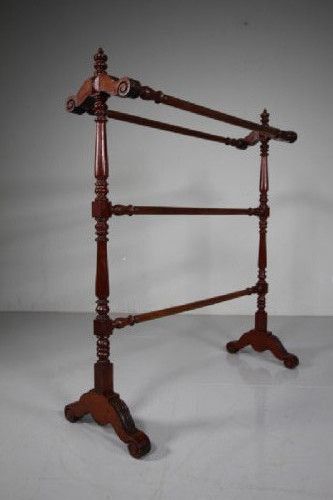
- An adjustable standing rack utilised for holding large books, prints, or sheet music folios. Regency examples often employ pivoting mechanisms and sturdy cross-frame supports.
- Whatnot
- A multi-tiered open shelving unit designed for displaying decorative objects or books. They appear in mahogany and rosewood with slender vertical supports.
Georgian Furniture Rack: Frequently Asked Questions
What is a canterbury used for?
A canterbury serves as a compact compartmentalised stand for organising sheet music, books, and periodicals within a living space or music room.
Many examples include a small drawer at the base for smaller accessories while resting on castors for easy mobility.
How do I hang a wall rack safely?
Wall-mounted racks require secure fixings into structural wall studs or masonry to support the considerable weight of hardwood and displayed ceramics.
Ensure the hanging brackets or screw points on the back frame align with appropriate wall anchors before loading the shelves.
Are these pieces made of solid wood?
The listings show pieces constructed from solid domestic and imported hardwoods like oak, mahogany, and rosewood, alongside occasional veneer applications.
Regional country pieces tend toward solid oak construction, whereas refined Regency and Victorian pieces often utilise mahogany and exotic veneers.
How do I distinguish regional styles?
Regional pieces, particularly Welsh country items, rely heavily on local oak and emphasise robust utility with potboards and generous proportions.
Metropolitan pieces from the Georgian and Regency periods favour polished mahogany or rosewood with delicate turning, inlay, and refined joinery.