

Georgian Furniture Desk
A georgian furniture desk brings centuries of working history into a room, offering practical writing surfaces shaped by master hands.
Georgian Furniture Desk
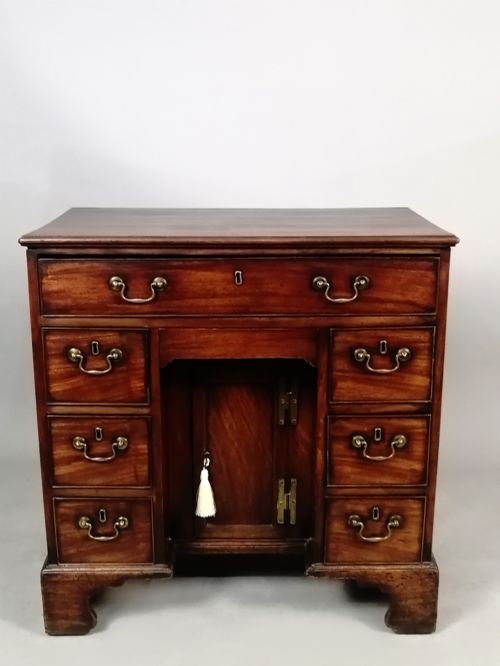
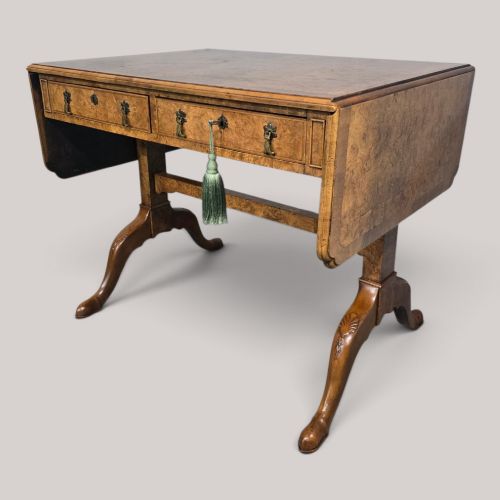
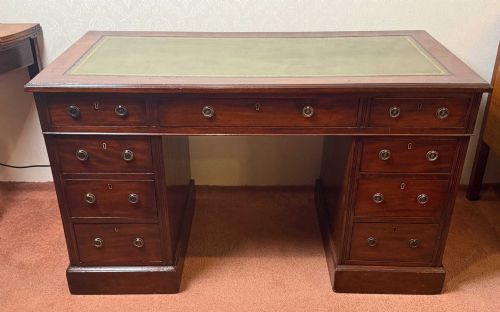
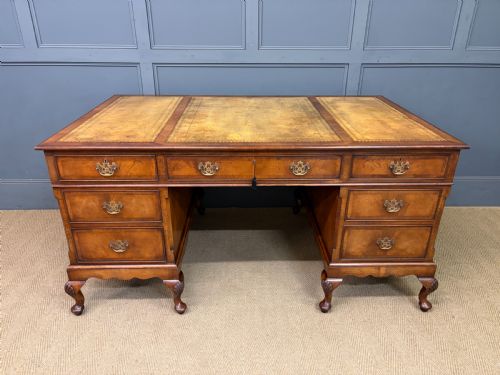
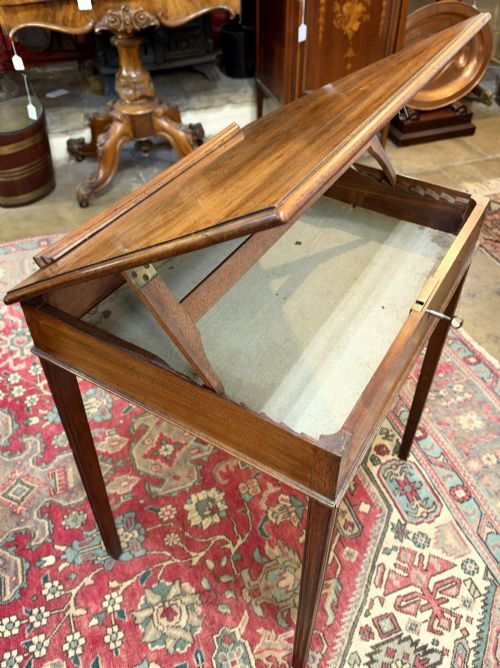
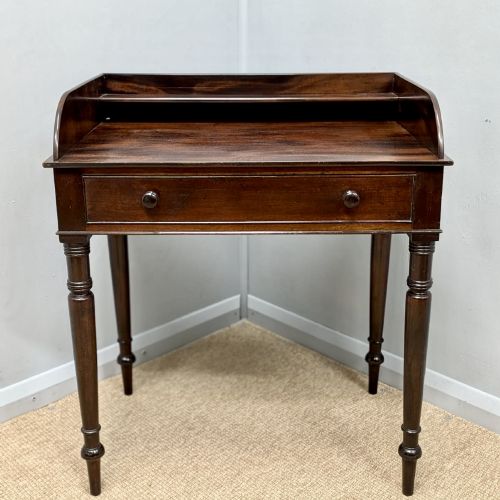
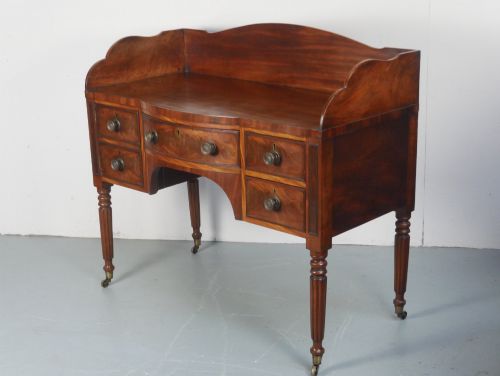
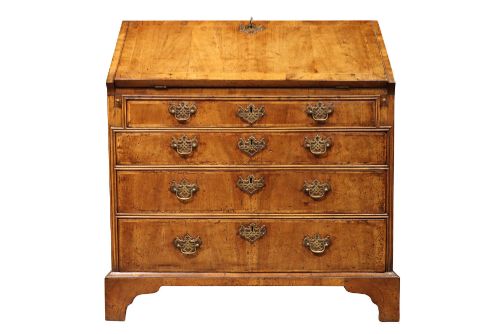
A georgian furniture desk encompasses writing tables, bureau bookcases, kneehole desks, and partners desks produced across the eighteenth and early nineteenth centuries. These pieces span periods from Queen Anne and Early Georgian through to Regency and Late Georgian styles, reflecting changing domestic habits and architectural tastes.
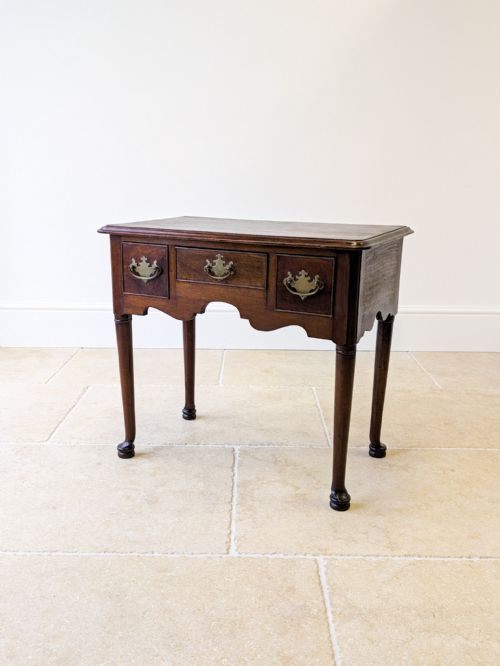
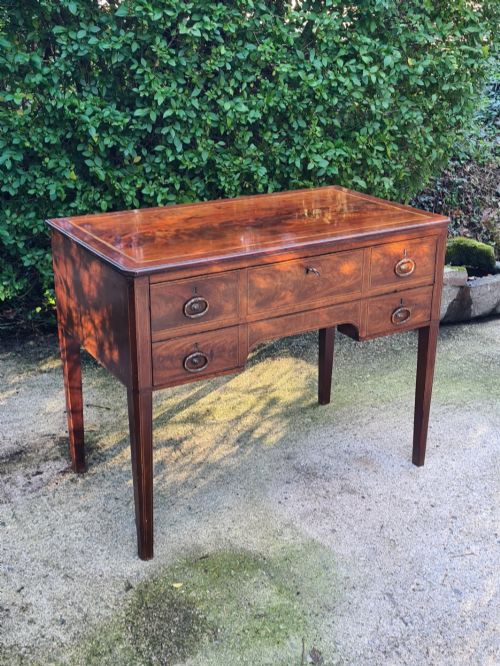
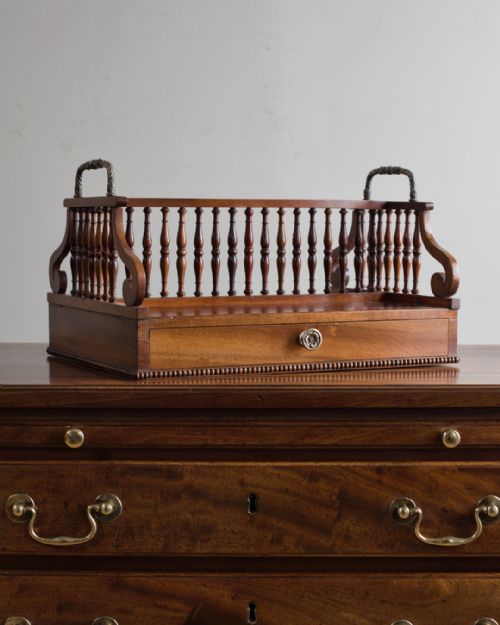
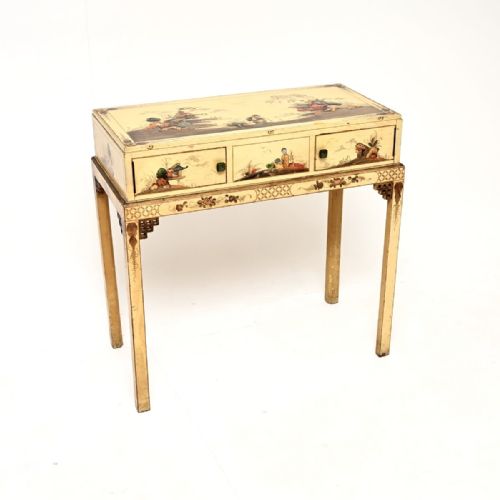
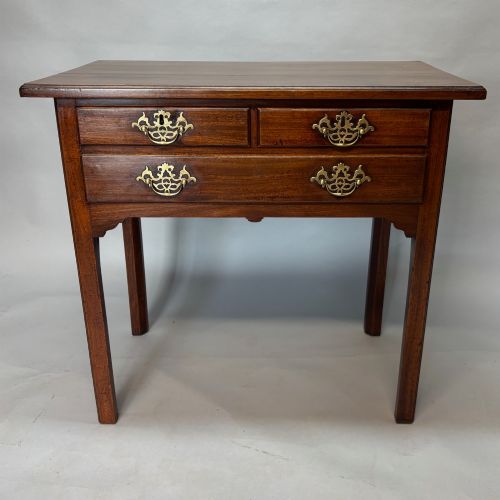
Writing desks and lowboys form the core of what appears here, alongside larger pedestal desks and secretaire bookcases. Oak and mahogany dominate the heavier library pieces, while lighter satinwood and walnut feature in domestic writing tables and dressing furniture.
Regional variations emerge clearly across the selection, from Welsh oak side tables to Irish walnut seating and solid teak campaign pieces built for travel. Buyers encounter everything from compact apprentice chests to expansive partners desks designed for dual use.
Materials and Technique
Cabinetmakers relied heavily on mahogany, oak, and walnut, selecting dense timbers that tolerated intricate carving and stable joint construction. Secondary woods such as elm and yew frequently reinforced interior drawers and framing.
Surface detailing incorporated brass handles, key escutcheons, and leather writing inserts, alongside satinwood stringing and parcel gilding on finer examples. French polishing or wax finishes protected the timber while enhancing the natural grain figures.
Construction methods relied on dovetail joints for drawer boxes and mortise and tenon frames for structural support. Fall fronts and pedestal bases required precise carpentry to ensure smooth mechanical movement across writing surfaces.
Georgian Furniture Desk Retail Price Guide 2026
Typical asking prices for georgian furniture desk among the pieces listed under this phrase on Sellingantiques today, from the lower quarter to the upper quarter. They describe what is for sale here now, not the wider market.
Judging Quality
The distinction between standard pieces and exceptional examples rests upon timber selection and figure consistency, particularly in mahogany and walnut veneers. Superior items display well-matched grains across large surfaces and retain original brass hardware.
Carpentry execution dictates longevity, visible in the tightness of dovetail joints and the presence of solid secondary timbers within drawer linings. Fine carving work, such as carved paw feet or crisp mouldings, separates workshop output from mass production.
Originality of surface finish and structural integrity define the upper tier of the market. Pieces retaining undisturbed dry surfaces and unaltered fitted interiors command greater appreciation among collectors.
The Georgian Furniture Desk Glossary
- Partners desk
- A large double-sided desk designed for two people to work opposite one another, featuring drawers and cupboards on both faces. These pieces were traditionally utilised in libraries and boardrooms.
- Kneehole desk
- A compact pedestal desk featuring a central recess for the legs, flanked by banks of smaller drawers. This form became popular during the early eighteenth century.
- Lowboy
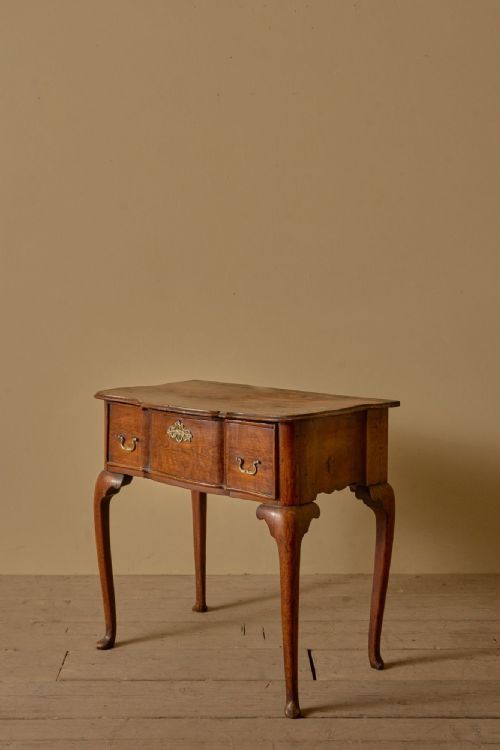
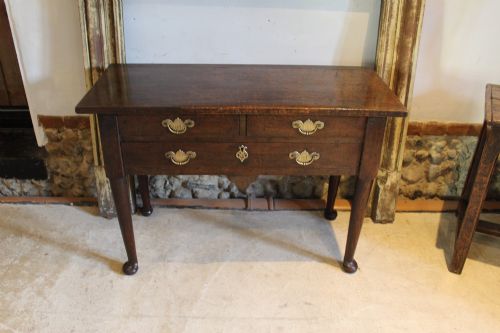
- A small side table with one or more tiers of drawers, frequently utilised as a dressing table or writing stand. They typically rest on cabriole or straight legs.
- Secretaire bookcase
- A tall cabinet combining a shelved upper section with a drop-front desk drawer concealing pigeonholes and small drawers. The lower portion usually contains additional storage drawers.
- Satinwood
- A lustrous tropical hardwood with a golden-yellow colour, utilised extensively for veneering and inlay work during the late eighteenth and early nineteenth centuries.
- Dovetail
- A traditional interlocking joint utilised in drawer construction, prized for its tensile strength and resistance to being pulled apart.
Georgian Furniture Desk: Frequently Asked Questions
How do I identify a genuine period desk?
Examine the timber construction methods, noting hand-cut dovetailing in the drawer linings and tool marks left by period saws. Secondary woods inside the piece should match the expected regional practices of the stated era.
Check for consistency in the hardware and wear patterns appropriate to age. Original surfaces display a soft, accumulated patina that modern reproductions cannot replicate.
How should I care for antique wood surfaces?
Keep wooden desks away from direct sunlight and heat sources to prevent the timber from drying out and splitting. Maintain a stable room temperature and humidity level to protect delicate veneers.
Apply a traditional beeswax polish sparingly and buff with a soft cloth to nourish the grain. Avoid modern silicon-based sprays that damage historic finishes.
Can I use an antique desk for daily computer work?
Many larger writing tables and partners desks provide adequate surface area and knee clearance for modern laptops and paperwork. Care must be taken to protect antique leather writing surfaces from scratches and moisture.
Ensure the chair height matches the desk drawer clearance to maintain ergonomic comfort during extended periods of use.