



Georgian Doorstop
A georgian doorstop keeps heavy period doors open with genuine weight and character, combining utilitarian purpose with striking sculptural presence.
Georgian Doorstop
When you search for a georgian doorstop, you encounter heavy functional objects designed to hold heavy interior doors open. These pieces originate from the Georgian, Regency, and nineteenth century periods, serving households that required practical draught and door management.
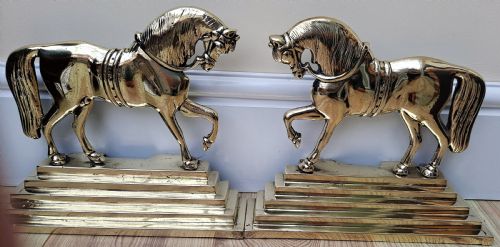
The selections available on this page include traditional door porters, chimney horses, and figural representations. You will find items fashioned into distinct forms such as lions, sphinxes, and historical figures like Lord Nelson and Mr Punch.
Many of these examples hail from English workshops, alongside occasional continental pieces such as Dutch brass designs. Alongside traditional doorstops, related utilitarian forms like boot scrapers and heavy paperweights appear within the selection.
How they were made
Metalworking techniques dictate the construction of these items, with heavy employment of cast brass, cast iron, and bronze. Molten metal was poured into moulds to create solid figures and sturdy door porters capable of withstanding daily household use.
Makers utilised lead or weighted internal structures within certain designs to ensure sufficient mass for holding heavy timber doors. Surface finishing involved polishing brass components to a bright sheen or leaving iron and bronze with darker, patinated finishes.
Georgian Doorstop Retail Price Guide 2026
Typical asking prices for georgian doorstop among the pieces listed under this phrase on Sellingantiques today, from the lower quarter to the upper quarter. They describe what is for sale here now, not the wider market.
Mr Punch and Lord Nelson stand shoulder to shoulder with sphinxes, proving that Georgian households welcomed eclectic company at the bottom of the door.
What varies in quality
The choice of primary metal also influences the character and durability of each piece. Heavy cast bronze and substantial brass assemblies represent the upper tier of production, offering greater weight and finer detail than basic iron alternatives.
The Georgian Doorstop Glossary
- Door porter
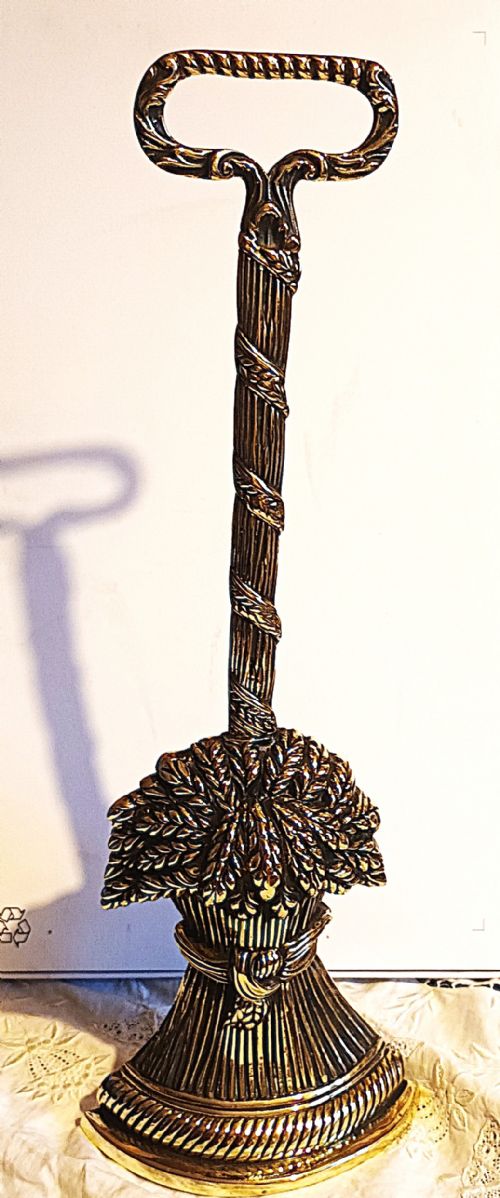
- A heavy portable weight with an upright handle, designed to be lifted and placed against an open door. It functions as an alternative to floor-mounted stops.
- Chimney horse
- A traditional term used interchangeably with door porter, often denoting specific heavy brass or iron weights. These pieces sometimes doubled as hearth accessories.
- Egyptian Revival
- A nineteenth-century decorative style inspired by ancient Egyptian motifs, seen here in sphinx doorstops. It reflects archaeological discoveries of the period.
- Boot scraper
- A stationary iron or metal implement fixed near an entrance to clean mud from footwear before entering the house. Examples from the mid-eighteenth century feature robust construction.
Georgian Doorstop: Frequently Asked Questions
What is a georgian doorstop?
A georgian doorstop is a heavy portable weight used to keep interior doors from swinging shut. They are typically fashioned from cast brass, iron, or bronze.
These objects often take the form of vertical door porters with handles, or figural sculptures representing animals and historical figures.
How were doorstops used historically?
In large period houses, heavy timber doors required substantial weights to stay open against draughts. Servants placed these portable stops where needed rather than fixing them to the floor.
They also served as decorative accessories in hallways and principal rooms, combining utility with visual interest.
How do I date a doorstop?
Dating relies on stylistic clues, materials, and manufacturing methods. Pieces from the Georgian and Regency eras often employ specific decorative motifs like sphinxes or classical figures.
The metal composition and casting quality also help distinguish early nineteenth-century work from later reproductions.
Can I use an antique doorstop today?
These items remain entirely functional for holding modern doors open. Their considerable weight makes them well-suited for heavy interior doors.
Place them gently on the floor to avoid damaging wooden floorboards or the antique metal itself.