

Georgian Crystal Glasses
Georgian crystal glasses are tactile drinking vessels and serving pieces defined by brilliant lead glass, sturdy stems, and hand-cut facets that reward daily use.
Georgian Crystal Glasses
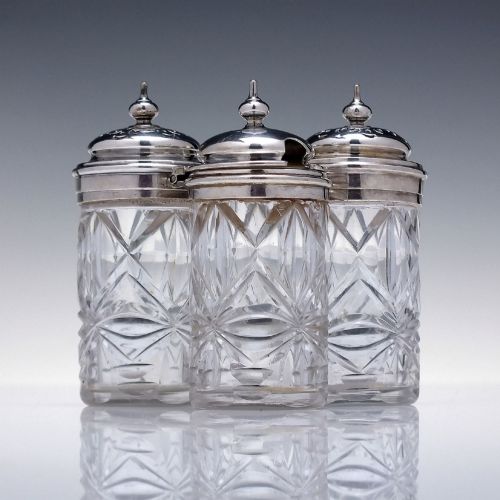
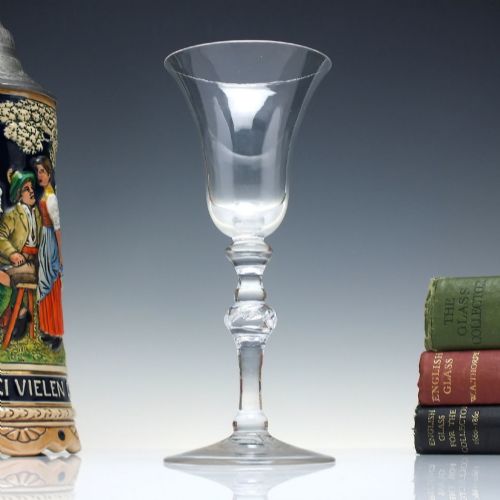
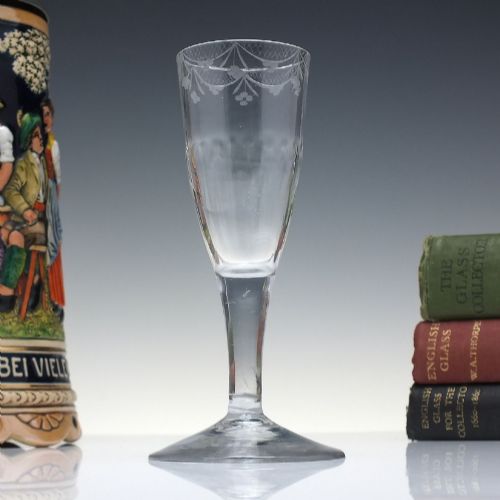
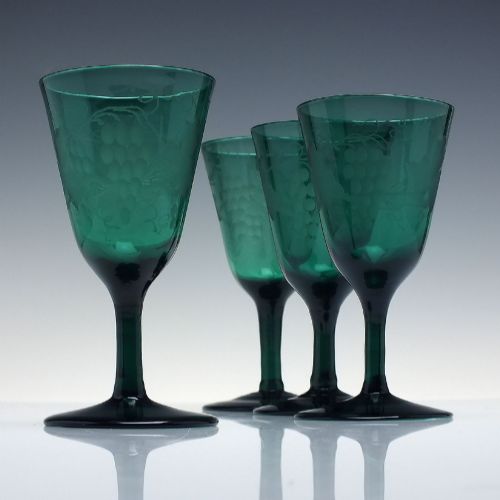
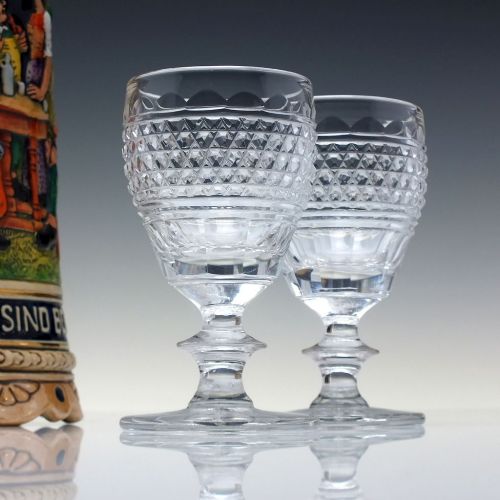
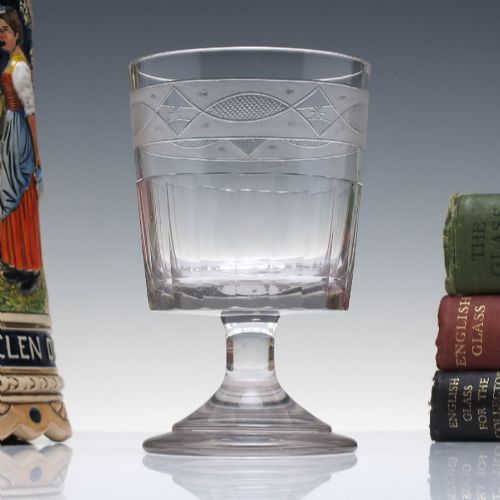
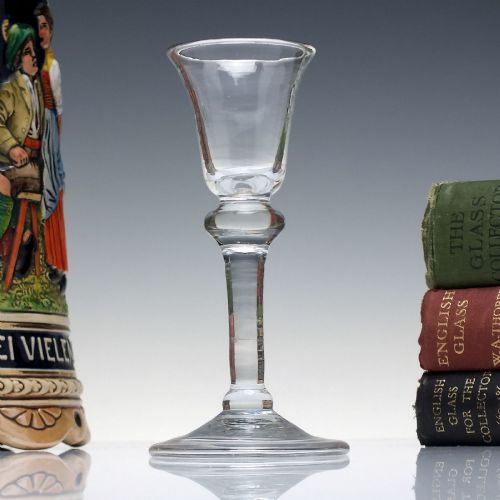
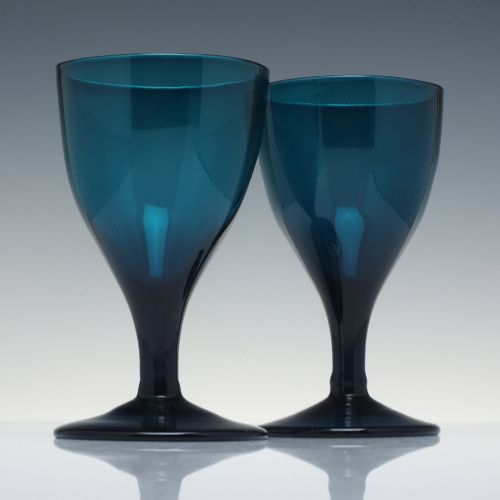
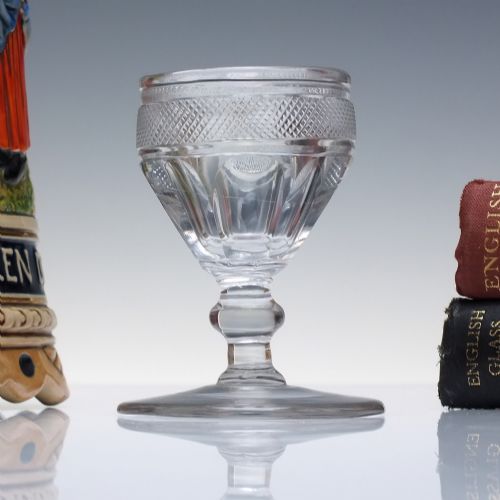
When you search for georgian crystal glasses, you encounter a range of drinking vessels and serving pieces originating primarily from the eighteenth and nineteenth centuries. The listings span periods from the eighteen century through the Georgian and Regency eras, extending occasionally into later revivals and twentieth-century interpretations.
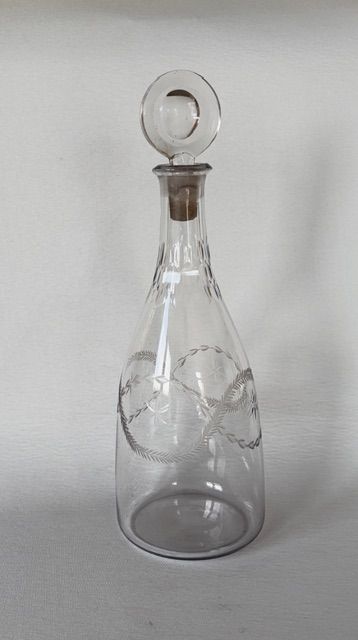
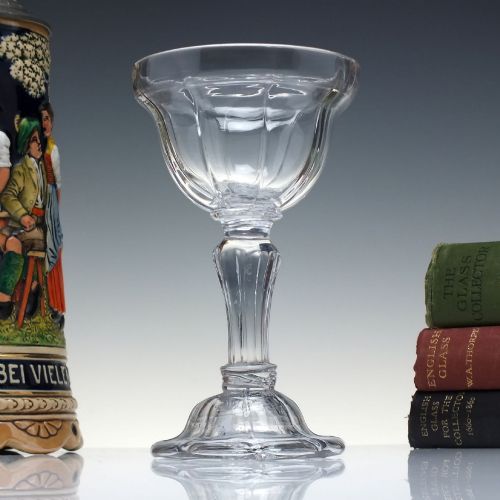
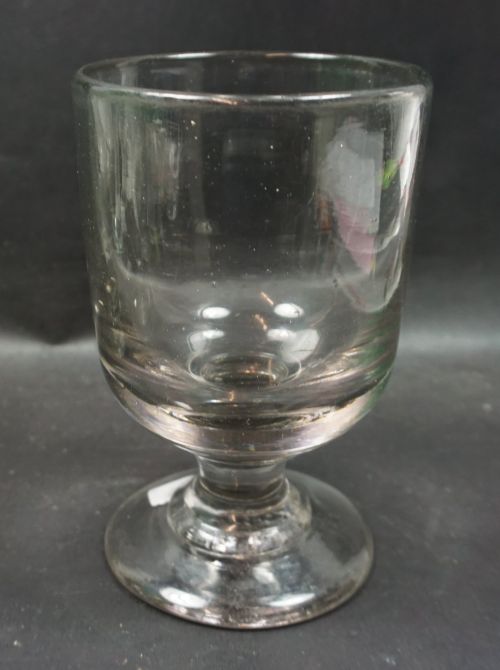
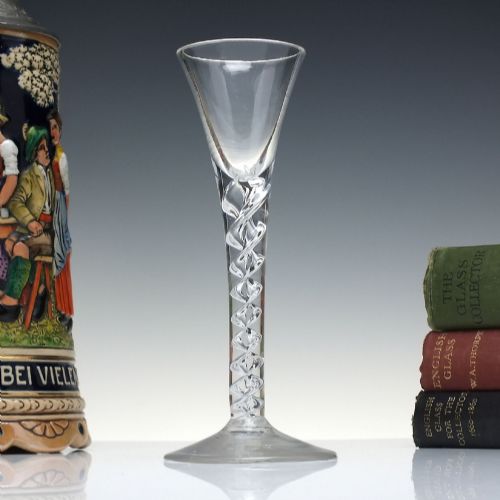
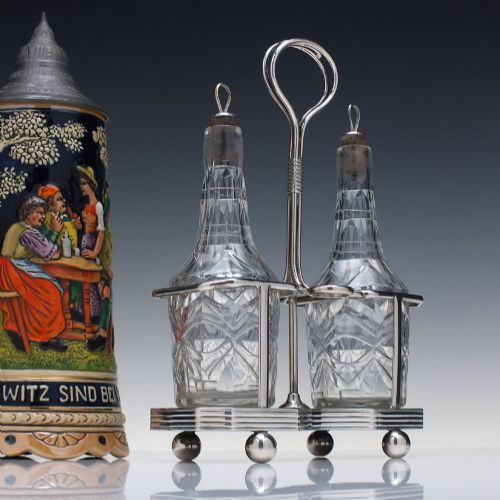
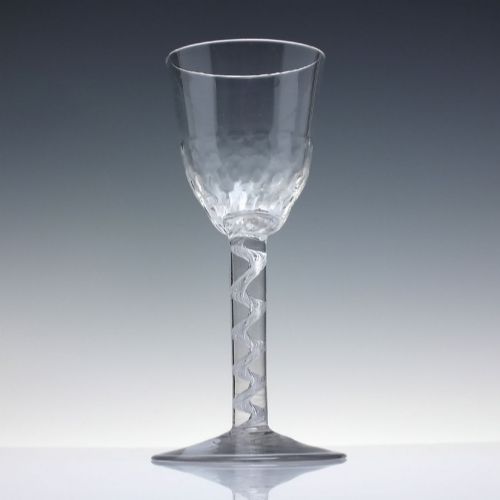
Wine glasses, rummers, ale glasses, gin glasses, and decanters dominate the forms available. You will frequently meet heavy rummer glasses, delicate twist-stem wine glasses, and square-section tapered decanters alongside occasional novelty items.
The material origins mix English production with Irish and Bohemian examples. These objects represent the domestic and social habits of past centuries, designed for wine, beer, spirits, and water.
Quality factors
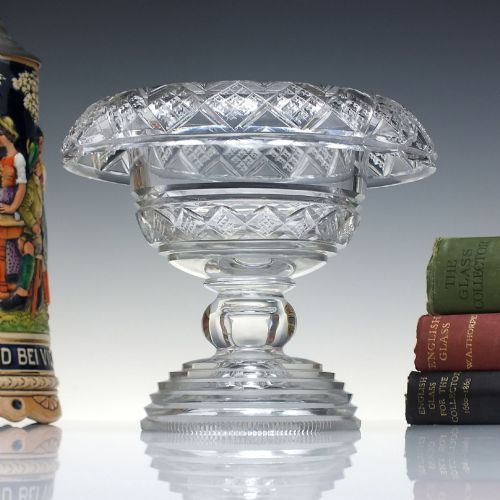
Quality rests on the crispness of the hand-cutting and the clarity of the metal itself. Deep, sharp facets catch the light directly, whereas worn or soft cutting suggests heavy domestic use or simpler production.
Proportion and balance dictate the distinction between standard vessels and superior pieces. Fine examples maintain symmetrical bowl forms, straight stems, and stable, well-formed feet without distracting internal cloudiness.
Georgian Crystal Glasses Retail Price Guide 2026
Typical asking prices for georgian crystal glasses among the pieces listed under this phrase on Sellingantiques today, from the lower quarter to the upper quarter. They describe what is for sale here now, not the wider market.
The Georgian Crystal Glasses Glossary
- Lead crystal
- Glass containing lead oxide, which increases weight, brilliance, and workability for cutting. It produces a clear ring when struck.
- Air twist
- A stem formation enclosing elongated spiral bubbles trapped inside the glass during drawing and twisting. It appears as delicate internal threads.
- Opaque twist
- A stem containing white or coloured enamel glass rods drawn into spiral threads. It is characteristic of mid-eighteenth-century English drinking vessels.
- Rummer
- A large, sturdy drinking glass used for wine, punch, or ale, often featuring a short stem and a bucket or ovoid bowl. They frequently display engraved hop and barley motifs.
- Pontil mark
- A rough scar on the base of a vessel where the pontil rod was snapped off after blowing. Its presence indicates traditional hand-blown manufacture before the widespread adoption of grinding.
Georgian Crystal Glasses: Frequently Asked Questions
Can I drink from them?
You can use these drinking vessels for wine, water, or spirits during meals or gatherings. Their solid construction makes them surprisingly durable for regular use.
Take care with older specimens, particularly those with thin rims or delicate twist stems, to avoid accidental knocks against hard surfaces.
What is lead glass?
Lead glass is a heavy, clear material created by adding lead oxide to the batch during melting. This composition increases the refractive index, making the glass sparkle under light.
It also softens the material while molten, allowing glassmakers to cut deep facets and intricate patterns that ordinary soda-lime glass cannot hold as sharply.
How are stems dated?
Stem construction provides key clues to age, shifting from heavy balusters and air twists in the eighteenth century to cut stems in the Regency period. Enamel twists and balustroid forms generally point to earlier periods.
Comparing the bowl shape, foot fold, and manufacturing marks alongside the stem type helps narrow down the production era.